REVIEW · TEA CEREMONY EXPERIENCES
Traditional Tea Ceremony in Kyoto
Book on Viator →Operated by byFood · Bookable on Viator
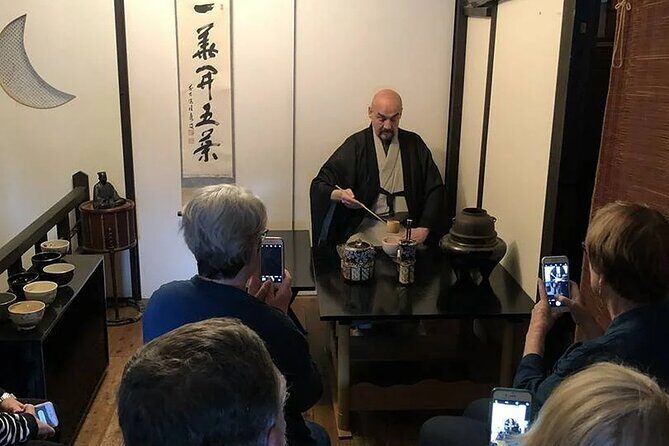
Kyoto tea can feel like formal diplomacy. This traditional ryurei ceremony with Randy Channell Soei is built to teach you the why behind each gesture, not just the how. I especially like that you get to experience Kyoto-grown matcha and sample Kyoto sweets alongside the lesson on etiquette. One thing to keep in mind: you will not be seated on tatami mats or in the low-table style you might picture from TV.
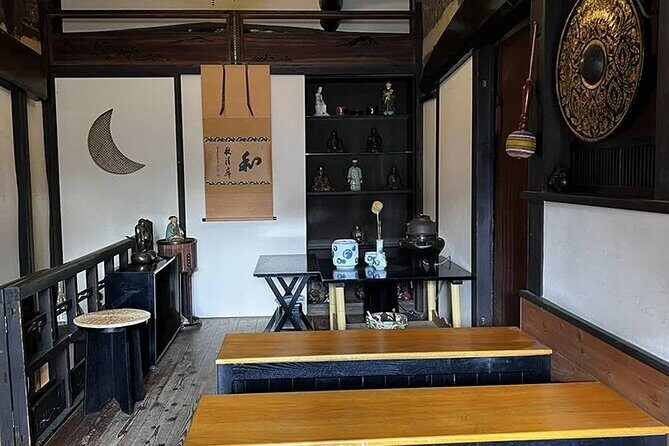
The pace is friendly, but it’s a group event in a townhouse setting, and the space can feel on the compact side. If you’re expecting a grand, expansive teahouse with that classic low-table arrangement, adjust your expectations before you go.
In This Review
- Key highlights you’ll care about
- Kyoto’s ryurei tea ceremony: what makes this one formal
- Meet Randy Channell Soei and learn what ryurei really is
- Tea room comfort notes: seating, group size, and what to wear
- How the 1.5-hour flow works: from etiquette to the first sip
- Kyoto matcha and sweets: why the snacks are part of the ritual
- Making your own bowl of matcha: the hands-on takeaway
- Price and value: does $56.34 feel fair for Kyoto?
- Location and timing: how to fit this into your Kyoto day
- Who should book this tea ceremony (and who might skip it)
- Should you book this traditional tea ceremony in Kyoto?
- FAQ
- How long is the traditional tea ceremony?
- What is included in the price?
- Is transportation provided?
- Do I get a kimono?
- Who leads the ceremony?
- Will I sit on tatami mats or at low tables?
- How big is the group?
- How will I receive my ticket?
- When will I get confirmation after booking?
- Is free cancellation available?
Key highlights you’ll care about
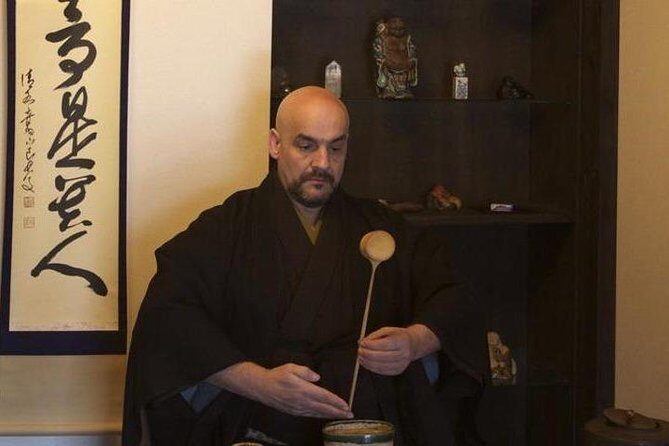
- Randy Channell Soei leads the ceremony in the ryurei style that traces back to the 1870s
- You’ll learn the formal etiquette behind chanoyu and hospitality rituals
- You’ll taste Kyoto-grown matcha plus traditional sweets from Kyoto’s famous makers
- You get hands-on practice to make your own bowl of matcha
- Small-group format capped at 25 travelers keeps the instruction clear
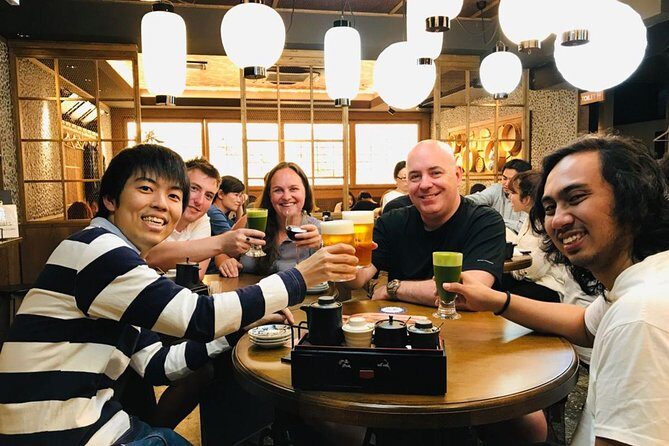
- You’ll leave with a group photo, not just a memory
Kyoto’s ryurei tea ceremony: what makes this one formal
If you’ve ever wondered why a tea ceremony can feel almost ceremonial in the best way, this ryurei-style experience is the answer. Tea in Kyoto isn’t just a drink. It’s a system of manners, timing, and respect—served with a calm seriousness that makes you slow down instantly.
What makes this ceremony worth your time is the focus on formality. Ryurei is the “proper hospitality” approach. It goes back to the 1870s and was traditionally used as formal welcome for visiting foreign dignitaries. That matters because it changes the feel. Instead of a casual tea moment, you’re shown what it looks like when tea is treated like a centerpiece of respect.
You’ll see this in the way the session is explained. You’re not just watching someone perform. You’re learning the details of how a formal ceremony moves from greeting to preparation, then to tasting and etiquette.
You can also read our reviews of more tours and experiences in Kyoto.



Meet Randy Channell Soei and learn what ryurei really is
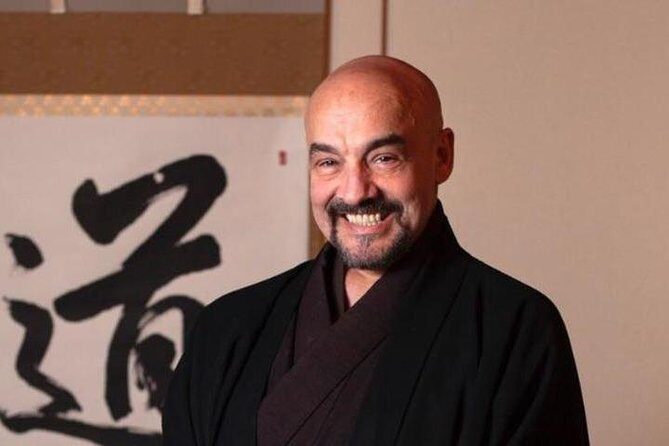
The host is the big draw, and it’s easy to understand why. You’ll be guided by Randy Channell Soei, described as the highest-ranked tea ceremony master from outside Japan. He’s tied to the traditional world of tea through his skill and training, and this session follows his ryurei approach.
Ryurei has a particular flavor: it’s structured, formal, and meant to communicate welcome. The logic is simple. When hospitality is the goal, every step has a role. Even the way you handle the utensils and how you respond to the host’s movements are part of the “message.”
In plain terms, you’ll learn what to do and also what each moment is trying to express. That’s what turns tea from a nice activity into a memorable cultural lesson you can actually repeat.
Tea room comfort notes: seating, group size, and what to wear
Let’s talk practical expectations, because they shape how much you’ll enjoy the experience.
First, you are not seated on tatami mats or low tables. If you picture the classic low seating from tea-ceremony photos, you’ll need to switch gears. The session is still traditional in its gestures and etiquette, but the physical setup is more modern and practical.
Second, it’s a group activity with a maximum of 25 travelers. That’s a good size for learning. You’ll still be able to see what’s happening, and there’s room for everyone to participate in the parts that matter.
Third, kimono is not included. Plan to wear comfortable clothes you can sit in and move around a bit. Also, bring the usual Kyoto smart-travel mindset: quiet hands, calm posture, and a willingness to follow directions closely. Tea ceremonies reward attention.
How the 1.5-hour flow works: from etiquette to the first sip
The total time is about 1 hour 30 minutes, and the structure is designed so you’re not just passively watching. You’ll move through the ceremony steps, with instruction that helps you understand what’s going on.
Here’s what you can expect in the rhythm of the experience:
You start with an introduction to the formal style—how to think about hospitality through tea. Then you’ll observe the key stages of preparation and serving. The host will guide you on the etiquette points so you understand how to behave at the right time and in the right way.
After the observing portion, you’ll transition into participation. This is where the experience becomes more than a show. You’ll practice making tea yourself, not just taste it. That practical moment is what sticks later when you try matcha at home.
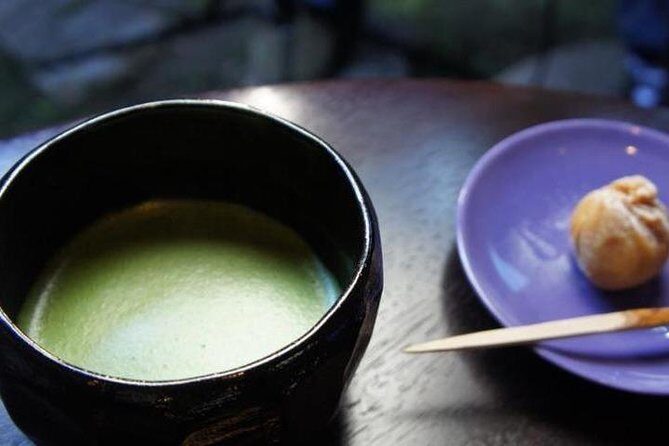
Finally, you’ll enjoy the sweets and the matcha together, while the etiquette lesson finishes up. The last part is about tasting with attention, noticing flavors, and understanding why the timing of sweets and tea is part of the ritual.
This format is valuable because it answers a common problem with cultural experiences: you often leave knowing what you saw, but not what it meant. Here, you’ll leave with the meaning attached to the gestures.
Kyoto matcha and sweets: why the snacks are part of the ritual
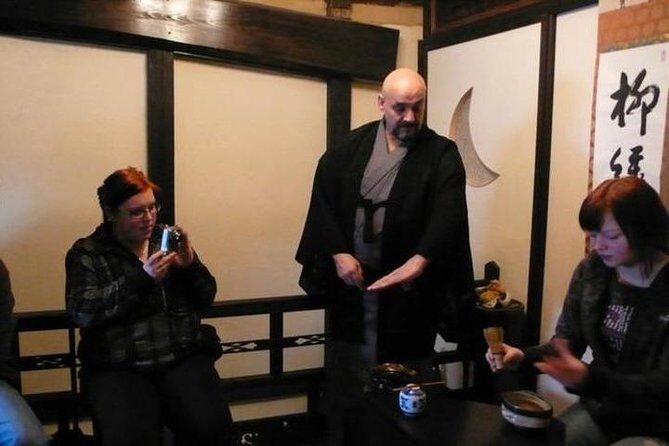
Tea ceremonies in Kyoto treat flavor like a conversation. You’re not only tasting matcha. You’re balancing it with traditional sweets.
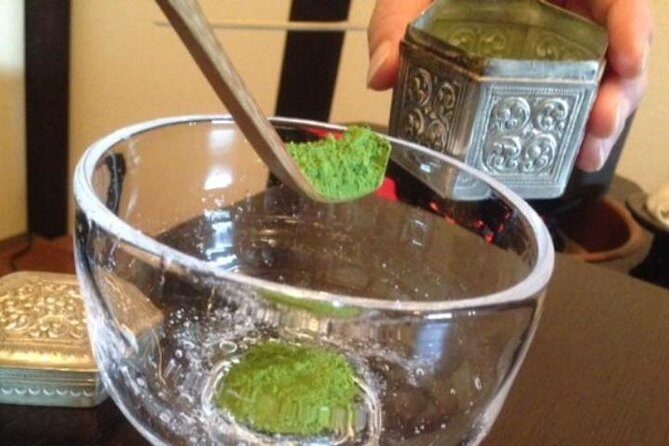
You’ll get Kyoto-grown matcha made available through Randy Sensei’s original selection. That’s important because matcha quality affects the whole experience. Better matcha makes the lesson easier to taste—especially when you’re learning how to notice texture, aroma, and bitterness.
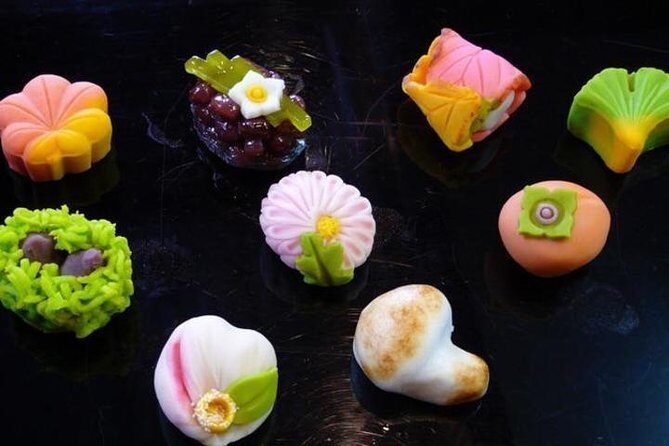
On the sweets side, you’ll sample traditional sweets from Kyoto’s famous makers. In a formal tea setting, sweets aren’t an afterthought. They’re timed to complement the tea. You’ll likely notice that the sweet flavors soften and shape how the matcha tastes afterward, which makes the pairing feel intentional rather than random.
This is also a fun win for your senses. Even if you’re not a matcha devotee, the combination of tea and sweets gives you a reason to pay attention beyond the technique.





Making your own bowl of matcha: the hands-on takeaway
This is one of the most practical parts of the experience. You’ll make your own bowl of matcha, and that’s where the ceremony stops being abstract.
Hands-on participation matters because matcha is not complicated, but it is easy to do wrong if you’re guessing. You’ll learn how to prepare it in the way the ceremony expects—so you understand the method and why the method matters.
It also helps you remember the etiquette. When you’re doing the steps yourself, you’re more likely to remember what comes next and how you’re supposed to behave. That’s the difference between taking a photo and taking a skill.
When you finish, you’ll have a clearer idea of what to look for next time you order matcha. You’ll know that it’s not just about taste. It’s about preparation, timing, and attention to process.
Price and value: does $56.34 feel fair for Kyoto?
At $56.34 per person for about 90 minutes, this is not a bargain-basement activity. But it also isn’t overpriced for what you’re getting.
Here’s why it can feel like solid value:
- You have a recognized tea master leading the ceremony in a formal ryurei style
- You get more than observation: you’ll actively make matcha
- You receive matcha plus traditional Kyoto sweets (not just tea tasting)
- You get structured instruction on etiquette, which is what transforms the experience from scenic to educational
- A small group cap of 25 travelers supports a more guided feel
If your priority is a quick photo-op or a general introduction to tea without practice, you might prefer something cheaper. But if you want the method, the manners, and the chance to do it yourself, this price lines up with what you’re buying: time, teaching, and ingredients.
One extra value note: the session includes a group photo, which is a small detail, but it saves you the hassle of trying to coordinate shots while everyone is following etiquette.
Location and timing: how to fit this into your Kyoto day
The meeting point is in Nakagyo Ward, near public transportation, and the activity ends back where it starts. That loop is handy in Kyoto, where transit time can otherwise eat your day.
Because the duration is about 1.5 hours, you can slot this between other activities without stress. Think of it like a “reset” moment. When Kyoto sightseeing can start to feel like sprinting, a structured sit-down ritual gives your brain a breather.
If you’re planning a day with temples and markets, put this earlier rather than later. You’ll enjoy the etiquette lesson more when you’re fresh.
Who should book this tea ceremony (and who might skip it)
This experience is a great fit if:
- You want a formal tea education with real etiquette details, not just a drink
- You’re interested in learning how matcha is made and served
- You like structured cultural activities where you get guided practice
- You’re traveling in a group and appreciate small-group instruction (max 25)
You might reconsider if:
- You strongly want the classic TV-style tatami and low-table setup (this experience uses different seating)
- You’re expecting a large, airy venue rather than a compact townhouse setting
- You’re looking for something fully independent and unguided
Also, if you enjoy learning from experts outside the usual Japanese-only pathways, the fact that Randy Sensei is presented as a top-ranked master from outside Japan is a unique angle.
Should you book this traditional tea ceremony in Kyoto?
My take: book it if you’re aiming for depth. This is one of those Kyoto activities where you leave with something usable—how matcha is made, how etiquette works, and what formality means in Japanese hospitality.
It’s especially worth it if you want the teaching to land. The session is structured, the matcha and sweets are part of the lesson, and the chance to make your own bowl gives the experience a real payoff.
Just adjust your expectations on two points before you go: you won’t be on tatami mats, and the venue may feel small. If that sounds fine, you’ll likely love the calm, precise feel of a formal ryurei ceremony.
FAQ
How long is the traditional tea ceremony?
It runs for about 1 hour 30 minutes (approx.).
What is included in the price?
The experience includes a tea ceremony with a tea master, Randy Sensei’s Kyoto-grown matcha, traditional sweets from Kyoto’s famous sweet makers, making your own bowl of matcha, and a group photo.
Is transportation provided?
No. Transportation is not included.
Do I get a kimono?
No. Kimono is not included.
Who leads the ceremony?
The ceremony is led by Randy Channell Soei.
Will I sit on tatami mats or at low tables?
No. You are kindly noted that you are not seated on tatami mats or low tables.
How big is the group?
The activity has a maximum of 25 travelers.
How will I receive my ticket?
It’s listed as a mobile ticket.
When will I get confirmation after booking?
Confirmation is received within 48 hours of booking, subject to availability.
Is free cancellation available?
Yes. You can cancel up to 24 hours in advance for a full refund. Cancellation within 24 hours of the start time is not refunded.