REVIEW · KYOTO
Private Highlights of Kyoto Tour
Book on Viator →Operated by WaRaiDo Guide Networks · Bookable on Viator
Kyoto can feel like a puzzle with a thousand temples. This private highlights day is built to help you solve it fast, with a guide who steers you through the big icons and the small moments in between. You’ll start near Kyoto Station, ride local transit together, and end in Gion with a solid sense of where everything fits.
I especially like the private-guide feel for a tour that still moves efficiently. And I really appreciate the two route choices, so you can tailor your day toward Arashiyama and food streets or toward Inari and the historic east-slope views.
One possible drawback: it’s a full 7 hours with lots of walking, and lunch plus food are on you—so budget extra time and energy, especially if the weather turns.
In This Review
- Key things I’d circle before you book
- Entering The Kyoto Station Starting Line
- How the 7-Hour Day Actually Feels (Time, Walking, and Transit)
- Northbound Route: Arashiyama, Ryoan-ji, Golden Pavilion, and Nishiki
- Southbound Route: Fushimi Inari, Sake Culture, Kiyomizu, and Gion
- The Stops That Make This Tour Worth It (What to Actually Pay Attention To)
- Why the Guide Changes Everything (And the Names You Might Hear)
- Price and Value: Is $151.20 a Smart Trade-Off?
- Where You’ll End Up: Gion with a Head Full of Context
- Should You Book This Kyoto Highlights Private Tour?
- FAQ
- What time does the tour start, and where do we meet?
- How long is the Kyoto highlights tour?
- Are there different route options?
- Is a bus pass included?
- What’s included in the tour besides the guide?
- Are tickets and temple admissions included?
- What’s not included?
- Is there a cancellation option if plans change?
Key things I’d circle before you book
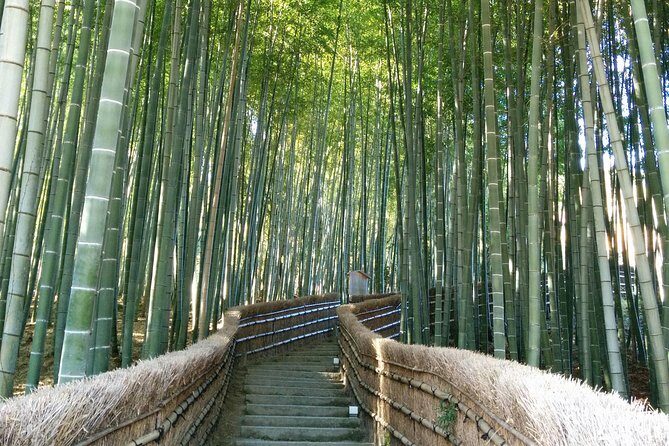
- Two route styles: northbound leans Arashiyama, Ryoan-ji, Golden Pavilion, and Nishiki; southbound leans Fushimi Inari, sake culture, and classic temple-and-street Kyoto.
- Guide-led pacing: you spend about 30–50 minutes at each major stop, so you see the highlights without feeling rushed.
- Real admission coverage: many key sites include tickets, plus you get a one-day city bus pass you can keep using after the tour.
- Kyoto Station start: the meeting point near Hotel Granvia Kyoto makes it easier if you’re arriving by train.
- Gion finish: you end in the place most first-timers want to understand, and you can keep exploring afterward.
- Guide names that show up in praise: people like Mia/Mie, Chako-san, and Mai are repeatedly called out for strong English and clear explanations.
Entering The Kyoto Station Starting Line
Your day kicks off at Hotel Granvia Kyoto near JR Kyoto Station, at the JR Kyoto Station Central Entrance, with a 9:00 am start. That matters more than it sounds. Kyoto can be tricky for first-timers, and starting at the rail hub helps you avoid the stress of figuring out the meeting point.
The tour is designed around local transit, not private cars. You’ll use public transportation with your guide, plus you receive a one-day city bus pass that you can keep using continuously after the tour. In practice, that gives you flexibility after you hit your final stop in Gion.
This is also a small group setup. The maximum is 8 travelers, and you’re paired with a professional English-speaking guide. Even if you’re not alone, the guide focus is the point: questions get answered, directions get explained, and the pace is adjusted rather than treated like a conveyor belt.
You can also read our reviews of more private tours in Kyoto
How the 7-Hour Day Actually Feels (Time, Walking, and Transit)
A 7-hour tour sounds compact until you picture Kyoto’s hills and temple steps. This plan is tight but manageable, with most major stops around 50 minutes, plus shorter temple/garden moments around 30 minutes. It’s not a sit-and-watch kind of day.
You’ll also want to think about footwear. You’ll walk historic paths, climb to viewpoints, and spend time in temple complexes where moving slowly is part of the experience. One review highlight from the guide style side is that pacing is handled well, even with rain, which suggests the route is built to keep you moving without turning the day into a sprint.
The guide also matters for the transit part. Kyoto’s bus and train web can feel confusing if you’re brand new, but the tour covers transport together so you don’t waste time hopping between stations or guessing which bus is fastest.
Finally, plan your lunch expectations. Lunch and food are not included. That’s normal for Kyoto day tours, but it affects value and energy. If you go in knowing lunch is your call, you’ll enjoy the day more instead of feeling like something is missing.
Northbound Route: Arashiyama, Ryoan-ji, Golden Pavilion, and Nishiki
If you’re drawn to bamboo, gardens, and that classic postcard Kyoto vibe, the northbound route is the one most people picture first. It starts with Arashiyama Park, famous for the temples in the area and the bamboo groves that feel almost unreal when you’re standing inside them.
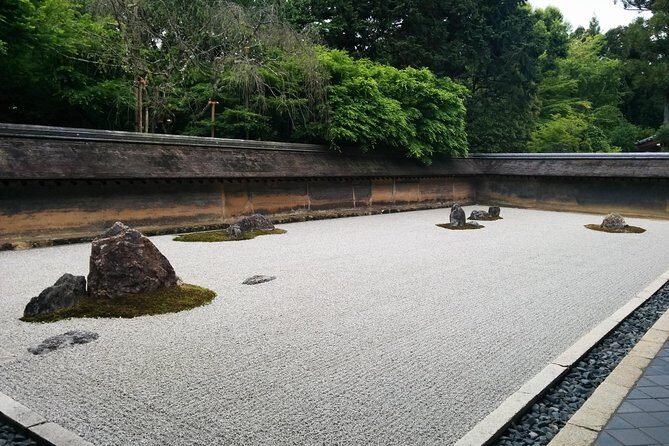
From there, you’ll move toward Ryoan-ji, Kyoto’s best-known Zen rock garden. The key detail is simple: you’re looking at a composition of 15 stones. The longer you stare, the more you notice how the garden is meant to be understood from different viewpoints, not just from one angle.
Next comes more of what people come to Arashiyama for. You’ll have time walking through Bamboo Forest Street and near the Togetsukyo bridge, the big wooden bridge near the bamboo area. Even if the crowds are thick, a guide-led route helps you keep your bearings so you don’t lose time zigzagging.
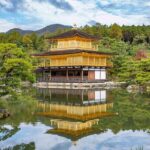
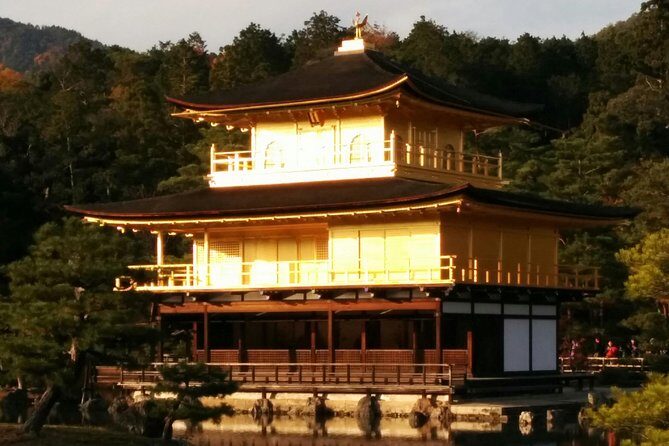
After a lunch break (own expense), the day shifts to the big icon: Kinkakuji (Golden Pavilion). This is the 3-story pagoda covered in gold leaf set beside a lake and surrounded by forest. Even if you’ve seen photos, the scale hits differently in person. A guide helps you notice what you’re looking at—how the structure sits in the landscape and why it became one of Kyoto’s signature images.
From there, northbound travelers choose between Nishiki Food Market and Nijo Castle on the day’s flow. Nishiki is the culinary street many people dream about in Kyoto—an easy way to connect temple Kyoto with the everyday food culture around you. If you choose Nijo Castle, the highlight is touring parts of the original shogun living quarters, including walls decorated with gold-leaf and elaborate sketches.
Southbound Route: Fushimi Inari, Sake Culture, Kiyomizu, and Gion
If your Kyoto priorities lean toward shrines, red gates, and scenic hillside streets, choose the southbound course. It begins with Gekkeikan Sake Brewery time, where you can learn about Japan’s iconic rice wine. For food-and-culture travelers, this break is a smart palate reset before temple crowds.
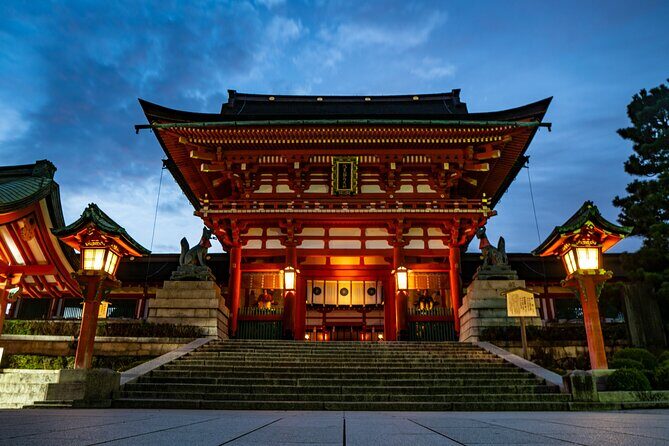
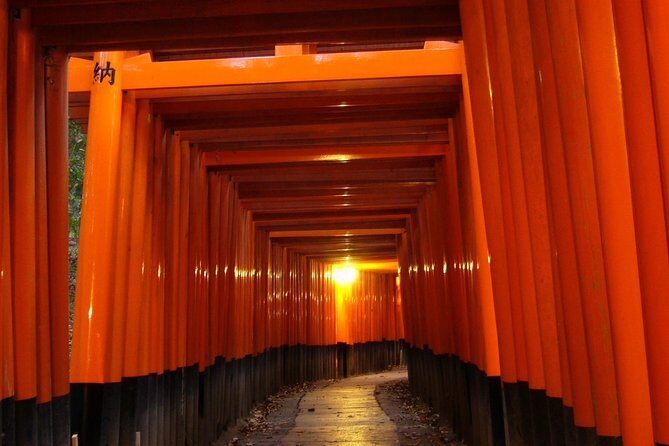
Then you hit Fushimi Inari-taisha Shrine, one of the most visited Shinto sites in Japan. The headline here is the scale of the route up the mountain: thousands of red torii gates covering long stretches of path. You’ll also see stone foxes and smaller shrines along the way, which gives you the full visual language of the place.
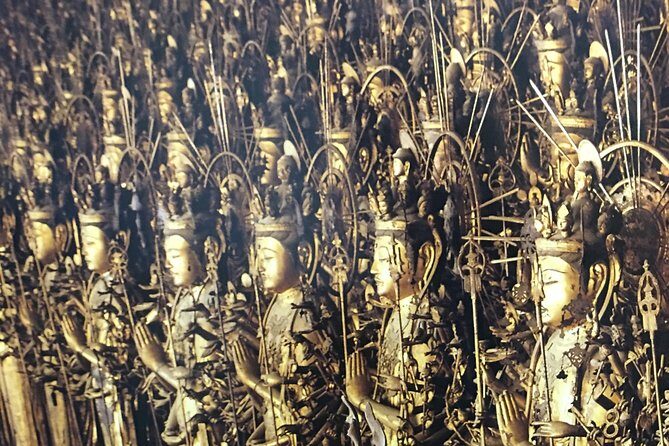
After the shrine portion, the plan continues with Sanjusangendo Temple, known for the shock-and-awe of 1001 kannon statues. The architecture and repetition make this feel different from the golden-and-green temples. It’s more about the sense of devotion and the physical weight of so many figures in one hall.
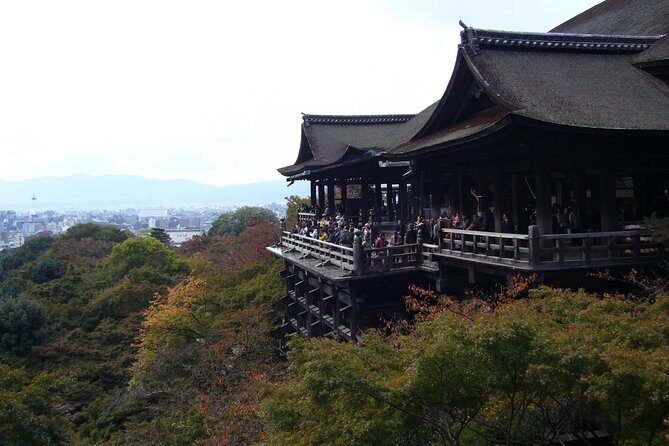
Next is Kiyomizu-dera, a hilltop landmark dating back to the 8th century. The famous viewpoint from the balcony area gives you the postcard angle people travel for. The climb up the historic streets is part of the experience too: you’ll walk along the Ninenzaka and Sannenzaka slopes, known for strong views and the preserved old-street feel.
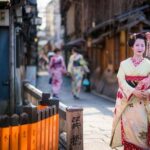
Finally, the tour closes in Gion. Even if you’re not chasing geisha sightings, Gion is where the evening mood in Kyoto makes sense. Your guide can point you toward what to look for as you keep exploring on your own.
The Stops That Make This Tour Worth It (What to Actually Pay Attention To)
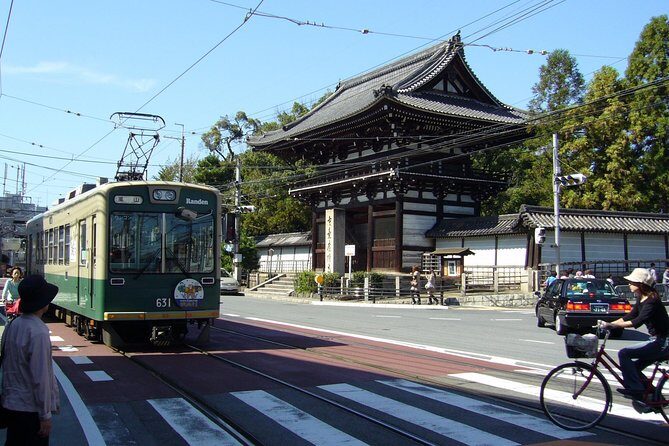
This day is built around major icons, but the value comes from understanding what you’re seeing, not just ticking boxes. Here are the standout sights and what makes each one click.
Kinkakuji (Golden Pavilion)
Look for how the pavilion’s gold surface catches light and reflects in water when conditions are right. With a guide, you’ll get more than a basic description—you’ll also learn what the site symbolizes and how it became Kyoto’s must-see landmark.
Kiyomizu-dera
Pay attention to the viewpoint logic. The whole layout makes sense once you understand why people gather at the balcony area and how the surrounding streets frame the scene. The guided context helps you enjoy it even if you’ve already seen similar photos.
Nijo Castle
The highlight isn’t just the castle walls. It’s the feeling of stepping into Tokugawa shogunate-era living quarters, including decorative details such as gold-leaf elements and intricate sketches. If you care about architecture and power history, this stop adds real depth to the day’s temple-heavy flow.
Sanjusangendo
The scale of 1001 kannon statues can overwhelm your brain. A guide’s explanation helps you focus your attention so you don’t just wander and hope it clicks. Even if you spend the full time there, you’ll come away with a clearer idea of what you were looking at.
Ryoan-ji
If you’ve ever wondered why people sit and stare at rock gardens, this is why. The 15 stones aren’t “random.” A guide helps you look from the right angles and understand how viewpoint changes what you perceive.
Fushimi Inari-taisha
Don’t rush up the torii route. The experience is the long, repeating corridor of gates and side shrines. With a guide, you’ll know where to pause and what details matter, including stone fox elements that connect you to the shrine’s visual language.






Why the Guide Changes Everything (And the Names You Might Hear)
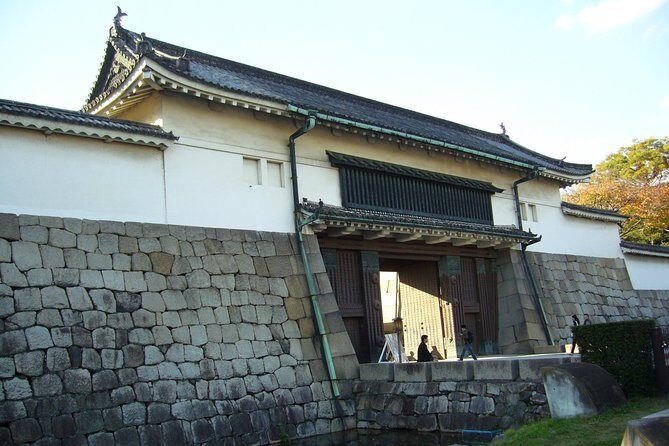
This kind of tour lives or dies by the guide. The strongest praise across the experience is about English clarity, organization, and history that feels practical rather than like a lecture.
People have talked about guides such as Mia/Mie, Chako-san, Choc, Mai, and Hiseko for traits like good pacing, humor, and answering questions in a way that made the sites easier to understand. One big theme: guides share facts you might not find quickly on your own, including how symbols and decorative details connect to the meaning of places.
Another theme is flexibility. Kyoto crowds and weather can change fast, and the best guides adjust without losing the core of the day. Even on a rainy day, the plan still hits the major stops, including the bamboo area and the big temples, which is a good sign if your trip dates aren’t in the perfect season window.
A smart way to use your guide is to ask one question at each stop. For example: What should I look for in the architecture? What’s the most important detail I’d miss without you? With that approach, you’ll leave with a better understanding of Kyoto’s logic, not just photos of the highlights.
Price and Value: Is $151.20 a Smart Trade-Off?
Let’s talk money in real terms. At $151.20 per person, you’re paying for three main things: a private-guide experience, transport support via public transit, and a plan that clusters the top Kyoto icons into one workable day.
What helps the math:
- Many admissions are included for major stops (for example Kinkakuji, Kiyomizu-dera, and others listed in the plan).
- You receive a one-day city bus pass, and you can keep using it after the tour. That can reduce your need for extra transit purchases later.
- You’re not spending time figuring out routing. In Kyoto, that time can be as valuable as the ticket itself.
The cost can feel steep if you’re the type who enjoys building your own schedule and already knows the transit system. But if you’re first-time, short on time, or you want the day to feel structured while still being personal, this format usually makes sense.
Also, you’re paying for the difference between seeing a temple and understanding it. When the guide explains symbolic details—like decoration themes at Nijo Castle or the significance behind the repeated torii path—your visit becomes more than a photo stop.
One caution: lunch isn’t included, and food and drinks are on you. If you choose a casual lunch near a major stop, you can keep costs controlled. If you plan on full-service meals all day, add that into your budget.
Where You’ll End Up: Gion with a Head Full of Context
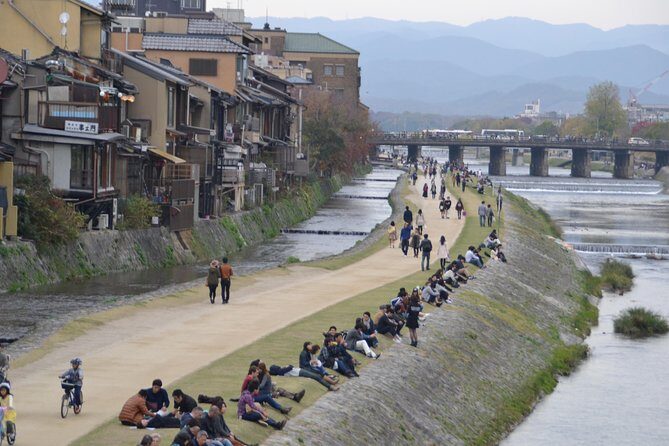
Ending in Gion is a smart finish. It’s the right neighborhood to understand Kyoto’s nighttime identity, and it’s also a convenient base to continue your evening on your own.
You’ll likely finish feeling like you can navigate better. The tour moves across different “types” of Kyoto—Zen gardens, grand temple spaces, shrine paths, and castle interiors—so Gion doesn’t feel random at the end. It becomes part of the same story.
If you want a smooth follow-up plan, keep it simple: grab dinner nearby, stroll without rushing, and use the street layout to map what you saw earlier. With the day’s context, even a casual walk can feel meaningful.
Should You Book This Kyoto Highlights Private Tour?
Book it if: you’re in Kyoto for the first time, you want to see the biggest icons without wasting time on route planning, and you like learning what you’re looking at as you go. It’s also a good choice if you prefer small groups and want a guide who can slow down when you have questions.
Skip it or choose a different format if: you dislike long temple days, you hate walking, or you’re committed to doing Kyoto at your own pace with lots of unscheduled wandering. Since lunch and food are not included, and the schedule is built around major sites, it’s not the best match for ultra-flexible days.
If you’re choosing between northbound and southbound, I’d pick based on your mood: bamboo-and-gardens if you want Arashiyama, or torii gates-and-hillside streets if you want Fushimi Inari and Kiyomizu’s view.
FAQ
What time does the tour start, and where do we meet?
The tour starts at 9:00 am at Hotel Granvia Kyoto, JR Kyoto Station Central Entrance (Kyoto Station area).
How long is the Kyoto highlights tour?
It runs for about 7 hours.
Are there different route options?
Yes. You can choose either a northbound itinerary (Arashiyama Park, Golden Pavilion, Nishiki Food Market, and related stops) or a southeast-bound itinerary (Fushimi Inari Shrine, Kiyomizu-dera, the Gion area, and related stops).
Is a bus pass included?
Yes. A one-day city bus pass is included, and it can be used continuously after the tour.
What’s included in the tour besides the guide?
The tour includes a professional English-speaking guide and public transportation.
Are tickets and temple admissions included?
Admissions are included for many key stops listed in the plan, while some specific stops are marked as free. The tour includes admission tickets for several major attractions.
What’s not included?
Food and drinks are not included, including lunch. Hotel pickup and drop-off are also not included.
Is there a cancellation option if plans change?
Yes. You can cancel for a full refund up to 24 hours before the experience starts. If you cancel less than 24 hours before, the amount is not refunded. The experience also notes weather can affect scheduling, with an offer of a different date or full refund if canceled due to poor weather.