REVIEW · HISTORICAL TOURS
Kyoto: Shakyo & Matcha in Historic Temple Garden
Book on GetYourGuide →Operated by Cornwall Ltd · Bookable on GetYourGuide
Copy sutras, sip matcha, breathe slow in Kyoto. This small-group visit pairs a quiet shakyo session with freshly prepared matcha and seasonal wagashi, all framed by a designed temple garden. I especially like the calm pace and the way the day nudges you toward focus instead of checklists. I also love the garden time right after tea, when everything feels like it’s been tuned to a softer volume.
One thing to plan around: you’ll need to sit quietly for the shakyo portion, and photography can be limited in certain temple areas.
In This Review
- Key highlights that make this tour worth your time
- A 150-minute Kyoto reset in a temple garden
- Meeting at Keihan Station and heading to Sennyu-ji
- The Sennyu-ji stop: photo moments and a guided look at meaning
- Shakyo in practice: 60 to 90 minutes of sutra copying calm
- Matcha and seasonal wagashi with garden serenity
- Price and value: what $35 covers (and why it feels fair)
- Practical tips to make the day smoother
- Who should book, and who should skip
- Should you book this Kyoto Shakyo & Matcha temple garden tour?
- FAQ
- Where do I meet the guide?
- How long is the tour?
- Is this tour in English?
- What is shakyo?
- How long does the shakyo session take?
- What materials do I need to bring for shakyo?
- What’s included besides shakyo?
- Is the matcha and wagashi always the same?
- Is there a skip-the-line option?
- Is the tour suitable for children or wheelchair users?
Key highlights that make this tour worth your time
- A small group capped at 10 keeps the pace gentle and the guide easy to hear
- Shakyo is hands-on with all materials provided, plus a meditative, respectful setting
- Fresh matcha + seasonal wagashi come after your sutra-copying session
- Sennyu-ji temple garden views are part of the experience, not just a background
- A guided explanation of Kyoto’s Buddhist culture adds meaning to what you’re doing
A 150-minute Kyoto reset in a temple garden
Kyoto can be intense: crowds at the wrong hour, lines that eat your afternoon, and “one more stop” syndrome. This experience is built for the opposite mood. In 150 minutes, you’ll shift from sightseeing mode to something quieter and more intentional—inside a historic temple setting recognized as an Important Cultural Property.
You’re not doing this solo. You’ll go with a live English guide, and the group stays small (10 people max). That matters because shakyo isn’t just watching someone else do it. You’ll be copying sutras yourself, and having guidance in the moment makes the whole thing feel steady instead of awkward.
The value angle here is simple: the tour wraps together several things people often pay separately for—temple entry, a guided visit, and the materials + time for shakyo—then finishes with tea and sweets. It’s also timed to avoid feeling rushed. Even if your Kyoto days are packed, this one is designed to give your brain a break.
You can also read our reviews of more historical tours in Kyoto
Meeting at Keihan Station and heading to Sennyu-ji
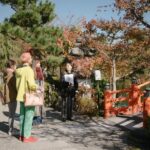
The meeting point is the East Gate of Keihan Station, and you’ll spot your guide by looking for the one with a yellow fluorescent band on their bag. From there, the route includes a walk from Tofukuji Station to Sennyu-ji that’s about 15 minutes on foot, and then the same back again afterward.
That walk isn’t the point, but it’s useful. It gives you a small buffer before you step into the temple grounds and start the calm part of the program. Also, it helps you settle your schedule. You’re not racing across Kyoto with luggage and a camera in your hands.
Do keep practical constraints in mind. This experience doesn’t allow pets, baby strollers, baby carriages, luggage or large bags, or electric wheelchairs. If you’ve been planning with daypacks only, you’re in good shape. If you’ve got heavier baggage, you’ll want to store it before you arrive, so you’re not scrambling at the start.
The Sennyu-ji stop: photo moments and a guided look at meaning
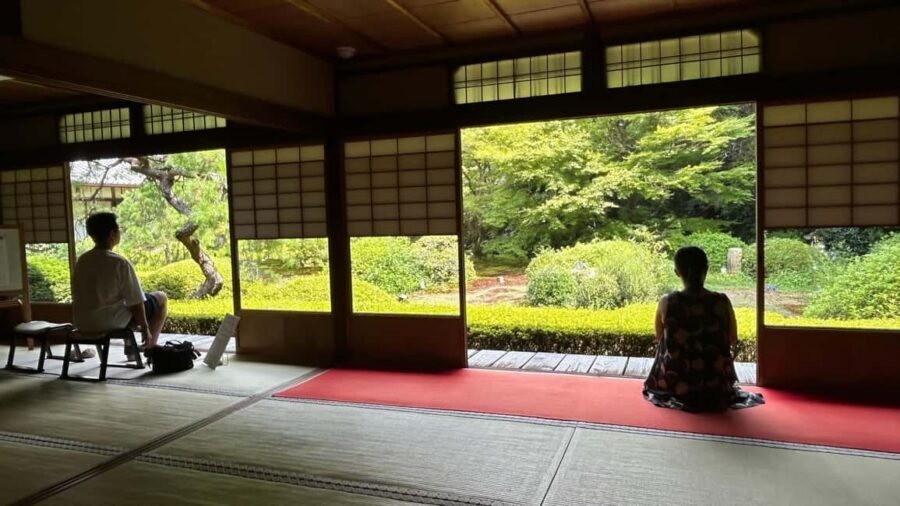
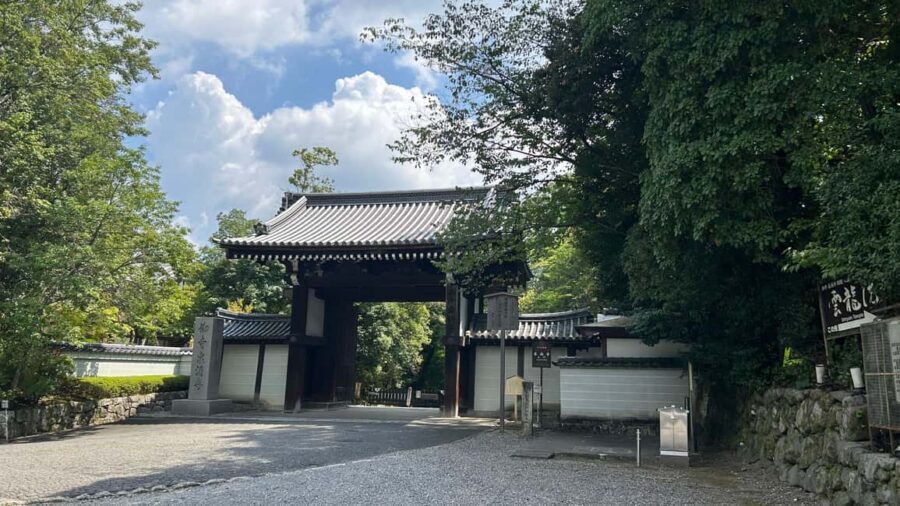
Before shakyo, you’ll spend time at Sennyu-ji. Expect a photo stop plus a guided tour and sightseeing around the grounds. This part is also where you’ll begin picking up the context that makes the rest of the day click.
You’ll learn about the temple’s significance, along with Kyoto’s Buddhist culture and cultural heritage. That might sound like standard “temple lecture” material, but the timing is smarter here. You’re hearing the story right before you copy sutras and before you slow down with matcha. Instead of collecting facts for later, the information helps you interpret what you’re seeing in the garden and why the practice is treated as something sacred.
Photography rules can matter. Photos may be limited inside certain temple areas to preserve the atmosphere. That’s worth respecting. If you want photos, aim for the photo stop time and the areas where you’re clearly allowed to take pictures.
One small drawback: if your idea of Kyoto is nonstop viewpoints and photo ops, this segment may feel more reflective than flashy. But if you’re coming for calm and culture, it sets the tone well.
Shakyo in practice: 60 to 90 minutes of sutra copying calm
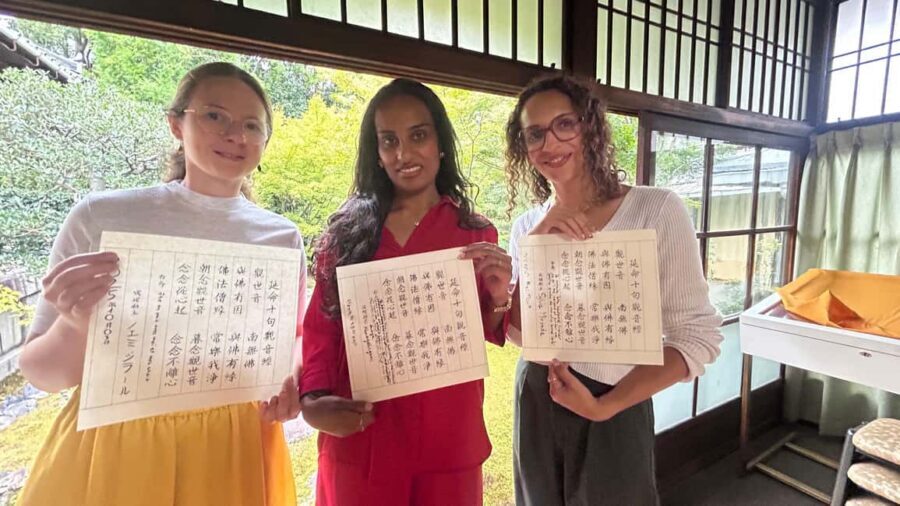
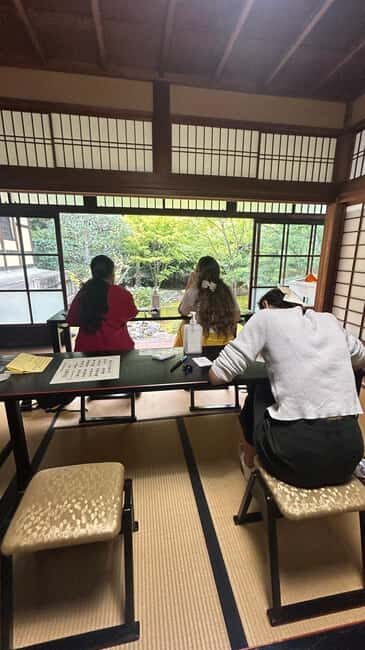
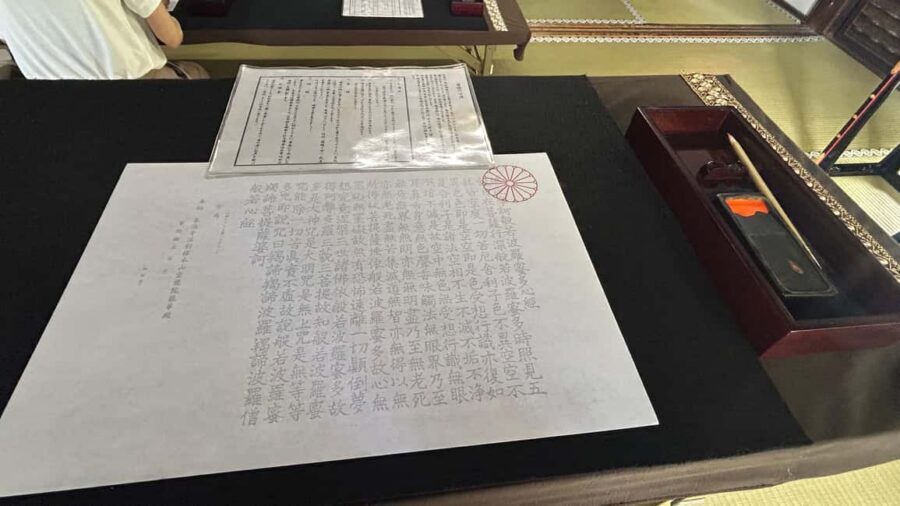
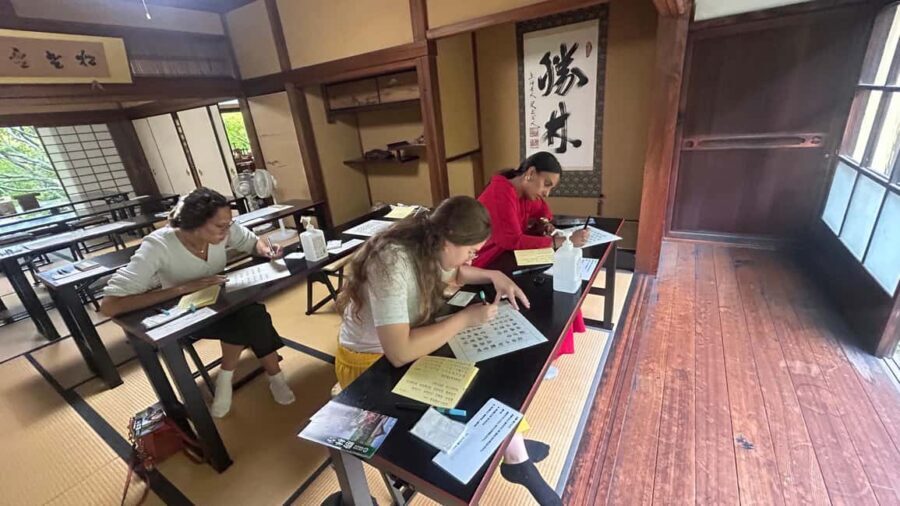
Shakyo is the heart of this experience: a meditative practice of sutra copying. You’ll be in a cozy, quiet space designed for concentration. Expect incense in the air, soft natural sounds like birdsong, and a pace that’s more about steadiness than speed.
The materials are provided. You don’t have to bring brushes, paper, or ink. That’s a big part of why this tour feels accessible. Even if your handwriting is a mess (mine would be, for sure), you’re not expected to “perform” calligraphy. You’re participating in the repetition and attention that the practice asks for.
Time-wise, plan on shakyo taking about 60–90 minutes depending on your writing speed. That range is normal for this kind of activity. If you write slowly, you’ll spend more time in the practice space. If you’re faster, you’ll finish sooner, but you should still expect a calm, mindful flow.
What to wear: comfortable clothing suitable for sitting quietly. This isn’t the time for tight jeans or shoes that kill your feet during long stillness. You want your body to feel neutral so your mind can do the work.
Also, remember the environment is sacred. That means keeping your behavior respectful and your volume low. It’s not about being stiff. It’s about letting the space work for you.
Matcha and seasonal wagashi with garden serenity
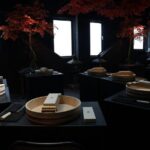
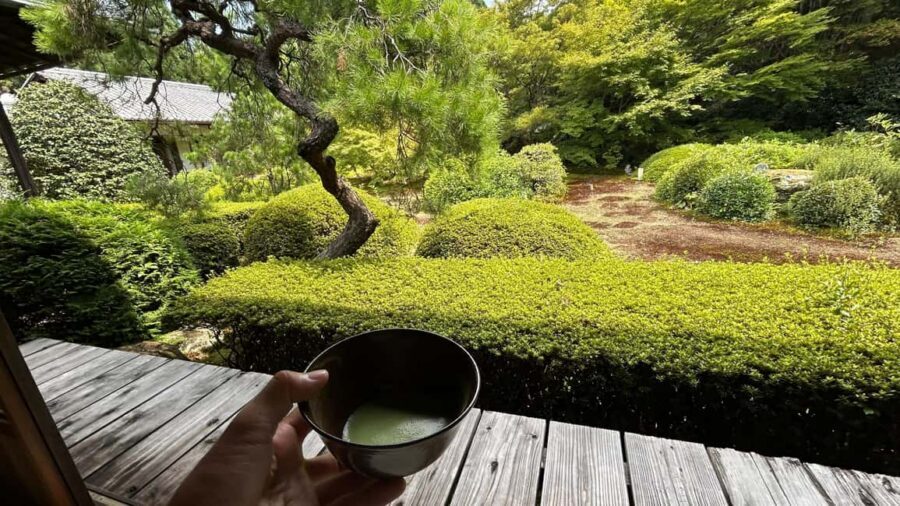
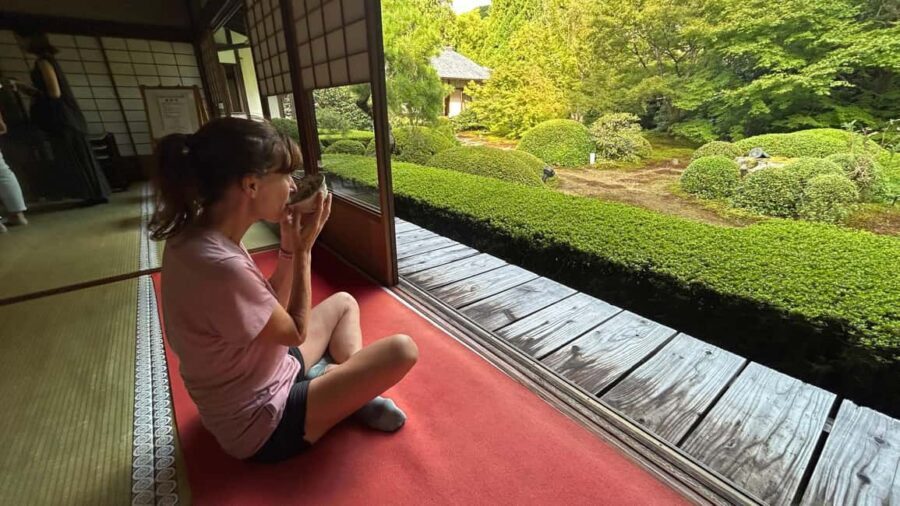
After shakyo, you get a breather: freshly prepared matcha green tea paired with seasonal wagashi (Japanese sweets). This is a practical kind of reward. It’s not just a snack. It’s a deliberate reset after a focused activity, and it helps bring the day back into balance.
The matcha is made for you as part of the experience, and the wagashi is seasonal, meaning the specific sweets can vary by time of year. That seasonal swap is one of those details that keeps this from feeling generic. You’re not ordering the same thing every month.
Then comes one of the best moments: you’ll enjoy tea while gazing out at a beautifully landscaped Japanese garden designed to evoke harmony and serenity. The garden isn’t just something you walk by. It becomes part of the “after” phase—like the tour is saying, slow down again.
If you’re sensitive to sweetness or you’re watching what you eat, don’t panic. You’re getting seasonal wagashi as part of the tea pairing, and it’s sized for the experience—not a giant sugar event.

Price and value: what $35 covers (and why it feels fair)
At $35 per person, this tour is priced like a short cultural workshop plus a guided temple visit. And that’s basically what you’re getting.
Here’s what your money is covering:
- The shakyo session (with brushes, paper, and ink provided)
- Matcha and seasonal wagashi
- Admission fee
- Guided tour and insights into Kyoto’s Buddhist culture and cultural heritage
- A way to reduce waiting with a skip-the-line option via a separate entrance
For value, the key is that it’s not “just tea” or “just copying.” You get a full arc: temple context → hands-on practice → a quiet tasting moment in front of the garden. The small group size (10 max) also supports value. You’re not lost in a crowd, and you’re more likely to get help when you need it.
At this price, you’d usually pay separately for admission + a guided cultural activity, and then still find your own matcha place afterward. Bundling it into one 150-minute plan is where the deal feeling comes from.
Practical tips to make the day smoother
A few things will make this tour go more smoothly with less stress:
- Wear clothing you can sit in comfortably for quiet shakyo time. Your legs and back matter more than your outfit.
- Travel light on purpose. Luggage or large bags aren’t allowed, and baby strollers and baby carriages aren’t allowed either.
- Keep expectations realistic for photos. Limited photography inside some temple areas means you should treat the designated photo stop as your main photo window.
- Expect seasonal variation. Matcha is part of the experience, but the wagashi changes with the season.
- If you want help turning this into a better day, use your guide’s knowledge. One of the best habits after a structured experience is asking for next-stop planning tips while the guide still has you in front of them.
Small mental shift: treat the tour as rest. If you’re coming off a morning of trains and crowds, you’ll get more out of the garden and tea if you let your brain slow down instead of trying to “optimize” every minute.
Who should book, and who should skip
This tour fits best if you want:
- A slower Kyoto moment with a calm, reflective focus
- A hands-on cultural practice like shakyo, not just a photo stop
- A break between louder sightseeing days
- A guided explanation of how the temple connects to Kyoto’s Buddhist culture and heritage
It’s not for everyone. It’s not suitable for children under 10, people with mobility impairments, or wheelchair users. The practice itself also requires sitting quietly, so if you can’t comfortably do that for the session, you’ll feel it.
Also, if you want a full-day whirlwind of major landmarks, this is only 150 minutes. It’s meant to be a focused experience, not a marathon.
Should you book this Kyoto Shakyo & Matcha temple garden tour?
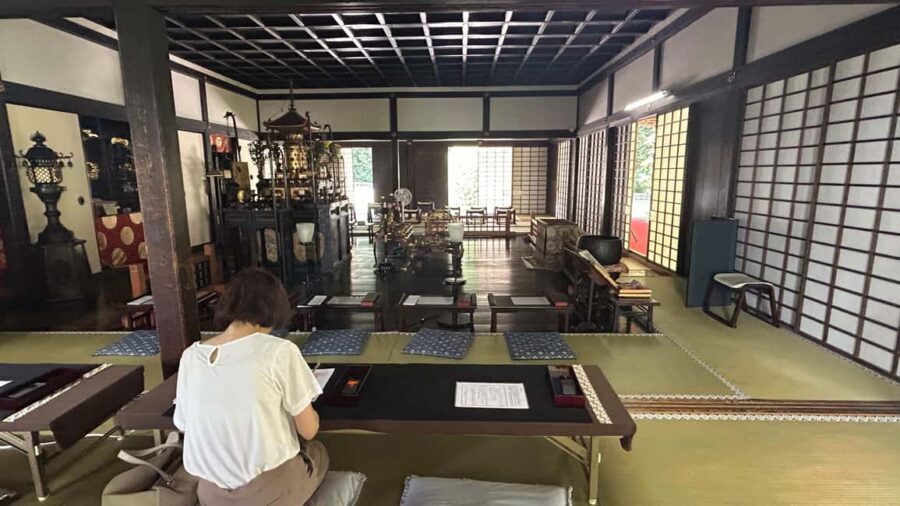
If your Kyoto trip has you craving calm, skill-building, and a real pause, I think you’ll like this. The shakyo portion is the kind of activity that makes you slow down in a natural way, and the matcha + wagashi stop gives you a gentle landing afterward. Add in the garden views and the guided cultural context, and it becomes more than a cute “activity”—it’s a reset button.
Skip it if you can’t do quiet sitting, need wheelchair accessibility, are traveling with items the tour doesn’t allow (like luggage or strollers), or you’re chasing nonstop sights. In those cases, you may feel trapped by the pace.
If you’re in the sweet spot—comfortable with a seated practice and ready to soften your itinerary—this is a very solid choice for one thoughtful block of Kyoto time.
FAQ
Where do I meet the guide?
Meet at the East Gate of Keihan Station. Look for the guide with a yellow fluorescent band on their bag.
How long is the tour?
The duration is 150 minutes.
Is this tour in English?
Yes. You’ll have a live tour guide in English.
What is shakyo?
Shakyo is a meditative practice of copying sutras.
How long does the shakyo session take?
The shakyo session usually takes about 60–90 minutes, depending on your writing speed.
What materials do I need to bring for shakyo?
All materials are provided, including brushes and paper (and ink).
What’s included besides shakyo?
You’ll also get matcha green tea, seasonal wagashi, admission, and a guided tour with insights into Kyoto’s cultural heritage.
Is the matcha and wagashi always the same?
Matcha is included, and the wagashi is seasonal, so offerings may vary by time of year.
Is there a skip-the-line option?
Yes. You’ll use a separate entrance to skip the line.
Is the tour suitable for children or wheelchair users?
No. It isn’t suitable for children under 10, people with mobility impairments, or wheelchair users. Pets, baby strollers, luggage or large bags, baby carriages, and electric wheelchairs are also not allowed.