REVIEW · ARASHIYAMA TOURS
Kyoto: Essential Tour with Fushimi Inari & Bamboo Grove
Book on GetYourGuide →Bookable on GetYourGuide
Red gates and bamboo hush Kyoto. This private tour pairs Fushimi Inari Taisha with Arashiyama Bamboo Grove, and the best part is how a real local guide turns the walking into a story you can follow. You get context for the shrine route, including the fox statues, before you head to Arashiyama’s quieter, softer side.
I especially like two things: the private guided pacing at both sites (so you’re not stuck guessing what to do next), and the chance to tailor the day to what you care about most. One consideration: the tour isn’t suitable for wheelchair users, so plan on stairs and uneven temple paths.
In This Review
- Key things that make this Kyoto tour worth your time
- Fushimi Inari Taisha: torii tunnels and fox statues you’ll actually understand
- Arashiyama Bamboo Grove: quiet walking, light through bamboo, and the area’s story
- How the 210-minute plan keeps Kyoto from wearing you out
- Price and what you’re paying for at $135 per person
- Your guide experience: private group, two languages, and one standout name
- What to bring and how to get better out of every minute
- Who this Kyoto essentials tour is best for (and who should skip it)
- Should you book Kyoto: Essential Tour with Fushimi Inari & Bamboo Grove?
- FAQ
- How long is the Kyoto Essential Tour with Fushimi Inari and the Bamboo Grove?
- Is this tour private?
- Where does hotel pickup and drop-off happen?
- What stops are included?
- What language is the guide speaking?
- Are meals included?
- Is the tour wheelchair accessible?
Key things that make this Kyoto tour worth your time
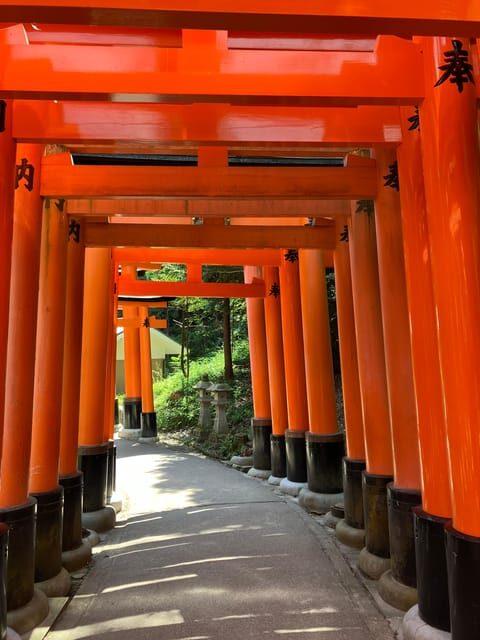
- Fushimi Inari’s torii route explained: you’ll learn why people treat this as a serious Shinto pilgrimage, not just a photo stop
- Fox statues with meaning: your guide helps you understand what you’re looking at around the complex
- Arashiyama Bamboo Grove with guidance: you get help finding the calm spots and the best walking rhythm
- Arashiyama context beyond the bamboo: the guide shares why this district mattered to Kyoto’s aristocracy
- Hotel pickup and drop-off: you skip the “how do I get there” headache in a city where directions can be tricky
Fushimi Inari Taisha: torii tunnels and fox statues you’ll actually understand
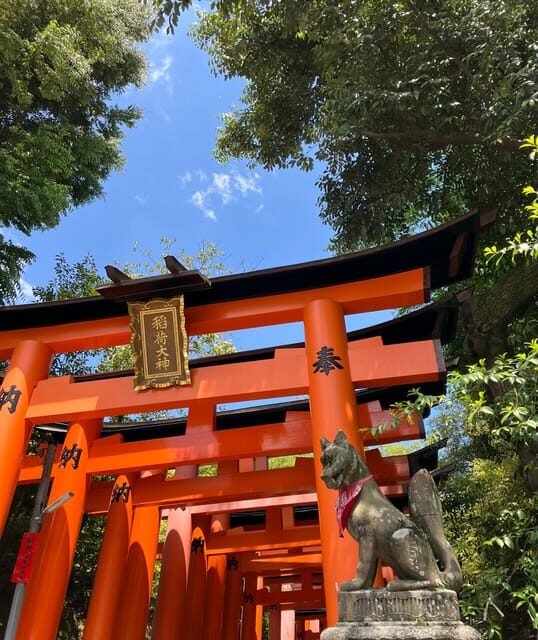
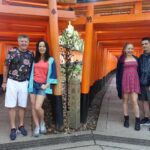
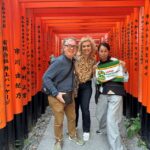
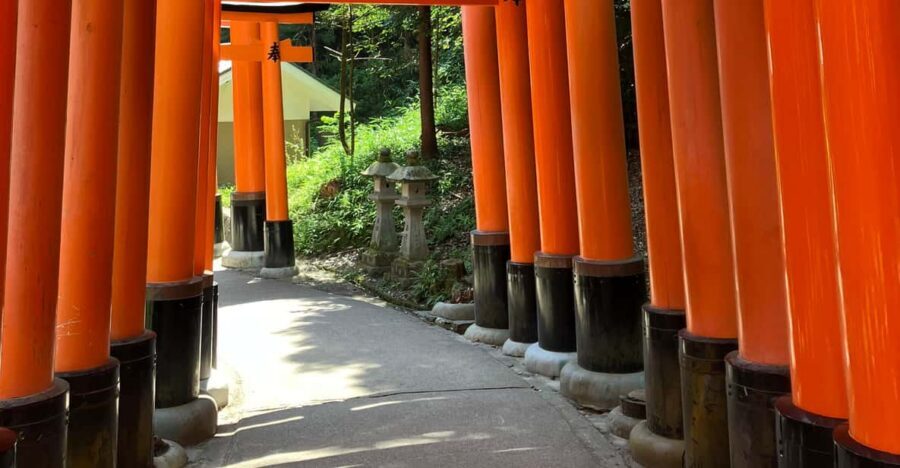
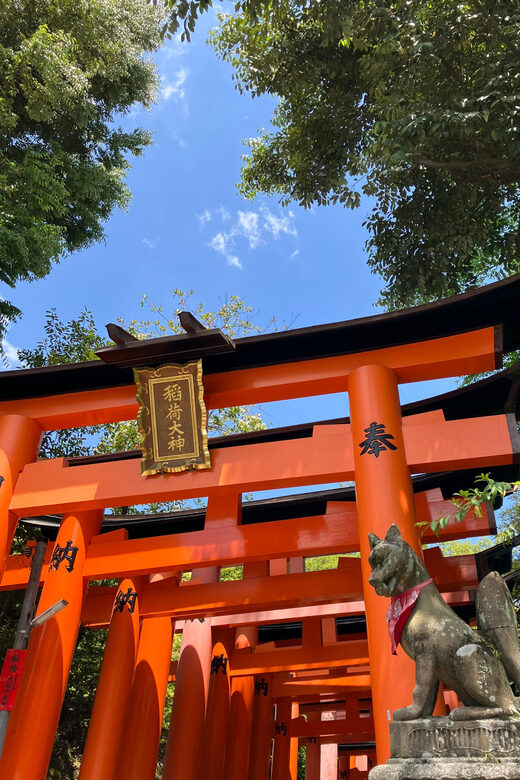
Fushimi Inari Taisha is Kyoto’s most famous shrine for a reason. The site is dedicated to the god of rice and business prosperity, and it’s known worldwide for the thousands of red torii gates that climb up Mount Inari like a tunnel. Yes, you’ll see it, and yes, it’s photogenic—but what really changes the experience is having a guide explain what you’re looking at while you walk.
On this tour, you get about an hour guided at Fushimi Inari. That timing matters because the shrine is easy to rush. Without context, you can spend 10 minutes posing and still miss the flow of the complex. With a guide, you move through the route with a better sense of what’s important and why. You’ll also hear about the spiritual role of the fox statues scattered around the grounds. Even if you’re not sure what you’re looking at at first, your guide helps the symbols click—so the place feels less like “random decorations” and more like a living tradition.
And there’s a practical payoff, too: a guided visit helps you keep your bearings as the paths multiply. Inari is not one straight line. It’s more like a network that opens up as you go. So having someone steer you along a good walking rhythm can mean you spend your energy on the shrine’s atmosphere rather than on map-pin stress.
What to watch for
- The gates don’t feel the same at the bottom versus higher up. If you pace well, you notice the shift.
- The fox statues are part of the story. Your guide points out where they appear and what they represent in the shrine’s culture.
You can also read our reviews of more tours and experiences in Kyoto.

Arashiyama Bamboo Grove: quiet walking, light through bamboo, and the area’s story
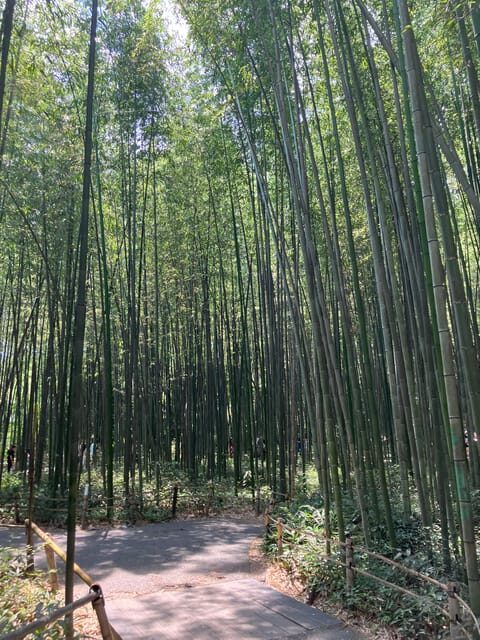
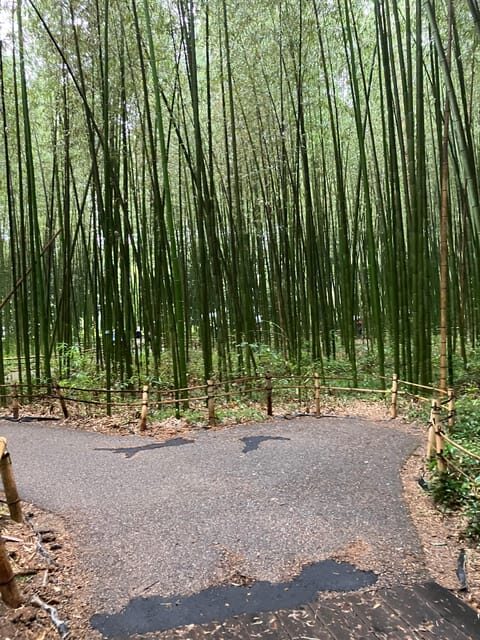
Next comes Arashiyama, and specifically the Bamboo Grove area. This is where the day changes tempo. At Fushimi Inari, you’re moving through a shrine pilgrimage. In Arashiyama Bamboo Grove, the air feels different—serene, still, and focused on nature. Towering bamboo stalks rise around you and create that classic ceiling effect where the natural light filters down.
Your guided stop here is about an hour, and that’s enough time to enjoy the grove without feeling like you’re trapped in a traffic jam of people. The tour is designed so you’re not just stepping into the photo spot and sprinting out. Instead, your guide leads you through the paths and you can slow down to notice the soft rustle of leaves and the light patterns. For photography, that calm matters. You get more chances to step into the right angle before the crowd compresses.
Also, Arashiyama isn’t only about bamboo. Your guide shares the district’s significance, including how Arashiyama served as a retreat for Kyoto’s aristocracy in earlier times. That historical context changes how you see the area. The bamboo grove starts to feel like a place people came to for quiet and distance from everyday life, not just a viral backdrop.
What you’ll get beyond the bamboo
The tour includes time to explore more of the surrounding Arashiyama area, not just the narrow corridor everyone rushes through. That matters because Arashiyama is a district. If you only see one angle, you miss the “where you are” feeling.
How the 210-minute plan keeps Kyoto from wearing you out
This tour runs 210 minutes, which is long enough to feel complete but not so long that it turns into a full-day endurance event. That balance is the whole point of “essential” sightseeing.
The day is built around two stops with train rides between them. Your schedule looks like this:
- Pickup options include Kyoto or Osaka
- You reach Fushimi Inari Taisha and spend about one hour guided
- Then you take about a 30-minute train segment toward Arashiyama
- You spend about one hour guided at the Bamboo Grove area
- Then you head back for drop-off in Kyoto or Osaka
Why this rhythm works: you get structured time at the two headline landmarks, and the travel segments prevent you from losing hours to planning. Kyoto can be compact, but getting from one iconic area to another still takes coordination. This tour handles the “when” and the “where” so you can focus on walking and taking in what’s around you.
One more timing note: you have some flexibility. The experience is described as having a flexible itinerary that can be tailored to your preferences, and the guide can do their best to adjust start time and requests. Same-day changes might be harder, so if you have a must-see priority (extra time at one stop, a particular photo objective), contact in advance when possible.
Practical tip
Wear shoes you’re comfortable walking in for longer than you expect. Temple paths and shrine steps add up fast, even on a “short” guided itinerary. Bring water too—your body will thank you, especially if the weather is warm.
Price and what you’re paying for at $135 per person
At $135 per person, you’re not buying a self-guided ticket. You’re paying for three main things:
- A private guide for both sites (the big value here)
- Hotel pickup and drop-off in Kyoto
- Cultural and Shinto context woven into the walk, not delivered as a generic lecture
So the value isn’t only “you see two places.” It’s that you understand what you’re seeing while you’re there. Fushimi Inari is a shrine complex with meaning in its symbols. Arashiyama bamboo is famous, but the area’s significance is what makes it more than just a picture.
What’s not included is also important for budgeting:
- Meals aren’t included
- Transportation costs aren’t included
That means you’ll likely still plan for your own lunch or snacks, and you may pay the train fare separately even though the day includes train segments between stops. If you prefer to arrive with a packed plan and minimize extra spending on top, budget for food and transit before you book.
Where the price makes extra sense: if you like having someone explain things, and you want a smoother day than DIY. Where it might feel less ideal: if you only care about quick photos and are totally fine wandering without context, you could go it alone for less. But if you want your visit to feel thoughtful and organized, $135 is easier to justify.
Your guide experience: private group, two languages, and one standout name
This tour runs as a private group, with a live guide in English or Japanese. A private setup matters in Kyoto because you’re not stuck in a one-size-fits-all pace. You can ask questions, slow down for a stop, or move faster if your interests are straightforward.
The guide quality shows up in the reviews, too. One verified guest praised Masa for being friendly and helpful, and for keeping the visitor’s interests front and center. That’s exactly what you want from a guide on an essentials tour: not just facts, but a sense of pacing and attention.
Here’s what you should expect the guide to do well, based on what’s included:
- Share insight into Japanese culture, history, and Shinto traditions
- Explain the shrine’s significance as you walk the grounds
- Lead you through the Bamboo Grove paths with commentary and local context
- Offer personalized recommendations as you go (within the plan for the two major stops)
Also, since this is private, you’re less likely to feel rushed at “must-see” points. You’ll still have a schedule, but you should feel in control of your time inside that structure.
Small things that make a big difference
Bring a camera if you want. You’ll have plenty of opportunities—especially in the bamboo grove where light changes by the minute. Sunscreen and water are listed too, and that’s a smart reminder. Kyoto weather can be sunny even when you’re not expecting it.
What to bring and how to get better out of every minute
This tour is simple, but you’ll enjoy it more if you come prepared. Here’s what to have ready:
- Comfortable shoes (you’ll be walking on shrine and grove paths)
- Camera (Fushimi Inari gates and bamboo light are both photo-friendly)
- Sunscreen and water (daytime comfort matters)
- Keep the basics easy so you can focus on the walking and your guide’s explanations
One rule to remember: no smoking. It’s a minor thing, but it’s good to know up front.
If you’re sensitive to crowds, keep expectations realistic. These are iconic Kyoto sites. The private format helps you manage your time, but you’ll still be in popular areas.
Who this Kyoto essentials tour is best for (and who should skip it)
This tour fits best if you:
- Are seeing Kyoto for the first time and want the two headline experiences without building an itinerary from scratch
- Prefer a guided visit where someone explains what you’re seeing (especially at Fushimi Inari)
- Want a calmer nature stop after a spiritual shrine visit
- Like flexibility within a structured schedule—so you can adjust to what interests you most
It’s less ideal if you:
- Need wheelchair accessibility (the tour isn’t suitable for wheelchair users)
- Want meals included (you’ll plan your own food)
- Expect all transportation to be handled inside the tour cost (transportation costs aren’t included)
If you fall into the middle—interested in both spirituality and atmosphere, but not trying to do everything in one day—this is a strong match.
Should you book Kyoto: Essential Tour with Fushimi Inari & Bamboo Grove?
I’d book it if you want a tidy, organized way to see Kyoto’s most recognizable icons with a guide who helps the experience feel meaningful. The private guided time at Fushimi Inari and Arashiyama is the core value, and the hotel pickup/drop-off in Kyoto lowers the stress that can steal energy from sightseeing.
I’d think twice if your goal is mostly quick snapshots and you don’t care about context, or if you’re counting on meals and transportation being included in that $135. Also, if mobility is an issue, the wheelchair note is a deal-breaker.
But for most visitors who want an efficient, thoughtful Kyoto day—this tour hits the sweet spot.
FAQ
How long is the Kyoto Essential Tour with Fushimi Inari and the Bamboo Grove?
The tour duration is 210 minutes.
Is this tour private?
Yes. It’s a private group tour with a live guide.
Where does hotel pickup and drop-off happen?
Hotel pickup and drop-off are included in Kyoto. Pickup/drop-off options also list Kyoto and Osaka.
What stops are included?
The tour includes Fushimi Inari Taisha and the Arashiyama Bamboo Grove, with time to explore the surrounding Arashiyama area.
What language is the guide speaking?
The live tour guide is available in English and Japanese.
Are meals included?
No. Meals are not included.
Is the tour wheelchair accessible?
No. It is not suitable for wheelchair users.
If you tell me your travel dates and whether you’re starting from Kyoto or Osaka, I can help you map out what to prioritize during the two guided hours so you don’t feel rushed.