REVIEW · PRIVATE CAR WITH DRIVER
Private car tour in Kyoto (up to 4)
Book on Viator →Operated by KSK-Tour · Bookable on Viator
Kyoto can feel like a maze—then a private car makes it simple. This tour strings together the city’s top sights without burning your day on transfers, and you get a real local guide, Kosuke, at the wheel and in the conversation. I love the time efficiency of a car route, and I also love the flexibility Kosuke brings when you want to tweak the plan. One thing to consider: admission fees and lunch aren’t included, so your total day budget will be a bit higher once you arrive.
You start at 9:00 am and settle into an air-conditioned vehicle with parking handled. From there, you hit Kiyomizu-dera, Sanjūsangen-dō, Nijo Castle, Nishiki Market, and Gion—five stops that cover temples, castle power, food streets, and Kyoto’s most iconic neighborhood. If the weather is bad, the experience may be changed or refunded, so build some flexibility into your Kyoto days.
In This Review
- Key highlights you’ll feel right away
- Private car tour in Kyoto: why it’s such a smart move
- Meet Kosuke and get set up for an easy start
- Stop 1: Kiyomizu-dera temple in the morning (and its souvenir lanes)
- Stop 2: Sanjūsangen-dō and its famous 1,000 statues
- Stop 3: Nijo Castle and the power story in Kyoto
- Stop 4: Nishiki Market shopping district for food and quick browsing
- Stop 5: Gion for geisha-district vibes and photo-friendly streets
- What’s included (and what you’ll pay separately)
- The real benefit: a guide who can flex your day
- Timing and pacing: how to make 7 hours feel like more
- Who this Kyoto private car tour suits best
- Should you book this Kyoto private car tour?
- FAQ
- How long is the Kyoto private car tour?
- How many people can join?
- Is pickup included?
- Are admission fees included for the temples and castle?
- What’s included in the price?
- Do I need lunch included?
- What if the weather is poor?
Key highlights you’ll feel right away
- Private group (up to 4): quicker decisions, fewer waiting games, and a more personal feel.
- Kosuke as guide and driver: prompt communication and smooth planning, plus help when you run into little on-the-ground issues.
- Route built for one day: temple-to-castle-to-market flow that saves you from long transit gaps.
- Comfort and convenience: air-conditioned vehicle with parking fees taken care of.
- Iconic Kyoto, plus breathing room: you get about an hour at each major stop, with time to actually look around.
- Mobile ticket included: fewer headaches once you’re ready to go.
Private car tour in Kyoto: why it’s such a smart move
Kyoto is beautiful, but the logistics can be brutal if you’re hopping between districts. Stations and bus stops can be a long walk from the sights, and schedules don’t always line up with the way you actually want to travel. This is where a private car tour earns its keep. You reduce the “travel tax” and give your morning to exploring, not crisscrossing the city.
The format is also ideal for small groups. With up to 4 people and only your party in the vehicle, you don’t have that awkward rhythm of a large group tour. You can ask questions, slow down at a place you love, or switch priorities if your energy changes.
Now for the practical catch: because admission tickets aren’t included, you should assume you’ll pay at the gate for each paid site. That doesn’t make the tour overpriced; it just means the advertised price is for the vehicle, guide time, and parking, not for museum-style entry fees. You’ll also want to budget lunch on your own.
You can also read our reviews of more private tours in Kyoto
Meet Kosuke and get set up for an easy start
Your day begins at 9:00 am with pickup offered. In practice, that matters more than people expect. Kyoto mornings can get crowded, and the earlier you start, the better the light and the calmer the streets. Having Kosuke coordinate your start helps you avoid the “where do we meet” stress that can happen when you’re doing everything solo.
Kosuke’s style, based on what people consistently describe, is proactive and calm. He communicates in advance and keeps things moving so you’re not stuck waiting around in a confusing area. The car is also repeatedly mentioned as comfortable and clean, with enough room for a small group. You’ll feel the difference when you’re between stops and want to recharge for the next walk.
One small tip: if you have a must-see list (or even a must-skip list), send it ahead of time and be clear about what you want most. Kosuke is described as flexible and willing to adjust the day, so having a clear target gives you better options.
Stop 1: Kiyomizu-dera temple in the morning (and its souvenir lanes)
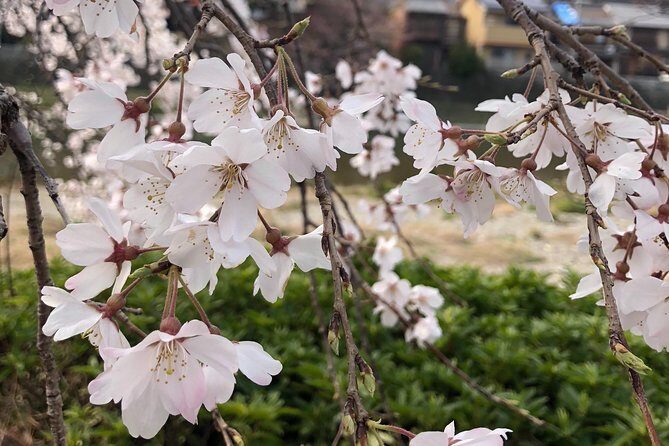
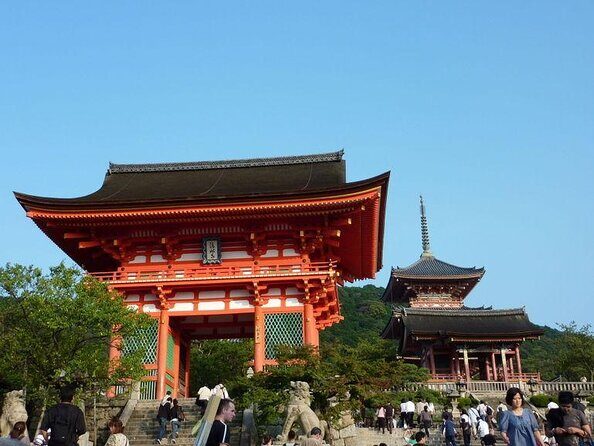
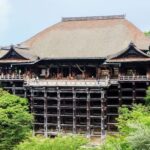
Kiyomizu-dera is one of those places where you immediately understand why Kyoto is famous. It’s a major temple with big views, dramatic architecture, and a strong sense of place. Your time here is about one hour, which is long enough to see the key points without feeling like you’re rushing through.
This stop is also a good place to pick up small gifts. The area around the temple is known for shops, so it’s a convenient window to grab snacks, crafts, or charm-style souvenirs before the rest of the day pulls you away.
What I like about the way this is placed first: you start with something iconic while your legs are fresh. If you do it later, you’ll arrive after a chain of other walking and feel the day more than the site.
Possible drawback? One hour can feel tight if you plan to browse every shop. If shopping is your priority, consider spending less time at the viewpoints and more time on the streets. Or do the opposite if you care most about the temple itself.
Stop 2: Sanjūsangen-dō and its famous 1,000 statues
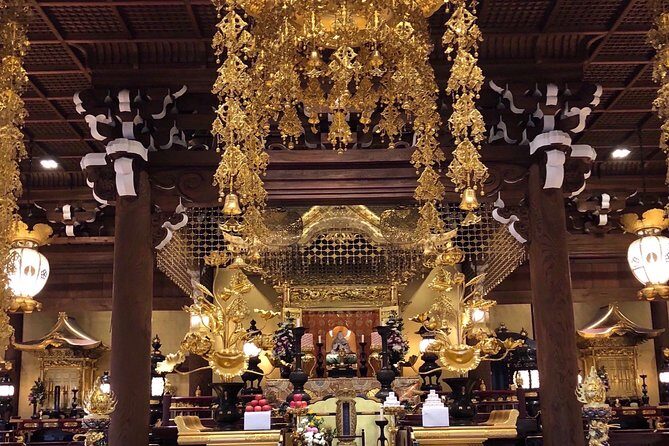
Sanjūsangen-dō is a different kind of Kyoto attraction. Instead of walking through a big courtyard or scanning views, you focus on a specific, highly detailed experience: a hall famous for its 1,000 statues. It’s the kind of place where you look up, take your time, and let your eyes “reset” after an earlier stop.
You get another one hour here. That’s the right amount of time for a site like this because the main activity is observation. You’re not trying to cover a neighborhood—you’re trying to take in a visual concept at scale.
If you’re the type who likes details, this is a great balance point. Kiyomizu-dera gives you atmosphere and big sights. Sanjūsangen-dō gives you concentration and contrast.
One consideration: it can be visually overwhelming in a good way. If you prefer calmer, less crowded rooms, go at a steady pace and don’t try to read every single element at once. Let your eyes pick a few zones to focus on, then widen.
Stop 3: Nijo Castle and the power story in Kyoto
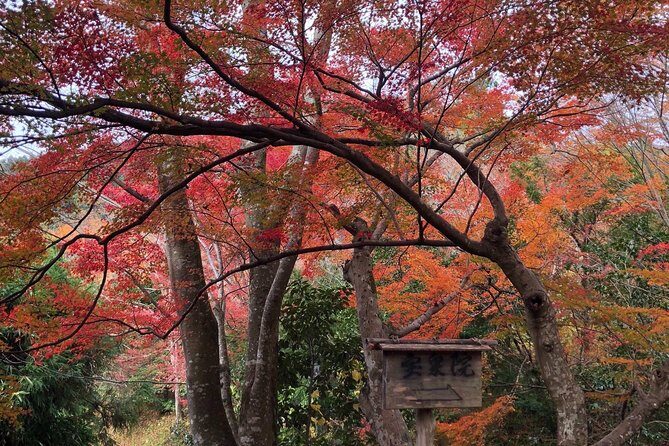
Next up is Nijo Castle, described as a huge castle, which is exactly what you want on a one-day route. It’s not just pretty buildings. It represents political power, and the layout helps you understand how authority was staged and protected.
With about one hour here, you’re aiming for the highlights rather than a full day of wandering. That’s a good match for a private car itinerary: enough time to feel the size and structure, not so much that the rest of the day gets squeezed.
What makes this stop valuable is the contrast. Temples are about spiritual life and visual symbolism. A castle is about control, movement, and social order. Together, they give you a more complete sense of Kyoto than a pure temple loop.
A practical note: even with a guide, castle grounds can involve some walking. Wear shoes you trust. You’ll thank yourself when you’re moving from one area to another.
You can also read our reviews of more tours and experiences in Kyoto

Stop 4: Nishiki Market shopping district for food and quick browsing
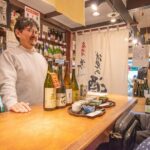
After the big sights, you’ll shift gears to the Nishiki Market shopping district. This is where Kyoto becomes edible and everyday. The tour lists it as a fish market, and the vibe here is about stalls, snacks, and quick decisions.
Your time is about one hour, which works well for Nishiki because you don’t want to turn lunch into a full-time mission. Instead, treat this as your “taste and choose” window. If you find something you like, grab it and keep moving. If not, you still get the street energy and the feel of a famous market district.
One reason this stop fits the route: it’s a natural reset after castle walking. Your brain gets a break from history rooms and starts sampling textures and aromas again.
Possible drawback: it can get crowded. With a private tour and a guide who can time your movement, you’re in a better position than you would be self-navigating. Still, keep expectations flexible and think in terms of short stops rather than perfect leisurely strolling.
Stop 5: Gion for geisha-district vibes and photo-friendly streets
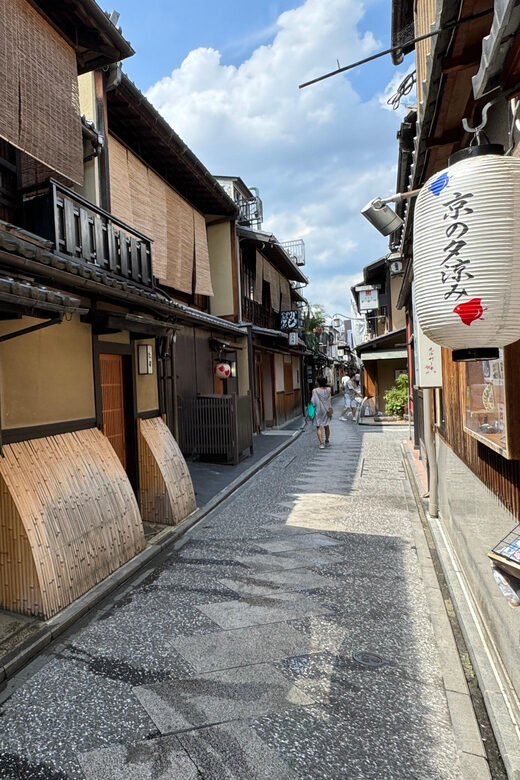
Finish your day in Gion, Kyoto’s best-known geisha district. One hour here is a smart closing act because it lets you take in the streets after your cultural stops without feeling like you still have to “learn” something major.
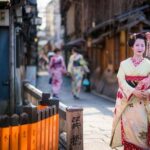
Even if you don’t chase encounters, Gion works because the area has a distinct look: traditional streetscapes, old-style facades, and a sense of Kyoto’s continuity. It’s also a strong photo zone, and Kosuke’s name shows up in reviews not only for guiding but for providing an excellent photo experience.
A gentle expectation setting: one hour is great for atmosphere and key viewpoints, but it’s not enough to explore every side lane in depth. If you love wandering, you can ask Kosuke to nudge the schedule slightly—people describe him as flexible when you want to add or swap in something else.
What’s included (and what you’ll pay separately)
This tour’s value comes from the basics done right. You get an air-conditioned vehicle for comfort, and parking fees are included, so you don’t lose time hunting where to park.
You should plan for these items not being included:
- Admission fees at the sites
- Lunch
From a value perspective, the price is largely paying for a private guide plus transportation that keeps the day efficient. In Kyoto, that can be more economical than renting your own car for a single day and trying to match parking, traffic, and walking distances on your own.
Tip: if you’re budgeting, decide early whether you want full-service paid entry at every site. The tour includes five big attractions, and paying admissions for all of them is often the most natural way to do it.
The real benefit: a guide who can flex your day
The biggest praise for Kosuke isn’t just that he knows the sites. It’s that he can make the day feel yours. Reviews repeatedly mention:
- being prompt and communicating clearly
- being kind and fun to spend time with
- adjusting the plan when you ask for changes
- parking close enough that you lose less time on long walks
That last point matters in Kyoto. If you’re doing a DIY route, you can spend hours just moving between districts. Here, the vehicle and guide help you keep the day coherent.
Also, Kosuke is described as having good English and an easy way of explaining things. If your group is curious about history, etiquette, or how neighborhoods work, you’ll probably enjoy the conversation as much as the sights.
If you want local recommendations beyond the five listed stops, this tour format is a strong choice because you’re not locked into a rigid group timeline.
Timing and pacing: how to make 7 hours feel like more
A 7-hour day sounds short until you’re actually in Kyoto and realize how long it takes to get between the “main” places. The itinerary is structured to keep movement efficient, with about an hour per stop.
Here’s how to get the best out of that pacing:
- Keep your must-do list tight. If you add too many extras, you’ll feel rushed at the big sights.
- Use Nishiki Market as a short food and browse moment, not a full meal marathon.
- In temples and halls, go with a steady pace. One hour passes quickly if you try to read every detail.
- Save energy for Gion. You’ll appreciate it more when you’re not tired from a long day.
Kosuke’s flexibility also helps if you’re running behind or want to swap. People describe him staying beyond the allotted time when necessary to make sure you can reach your final interest.
Who this Kyoto private car tour suits best
This tour fits best if you want a day that feels structured but not stiff.
It’s a great match for:
- couples and small families who want iconic Kyoto without planning stress
- first-time visitors who need the main hits in one shot
- anyone who dislikes long transit days
- travelers who like asking questions and shaping the day around personal interests
It may not be ideal if:
- you want a totally unplanned, slow, half-day wandering approach
- you’re on a strict shoestring budget where admissions and lunch must be minimal
But for most people, the private car setup turns “I want to see everything” into “I actually saw everything I cared about.”
Should you book this Kyoto private car tour?
If your goal is a smooth, efficient Kyoto day with a real person guiding and driving, I’d book it. The combination of private transport, a friendly and flexible guide, and a route that balances temples, a major castle, market time, and Gion gives you a lot of value for a single day.
Before you click confirm, do two quick checks:
- Look at your admission priorities. You’ll be paying for entry fees at each stop, and budgeting ahead keeps the day stress-free.
- Decide how much you want to shop at Kiyomizu-dera and Nishiki. With only about an hour at each, planning your browsing helps you avoid time pressure.
If you want Kyoto without the transit headache, this is a strong, practical way to spend your day.
FAQ
How long is the Kyoto private car tour?
It runs for about 7 hours, starting at 9:00 am.
How many people can join?
It’s a private tour for your group, up to 4 people.
Is pickup included?
Pickup is offered, and the tour starts around 9:00 am.
Are admission fees included for the temples and castle?
No. Admission tickets are not included for the listed sites.
What’s included in the price?
An air-conditioned vehicle and parking fees are included.
Do I need lunch included?
No. Lunch isn’t included.
What if the weather is poor?
The experience requires good weather. If it’s canceled due to poor weather, you’ll be offered a different date or a full refund.