REVIEW · KYOTO CRAFT WORKSHOPS
Kyoto: Japanese Calligraphy Class in 150 years old townhouse
Book on Viator →Operated by Tea Ceremony & Cultural Experience Kangetsu Kyoto 日本文化体験教室 寒月 · Bookable on Viator
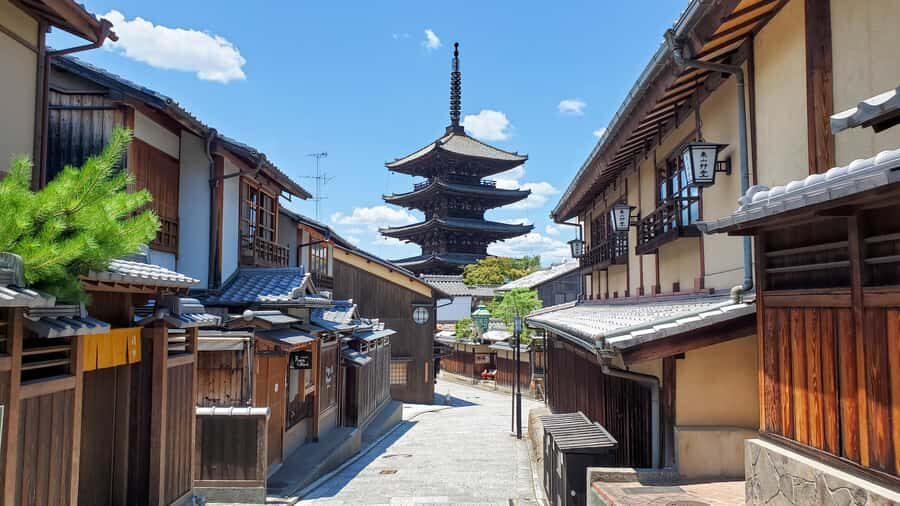
Kyoto slows down when ink hits paper. In Japan, calligraphy is more than writing—it’s a calm way to train your focus, and this class happens in Kyoto’s Ninenzaka area in a historic townhouse said to be about 150 years old. I like that you get patient, step-by-step teaching, and I also like that you can do it in English every day.
One thing to consider: the class runs about 50 minutes, so it’s friendly and supportive, but it’s not long enough for tons of repetition.
If you want a quick, satisfying souvenir without a big time commitment, this is a solid fit. Just plan ahead for the socks rule, and note that kids under 12 can’t join—so it’s best for older teens and adults.
In This Review
- Key Highlights You’ll Care About
- Ninenzaka’s 150-Year Townhouse Makes Calligraphy Feel Real
- Price and Time: Where the Value Really Comes From
- What Happens During the 50 Minutes (And Why It Works)
- 1) Welcome and a short introduction to calligraphy
- 2) Learning the fundamentals in a beginner-friendly way
- 3) Guided practice and feedback on your strokes
- 4) Final piece to take home
- English Instruction That Keeps You From Getting Lost
- Socks, Age Rules, and Small Things That Matter More Than You’d Think
- Socks are required
- Kids under 12 aren’t allowed
- Group Size: Why a Max of 18 Helps You Learn
- How to Add This to Your Kyoto Day Without Stress
- Weather Can Affect Your Plan
- Who This Class Is For (And Who Might Want Something Else)
- Should You Book Kyoto Japanese Calligraphy in a 150-Year Townhouse?
- FAQ
- FAQ
- How long is the Kyoto Japanese calligraphy class?
- Is the class taught in English?
- Do I need to bring socks?
- Are children allowed to join?
- What happens if the weather is bad?
- How many people are in the class?
Key Highlights You’ll Care About
- 150-year-old townhouse setting in Ninenzaka, right where Kyoto feels old-school and walkable
- English instruction daily, so you can focus on the strokes, not the language
- Beginner-friendly pace, with clear guidance from the master instructor and assistant
- Small group size (max 18), which helps you get attention when you’re practicing
- A take-home result, so you leave with something you made yourself
Ninenzaka’s 150-Year Townhouse Makes Calligraphy Feel Real
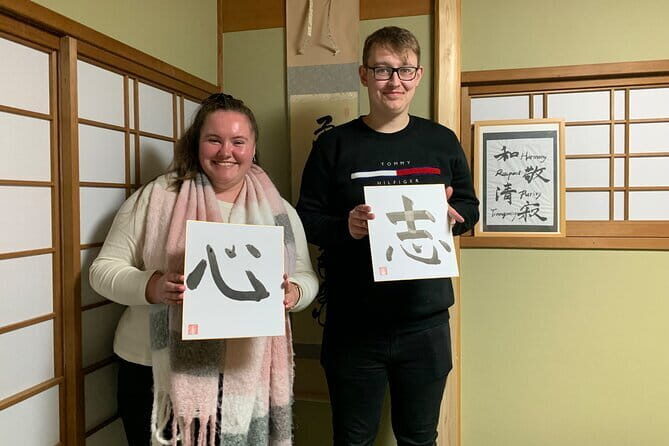
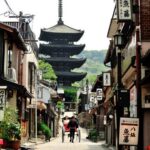
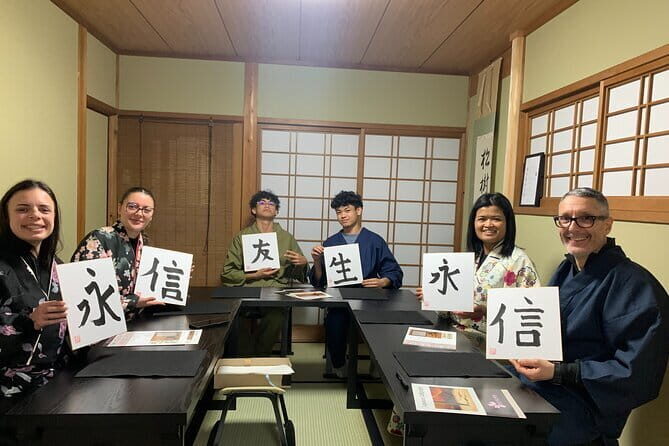
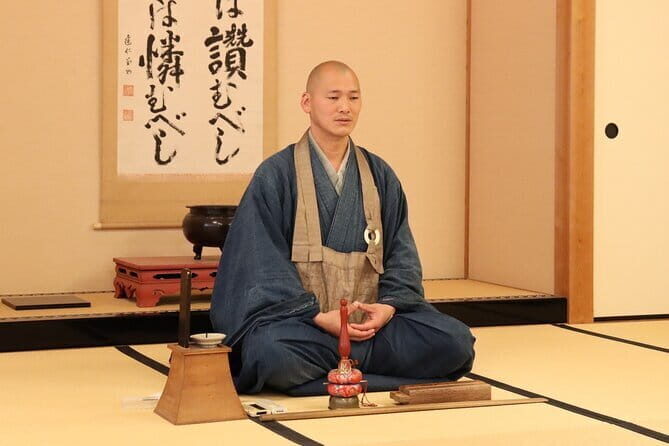
Japanese calligraphy has a reputation for being formal, but this experience feels personal right away. You’re in Ninenzaka, one of those Kyoto lanes where the streets do a lot of the work for you. The setting is a historic townhouse—described as about 150 years old—which matters more than it sounds. When you’re learning something physical and slow (brush control, spacing, rhythm), the mood of the room helps your brain slow down too.
I especially like that the class is set up for people who are new. You’re not expected to arrive knowing what a stroke is supposed to do. Instead, the teaching is built around the essentials, with explanations that help you understand what you’re aiming for.
And because instruction is available in English every day, you don’t lose time translating. That means you can actually spend your energy practicing rather than decoding directions.
You can also read our reviews of more tours and experiences in Kyoto

Price and Time: Where the Value Really Comes From
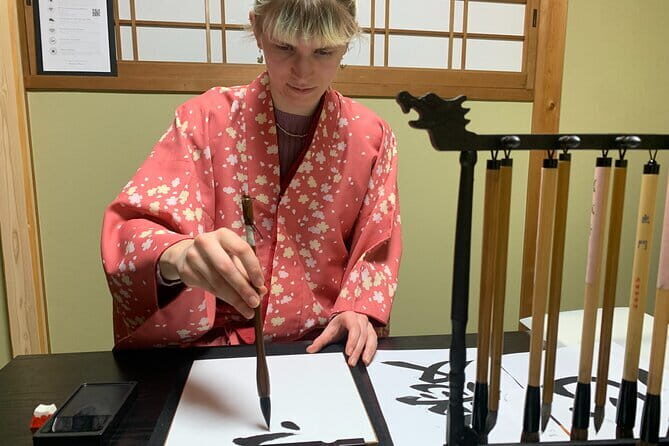
At $43 per person for about 50 minutes, you’re not buying a long cultural program. You’re buying a concentrated lesson with room to make your own piece.
Is it a lot? Compared to free museum-style sightseeing, yes. Compared to other hands-on cultural activities, the price feels reasonable because you get three things that are hard to find in one package:
- instruction that targets beginners
- guidance that doesn’t disappear the moment you start writing
- a finished calligraphy result you can take home
The timing also tells you the style of class: it’s designed to be calm and focused, not endless practice. If you want a slow, 90-minute deep practice session, you might feel the clock. If you want a peaceful hour plus a keepsake, 50 minutes is often a sweet spot in a busy Kyoto itinerary.
What Happens During the 50 Minutes (And Why It Works)
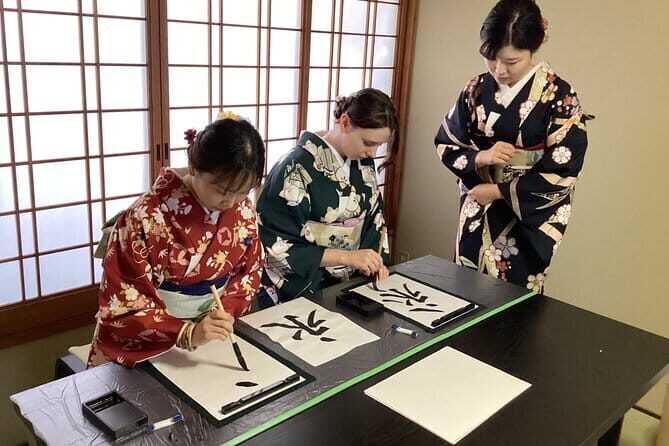
A calligraphy class can either feel like you’re being rushed through steps or like you’re getting coached while you figure it out. This one leans strongly toward coaching.
Here’s how the flow typically feels based on how the class is described and what’s repeatedly highlighted in feedback:
1) Welcome and a short introduction to calligraphy
You start with context—how calligraphy connects to Japanese language and culture, and what makes it different from normal handwriting. People also note they received a brief history explanation. That matters because it turns your practice from just copying shapes into understanding what you’re creating.
In other words, you’re not just learning how to write a character. You’re learning why the strokes matter.
2) Learning the fundamentals in a beginner-friendly way
The course is designed for beginners, so expect a structured introduction to the essential techniques. When you’re new, the hardest part isn’t the tool—it’s knowing what to focus on. This is where having both a master instructor and an assistant helps. The assistant can support you when you’re trying a few times and need gentle direction.
In practice, this is the difference between frustration and progress. You get to try, fail a little, and try again without feeling like you’re behind.




3) Guided practice and feedback on your strokes
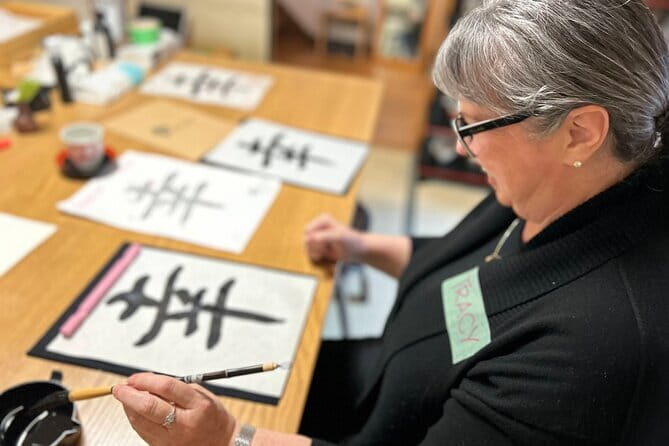
Calligraphy requires concentration. You can’t rush it and still get a clean result. In a short class, the goal becomes: learn the pattern, apply it with your own steadiness, and get feedback quickly so your next attempt improves.
Even people who said they had to concentrate a lot still described the hour as peaceful. That’s a good sign. It suggests the pace is controlled and not chaotic.
4) Final piece to take home
You leave with what you made. That “take-home souvenir” aspect is a big deal for value. It turns the class into something you can remember later, not just a photo and a story.
Because it’s a beginner class, you’re not expected to master calligraphy. You’re expected to create something meaningful through guided practice.
English Instruction That Keeps You From Getting Lost
This class runs in English every day, which is one of the most practical benefits in Kyoto. Calligraphy is visual, but instructions still matter—where your attention goes, how you correct mistakes, and what you should aim for.
When you’re using another language, you either nod along or you miss the key correction. Here, English helps you actually adjust while you’re writing. That’s why people describe the teachers as patient and instructive.
Also, English daily is useful if your schedule is flexible. You don’t have to gamble on finding an instructor on the one day you happen to be free.
Socks, Age Rules, and Small Things That Matter More Than You’d Think
Two practical points can make or break your experience:
Socks are required
You’ll be asked to wear socks. If you forget, you can purchase socks on site. This is one of those Kyoto details that’s easy to overlook when you’re used to casual walking around in temples and streets.
If you’re planning day trips, just pack socks in your day bag anyway. It’s cheap insurance against a minor scramble.
Kids under 12 aren’t allowed
If you’re traveling as a family, this matters. Children under 12 can’t participate, so the class is more of an option for older kids, teens, and adults.
If you’re bringing a teen, it can be a nice change of pace during a longer Japan trip—especially when you want something hands-on that’s still calm.
Group Size: Why a Max of 18 Helps You Learn
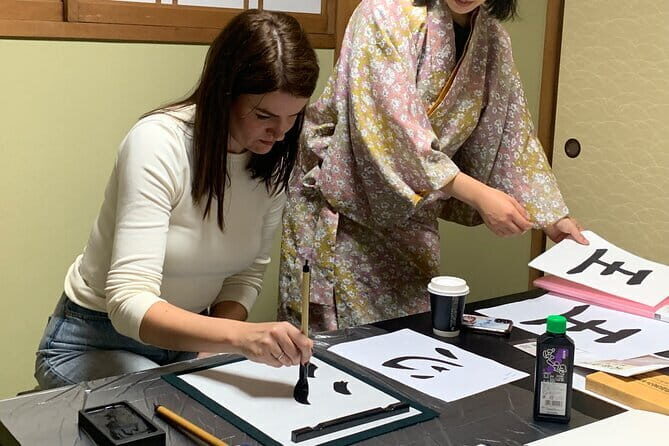
The class caps at 18 people, which keeps it from feeling like a stadium workshop. In small settings, teachers can see what’s going wrong and correct it sooner.
That’s important for calligraphy because mistakes are often subtle. You might think your stroke is fine until you see what changes when the posture or timing adjusts. A smaller group makes that feedback more likely.
How to Add This to Your Kyoto Day Without Stress
You’re in Ninenzaka, a classic area for walking. That’s a real advantage: you can pair this class with other nearby sightseeing without complicated transportation.
Here’s a simple way to think about scheduling:
- Go early or mid-day if you want a calmer street vibe.
- Build in time to arrive a few minutes ahead of your start.
- Treat the class like a rest stop, not another marathon activity.
Because it’s 50 minutes, it also works well as a break from temple crowds, shopping runs, and long train hops. Calligraphy is quiet, focused work, and it tends to reset your day.
If you want photos, you’ll likely get better results before and after the lesson. During the class, your job is to concentrate on writing.
Weather Can Affect Your Plan

This experience requires good weather. If it’s canceled due to poor weather, you’ll be offered a different date or a full refund. Even if the class takes place indoors, the provider still ties it to weather conditions—so it’s smart to keep your day flexible if you’re booking for a season with unpredictable conditions.
Who This Class Is For (And Who Might Want Something Else)
This is a strong match if you:
- want a beginner-friendly cultural activity
- prefer a calm, focused experience over a crowded tour
- want an at-home souvenir you made yourself
- like learning through guidance, not just watching demonstrations
It may be less ideal if you:
- want a long practice session with lots of repetition (the class is about 50 minutes)
- are traveling with a child under 12
Should You Book Kyoto Japanese Calligraphy in a 150-Year Townhouse?
I think you should book this if you’re after a short, meaningful, hands-on Kyoto moment. The English instruction, the patient coaching, and the historic Ninenzaka townhouse setting make it feel more grounded than many quick activity tours.
You’re also paying for learning time, not just the venue. At $43 for roughly 50 minutes, the value comes from guided instruction and leaving with your finished calligraphy piece.
Just go in with the right expectations: it’s focused and beginner-friendly, but it’s not a long-term course. If you want one peaceful hour where you actually produce something, this class fits the bill.
FAQ
FAQ
How long is the Kyoto Japanese calligraphy class?
The class lasts about 50 minutes.
Is the class taught in English?
Yes. Experiences are offered in English every day.
Do I need to bring socks?
Yes, you’re required to wear socks. If you forget, you can purchase socks.
Are children allowed to join?
Children under 12 years old are not allowed.
What happens if the weather is bad?
The experience requires good weather. If it’s canceled due to poor weather, you’ll be offered a different date or a full refund.
How many people are in the class?
The class has a maximum size of 18 people.