REVIEW · KYOTO CRAFT WORKSHOPS
Authentic Knife Making Experience at a Blacksmith in Kyoto
Book on Viator →Operated by Atelier NIN · Bookable on Viator
A hot billet, a steady hammer, and a real knife. In Kyoto, this hands-on workshop has you forging, sharpening, and polishing a Japanese-style blade in a small group, so you actually learn the craft instead of just watching it from the sidelines. You leave with a functional handmade souvenir, sized about 13 to 15 cm.
I like that the setup is built for learning. The small group size (max 6) keeps attention on you, and the included uniform means you can show up without hunting down protective gear. I also appreciate the way the English guidance shows up in the experience, with instructors like Diaki singled out for being patient and helpful.
One thing to consider: this is not “light activity.” You’ll hammer hot steel and work at grinding/sanding stations, so it’s best if you’re ready for real physical effort.
In This Review
- Key Highlights I’d Plan Around
- Entering Atelier NIN’s Kyoto Knife Workshop at Rurikoin
- What You Take Home: Blade Size, Materials, and the Final Form
- Dressing for the Job: Uniform, Traditional Attire, and Tool Set Basics
- Forging the Blade: Hammering Hot Steel and Shaping Your Knife
- Grinding, Sharpening, and Polishing to a Working Edge
- Small Group Tutoring With an English Guide (Diaki Gets Mentioned)
- Knife Options and Time: Why This Class Is Shorter Than Traditional Routes
- Price and Value: Is $158.52 Fair for a Real Knife?
- What to Bring (and What to Skip) for a Smooth Kyoto Day
- How to Fit This Into Your Kyoto Itinerary
- Should You Book Atelier NIN’s Knife-Making in Kyoto?
- FAQ
- How long is the Kyoto knife-making experience?
- What’s the group size?
- What is included in the price?
- Do I need to bring protective clothes or gear?
- Where do I meet, and where does the tour end?
- Is it good for beginners?
- Is transportation hard to arrange?
- Can I cancel for a full refund?
Key Highlights I’d Plan Around
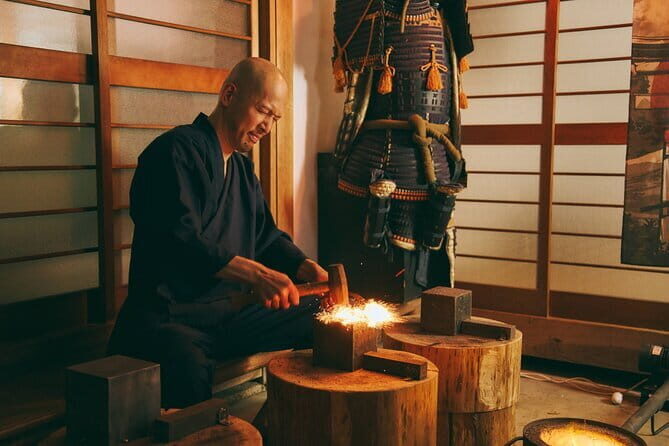
- A real Japanese kitchen-knife outcome: you make a blade that’s meant to be functional, not just decorative
- Forging is the centerpiece: hammering hot metal is part of the main work, not an optional demo
- Uniform + tools are included: you get dressed for the craft and provided a tool set for making your knife
- Max 6 people means more correction: you can ask questions and get hands-on fixes when you miss a step
- Iron handle approach: the workshop notes the handle is made of iron (ask if any options are available that day)
- Take-home craftsmanship: you finish with sharpening and polishing, then leave with a gift-ready knife setup
Entering Atelier NIN’s Kyoto Knife Workshop at Rurikoin
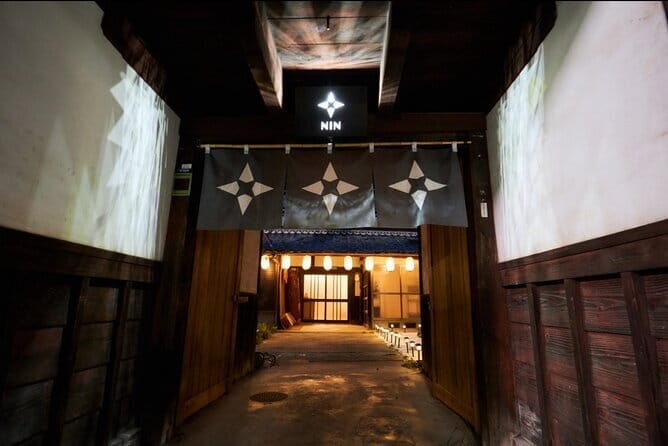
The experience starts at studio NIN in Kyoto (Sakyo Ward), then you head to the workshop area at Rurikoin. It’s a good setup for visitors because you’re not figuring out a complicated multi-stop day. It also helps that the tour is designed around a single experience window—about 3 hours total—so you can fit it into a normal Kyoto itinerary.
Logistically, plan for a little “local” travel feel. Reviews mention taking a train out toward the outskirts and then doing a walk to the site, with the location tucked into a more residential area. One practical tip: if your phone struggles for signal near the station, screenshot the directions before you leave town so you’re not stuck scanning maps while tired.
You can also read our reviews of more tours and experiences in Kyoto.


What You Take Home: Blade Size, Materials, and the Final Form
Your knife is roughly 13 to 15 cm, and because it’s handmade, the exact size can vary. That range matters because it’s close to the size many people want for everyday prep—small enough to travel home more easily than oversized blades, but substantial enough to feel like a real tool.
On materials, the workshop information emphasizes a traditional and simple method and notes that there are no wooden handles, with the handle also made of iron. At least one participant story also mentions a separate option involving a wooden handle for an extra fee, so here’s the smart move: ask on the day what handle options are currently offered. Don’t assume the same choices exist every day.
One more detail that affects travel: if you’re flying, the finished blade length may exceed carry-on rules. It’s wise to plan for checked luggage rather than hoping you’ll make it through security with a sharp souvenir.
Dressing for the Job: Uniform, Traditional Attire, and Tool Set Basics
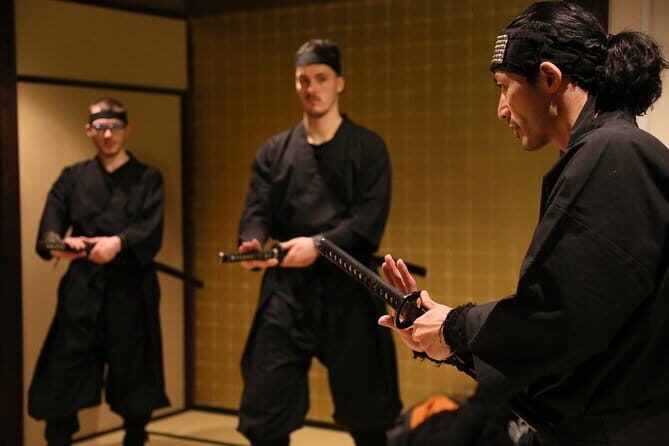
You’re not just handed goggles and sent off. You’ll dress in a traditional goldsmith costume, which instantly changes the vibe from classroom to craft workshop. It’s a small thing, but it helps your brain switch into maker mode.
You also get what you need to work: the tour includes a uniform, an English guide, and a set of tools used to make knives. That’s a big value point, because if you had to supply safety items and specialized gear yourself, this kind of class would start to feel like a DIY project.
Before forging starts, staff cover how to use the tools safely. Reviews highlight that the team makes sure you’re working the right way and not just swinging at metal like it’s a movie prop. Still, treat it like shop work: keep your space clear and listen closely when they correct your form.
Forging the Blade: Hammering Hot Steel and Shaping Your Knife
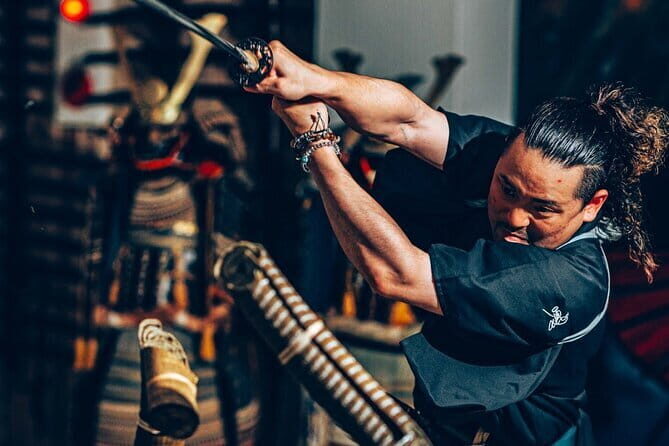
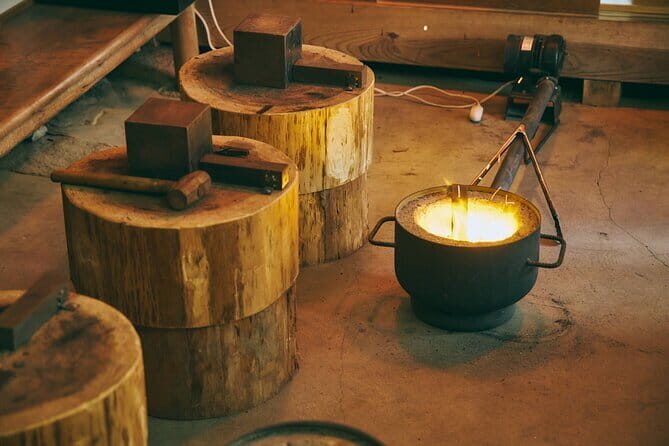
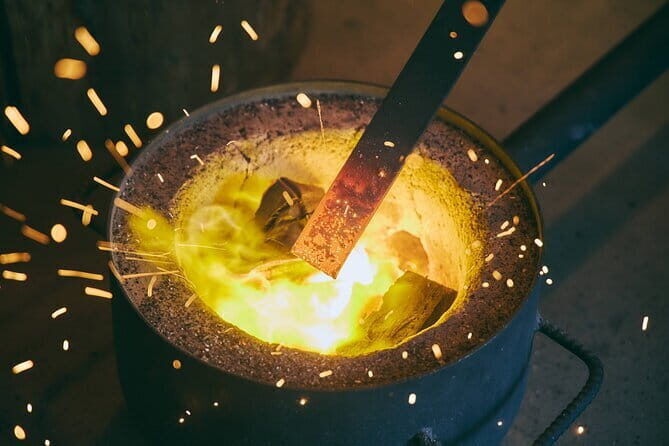
Forging is the heart of this class, and the structure makes that clear from the start. You’ll spend time hammering and shaping a piece of steel into a knife form. Reviews put it plainly: this is you forging for a solid stretch, not a short demo.
Expect the work to be strenuous. One review compares it to a show style of effort: hammering hot steel takes energy, and you’ll feel it in your arms and shoulders. This is why the tour calls for moderate physical fitness. If you’ve ever wanted to try blacksmithing but assumed it would be mostly hands-off, this is your reality check—in a good way.
One practical craft point: you’ll do best if you focus on consistency. The people teaching it will correct your mistakes, but the blade won’t shape itself. Small errors during hammering and early shaping can show up later when you grind and sharpen.
Grinding, Sharpening, and Polishing to a Working Edge

After the forging step, the day shifts from heavy shaping to precision work. You’ll grind and finish the blade, then move into sharpening and polishing so your knife comes out usable.
This is where the “class results” separate from “cool memory.” If you keep the angle and follow the sanding/grinding guidance, you end up with a blade that feels properly finished. One participant noted they would have liked more guidance on the sanding belt process and safety footwear, especially because dropping a knife can happen when you’re learning and working in tight quarters. That’s not the norm in every review, but it’s a fair reminder: move deliberately and don’t rush the finishing steps.
Also, remember this is a working edge process. Even if staff do the final refinements, you’re still part of the workflow. The reward is that your knife looks like you made it and feels like you earned it.




Small Group Tutoring With an English Guide (Diaki Gets Mentioned)
Group size changes everything in hands-on crafts. With a maximum of 6 travelers, you’re not standing behind glass while instructors move around someone else’s project. You can ask questions in real time and get corrections while the metal is still in your hands.
A name that comes up in the feedback is Diaki. One review praises Diaki as engaging and excellent, and also credits the quiet, timely help when something wasn’t going right. That’s the kind of guidance you want: firm enough to correct your technique, supportive enough that you keep going instead of freezing.
There’s also a cultural note worth keeping in your head. One review mentioned a moment where laughter around a rough knife affected the mood. Most feedback says the staff are cheerful and patient, but if you’re sensitive to gentle teasing, focus on the process and don’t let a single awkward moment change the overall outcome.
Knife Options and Time: Why This Class Is Shorter Than Traditional Routes
This workshop offers a shorter, visitor-friendly timeline. The provided info explains that larger blades require more time and money, and it gives a comparison: a regular cooking knife can take more than 5 hours and cost more than $400 in longer, higher-cost setups. Studio NIN’s approach aims to let more people experience forging through a reduced timeframe—about 2.5 hours for the core making work, within a total 3-hour outing.
That’s a smart value compromise. You’re not signing up for a multi-day apprenticeship, but you still learn the steps that matter: forging, then the work that brings the blade to an edge.
If you’re the kind of person who studies kitchen tools, you’ll love the practical craft lessons. You’ll see what makes Japanese kitchen knives special: disciplined shaping, careful grinding, and a finishing process that turns rough metal into an actual cutting tool.
Price and Value: Is $158.52 Fair for a Real Knife?
At $158.52 per person, this isn’t a cheap souvenir. But it’s also not a “craft session” where you leave with something small and decorative.
Here’s the value logic. You get:
- a uniform and traditional costume dressing,
- an English guide,
- tool access for making your blade,
- and the main steps of a Japanese-style process: forging, sharpening, and polishing.
Then there’s the take-home value: you leave with a knife sized for kitchen use and built from the materials and method the workshop highlights. That comparison to longer, more expensive knife-making timelines is relevant because it shows what you’re skipping: time, specialized progression, and cost drivers that normally add up.
For me, the best way to judge the price is simple: if you want a handmade blade that you helped forge, this hits a sweet spot. If you just want a quick photo souvenir, you’ll likely feel the effort-to-reward ratio more clearly than someone who loves making things.
What to Bring (and What to Skip) for a Smooth Kyoto Day
The class is designed to be low-fuss. You don’t need to source special protective clothes because the uniform is provided. Snacks aren’t included, so if you tend to get hungry after work with your hands, eat before you go.
From reviews, you can also plan on toilets and water onsite. Still, bring a water bottle only if you’re the type who likes your own. The workshop seems ready for visitors, so you shouldn’t feel stranded.
For footwear, the safest advice is: wear shoes that don’t make you clumsy. One review suggested safety shoes would be better than bare feet, mostly because dropping tools can happen when you’re learning in tight spaces. Even if you’re not told to bring a particular type of shoe, comfortable grip and a closed toe help you focus on technique.
How to Fit This Into Your Kyoto Itinerary
This is a solid half-day plan. With about 3 hours total, plus a bit of travel to the meeting point and on to the workshop, it works as a morning activity or a break between temple stops.
It’s also a great choice if you’re tired of “look, take photo, move on.” The physicality keeps your attention locked. You’ll walk away with a story that isn’t generic: you can point to your forging marks, your finishing choices, and the moment your blade started looking like a knife.
And yes, it’s popular. The booking signal in the listing says it’s been booked heavily recently, which usually means the workshop schedule fills. If you have a short Kyoto visit, treat it as a priority rather than a maybe.
Should You Book Atelier NIN’s Knife-Making in Kyoto?
Book it if you want a hands-on Japanese craft that ends with a real functional souvenir. This isn’t a passive cultural activity, and the small group format plus English guidance makes it feel personal.
Skip it if you want a gentle, seated experience. Forging and finishing are physical, and you’ll do real work with hot metal and grinding steps.
If you’re a beginner who likes learning by doing, this is one of the better “try the craft for real” options in Kyoto. You’ll leave tired, proud, and holding something you helped create—exactly the kind of souvenir that earns its space in your kitchen bag.
FAQ
How long is the Kyoto knife-making experience?
The experience runs about 3 hours (approximately).
What’s the group size?
The tour has a maximum of 6 travelers.
What is included in the price?
Your price includes a uniform, an English guide, and a set of tools used to make knives.
Do I need to bring protective clothes or gear?
No protective clothing is required according to the experience details, since a uniform is provided.
Where do I meet, and where does the tour end?
You start at studio NIN in Yasenosechō, Sakyo Ward, Kyoto, and the activity ends back at the meeting point.
Is it good for beginners?
Yes. The experience is designed so you can do it even if you have never tried forging before.
Is transportation hard to arrange?
The experience is near public transportation, and the meeting point is reachable by train, with a walk to the location.
Can I cancel for a full refund?
Yes. You can cancel up to 24 hours in advance for a full refund. If you cancel less than 24 hours before the start time, the amount paid is not refunded.