REVIEW · SUSHI MAKING CLASSES
Kyoto: Sushi Making Class with Sushi Chef
Book on GetYourGuide →Operated by Kyoto-sushimaking · Bookable on GetYourGuide
Sushi is craft, not magic. In this Kyoto class, you work with a real sushi chef and start from fresh fish sourced at the Kyoto Central Wholesale Market. You’re not just watching a performance.
I especially like the step-by-step format: you practice first with a sushi sample tool, then move to real nigiri and finally assemble roll sushi using a dedicated tool. It’s beginner-friendly without feeling watered down.
The main thing to think about is allergies. The activity is listed as not suitable for people with food allergies, and there are also rules like no strong fragrances, so you’ll want to plan accordingly.
In This Review
- Key Takeaways Before You Go
- Market-Fresh Fish From Kyoto Central Wholesale: Why It Matters
- Shijo Karasuma Area Meeting Points and the Small-Group Advantage
- The Real Sushi Workflow: From Sample Practice to Nigiri and Maki
- 1) Start With a Sushi Sample Practice Tool
- 2) Move to Real Nigiri Sushi
- 3) Roll Skills Using a Special Tool
- 4) Decorate Your Plate and Eat What You Made
- Chef Instruction That Actually Helps You Cook at Home
- Eating the Lunch You Make, Plus Soup and Drinks
- The Photo and Video Service: A Smart Move
- Who This Kyoto Sushi Class Is Best For
- Price ($74) and Value: What You’re Really Paying For
- Practical Tips to Make Your Class Smoother
- Should You Book This Kyoto Sushi Making Class?
- FAQ
- How long is the sushi making class?
- What’s included in the price?
- Where do I meet for the class?
- Is the class taught in English?
- How big is the group?
- Is this class suitable for people with food allergies?
- Can I cancel?
Key Takeaways Before You Go
- Market-fresh fish: The fish is bought early in the morning at the Kyoto Central Wholesale Market.
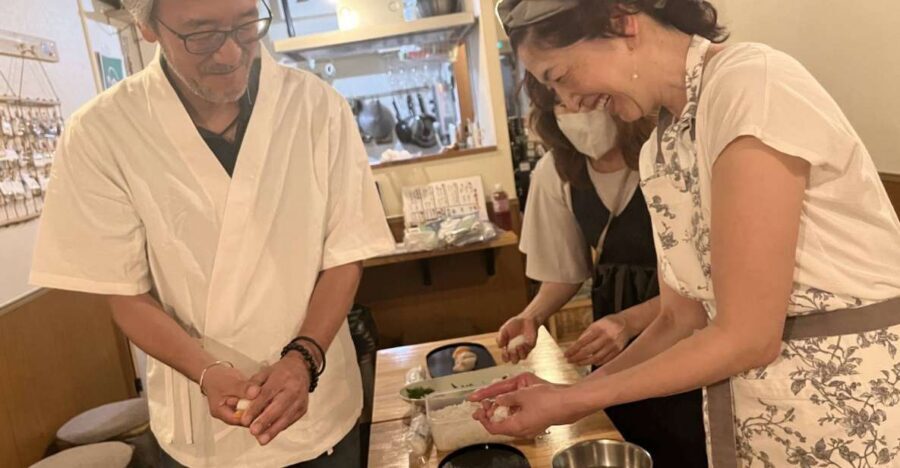
- Small group format: Limited to 8 participants, so you get real attention while you’re making sushi.
- Practice-to-production flow: Toy sushi practice first, then real nigiri, then maki rolls.
- Chef-led instruction in English and Japanese: The instructor explains the process clearly and patiently.
- Lunch is included: You decorate your plate and eat what you make, plus soup and tea or water.
- Photo and video support: Someone handles photos and videos so you can focus on doing the work.
Market-Fresh Fish From Kyoto Central Wholesale: Why It Matters
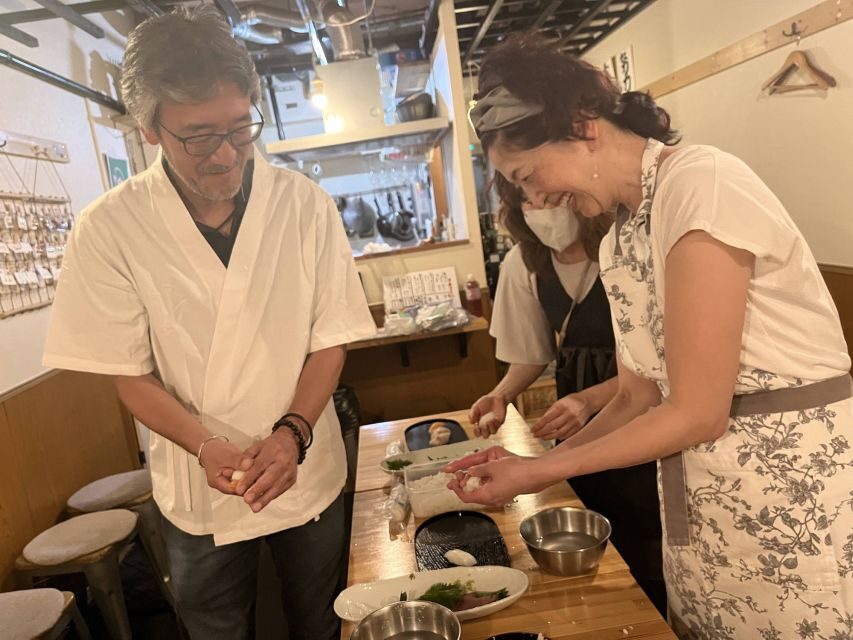
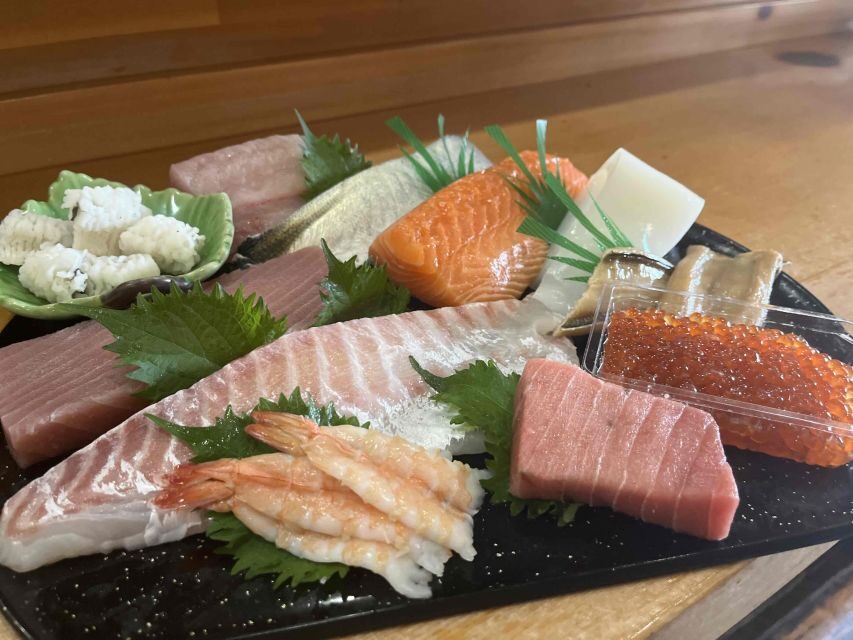
This class is built around one simple advantage: you’re working with fresh fish that was purchased early morning at the Kyoto Central Wholesale Market. That detail changes the whole experience.
Sushi doesn’t taste the way it’s supposed to when the fish is old, inconsistent, or handled too long. By sourcing at the market right before class prep, the experience is about quality you can actually notice—especially in the texture and flavor.
It also makes the class feel more grounded in real Kyoto food culture. You’re not doing sushi as a generic cooking activity. You’re learning how sushi chefs think about ingredients, timing, and preparation.
You can also read our reviews of more tours and experiences in Kyoto

Shijo Karasuma Area Meeting Points and the Small-Group Advantage
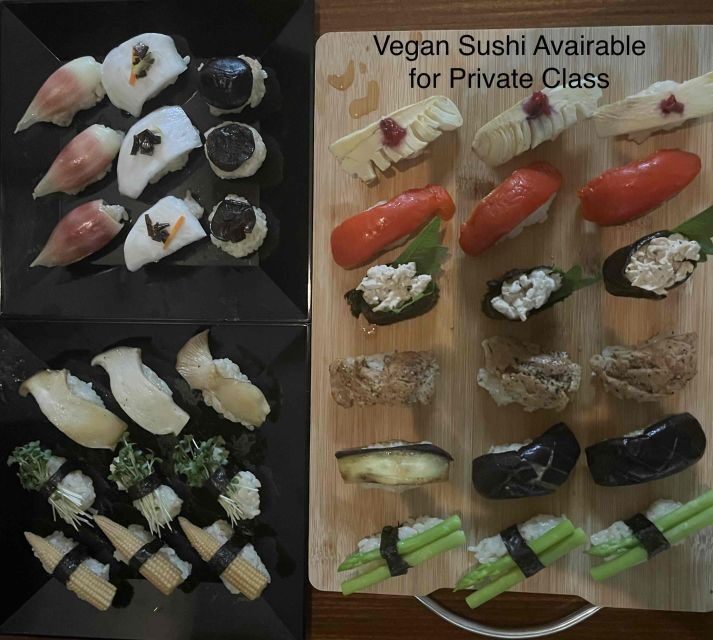
You’ll meet in one of two venues around Shijo Karasuma. The exact location depends on how many people are taking the class, and you’ll receive a Google Maps link by email. When you arrive, staff show up with a welcome board.
This matters because it keeps the experience easy to find, especially if you’re already using Shijo Karasuma as your navigation anchor. It’s also a practical way to handle different group sizes without turning the class into a crowded classroom.
The class is limited to 8 participants, and that’s a big deal for how much you learn. With smaller groups, you get help while you’re working—when your rice might be too loose, when you’re shaping nigiri, or when you’re using the roll tool for the first time. You’re also more likely to hear explanations clearly, since you’re not fighting for attention.
One more small but important rule: strong fragrances aren’t allowed. If you wear perfume or strong-smelling deodorant, go light.
The Real Sushi Workflow: From Sample Practice to Nigiri and Maki
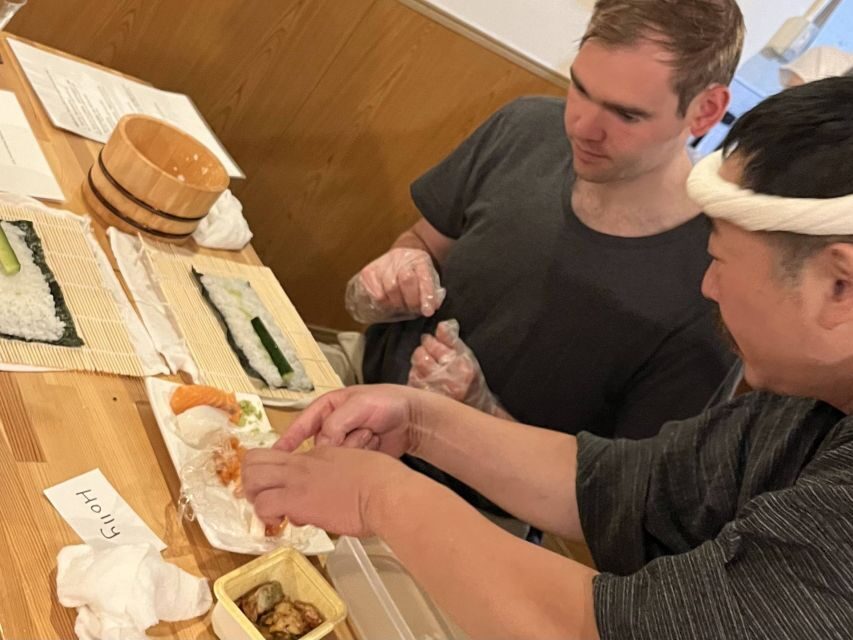
The class runs 90 minutes to 3 hours, depending on the session and group flow. Either way, the structure is clear and logical. You’re taught the method, you practice it, and then you produce multiple sushi pieces that you’ll eat.
Here’s how the teaching moves:
1) Start With a Sushi Sample Practice Tool
First, you practice with a sushi sample toy. This is one of the smartest parts of the program because it lowers the pressure. You get the motions down before you’re handling real fish and real rice.
In practice, this helps you learn two things fast:
- how firm the rice needs to be
- how to shape without crushing the rice
If you’ve never made nigiri before, this step reduces frustration.
2) Move to Real Nigiri Sushi
After you feel comfortable, you make real nigiri. This is where the chef instruction is most valuable. People mention that the chefs are patient and explain not just what to do, but why it works.
You also learn that nigiri isn’t only about placing fish on rice. It’s about balance—rice pressure, angle, and how the piece holds together.






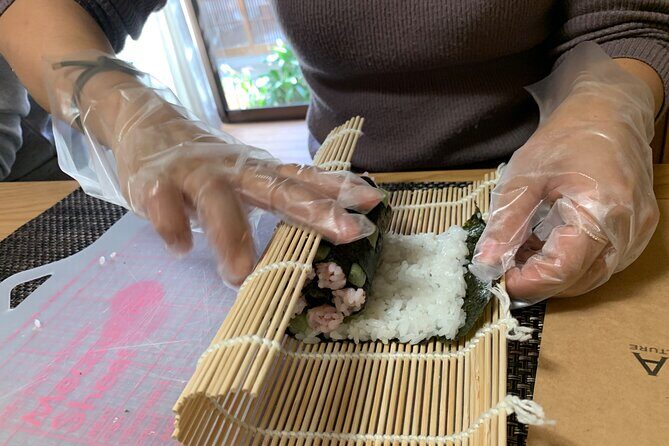
3) Roll Skills Using a Special Tool
Then you make sushi roll using a special tool. That’s useful because rolling can be tricky when you’re new. With the tool, you’re building repeatable technique rather than guessing.
4) Decorate Your Plate and Eat What You Made
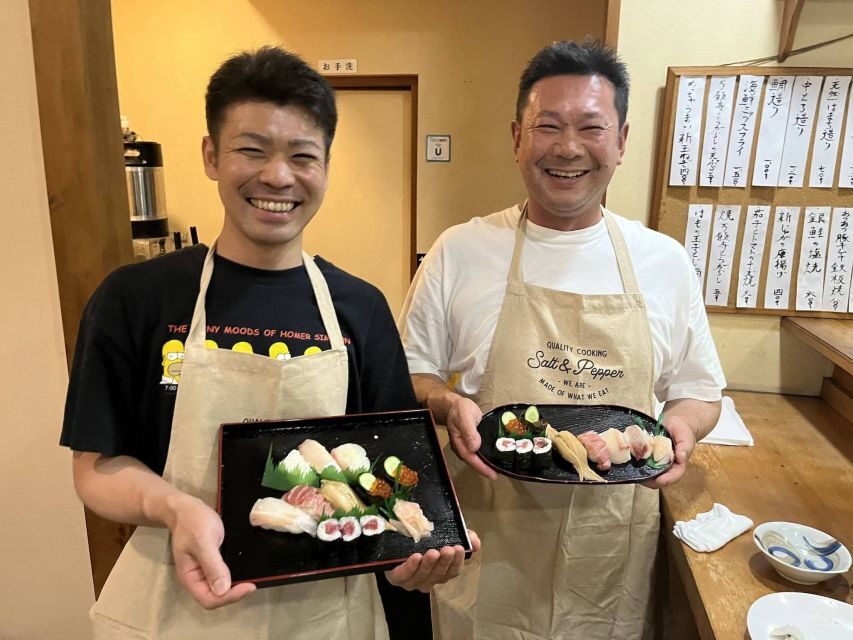
Finally, you decorate the sushi on your plate, then eat it as lunch. This is a key point for value: you’re not doing a hands-on cooking class where the result is mostly for show. Your work becomes your meal.
You’ll also have tea or water and a Japanese-style dashi soup with the meal. In reviews, some people specifically mention soup pairing too, which tracks with the idea that you’re meant to eat the full set, not just taste a bite.
Chef Instruction That Actually Helps You Cook at Home
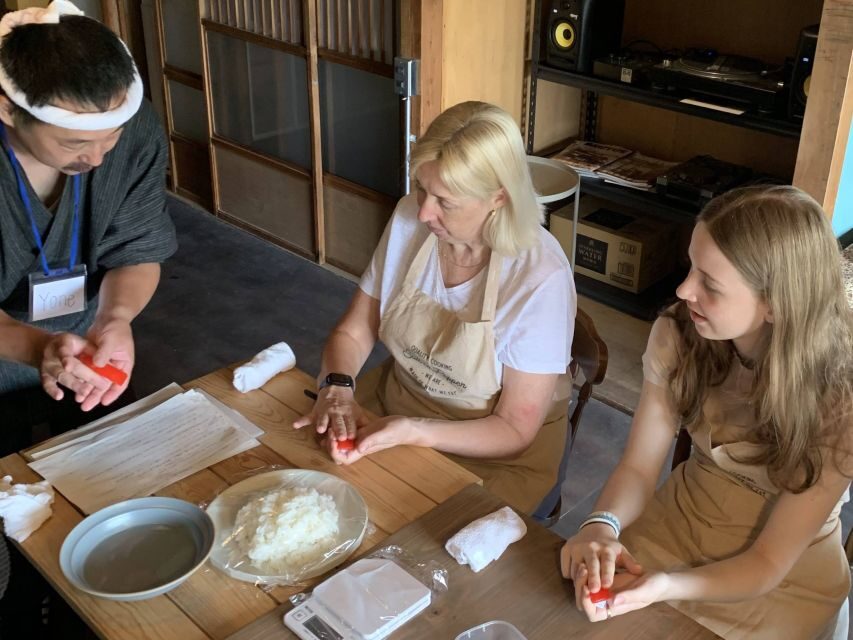
One reason this class earns such high praise is the teaching style. Reviews repeatedly highlight chefs who are relaxed but highly experienced, and who give detailed explanations while staying patient as you work.
Chefs and instructors named in reviews include Hide, Yukihide-san, Yune, Yutaka, Nami, and Yone. You can’t count on any one person for every session, but the consistency is the point: you’re not getting random instruction from a script. You’re working with someone who knows how sushi is done in practice.
A few useful themes come up again and again in the feedback:
- the instructor focuses on technique, not just outcomes
- you learn knife and fish context (why certain tools matter)
- dining etiquette shows up as part of the lesson, not as an afterthought
That last one is surprisingly practical. Sushi is one of those foods where how you eat it changes how enjoyable it is. You’ll get guidance on behavior and how to approach sushi in a restaurant setting, which helps once you’re back out in Kyoto—or at home.
Eating the Lunch You Make, Plus Soup and Drinks
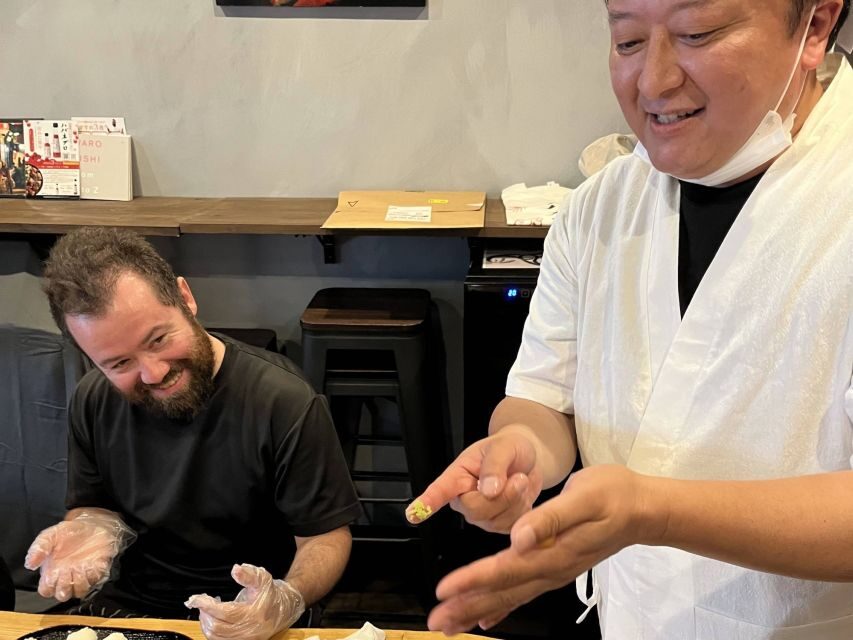
This class closes with a full tasting moment: you eat the sushi you made after decorating your plate. That turns the whole session into something more like a meal experience than a cooking demo.
And because you’re learning nigiri and roll pieces, you’re getting variety in both texture and flavor. Even if you’re not a huge raw fish person, you might still enjoy the result—some reviews specifically mention non–raw fish comfort at first, then loving what they made anyway.
The included tea or water keeps things simple. The Japanese-style dashi soup gives you a warm, comforting balance after handling ingredients and shaping rice.
The Photo and Video Service: A Smart Move
Here’s a small feature that makes the class easier to enjoy: someone takes photos and videos during the class and shares the data after it ends.
It sounds minor, but it changes your attention. Instead of juggling your phone while trying to shape nigiri, you can focus on doing the steps the chef is demonstrating. Later, you get the visual record without needing to stop your work.
If you care about travel memories but don’t want your cooking to turn into a constant photo shoot, this is a real plus.
Who This Kyoto Sushi Class Is Best For
This is a strong fit if you want hands-on sushi skills in a short window, and you like learning through doing.
It’s also friendly to people traveling with kids because the instruction is step-by-step, and the structure is designed so kids can take part. Reviews mention a 5-year-old enjoying it, and teens also having fun, so don’t assume this is only for adults.
It may also work well for adventurous beginners. You start with practice using a toy sample, so you’re not thrown straight into the hardest step.
But it’s not a fit for everyone:
- The activity is listed as not suitable for people with food allergies.
- Strong fragrances are not allowed.
- If you need fully customized allergen handling, you should be cautious since the data explicitly flags food allergies as a problem area.
One review mentions gluten free being handled smoothly, but since the overall policy says not suitable for food allergies, I’d treat that as a positive signal for some needs—not a guarantee for every allergy situation.
Price ($74) and Value: What You’re Really Paying For
At $74 per person, the price is not low—but it doesn’t feel random either. You’re paying for several things that typically cost more when done separately.
Here’s the value equation:
- Fresh fish sourced from the Kyoto Central Wholesale Market
- Instruction from a sushi chef, in a small group limited to 8 people
- Multiple sushi types made by you (nigiri and rolls), then eaten as lunch
- Tea or water plus Japanese-style dashi soup
- Photo and video capture by staff
If you’ve tried cooking classes in big groups, you know how quickly attention fades. Here, the small group size is part of what you’re paying for. Also, the fish itself is a big part of the cost, and this class builds the lesson around using it right before you make sushi.
Duration is listed as 90 minutes to 3 hours, depending on the session. Even at the shorter end, you’re doing practice, making real sushi, and eating it—so the session isn’t just instruction time.
Practical Tips to Make Your Class Smoother
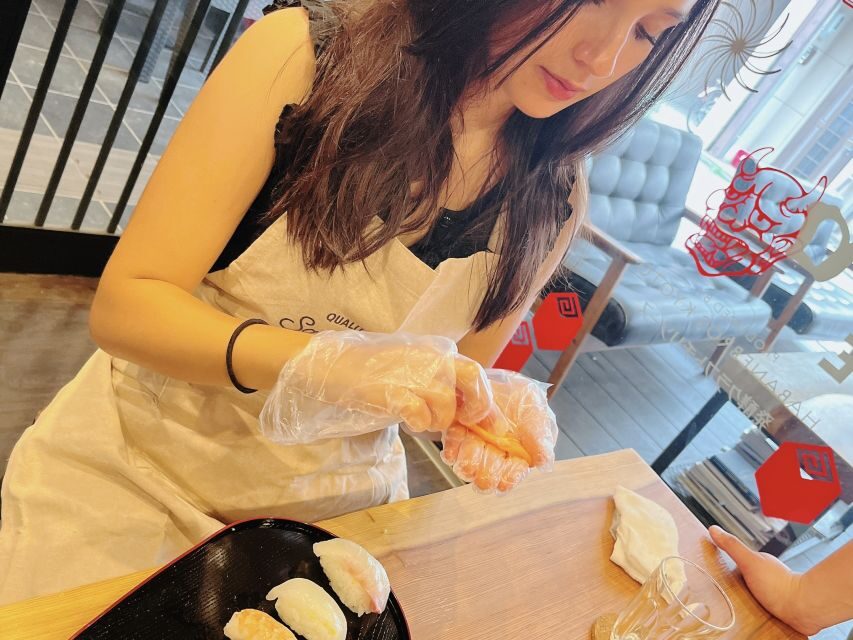
You don’t need special gear for this one—your job is showing up and working through the steps.
A few practical things to plan:
- Avoid strong fragrances before the class.
- Be ready to handle food and shape rice carefully, since the process builds from practice to real nigiri.
- Expect a hands-on pace. The class flows from practice to nigiri to rolls, then plating and eating.
- If you’re bringing questions about fish or sushi etiquette, the chef format is set up for that, and reviews suggest instructors share useful context beyond the basics.
Should You Book This Kyoto Sushi Making Class?
If you want an authentic sushi experience without the stress of booking a full restaurant reservation and hoping you understand the etiquette on day one, I think this is a smart choice. The structure is beginner-friendly—practice first, then real nigiri, then rolls—and the market-fresh fish is the kind of detail that makes the class feel real.
Book it if:
- you want to leave with skills you can try again at home
- you enjoy hands-on cooking where lunch is part of the activity
- you like learning from patient chefs who explain technique and dining manners
Skip it if:
- you have food allergies (the activity lists it as not suitable)
- you’re sensitive to strong scents and can’t comply with the no-strong-fragrance rule
If your goal is a focused, high-quality Kyoto food memory where you eat what you make, this class fits the bill.
FAQ
How long is the sushi making class?
The class is listed as 90 minutes to 3 hours, depending on availability and the session.
What’s included in the price?
You get the sushi making class with a sushi chef, you eat the sushi after making, tea or water, Japanese-style dashi soup, and photos/videos that are shared after the class.
Where do I meet for the class?
There are two venues around Shijo Karasuma. The operator chooses the venue based on the number of participants and emails you a Google Maps link. Staff will be there with a welcome board.
Is the class taught in English?
Yes. The instructor(s) use English and Japanese.
How big is the group?
It’s a small group, limited to 8 participants.
Is this class suitable for people with food allergies?
The activity is listed as not suitable for people with food allergies.
Can I cancel?
Yes. There’s free cancellation up to 2 days in advance for a full refund.