REVIEW · GION DISTRICT WALKING TOURS
Kioto: Gion Tour, recorrido a pie (Español/Castellano)
Book on GetYourGuide →Operated by LAMBDA CUBE LLC · Bookable on GetYourGuide
Gion reads like a story when guided. I love the way the guides like José (and sometimes Juan) point out the small stuff that makes the neighborhood click, and I love how easy it is to ask questions and get clear answers. One thing to keep in mind: a Maiko/Geiko sighting isn’t guaranteed, so treat that as a bonus, not a promise.
This is a live Spanish walking tour (small group, up to 6 people) that stays focused on what you’re actually seeing. Over about 3.3 km (2 miles), you’ll cover three of Kyoto’s hanamachi—places that go far beyond the postcard version of Gion.
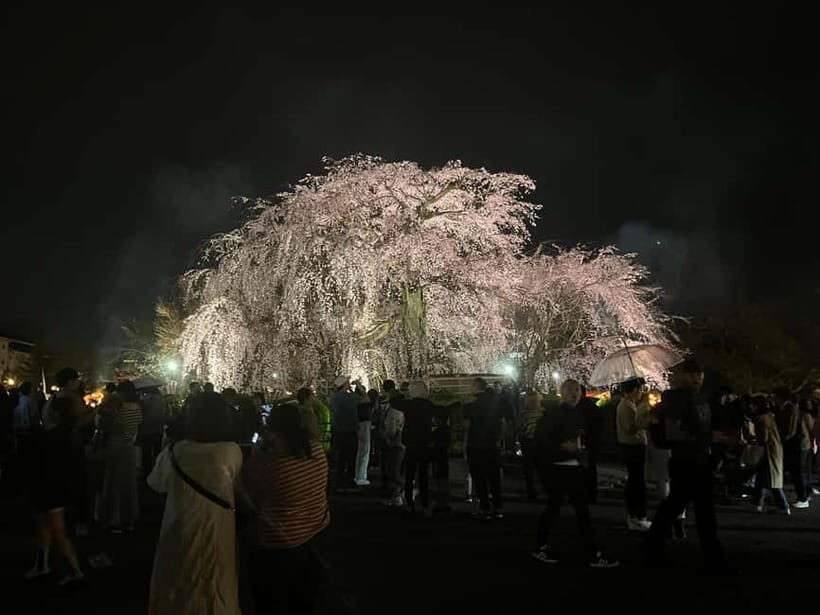
In two hours you’ll also get cultural context that connects everyday details to bigger Kyoto stories—plus a possible stop at Yasaka Shrine, where the name Gion comes from. If you’re traveling in late March to early April, the route may shift to catch cherry blossoms around Gion.
In This Review
- Key things I’d plan around
- Why Gion makes sense only when someone explains it
- Price and group size: $35 for a guided walk that answers questions
- Meeting point: Disney Kyoto Shijo-Kawaramachi, iPad in hand
- The 2-hour route across Pontocho, Gion-Kobu, and Gion-Higashi
- Pontocho alley and the Kamogawa area
- Gion-Kobu: Gion-Shinbashi Dori and Gion-Shiragawa
- Tatsumi Jinja and the bridge pause
- Gion-Higashi and Yasaka Shrine (if time allows)
- Maiko and Geiko life: what you can learn, sighting or no sighting
- What’s missing on purpose: Hanamikoji-dori not included
- Optional add-on: the free Gion Gallery extension on select departures
- Practical tips that make the tour feel easy
- Should you book the Kioto Gion walking tour?
- FAQ
- How long is the Gion walking tour?
- How much do we walk during the tour?
- Which parts of Gion does the tour visit?
- Is Hanamikoji-dori included in the itinerary?
- Can I count on seeing a Maiko or Geiko?
- Where is the meeting point?
- Can I add the Gion Gallery during the tour?
Key things I’d plan around
- Small-group Q&A with real personality: guides invite lots of questions and explain what you’re looking at.
- Three hanamachi in one walk: Pontocho, Gion-Kobu, and Gion-Higashi.
- Landmarks you’d skip on your own: bridges, shrine grounds, and preserved street corners.
- Yasaka Shrine tied to the name Gion: with extra festival context if time allows.
- Not the full Gion “main drag”: Hanamikoji-dori isn’t included.
- Cherry blossom route option: a slight change during late March–early April.
Why Gion makes sense only when someone explains it
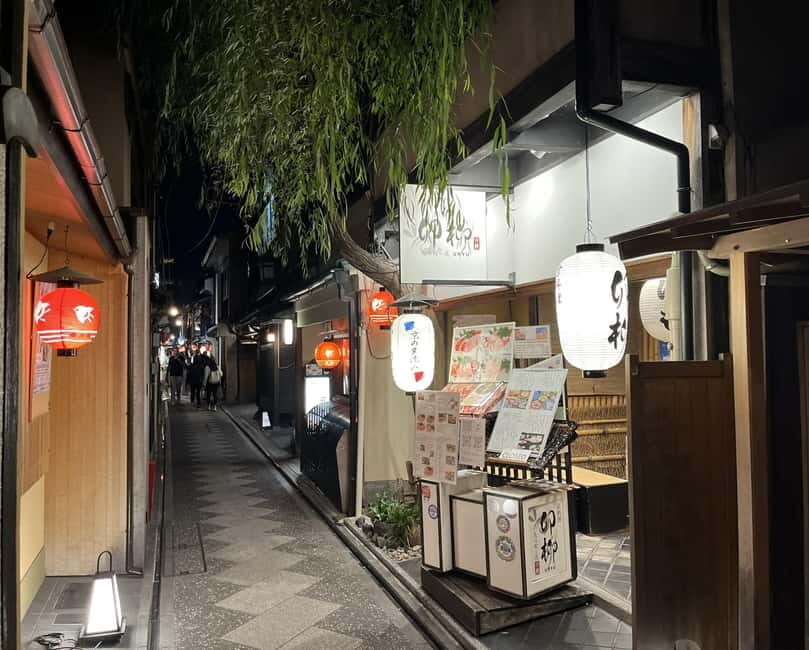
Gion can feel like a set of pretty streets until you understand what you’re looking at. This walk is designed to give you that missing layer: what hanamachi are, why they exist, and what day-to-day life looks like in these districts.
I especially liked how the guides keep the pace human—walking at a size where you can actually read signs, notice architecture, and ask follow-up questions. That matters because Gion’s best details hide in plain sight: the way wooden Machiya houses sit behind narrow alleys, and the way the neighborhood’s layout guides movement.
The other win is the “small talk” style of learning. Instead of dumping facts, you get explanations that connect to what you’re spotting right now. If you’re the type who looks at a gate or a shrine wall and wonders what it means, this tour fits you.
You can also read our reviews of more tours and experiences in Kyoto.



Price and group size: $35 for a guided walk that answers questions
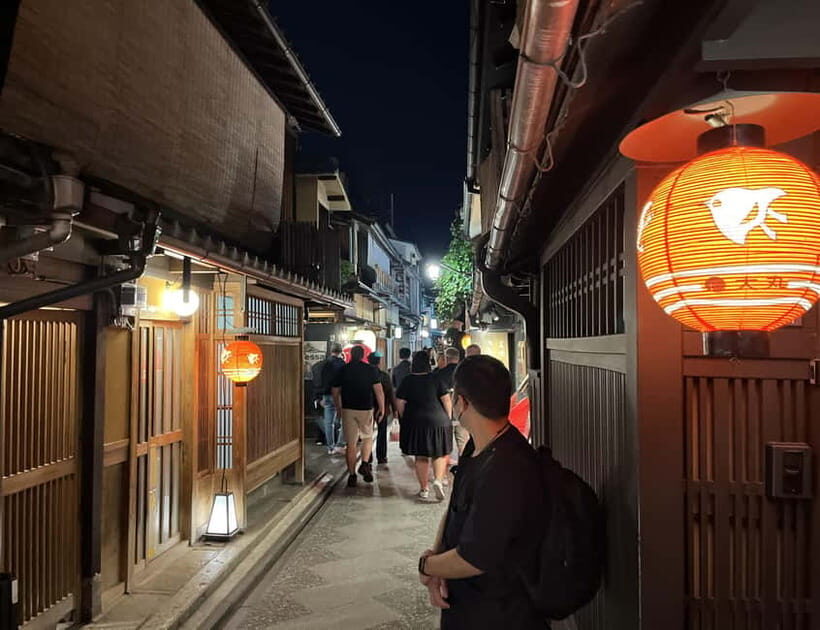
At $35 per person for a 2-hour Spanish guide-led walk, this is priced like a standard guided tour—but with the attention level of a smaller, more personal experience. The cap of 6 participants is a big deal. It keeps the questions flowing and helps the guide respond to your interests instead of sticking to a script for a crowd.
This is also one of those tours where value comes from frictionless learning. You don’t have to stop, search, and cross-check on your phone every few minutes. You just point and ask. That saves time in Kyoto, where your schedule is always competing with queues, transit, and long days.
Still, I’d go in with realistic expectations. It’s not built around guaranteed celebrity sightings. A Maiko or Geiko sighting can happen, but you shouldn’t plan your whole mood around it.
Meeting point: Disney Kyoto Shijo-Kawaramachi, iPad in hand
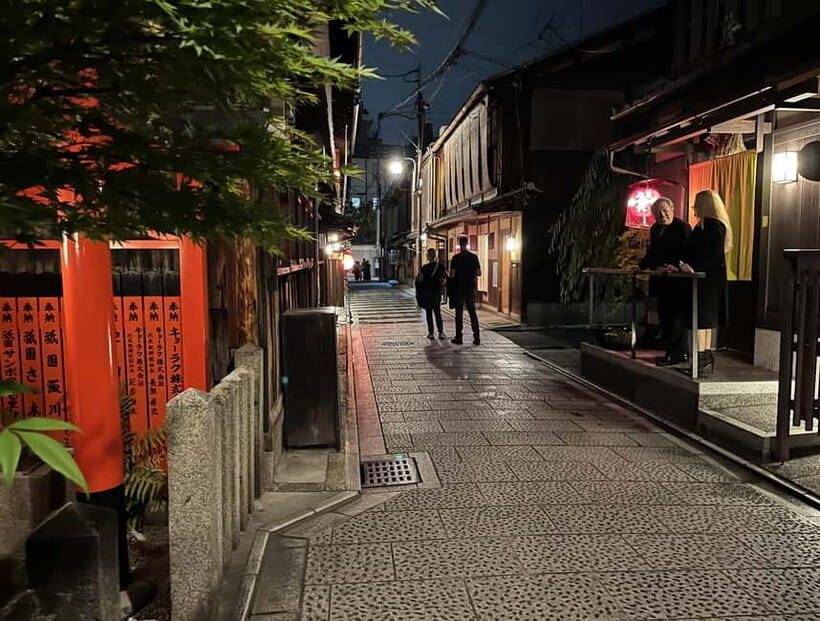
You meet the guide in front of the store Disney – Kyoto Shijo-Kawaramachi. The guide will be holding an iPad with the tour image so it’s easier to spot the right person.
Why this helps: it reduces the “where exactly is the guide?” stress, especially on busy streets. Still, I recommend arriving a few minutes early and using good shoe-and-bag discipline—Gion days move fast.
Also note the tour is on foot, so be ready for a walking pace that keeps the group moving through compact lanes.
The 2-hour route across Pontocho, Gion-Kobu, and Gion-Higashi

The tour covers three of Kyoto’s five hanamachi:
- Pontocho
- Gion-Kobu
- Gion-Higashi
You’ll cover roughly 3.3 km / 2 miles, which is a manageable distance for two hours if your feet are comfortable. The real point isn’t just distance—it’s the way the route links lanes, river views, bridges, and shrine areas into a story you can follow.
Pontocho alley and the Kamogawa area
The walk begins with Pontocho Alley, then moves through the area around Kamogawa. Even if you’ve seen Pontocho photos before, getting a guide’s explanation changes how you look at the street lines and building edges.
Along the way, you’ll also see the Pontocho Kaburenjo area and stop for viewpoints and details near Yagi-san and Kita-san statues. These aren’t “big monuments,” but that’s the point. Gion’s meaning shows up in these specific corners.
Then you cross Sanjo Ohashi Bridge and head toward Yamato Dori. Bridges are good tour anchors because they give you a visual reset—suddenly you can see how neighborhoods connect across the river rather than feeling trapped in one lane.




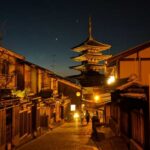
Gion-Kobu: Gion-Shinbashi Dori and Gion-Shiragawa
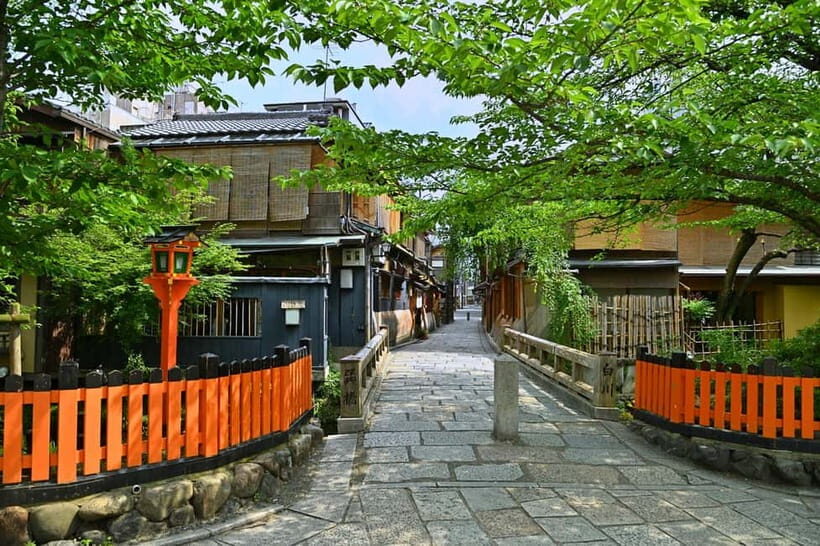
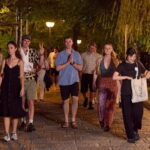
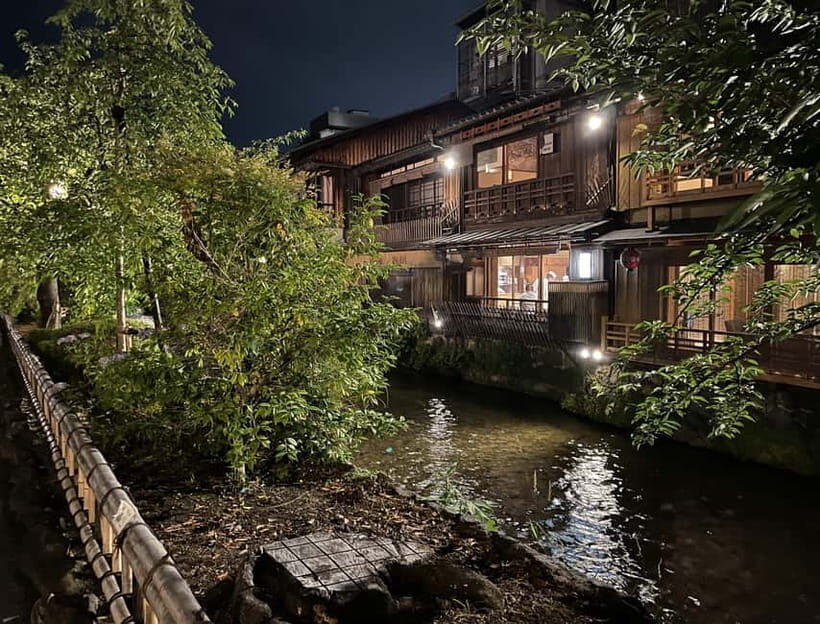
Next comes Gion-Kobu, with stops along Gion-Shinbashi Dori and the Gion-Shiragawa area. These streets help you understand how hanamachi spaces are organized and why certain places feel more “present” than others.
This is where the tour’s culture lesson becomes practical. You’ll connect architecture and street layout to the routines of maiko and geiko (geisha)—not in a vague way, but in a “what you can notice and why it matters” way.
A helpful detail: the guide keeps checking in so you don’t get lost in the story while also trying to spot what they’re talking about. That pacing makes it easier to retain the info.
Tatsumi Jinja and the bridge pause
You’ll move through Tatsumi Jinja and then cross Tatsumi Hashi Bridge. Shrine areas are often the fastest way to understand Kyoto’s layers because you see faith, tradition, and community space in one location.
This part works best if you’re comfortable slowing down for a moment. You’ll get explanations tied to what you’re seeing, and shrine grounds reward that pause.
Gion-Higashi and Yasaka Shrine (if time allows)
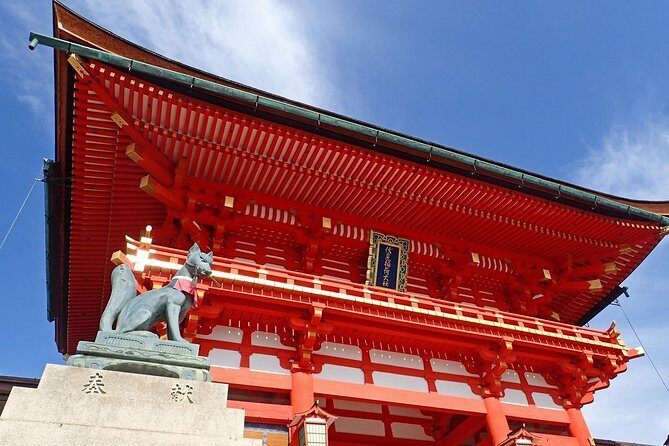
The tour finishes in Gion-Higashi and includes a visit to Yasaka Jinja / Yasaka Shrine, listed as the former Gion Shrine area. This stop matters because the tour connects the district name Gion to the shrine origin story.
If timing works out, you may also hear about the Gion Festival, one of Japan’s major festivals, connected to the Gion district with origins more than 1100 years ago. Even if you don’t catch festival season, that context gives meaning to why the area keeps pulling you back in.
And yes—this is exactly the kind of “why is it called that?” detail that makes a place feel less like a set of landmarks and more like a living tradition.
Maiko and Geiko life: what you can learn, sighting or no sighting
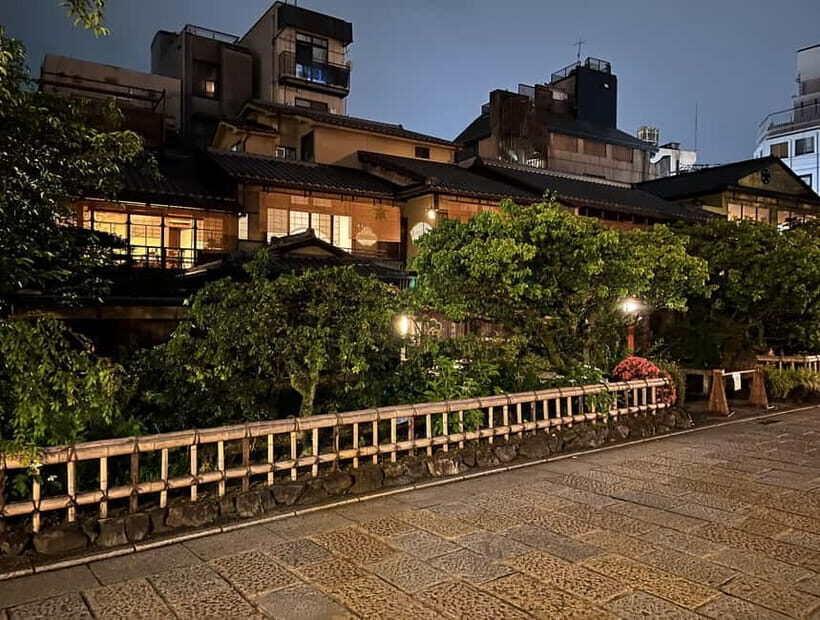
You might hope for a glimpse of Maiko-san and/or Geiko-san, but the tour makes it clear: sightings can’t be guaranteed. That’s not a letdown if you approach it correctly.
Instead of treating the tour like a hunt for performers, treat it like a guide to how the system works. You’ll learn about lifestyle, practices, and routines—plus what daily life around the hanamachi looks like from the guide’s perspective.
One reason the tour earns such strong marks: the guides don’t just say facts. They explain what you’re seeing and help you interpret signs, street rhythm, and the neighborhood’s boundaries. Once you understand what you’re looking at, Gion becomes interesting even when nobody walks out of a doorway.
If you do spot someone in traditional attire, you’ll be far more ready to notice what’s going on (and what’s likely happening next), because the tour has already given you the framework.
What’s missing on purpose: Hanamikoji-dori not included

A big expectation-management point: Hanamikoji-dori is not included. If you’re picturing the most famous Gion lane as the centerpiece, this tour is slightly different.
How to plan around that:
- Come for the neighborhood logic—alleys, preserved areas, and the “connections” between districts.
- Add Hanamikoji-dori on your own time if that’s the street you most want to photograph.
This isn’t about being worse or better. It’s about focus. When a two-hour tour chooses certain streets over others, it can explain more deeply where you’re standing instead of trying to cover everything.
Optional add-on: the free Gion Gallery extension on select departures
On the 9:45 and 12:30 tour departures, you can add a free visit to the Gion Gallery if you want to extend your time. That’s a nice option if you want a little extra context after the walking piece—especially for photos and background reading.
I’d treat this as optional. The core value is the on-foot guidance through Gion’s specific districts, and the gallery is the bonus layer if you have time.
Practical tips that make the tour feel easy
Because it’s mostly foot traffic through tight streets, your comfort matters more than you’d think.
Bring:
- Comfortable shoes
- Water
- Sun hat / sunscreen
- An umbrella (Kyoto weather can be moody)
Also, arrive with a mindset of asking questions. This tour is built for that. If something catches your eye—an architectural detail, a shrine element, a street name—ask. The guides are set up to respond, and the Q&A energy is part of what makes the walk worth doing instead of self-guided wandering.
Finally, consider what you want most from two hours:
- If you want photos only, you can DIY Gion.
- If you want meaning—why these districts exist, how hanamachi life works, and how to read the neighborhood—this is the kind of guided experience that pays off.
Should you book the Kioto Gion walking tour?

Book it if you want a short, guided, Spanish-language walk that helps you actually understand Gion’s layout and traditions. The combination of small group size (up to 6), an approachable guide, and a route that hits three hanamachi makes it a smart use of time.
Skip it (or at least manage expectations) if your main goal is a guaranteed Maiko/Geiko sighting or you need the tour to include Hanamikoji-dori. This walk is about learning what you see, not promising a specific outcome.
If you like asking questions and you want the neighborhood explained in a way that makes the streets feel clearer, this is one of the best-value ways to experience Gion without getting lost in trivia.
FAQ
How long is the Gion walking tour?
The tour lasts about 2 hours.
How much do we walk during the tour?
The walking route is about 3.3 km / 2 miles.
Which parts of Gion does the tour visit?
It visits three hanamachi: Pontocho, Gion-Kobu, and Gion-Higashi.
Is Hanamikoji-dori included in the itinerary?
No. Hanamikoji-dori is not included, so plan to walk there on your own if that’s a must-see for you.
Can I count on seeing a Maiko or Geiko?
No. A Maiko-san and/or Geiko-san sighting cannot be guaranteed.
Where is the meeting point?
Meet the guide in front of the Disney – Kyoto Shijo-Kawaramachi store. The guide will be holding an iPad showing the tour info.
Can I add the Gion Gallery during the tour?
Yes, on the 9:45 and 12:30 departures, you can include a free visit to the Gion Gallery if you want to extend your time.