REVIEW · 1-HOUR EXPERIENCES
1 Hour Geisha Show in Kyoto
Book on Viator →Operated by GuideMe Japan · Bookable on Viator
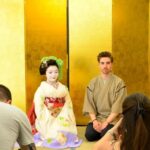
Maiko are almost never this close. In Kyoto’s Kamishichiken Street, you get a rare, up-close look at a real maiko through two short dances (about 10 minutes total), plus a Q&A, a photo moment, and a traditional game.
I love the chance to watch a maiko directly in a controlled, respectful setting, where the focus stays on craft, not a long stage production. I also love the two venue options—an authentic Kyo-Machiya tea house or a dedicated showhouse—so you can pick the vibe that matches your day. One possible drawback: the maiko performance won’t run the full hour, since the show is designed to keep things intentionally short.
In This Review
- Quick hits
- Why a maiko show in Kyoto feels rare (and why it’s short)
- Tea House Kyoto vs Gion Theater: what’s the real difference
- Kamishichiken Street: your short performance, then Q&A
- Photos, a traditional game, and respectful audience time
- Price and value: what you’re paying for at $79.59
- The kimono option: how to get ready without stress
- Who should book, and who might want to skip
- Should you book this 1-hour geisha show in Kyoto?
- FAQ
- How long is the experience?
- Where does the show take place?
- What’s included in the show?
- Are there group discounts?
- Do I need to pay when I pick up the kimono rental and hair set?
- Where do I go if I selected the kimono rental & hair set option?
- Is there a limit on group size?
- How much does it cost?
- What is the cancellation policy?
Quick hits
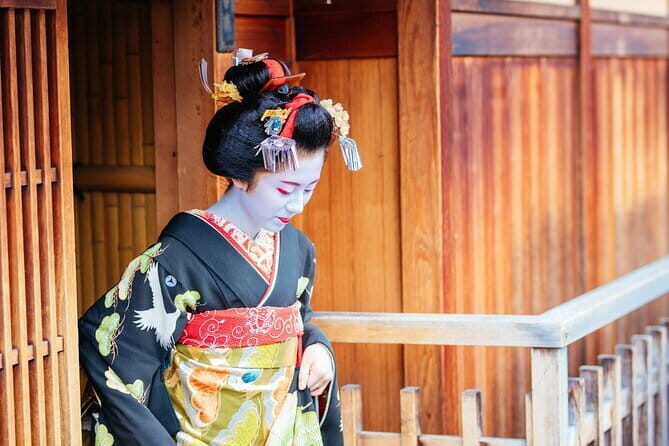
- Two short dances, then interaction: expect Q&A, photos, and a traditional game after the performance
- Maiko-only access: a rare chance to see a maiko up close (only about 40 remain in Kyoto)
- Small group format: capped at a maximum of 25 people, which helps keep the atmosphere calm
- Venue choices: choose between a tea house in a Kyo-Machiya or a dedicated theater showhouse
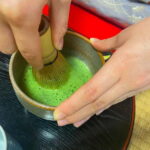
- Tea included: you’ll get traditional Japanese green tea as part of the experience
Why a maiko show in Kyoto feels rare (and why it’s short)
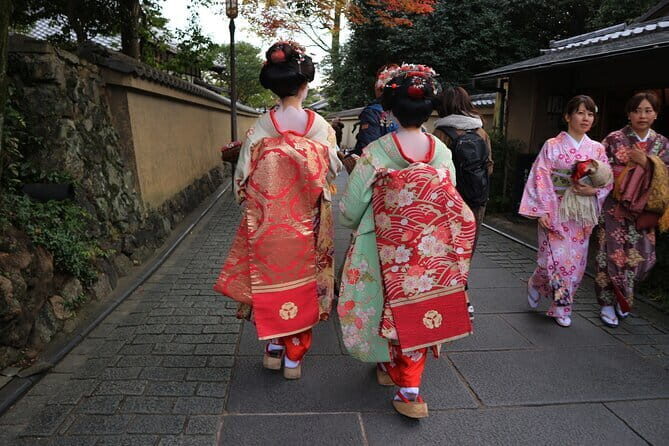
This experience is built around a simple idea: you don’t go to a long performance. You go to see something scarce—an active maiko—up close, with time to ask questions and take photos.
The show is intentionally brief because the tradition is designed to preserve the art form. In practice, that means you should not plan your expectations around a full hour of dancing. Plan on a compact set of two dances, then settle into the other parts of the experience where you actually get to connect with what you’re seeing.
You’ll also notice the tone is more respectful than flashy. Guides keep the group moving in a way that doesn’t feel like a theme-park crowd. When guides like Soichiro or Genki lead, you can tell they’re focused on helping you understand what you’re looking at, not just moving people through the door.
You can also read our reviews of more tours and experiences in Kyoto

Tea House Kyoto vs Gion Theater: what’s the real difference
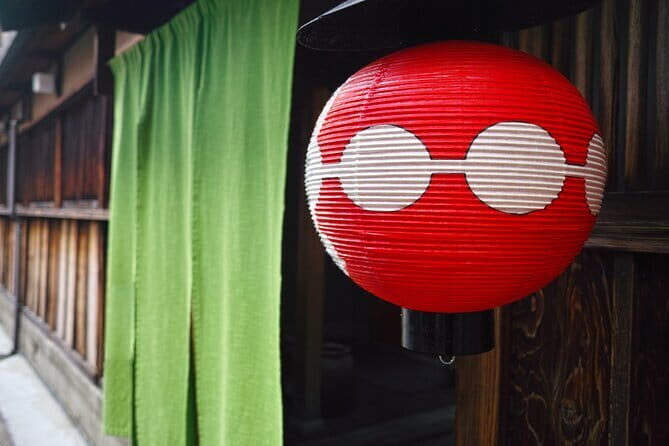
You’ll have two options, and the choice affects your comfort and your photo experience.
- Tea House option (Kyo-Machiya): this is held inside an authentic Kyo-Machiya. Think traditional wooden atmosphere, quieter pacing, and a more intimate room feel.
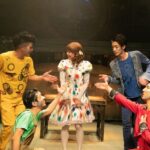
- Gion Theater option (showhouse): held in a dedicated showhouse, which can feel more structured and theater-like.
One practical tip: the operator tells you to check photos before booking. That’s not just marketing fluff. Seating and sightlines can vary depending on the venue and the layout around the tea setup.
A person who mentioned the seating being a little confusing said they ended up in the middle and had the worst view of the dance. That’s your cue to arrive with a calm attitude and be ready to adjust where you sit when you get there—especially if you care about seeing every detail of the movement.
Either way, your goal isn’t to watch from a distant stage. The point is to be close enough to feel like this is happening for real, not for a camera crew.
Kamishichiken Street: your short performance, then Q&A
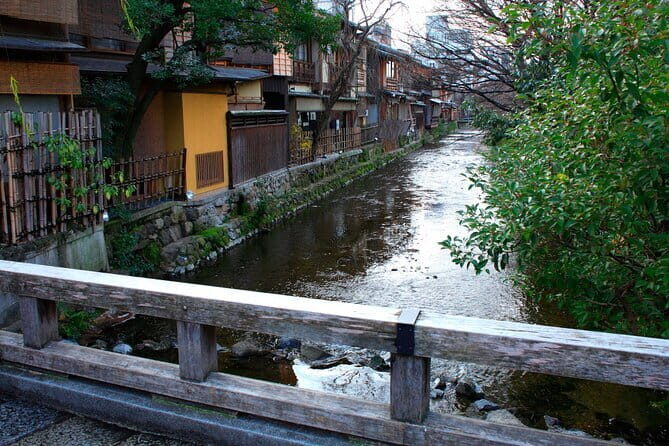
The action centers in Kyoto’s Gion area around Kamishichiken Street. This is where you’ll meet your guide and get oriented before the maiko begins.
Your experience includes a professional guide/translator, and different guides show up (names mentioned include Ai, Chihiro, and Yuko). Whoever you get, the job is the same: explain what’s happening, translate the maiko’s answers, and keep your group engaged without turning the show into chaos.
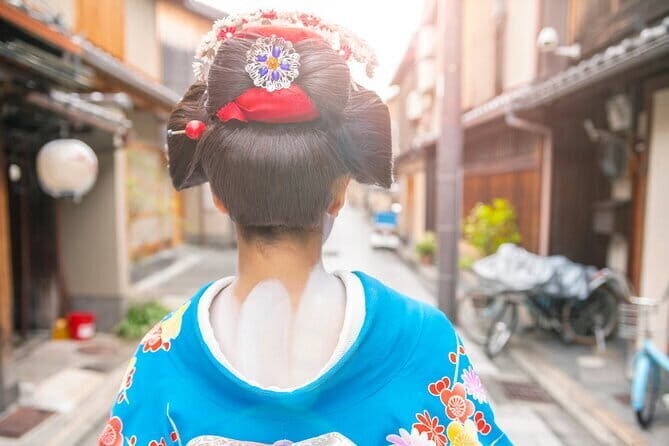
Then comes the performance: two short dances with about 10 minutes total of dance time. This is the part where you’ll want to lean in—literally and mentally. If you go in expecting nonstop dancing, you’ll miss the point. If you go in ready to watch closely and listen to the explanation, it feels far more satisfying.
After the dances, the show shifts into Q&A. This is where you learn the most, because you’re not only watching the art—you’re hearing the thinking behind it. And yes, you’ll have a photo session too, where the atmosphere becomes friendly and conversational rather than formal.
Photos, a traditional game, and respectful audience time
After the Q&A, the program includes a traditional Japanese game. It’s not random entertainment. It’s another way the host shares culture through something interactive, and it also helps break the tension that can build in quiet formal spaces.
One of the best things about this part is that it feels like an extension of the human connection you started during Q&A. You’re not just spectators anymore. Your guide helps set expectations, and the maiko stays engaged with the group.
Photo time is also a big deal here. The setup is meant for you to take photos and (when guided) capture the moment with the performer. If your priority is photos, choose the venue option that matches your comfort level: tea houses can feel more intimate and cozy for pictures, while showhouses can feel more organized and predictable.
One caution from the real world: timing can be strict. There’s at least one account of people being told that if you’re late, you may not get in once the show has started. So treat the start time seriously. If you’re the kind of person who always shows up five minutes late in your home country, reset that habit in Kyoto.
Price and value: what you’re paying for at $79.59
At $79.59 per person, this is not the cheapest thing to do in Kyoto. But it can be good value if you understand what you’re actually buying.
You’re paying for:
- direct access to an active maiko (rarity matters here, since only about 40 remain in Kyoto)
- a format that includes green tea, explanation, Q&A, and photos
- a small-group ceiling (maximum 25 people)
- real-time translation so the experience doesn’t become guesswork
You are not paying for a long dance show. You’re paying for access and interaction.
That’s why one person called it a bit overpriced yet still worth it as a unique experience. That reaction makes sense: if you mainly want entertainment length, the show can feel short. If you want a close, human, learn-something experience that connects you to the tradition, the price can feel fair.
I’d also think about who’s in your group. If you’re traveling solo, the price may feel sharper. If you’re booking as a pair or small group, check whether group discounts apply in your case (they’re mentioned as a feature), since that can soften the cost.
You can also read our reviews of more tours and experiences in Kyoto



The kimono option: how to get ready without stress
If you select the kimono rental & hair set option, you’ll handle part of the day on your own before the show.
Go to Kyoto Kimono Rental Mimosa, located at:
362-2 Masuyacho, Higashiyama Ward, Kyoto 605-0826
They’re open daily from 8:00–18:00. The important practical point: you don’t pay at the shop. The rental and hair set are already included.
When you arrive, tell the staff you’re from GuideMe Japan and give your name. That’s it. Keep your schedule simple, especially if you’re pairing this with other Kyoto plans.
This option can be a fun match for the theme of the evening, but it also adds time needs. If your day is already packed, consider whether you want that extra step or if you’d rather keep the experience low-friction.
Who should book, and who might want to skip
This works best if you want:
- an up-close, human interaction with an active maiko
- Q&A and explanation (not just passive watching)
- photos in a guided setting
- a short, focused cultural block rather than an all-night commitment
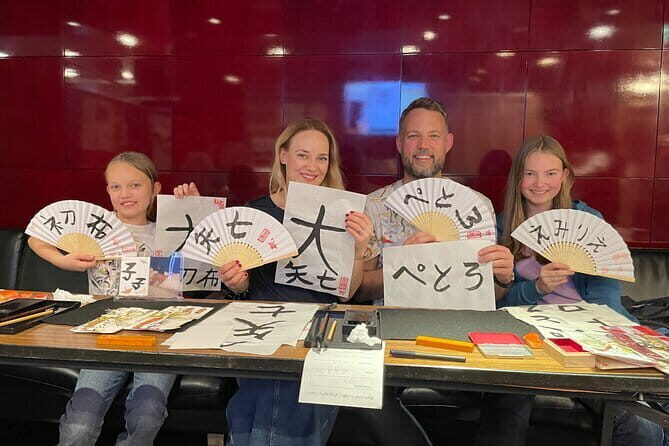
It can also be a solid choice for families, since the program includes a traditional game and the tone tends to stay approachable. If you’re bringing kids, you’ll likely appreciate that the format shifts after the dances into something less rigid.
Who should maybe skip: if you want a long, continuous performance with lots of dancing, you’ll likely feel impatient. The maiko performance is brief by design, and no amount of enthusiasm can turn a 10-minute dance segment into a full-length show.
And if you don’t like strict timing, take note. One negative experience described late entry rules and frustration around time changes. That doesn’t mean it always happens, but it’s enough that you should build in buffer time and keep an eye on your confirmation message.
Should you book this 1-hour geisha show in Kyoto?
If your goal is rare access and real interaction with a maiko, I think this is one of the more worthwhile ways to spend an evening in Kyoto. The show is short, but that’s also the point: the art stays intact, and the rest of the time goes to questions, photos, tea, and a traditional game.
Book it if you’ll enjoy learning while you watch, and if you’re okay with a structured, time-sensitive program. Skip it if you mostly want a long dance spectacle or you’re the type who hates being early.
If you do book, set yourself up for success: choose the venue option that fits the kind of photos and atmosphere you want, arrive on time, and go in ready to watch closely rather than count minutes.
FAQ
How long is the experience?
The duration is about 1 hour to 1 hour 30 minutes. The maiko dances are intentionally short, with about 10 minutes of total dancing.
Where does the show take place?
The experience is in Kyoto, with the main stop around Kamishichiken Street. Depending on your option, it’s held either in a tea house in a Kyo-Machiya or in a dedicated showhouse in Gion.
What’s included in the show?
You’ll get a geisha/maiko meeting and experience, two short dances, green tea, Q&A, a photo session, and a traditional Japanese game. Translation is also included.
Are there group discounts?
Group discounts are listed as a feature, so you may see options that reduce the per-person cost depending on how you book.
Do I need to pay when I pick up the kimono rental and hair set?
No. If you booked the kimono rental & hair set option, you should not need to pay at the shop because it’s already included.
Where do I go if I selected the kimono rental & hair set option?
You should go to Kyoto Kimono Rental Mimosa at 362-2 Masuyacho, Higashiyama Ward, Kyoto 605-0826 before the show, and tell the staff you are from GuideMe Japan with your name.
Is there a limit on group size?
Yes. The experience has a maximum of 25 travelers.
How much does it cost?
The price is $79.59 per person.
What is the cancellation policy?
Free cancellation is available up to 24 hours in advance for a full refund. If you cancel less than 24 hours before the experience start time, the amount you paid is not refunded.