REVIEW · 2-HOUR EXPERIENCES
Kyoto 2 Hours Genuine Kendo / Samurai Experience In Japan
Book on Viator →Operated by SAMURAI TRIP · Bookable on Viator
Kendo training in Kyoto feels instantly real. In just about two hours, you get hands-on instruction in a traditional Japanese martial art, with guidance that makes the rules and etiquette click. My favorite part is how quickly you move from theory to practice right at the dojo after meeting your instructor at Hanazono Station.
I also like the fact that the full kendo gear rental is included, so you can show up without planning clothing, rentals, or extra logistics. And because the instructor has experience teaching in English, you’re not stuck guessing what to do when the terminology and routines start.
The main drawback is simple: you’ll wear protective armor that can feel hot, and this is built for people with at least moderate physical fitness. If you’re sensitive to heat or short bursts of physical effort, plan accordingly.
In This Review
- Key highlights to know
- Kyoto Kendo in Two Hours: what you really learn
- Finding Hanazono Station and getting to the dojo (quickly)
- The included gear: armor, shinai, and why you should plan for heat
- The class flow: warm-up, footwork, dummy practice, then bouts
- Etiquette and mindset: manners, spirit, and why it’s more than fighting
- Meet your instructor: Takahiro Hayashi and English-friendly coaching
- How much is it worth? The $118.89 value for a gear + coaching lesson
- What to bring (and what you can skip)
- Who should book this Kyoto kendo experience
- Should you book this kendo lesson in Kyoto?
- FAQ
- How long is the kendo experience?
- How much does it cost, and what do I get for that price?
- Where is the meeting point?
- What time does the session start?
- Is hotel pickup or drop-off included?
- Do I need a lot of fitness for kendo armor training?
- Is the instruction available in English?
Key highlights to know
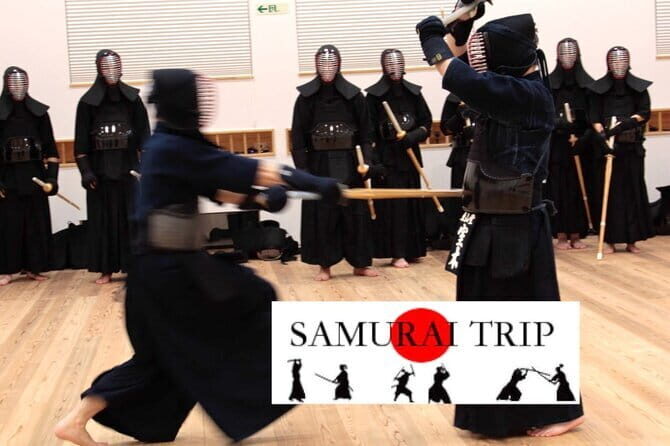
- Gear included: all kendo equipment is provided, so you don’t have to bring a thing
- English-friendly instruction: the instructor can explain clearly for non-Japanese speakers
- A complete first-timer progression: warm-up, footwork, dummy practice, then controlled bouts
- Kyoto culture lessons: focus on manners, etiquette, and the mindset side of kendo
- Post-practice comfort: a free kendo towel plus bottled water after class
Kyoto Kendo in Two Hours: what you really learn
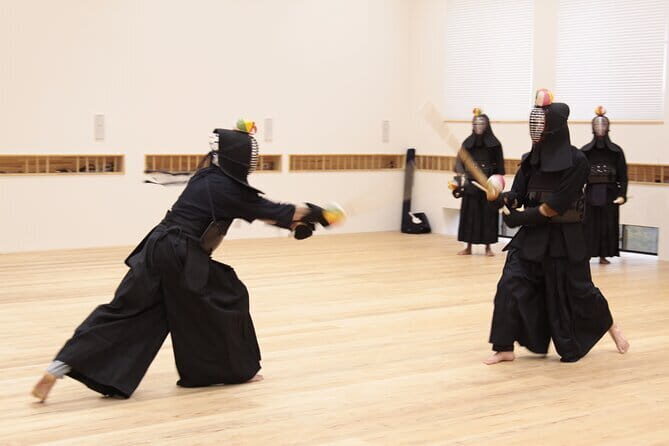
This isn’t a long, ceremonial-only experience. It’s a short lesson designed to give you a real feel for kendo without turning the session into a guessing game. In roughly two hours, you’ll work through the basics of kendo rules, how to use the armor, and how the sport is meant to be done with correct form and correct attitude.
The structure matters for first-timers. Instead of throwing you directly into sparring, you start with the foundation: how to move, how to hold and use the bamboo sword (shinai) safely, and how the class expects you to behave before anyone starts swinging. You’ll also get practice in terminology and routine actions like bowing, which is a big part of how kendo carries its values—people don’t just show up to hit. They show up to train spirit, manners, and discipline.
What makes the class particularly good value is the combination of instruction and equipment. Kendo gear can be intimidating to figure out, but here you’re not stuck renting or bargaining for sizes. You’re guided into it, then coached through the steps.
You can also read our reviews of more tours and experiences in Kyoto

Finding Hanazono Station and getting to the dojo (quickly)
The meeting point is Hanazono Station in Kyoto, with the start time at 10:00 am. There’s no hotel pickup or drop-off, so you’ll want to show up with enough time to find the exact place where your instructor meets you.
One thing I like about this setup is that the station location keeps things simple. It’s near public transportation, and getting there tends to be straightforward compared with activities that require long rides or transfers. In practice, the handoff is quick: the instructor meets you at the station and then you head to the dojo area, described as a very short walk.
If you’re the kind of traveler who likes to arrive early, do it here. Two hours goes fast, and you’ll feel less rushed if you give yourself a little buffer time at the station.
The included gear: armor, shinai, and why you should plan for heat
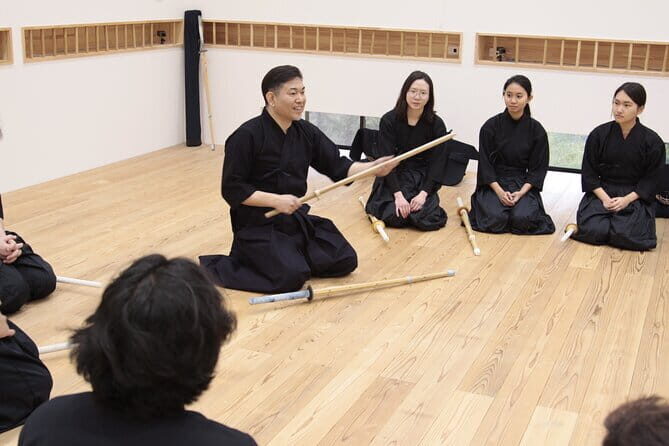
You’ll get all kendo equipment as part of the experience. That includes the protective armor setup used for training, which is where many beginners get nervous. Will it fit? Will it feel awkward? Will I look silly? Usually, that’s exactly what people worry about.
Here, the point is that you’re learning how the armor is used, not just learning how to swing. The instructor helps you with the basics of wearing it and moving in it safely, so you can focus on technique instead of constantly adjusting straps.
One practical consideration: armor can run hot. Even though the experience includes a free kendo towel and bottled water, it can still feel warm under the equipment. I’d treat that as a normal part of the sport. Wear clothing you’re comfortable sweating in, and bring extra moisture timing in your head. The class provides water, but your body still needs a smooth transition from walking around Kyoto to training in full gear.
The class flow: warm-up, footwork, dummy practice, then bouts
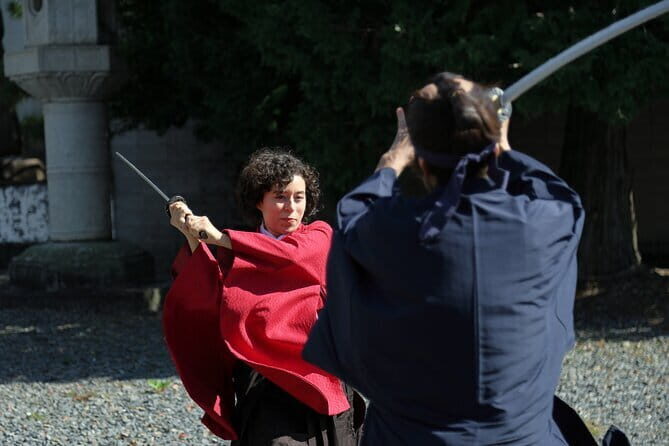
The learning arc is clear and beginner-friendly. You get the warm-up first, then you build up in stages:
- Footwork and basic movement: you learn how kendo requires more than arm strength
- Weapons on a dummy: you practice striking patterns in a controlled way
- Controlled practice against others: you move into simple match-style drills
This progression is exactly what you want when you have limited time. You’re not just observing. You’re doing.
And the fun part is that the session is structured so you can feel progress within the same lesson. The jump from movement drills to weapon practice makes sense, and the final stage—bouts—is where the training becomes real. Even if you don’t feel athletic, the instructor’s guidance helps you understand what matters: stance, timing, and correct technique rather than raw power.
One memorable detail: some sessions can be small, which makes it easier to get coaching and to experience the match portion without feeling lost in a crowd. The class has a maximum group size of 30, but the key for you is that the format is designed for active participation, not just a demonstration.
Etiquette and mindset: manners, spirit, and why it’s more than fighting
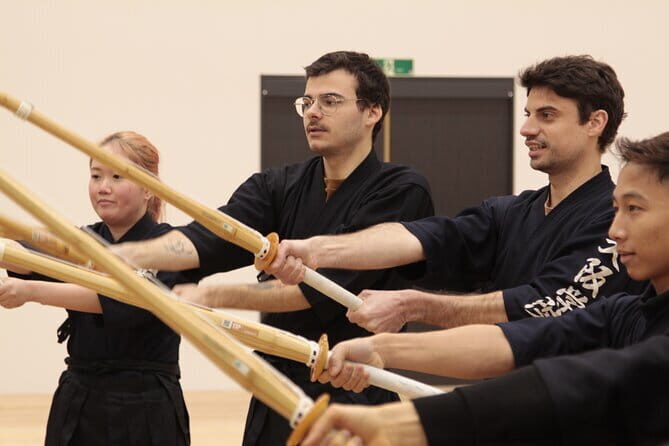
Kendo isn’t taught as violence. It’s taught as a disciplined practice. This experience specifically frames kendo through three benefits: Unify your spirits, Manners, and Lifelong Kendo.
In real terms, that shows up in the routines. You’ll practice respectful actions like bowing and work through etiquette and terminology as part of the lesson. The instructor’s job isn’t only to correct your form—it’s to show you why the form exists. When you understand that, kendo feels less like random swordplay and more like training the mind as much as the body.
This also explains why the class emphasizes safety and structure. A kendo lesson isn’t just about whether you can move fast. It’s about learning how to act within the rules. The instructor is described as experienced, including 7th Dan grade teaching experience, and the approach is framed as safe and fun for participants.
If you enjoy Japan’s cultural side—bowing etiquette, disciplined routines, and learning how people turn daily practice into character—this part of the experience is where you’ll feel the most meaning.



Meet your instructor: Takahiro Hayashi and English-friendly coaching
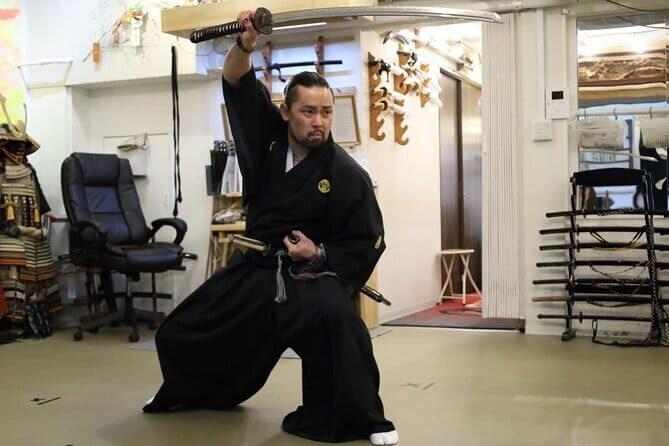
The English-friendly aspect is a big deal in kendo, because in Japan many instruction moments can happen fast and in Japanese-heavy detail. This experience is set up so the instructor has experience teaching in English, which makes the basics much easier to absorb.
In one account, the instructor is named Takahiro Hayashi, described as friendly and knowledgeable, with positive energy that keeps the session moving. That matters because kendo can feel intimidating at first—until someone helps you understand what you’re doing and why.
When coaching is clear, your learning speeds up. You stop wondering what commands mean and start focusing on execution. That’s when you actually enjoy the experience, instead of just surviving it.
How much is it worth? The $118.89 value for a gear + coaching lesson
At $118.89 per person for about two hours, you’re paying for more than a “try it once” moment. The value is in three areas:
First, the class includes all kendo equipment, so you’re not paying extra for rentals or scrambling last-minute to find gear. Second, you get guided instruction that’s designed for people who don’t speak the language of the dojo. Third, you’re not just watching—you’re practicing through the main stages, from warm-up to match-style drills.
If you’ve paid for activities where you get a quick intro and then spend most of the time standing around, this is different. The structure is built for action. Even though it’s short, it covers enough ground to leave you with a real understanding of the basics: rules, armor use, movement, and the etiquette framework behind the sport.
One more value factor: the session includes a kendo towel and bottled water. That’s small, but it removes two common travel irritations: forgetting a towel and wondering when you’ll be able to hydrate.
What to bring (and what you can skip)
You can keep your kit simple because the class provides the equipment, towel, and water. You don’t need to bring kendo gear.
What I’d add for comfort:
- A small extra towel just in case you want to manage sweat beyond the included one
- Comfortable clothes for under the armor, since the gear can feel hot
- Patience with yourself as a beginner—you’re learning movement and etiquette at the same time
Also, remember there’s no hotel pickup, so make sure you’re comfortable reaching the station by public transportation and arriving on time.
Who should book this Kyoto kendo experience
This is a strong fit if you want:
- A first kendo lesson that teaches you the basics of rules and etiquette, not just the physical technique
- A hands-on cultural experience in Kyoto that feels authentically Japanese
- An English-friendly class where you can follow instructions clearly
It’s also a good choice if you travel with family or people new to martial arts, because the lesson format is designed to be safe and approachable—active, not intimidating.
I’d think twice if:
- You dislike wearing protective gear for even a short period
- You’re dealing with injuries or you can’t manage moderate physical effort
- You need hotel pickup or you strongly prefer door-to-door convenience
Should you book this kendo lesson in Kyoto?
If you’re the type who likes doing one real cultural activity with direct coaching, I’d book it. The biggest strengths are the included equipment, the short but structured progression, and the way the lesson connects technique with manners and mindset.
Choose it for your first martial arts experience in Japan if you want a clean, beginner-friendly start with clear instruction and real practice time. Pass if you’re heat-sensitive or you’re expecting a fully private, custom training plan—this is a group experience with a cap of 30, designed for instruction with safe participation.
FAQ
How long is the kendo experience?
It runs for about 2 hours.
How much does it cost, and what do I get for that price?
It costs $118.89 per person and includes all kendo equipment, a free kendo towel, and bottled water.
Where is the meeting point?
You meet at Hanazono Station (Hanazonoteranouchicho, Ukyo Ward, Kyoto, 616-8043, Japan).
What time does the session start?
The start time is 10:00 am.
Is hotel pickup or drop-off included?
No. You’ll need to make your own way to the meeting point.
Do I need a lot of fitness for kendo armor training?
The experience calls for a moderate physical fitness level.
Is the instruction available in English?
The class is described as having an instructor with experience teaching in English, with explanations made easier to understand.