REVIEW · WALKING TOURS
Kyoto Run & Walk Tour with Locals
Book on Viator →Operated by Soyo · Bookable on Viator
Kyoto wakes up best on foot. This early-morning run & walk turns sightseeing into a real workout, led in English by local guide Soyo, who has lived in Kyoto for over 30 years. I especially like the crowd-avoiding start and the slow, friendly pace (about 7–9 min/km) that still lets you enjoy the sights. One thing to note: this is not a hard-training run, so if you want to chase speed, you may feel under-challenged.
You’ll also get a small-group experience, capped at 4 travelers, with stops for explanations so you’re not just jogging past everything. The tour runs about 2–2.5 hours, uses a mobile ticket, and includes bottled water to keep you comfortable. If you’re hoping for a lot of spare time to wander on your own, the guided stops do mean the itinerary stays pretty structured.
In This Review
- Key things I’d plan around
- Why a sunrise run works so well in Kyoto
- Meet Soyo and lock in the pace (no tough-guy energy required)
- Route rundown: Higashi Hongan-ji, Takasegawa, and the Kyoto waterways
- Heian Shrine and Yasaka Shrine: quiet space between active moments
- Hanamikoji Street finish: turn the workout into a proper morning stroll
- Seasonality: cherry blossoms and autumn color, but with realistic expectations
- Price and value: what $19.51 really buys you
- What to bring: simple gear choices that prevent a messy morning
- Who this tour is best for
- Should you book Kyoto Run & Walk with Locals?
- FAQ
- How long is the Kyoto Run & Walk Tour with Locals?
- What pace will we run at?
- Is the tour suitable for first-time runners?
- What’s included in the tour price?
- Where do we meet?
- What is the group size?
- What happens if it rains?
- How does cancellation work?
Key things I’d plan around
- Sunrise timing so streets feel calmer and the city is easier to enjoy on foot
- Relaxed pace around 7–9 min/km, welcoming first-time runners
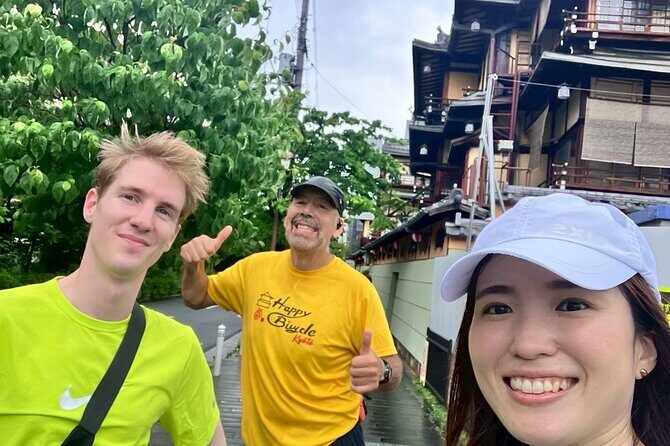
- A long-time local guide (Soyo) for practical, in-context explanations
- Small group size (max 4) for a more personal, conversational walk/run
- A mix of temple, river, shrine, and classic street time without feeling like a checklist
Why a sunrise run works so well in Kyoto
Kyoto is beautiful anytime, but it gets a lot easier when you’re moving early. This tour starts early enough that you’re not fighting peak-day crowds, and the air feels fresher as you jog and walk between sights. I like that the plan is built around pacing and atmosphere, not around a rush to tick off landmarks.
The route also makes practical sense. Instead of spending all your energy on one famous spot, you keep your momentum while switching environments: temple grounds, water views, shrine space, then a well-known street finish. That rhythm helps you enjoy the city even if you’re not a fitness machine.
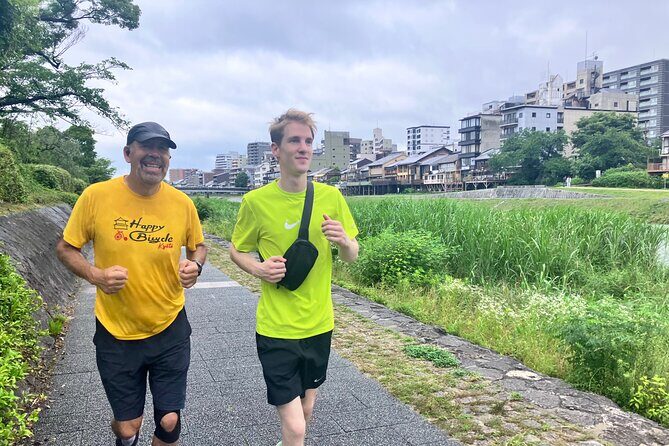
And yes, you do get exercise. The pace is slow—roughly 7–9 minutes per kilometer—so the goal is comfort and flow. You’re not aiming for a personal best; you’re aiming to feel good while seeing more Kyoto than you’d manage at walking speed alone.
You can also read our reviews of more walking tours in Kyoto
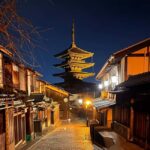
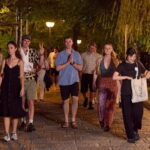
Meet Soyo and lock in the pace (no tough-guy energy required)
The tour is guided in English, which matters a lot in Japan when you want real explanations instead of guessing. Soyo’s background—she’s lived in Kyoto for more than 30 years—shows in how she connects what you see to how the city feels as a daily place, not just a museum.
Before you head out, you’ll essentially get set up for the day’s rhythm. You’ll jog at a relaxed tempo and then walk as needed, with breaks at key points for explanations. That means even if your legs feel shaky in the morning, you have built-in recovery without the tour turning into a long stop-and-start lecture.
This also makes the tour a solid choice for beginners who still want to try running. You’re not required to be fast, and the group stays small enough that you won’t feel swallowed by a big pace line. Still, you should have moderate physical fitness and be comfortable running/walking for the full time.
Route rundown: Higashi Hongan-ji, Takasegawa, and the Kyoto waterways
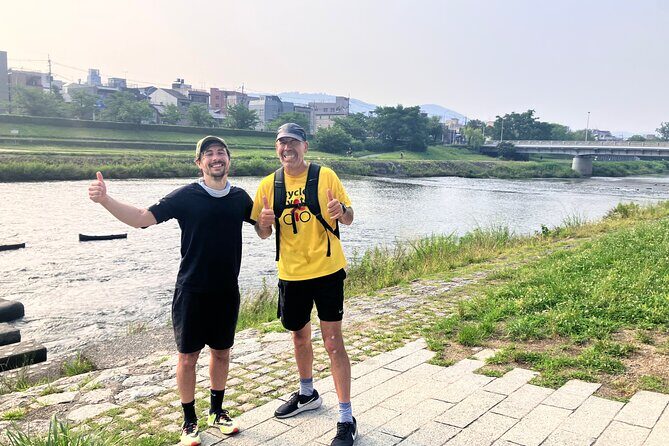
The first stop is Higashi Hongan-ji Temple. Going early gives you a calmer first impression, and the temple setting helps you ease into the run/walk format before you get deeper into street-level motion. You’ll pause for explanations there, which is helpful because it turns the visit from scenery into something you understand while you’re there.
From the temple area, the tour transitions toward Takasegawa, where the character of the route starts to shift. This is the part of the tour where the city feels more like it’s flowing through itself—roads, footpaths, and water-adjacent atmosphere shaping your pace. I like sections like this because they naturally break up effort, so you don’t feel like you’re forcing a steady jog for the whole morning.
Then you’ll move along to the Kamogawa River. A riverside section is a smart pairing for a running tour: you get long sightlines, open air, and a change from the tighter feel of temple streets. The guide’s stops here add meaning, since you’re not only looking at the view—you’re learning what to notice as the route moves beside the water.
A practical tip: mornings can still be cool, especially in seasons when Kyoto is known for blossoms or fall color. Dress for temperature swings and expect you might need layers you can easily remove once you’re moving.
Heian Shrine and Yasaka Shrine: quiet space between active moments
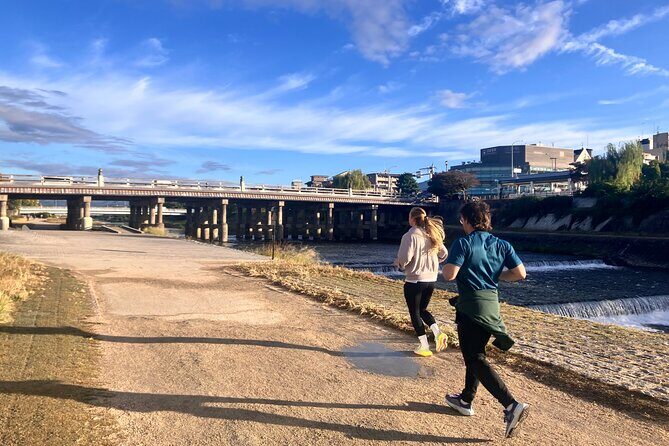
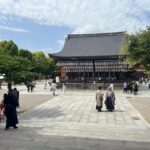
Next comes Heian Shrine. Shrines tend to reset your mental pace because you’re stepping into a more deliberate space than a typical street walk. The tour’s structure works well here: you’re already warmed up, and the stop-and-explain moments help you appreciate what you’re seeing instead of just passing it at a run.
After that, you head to Yasaka Shrine. By this point, you’ve learned the tour rhythm—jog, walk, stop, listen, then move on. I found that the second shrine stop is where the experience clicks, because you can compare atmosphere as you go. It’s the kind of day where your brain stops treating Kyoto as a list and starts treating it as connected neighborhoods.
One consideration: shrine and temple areas often have rules about how people move and behave. This tour is designed to keep things orderly, but you should plan on slowing down respectfully during explanations and when foot traffic changes.
Hanamikoji Street finish: turn the workout into a proper morning stroll
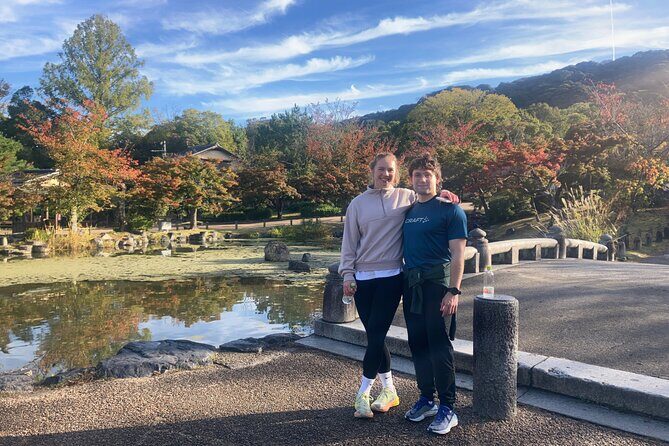
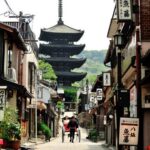
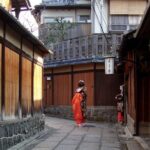
The final stop is Hanamikoji Street. This is a great way to end the experience because it gives you a slower, more wandering-feeling finish after the run/walk work has done its job. By the time you reach a classic street like this, you’ll likely feel comfortably “in Kyoto mode,” not just exhausted from being in motion.
I also like the sequencing. You’re not ending in a random place with nowhere to go—you’re ending where it’s natural to keep strolling if you want. Even if you’re done with exercise, this is a satisfying transition from structured tour time to personal time.
The tour ends back at the meeting point, so you’re not left figuring out transport at the end. That matters because a morning tour can otherwise turn into a second logistical task when you’re already awake and active.

Seasonality: cherry blossoms and autumn color, but with realistic expectations
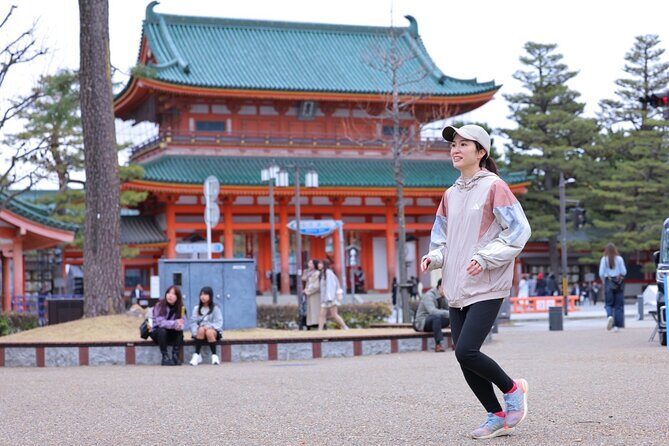
Depending on the season, you might see cherry blossoms or autumn foliage along the way. That’s a big selling point, because these are Kyoto’s most photogenic moments—yet this tour doesn’t feel like a purely “photo line” experience. You’re earning your scenery with movement.
That said, don’t plan for everything to be perfectly timed. Seasonal beauty is weather- and timing-dependent, and you’re outdoors for a chunk of the morning. If you show up with flexible expectations, you’ll enjoy it more.
If you’re visiting around peak foliage or peak blossom season, the value of the early start gets even clearer. You’re not just chasing pretty views—you’re doing it before the streets feel packed.
Price and value: what $19.51 really buys you
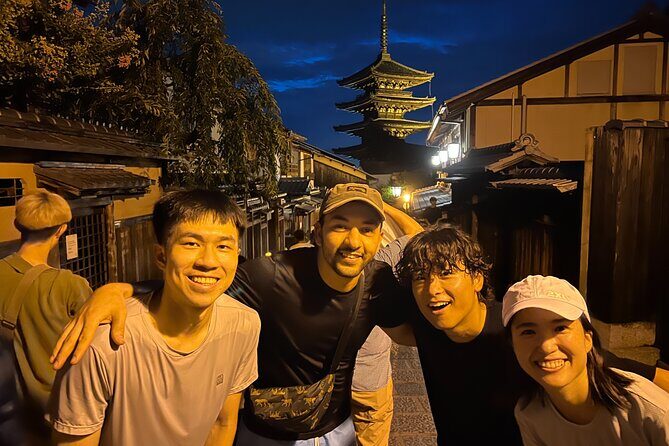
At $19.51 per person, this tour is priced in the “treat yourself” category—cheap enough to justify even if you’re not sure you’ll enjoy a running day. What makes it feel fair isn’t just the low price; it’s the mix of things you get for it: an English-speaking local guide, a small group size (max 4), a structured route with multiple stops, and bottled water included.
Most importantly, you’re paying for time with someone who can explain what you’re looking at while you move through real neighborhoods. That’s hard to replicate on your own unless you already know the city well. Even if you’re comfortable navigating Kyoto, explanations and an efficient route can save you a lot of guesswork.
Also, the pace is set for a broad range of people. That means you’re not paying for a specialized “only runners” experience that leaves beginners behind. In my book, that inclusivity is part of the value.
What to bring: simple gear choices that prevent a messy morning
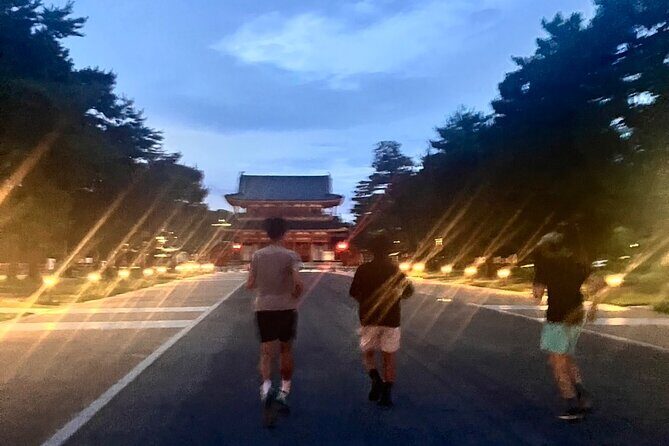
This tour includes bottled water, but it doesn’t include running wear and shoes or a locker, so plan accordingly. If you have proper running shoes, wear them. If you don’t, pick comfortable footwear with good grip. Since you’re jogging slowly and walking a lot, comfort matters more than fancy gear.
Bring what you need for weather too. In case of rain, the tour still runs in light rain as a walking tour, so you should pack your rain gear. If the weather is too rough, the decision is made by 12:00 p.m. the day before, and you’ll be notified if the tour cancels.
One small but important planning point: your legs may not match your expectations. Early-morning exercise feels different, even at a relaxed tempo. Give yourself a quick warm-up mindset and keep your pace honest—this is a tour where “slow and steady” wins.
Who this tour is best for
This one fits best if you want a morning activity that combines movement with meaningful stops. If you like cities that have layers—temples, water, shrines, and regular streets—this route style keeps you engaged without making you sprint from one photo spot to the next.
It’s especially good for:
- First-time runners who want a relaxed pace and guided structure
- People who enjoy learning as they walk, not just looking around
- Travelers who want to experience Kyoto before the day gets intense
If you’re a serious runner chasing speed or distance goals, you might find the pace too easy. And if you strongly prefer unstructured time, the scheduled stops may feel limiting.
Should you book Kyoto Run & Walk with Locals?
I’d book it if you want an early start, a small group, and a local English guide to make the morning make sense. The best part is the balance: you get exercise without losing the sightseeing, and the guide-led stops keep you from feeling like you’re just running around.
Skip it if you only want vigorous running or if you hate the idea of moving through multiple sites in a single morning. Also be realistic about weather—your morning is outdoors, so bring rain gear and dress for temperature changes.
If your goal is to see Kyoto in a way that feels active but not stressful, this is a smart, good-value choice.
FAQ
How long is the Kyoto Run & Walk Tour with Locals?
It lasts about 2 hours, with the course noted as around 2.5 hours including stops.
What pace will we run at?
The pace is relaxed, roughly 7–9 minutes per kilometer (described as slow pace).
Is the tour suitable for first-time runners?
Yes. The tour is set at a slow running pace and welcomes all running levels, including first-time runners.
What’s included in the tour price?
Bottled water is included. Running wear, shoes, and a locker are not included.
Where do we meet?
You meet at Starbucks Coffee – Kyoto Tower Sando, Kyoto Tower Building area in Shimogyo Ward (address provided by the tour listing).
What is the group size?
The tour has a maximum of 4 travelers.
What happens if it rains?
If it’s light rain, the tour still runs as a walking tour, and you should bring your own rain gear. If conditions are too severe, a decision is made by 12:00 p.m. the day before.
How does cancellation work?
You can cancel for free up to 24 hours in advance for a full refund.