REVIEW · GION DISTRICT WALKING TOURS
Kyoto: Top Sights Guided Tour – Gion, Kinkaku, Fushimi, Nijo
Book on GetYourGuide →Operated by DeepExperience, Inc. · Bookable on GetYourGuide
Kyoto in eight hours is a sprint through beauty. This tour strings together five of the city’s headline sights—Fushimi Inari’s torii tunnel, Kiyomizu-dera’s iconic stage views, Gion’s traditional streets, Nijo Castle’s palace-like interiors, and the Golden Pavilion at Kinkaku-ji—so you get one coherent day instead of five separate plans.
I especially love the way it’s structured for momentum: you’re not just hopping from photo spot to photo spot. You also get a friendly local guide who ties each place to how Kyoto works culturally and historically, and a strong real-life example is guide Takashi, who people consistently describe as exceptionally thoughtful and clear.
One thing to consider: it’s a full-day loop with multiple transitions (train, bus/coach, and walking), and lunch costs extra. If you hate being on the move, you may want a slower, single-neighborhood day instead.
In This Review
- Key Highlights You’ll Feel Immediately
- The Big Idea: Why This Kyoto Day Tour Works
- Meeting Point at JR Inari Station: Start Easy, Not Flustered
- Fushimi Inari Taisha: The Torii Gates Walk You’ll Keep Thinking About
- The Train Segment: A Necessary Reset Between Big Sights
- Kiyomizu-dera and the Wooden Stage Views
- Sannenzaka and the Short Walk Into Old Kyoto Style
- Gion: Lunch and Traditional Streets With Real Context
- Nijo Castle: Opulence in a Palace-Like Setting
- Kinkaku-ji: The Golden Pavilion Finish at the Right Moment
- Price and Value: Is $131 a Smart Deal for a One-Day Hit List?
- Who This Tour Fits Best (and Who Might Prefer a Different Day)
- Should You Book This Kyoto Top Sights Tour?
- FAQ
- How long is the Kyoto Top Sights guided tour?
- Where do I meet the guide?
- What sights are included in the day?
- What is included in the price?
- Is lunch included?
- What languages are the guided tours offered in?
- Is there free cancellation?
- Is the tour a private or small-group experience?
Key Highlights You’ll Feel Immediately
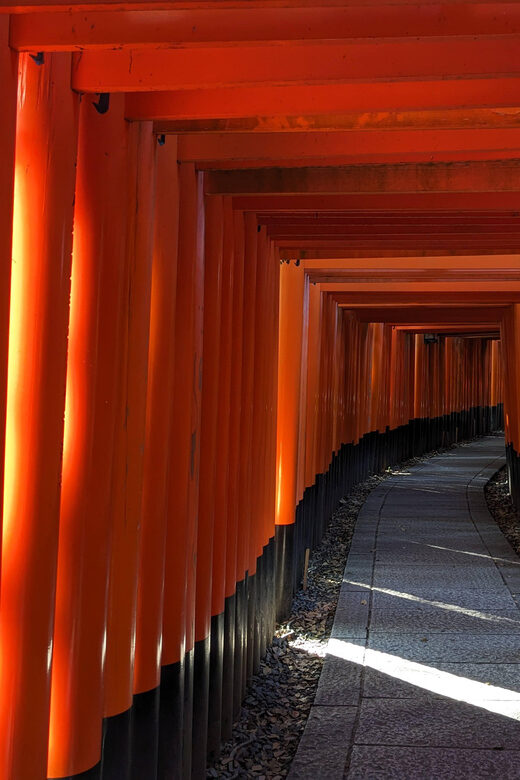
- Fushimi Inari’s vermilion torii gates: a spiritual-feeling walk that keeps drawing you deeper.
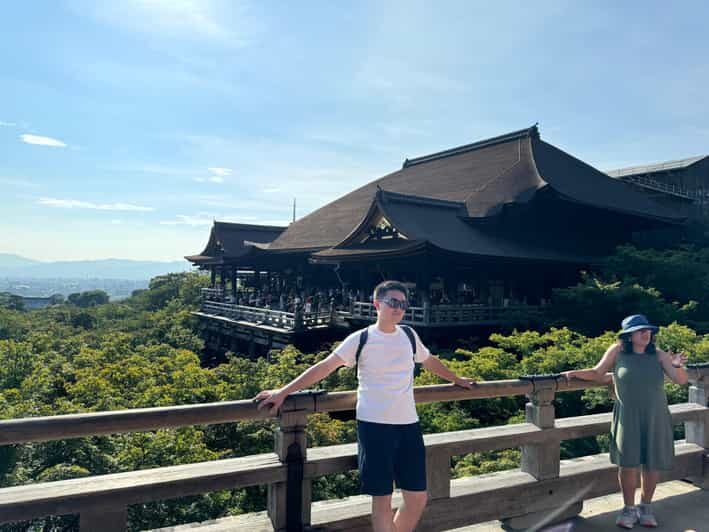
- Kiyomizu-dera from the famous wooden stage: big views that make the climb feel worth it.
- Sannenzaka streets and the approach to Gion: old-school Kyoto vibes while you move.
- Gion lunch plus guided walking: you get context for the machiya-style streets you pass.
- Nijo Castle interiors with opulent architecture: a palace atmosphere in the middle of your sightseeing day.
- Kinkaku-ji as a satisfying finish: the golden temple framed by its garden setting.
The Big Idea: Why This Kyoto Day Tour Works
If you only have one full day in Kyoto, this itinerary is built like a smart checklist—without turning into a rushed stamp-collecting exercise. You start at 稲荷駅 (Inari Station), then work through Kyoto’s most recognizable sights in a logical order: torii gates first, temple views next, then historic neighborhoods, then castles and gardens.
What makes the plan particularly valuable is balance. You get variety in settings: shrine walkway, temple stage viewpoint, traditional streets, palace-like castle rooms, and finally a garden-temple scene that’s visually calm after a day of movement. And because it’s a guided format (with entry tickets included), you spend less time figuring out logistics and more time understanding what you’re looking at.
You’re also traveling with English or Japanese-speaking guidance, with private or small-group options. That matters on days when crowds can make it harder to read the city on your own.
You can also read our reviews of more guided tours in Kyoto


Meeting Point at JR Inari Station: Start Easy, Not Flustered
Your meeting point is in front of the central ticket gate at JR Inari Station (稲荷駅). The guide holds a yellow sign with the DeepExperience logo.
That simple detail helps more than it sounds. Kyoto stations can feel like mazes when you’re tired, so having a clear sign and a fixed location keeps your first 10 minutes from turning into a mini scavenger hunt. The tour begins right there, and from the start you’re moving into the Fushimi Inari area by plan, not guesswork.
Also note the pacing: early in the day you get a shrine visit followed by train time, so you’re not stuck traveling on foot in a long straight line from the beginning.
Fushimi Inari Taisha: The Torii Gates Walk You’ll Keep Thinking About
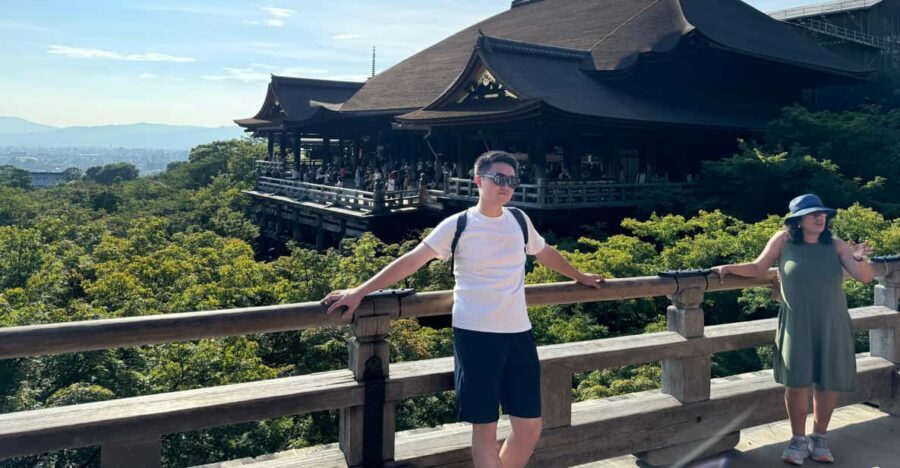
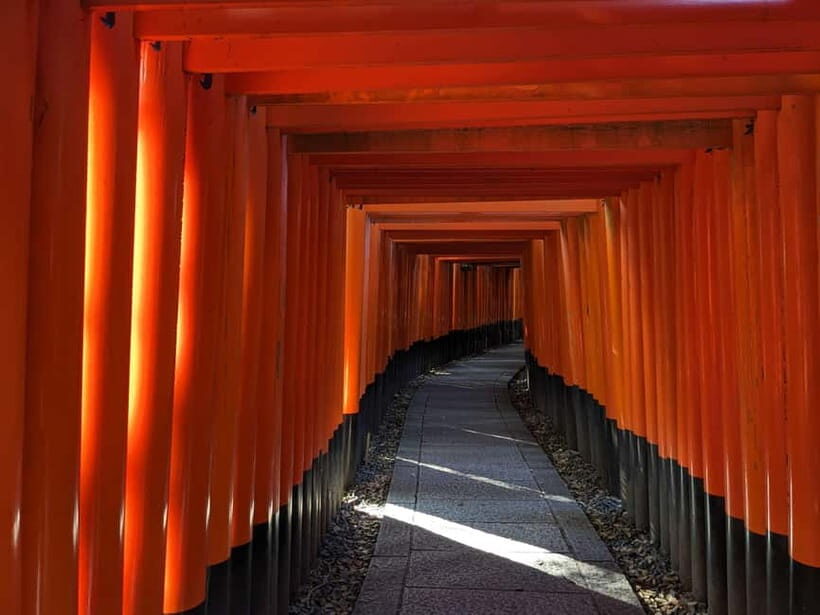
At Fushimi Inari Taisha, you’ll spend about 40 minutes on a guided visit. This is the torii-gate experience Kyoto is famous for: thousands of vermilion gates forming a mesmerizing pathway.
Even if you’ve seen photos, the in-person effect is different because the gates keep repeating, and your path feels like it’s slowly turning you inward. In a one-day tour, this timing helps because you’re doing it when your energy is still high. You’ll likely have an easier time soaking in the atmosphere before the rest of the day stacks up.
What I like about placing Fushimi Inari first: it sets a tone. The rest of the day becomes easier to interpret because you understand how Kyoto’s spiritual spaces feel and how the city layers meaning onto everyday streets.
The Train Segment: A Necessary Reset Between Big Sights
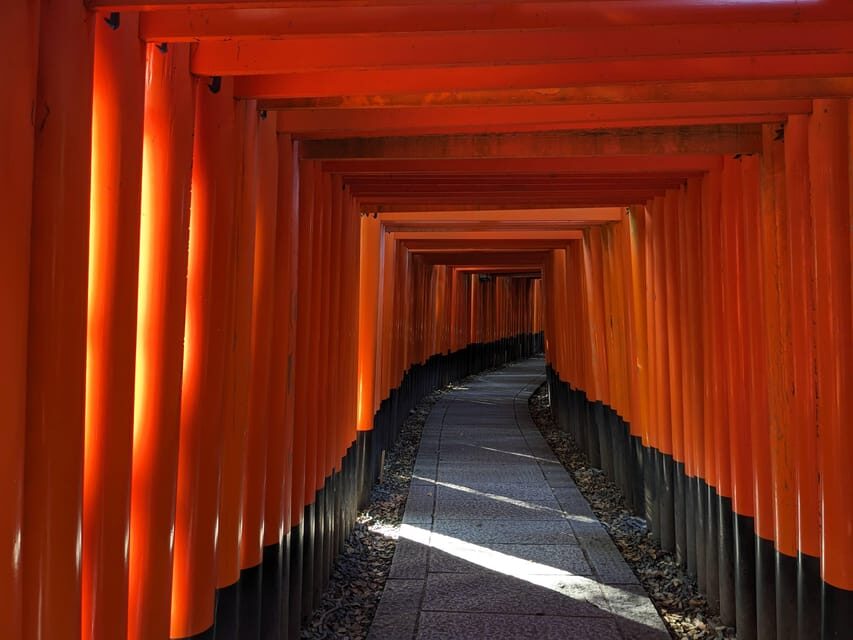
After Fushimi Inari, there’s about 40 minutes of train time before you reach the next major stop. On many Kyoto days, the hardest part isn’t the walking inside sites—it’s the between-locations movement.
This itinerary builds that movement into the schedule. The result is less backtracking and fewer moments where you’re trying to figure out the next connection while hungry or tired. Still, keep expectations realistic: it’s part of the day’s rhythm, not a bonus.
Practical thought: you should be ready for regular transit moves during the tour, and only the guide fee and entry ticket are clearly listed as included. Lunch is not included, and transit costs aren’t specified in the provided details—so it’s smart to have some flexibility in your budget or payment plan for getting around.
Kiyomizu-dera and the Wooden Stage Views
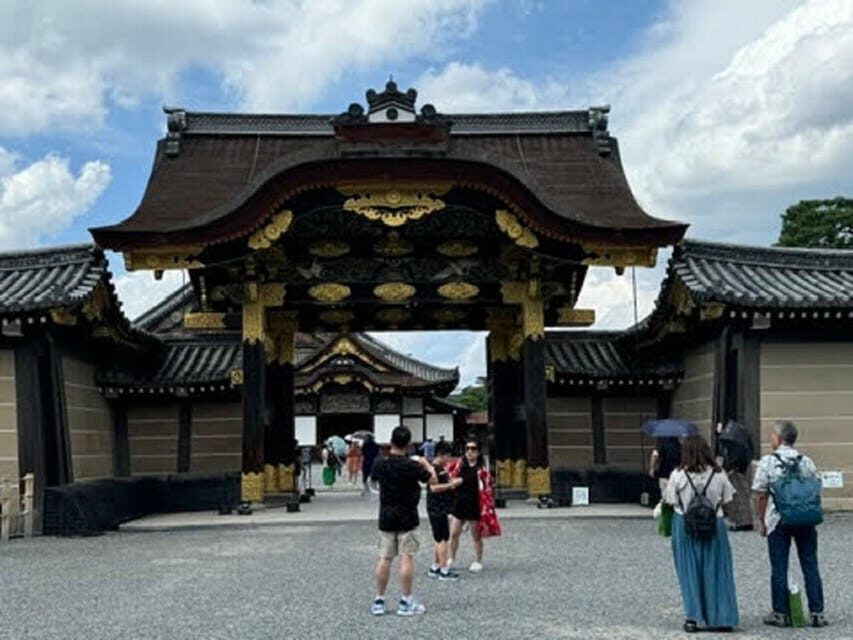
Next up is Kiyomizu-dera with about 70 minutes guided. The headline here is the iconic wooden stage, famous for panoramic views over Kyoto.
This is a “stand and look” stop, but the guided time makes it more useful than a quick viewpoint. You’re not just getting a skyline snapshot; you’re learning how the site’s layout and prominence fit into Kyoto’s temple culture. And because the tour grants enough time here, you can adjust: pause for the views, then move along calmly without feeling like you’re watching the group sprint ahead.
From a practical standpoint, Kiyomizu-dera is also a good temperature-and-energy checkpoint. If you’re arriving feeling rushed, this is where the day starts to feel like a real sightseeing experience instead of transportation between hits.






Sannenzaka and the Short Walk Into Old Kyoto Style
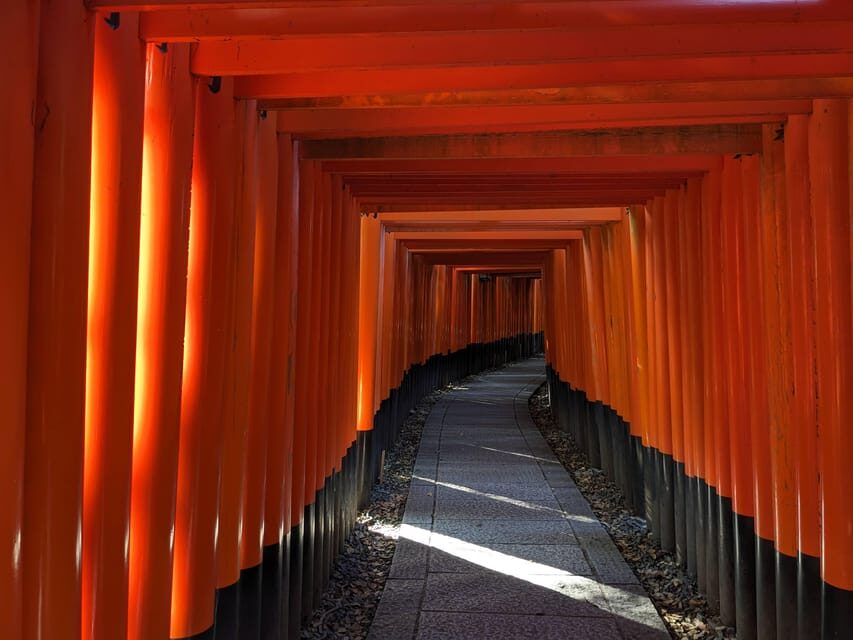
After Kiyomizu-dera, the tour includes about 5 minutes on foot, then 15 minutes at Sannenzaka, followed by about 20 minutes on foot before you reach Gion.
Sannenzaka is one of those streets that helps you slow down without forcing you to stop. It’s short enough to fit neatly into a day tour, and it’s long enough to let you notice the details that make old Kyoto feel old—street character, traditional pathways, and the way buildings sit close to the road.
This is also a great stretch in the itinerary because it bridges the big viewpoint temple experience and the neighborhood experience in Gion. You’re not walking from shrine to castle with nothing but bus windows in between; you get street texture.
Gion: Lunch and Traditional Streets With Real Context
You’ll spend about 1.5 hours in Gion, including lunch and a guided tour portion. The focus is the historic charm of Gion’s traditional streets, with wooden machiya houses and quaint lanes that feel like Kyoto in a different tempo.
This is where a guide can make the biggest difference. Without context, Gion can turn into a photo corridor. With a good guide, you start noticing what to look for: how the neighborhood feels and why certain streets have a different rhythm than commercial areas.
Since lunch costs extra, you’ll want to plan for a meal that keeps you comfortable for the rest of the day. If you like to take your time with food, treat lunch here as a reset: hydrate, eat something you can digest easily, and use the guided walking time afterward to build your mental map of where you are.
One of the strongest praised elements from real experiences is how the program feels well structured for the day’s walking plus transit. If you’ve ever been on a tour where the group timing falls apart, this kind of setup can be a relief.
Nijo Castle: Opulence in a Palace-Like Setting
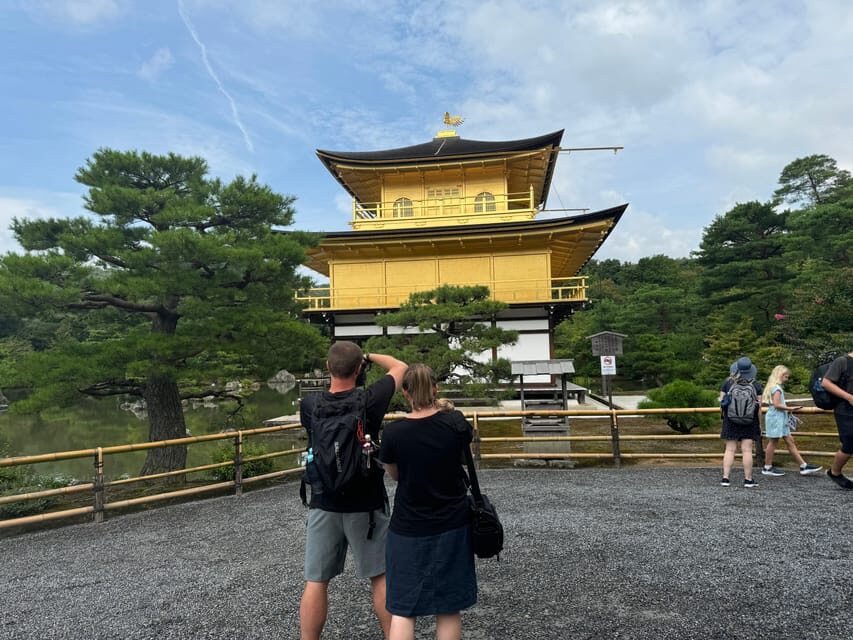
After Gion, you take about 30 minutes by bus/coach to Nijo Castle, where you’ll get about 1 hour guided.
Nijo Castle is known for opulent architecture and beautifully preserved interiors, and that’s exactly the kind of stop that benefits from being guided. A castle can overwhelm you if you don’t know what to look at first. Guided time helps you frame what you’re seeing so you don’t just move room to room collecting impressions.
I like this placement in the itinerary because it sits in the middle of the day’s “Kyoto identity” run. By the time you reach Nijo Castle, you’ve already seen a shrine pathway, a temple stage view, and traditional streets. Now the city turns more formal—more “designed power,” expressed through architecture.
Plan to treat this as an indoor focus after the earlier outdoor portions. If your legs feel cooked by midday, the castle interiors offer a chance to slow down a bit while still keeping momentum.
Kinkaku-ji: The Golden Pavilion Finish at the Right Moment
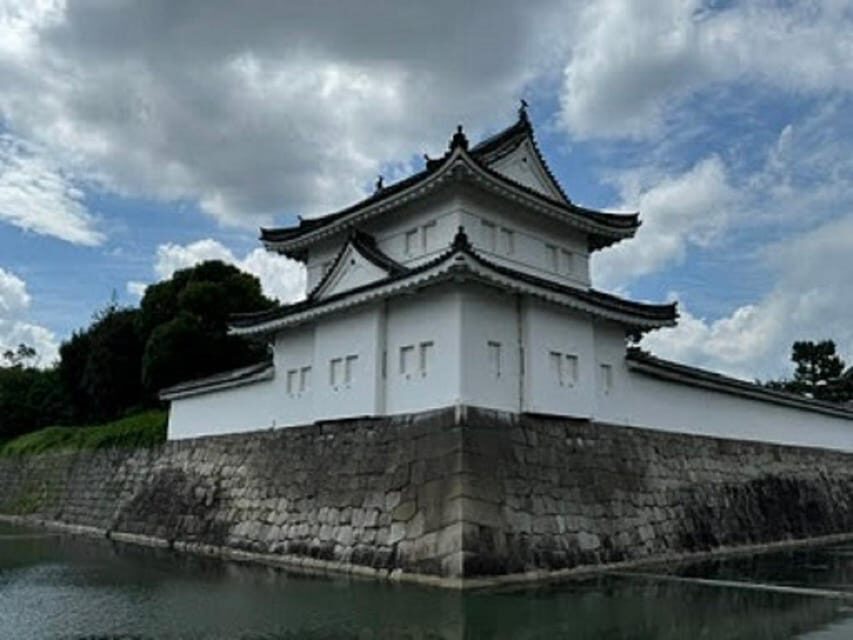
The tour ends at 金閣寺 (Kinkaku-ji). Before that final stop, there’s about 30 minutes by bus/coach, then about 1 hour guided at Kinkaku-ji.
This is a great ending because it’s visually satisfying in a way that also feels emotionally restful. The golden temple glistens over a serene Japanese garden, which changes the mood from earlier parts of the day.
Ending at the actual site also helps. Instead of dispersing all over the city, your tour closes at one clear destination. You’re done when you’re done, and you can build your evening plans around Kinkaku-ji’s area rather than scrambling for a last-ditch connection.
Price and Value: Is $131 a Smart Deal for a One-Day Hit List?
At $131 per person for an 8-hour day, the value comes from the combination of five major sights plus the parts that are included: a guide fee and entry tickets.
That matters because entry fees and guided context can add up quickly when you plan everything independently. Even if you can navigate Kyoto well on your own, this kind of guided loop saves you time and decision-making energy. And on a one-day visit, time is your scarcest resource.
The main catch is straightforward: lunch isn’t included. Also, because transit inclusion isn’t specifically listed, you should budget for transport as needed. If your style is to avoid surprises, set aside a little extra for meal and local movement costs.
For me, the best value is the “coverage per hour” factor. You’re not spending half the day just traveling, and you still see the headline icons. The guide quality is also a big part of the equation, and the highest-rated feedback you can’t ignore is the praise for Takashi and the way he keeps the day organized and thoughtful.
Who This Tour Fits Best (and Who Might Prefer a Different Day)
This tour is a strong match if:
- You have limited time in Kyoto and want the key sights in one day.
- You like walking, but you also appreciate having structure and timing.
- You want a guide who can explain what you’re looking at, not just point you onward.
- You’re okay with a full day that includes train and bus/coach segments.
You might consider a different approach if:
- You’re very sensitive to long schedules and frequent transitions.
- You prefer deep, slow stays at just one or two neighborhoods rather than multiple highlights.
- You strongly dislike paying for meals separately (since lunch costs extra).
The good news: the itinerary isn’t a chaotic grab bag. It moves shrine to temple to streets to castle to garden in a way that keeps the day coherent.
Should You Book This Kyoto Top Sights Tour?
Yes, if your goal is maximum Kyoto payoff per day. The tour is built for visitors who want the big icons without turning the day into guesswork, and the included guide time plus entry tickets make it feel more like a planned circuit than a loose group walk.
I’d book it especially if you want a guide-driven explanation and you like the idea of ending at Kinkaku-ji with a garden-temple finale. If you’re the type who gets stressed when schedules slip, look closely at the tour’s structure; the strongest positive feedback centers on organization and a calm flow through walking and transit.
Just go in expecting a full day and plan for lunch expenses. Do that, and you’ll likely come away feeling you saw the Kyoto most people dream about—while understanding what you were actually looking at along the way.
FAQ
How long is the Kyoto Top Sights guided tour?
It’s an 8-hour experience.
Where do I meet the guide?
Meet your guide in front of the central ticket gate at JR Inari Station (稲荷駅). The guide will hold a yellow sign with the DeepExperience logo.
What sights are included in the day?
You’ll visit Fushimi Inari Taisha, Kiyomizu-dera, Sannenzaka, Gion, Nijo Castle, and Kinkaku-ji (Golden Pavilion).
What is included in the price?
The guide fee and entry ticket are included.
Is lunch included?
No. Lunch cost is not included.
What languages are the guided tours offered in?
The live tour guide is available in English and Japanese.
Is there free cancellation?
Yes. You can cancel up to 24 hours in advance for a full refund.
Is the tour a private or small-group experience?
It’s available as private or small groups.

![[Kyoto Street Shot] Recording every wonderful moment of travel with shutter (free kimono experience) - Kyoto photo route: Gion Shirakawa, Yasaka Shrine, Maruyama Park, and more](https://7.kyotoescapes.com/wp-content/uploads/kyoto-street-shot-recording-every-wonderful-moment-of-travel-with-shutter-free-kimono-experience.jpg)