REVIEW · DRINKING TOURS
Experience of pairing sake tasting with snacks in Kyoto
Book on Viator →Operated by 日本酒テイスティング講座 · Bookable on Viator
Sake gets fun fast in Kyoto. This 60-minute workshop at BAR OAGE in Kawaramachi turns tasting into a clear, guided comparison, with five different sakes matched to snacks. I love the structure: you get a quick look at how sake is made, including the rice polishing ratio, then you taste with a sheet so you can actually remember what you liked.
I also love the human side. You’re encouraged to talk and connect, and the host experience feels warm and personal, like Kahoko’s friendly, passionate approach from the reviews. One possible drawback: it’s only about an hour, so if you want a long crawl or a deep, technical class that runs well past one tasting session, this format may feel a bit short.
In This Review
- Key highlights I think matter most
- Finding BAR OAGE in Kawaramachi’s alleyway scene
- The 60-minute flow: how the tasting is paced
- Sake 101: the rice polishing ratio and what it explains
- Your five-sake flight: comparing style, aroma, and feel
- Snack pairing in Kyoto: why food changes the sake
- Talking with the group: the social side you’ll notice
- Price and what you really get for ¥7,500
- Timing, tickets, and how to plan your Kyoto day
- Who this Kyoto sake-and-snack workshop fits best
- Should you book BAR OAGE for sake pairing in Kyoto?
- FAQ
- Where is the meeting point for the sake tasting?
- How long is the workshop?
- What’s included in the price?
- What time slots are available?
- How many people are in a group?
- Do I get a mobile ticket?
- Can I cancel for a full refund?
- Are service animals allowed?
Key highlights I think matter most
- BAR OAGE alley setting in Kawaramachi: central Kyoto, but in a small bar tucked into a laneway vibe
- Rice polishing ratio explained: you learn why sweetness and aroma change between sakes
- Five-sake lineup, including a Kyoto selection: you get variety without getting overwhelmed
- Snack pairing for each sake: the food helps you notice differences you might miss with plain tasting
- Small group size (max 20): easier conversation and sharing reactions as you go
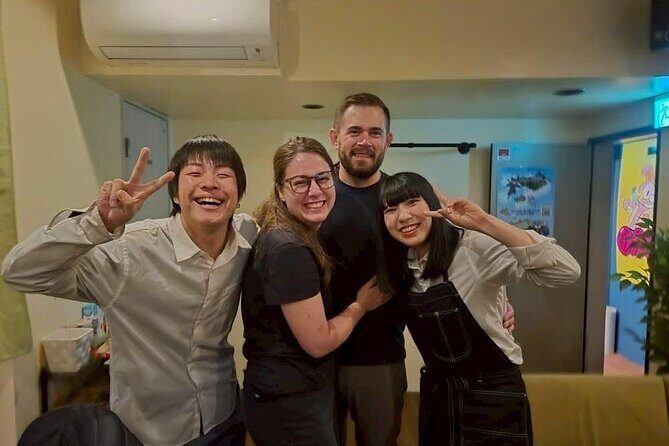
- Group photo at the end: a simple souvenir that feels social, not cheesy
Finding BAR OAGE in Kawaramachi’s alleyway scene
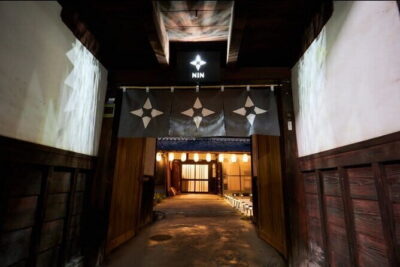
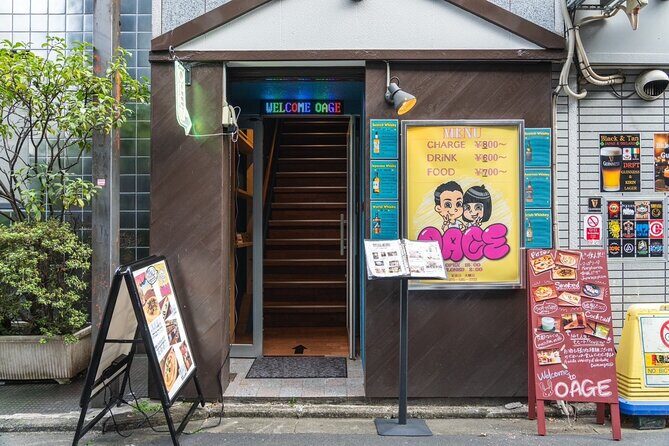
This experience centers on a small bar called Bar OAGE in the Kawaramachi area. The meeting point is Shine, 371 Kamiyachō, Nakagyo Ward, Kyoto (604-8024), and the activity ends back there. Expect the day to feel straightforward: you show up, introduce yourself, and then the group moves into the tasting flow.
Why that matters: Kyoto is full of places that are easy to miss. An alleyway venue can be part of the charm, but it also means your first job is simply to arrive on time and be ready to follow the host. Also, a bar setting usually means you’ll stay close to your guide and the tasting setup, which makes it easier to compare aromas and tastes across multiple pours.
One more practical point. This runs at set reception times: 10:00, 12:00, 14:00, and 16:00. If you’re building a day around sightseeing, I’d treat this like a timed appointment rather than a flexible stop.
You can also read our reviews of more food & drink experiences in Kyoto
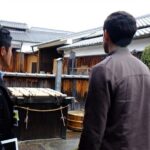

The 60-minute flow: how the tasting is paced
The workshop is about 1 hour, and it uses that hour efficiently. The format is built around three phases: process and explanation, then a structured tasting of five sakes, then pairing each sake with a snack.
First, there’s an introduction phase of about 15 minutes. You meet the host, then you get the core lesson: how sake is made and how to think about it. You’ll also learn the rice polishing ratio, which is one of the simplest ways to understand why two sakes taste different.
Then you move into the tasting phase. You’ll get a tasting sheet and the basics for using it. You first taste the sake on its own, without the snack. After that, the host brings out appetizers paired with each of the five sakes, so you can taste how the food changes the experience.
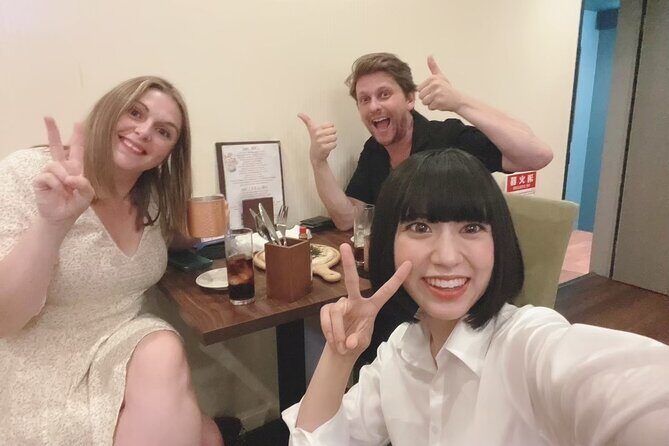
Finally, you end with a group photo. It’s a small touch, but it reinforces the “you’re doing this together” vibe. In a city where everyone often travels quietly, that moment helps turn a tasting into a shared memory.
Sake 101: the rice polishing ratio and what it explains
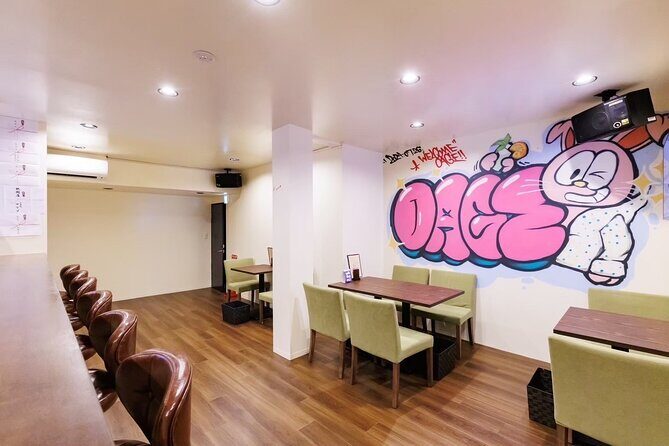
If sake history sometimes feels like a blur of rice and water, this part keeps it practical. You’ll learn the production process, and you’ll hear how the rice polishing ratio affects the final style.
Here’s why I like this approach: the polishing ratio is one of the few production details that directly connects to what you’ll taste. Polishing removes the outer layers of the rice grain. That can influence aroma, texture, and the overall feel of the drink. Even without becoming a brewer, you can start to connect why one cup feels more aromatic or clean while another might feel rounder or heavier.
You’ll also get a quick rundown of common sake styles by flavor and aroma, including examples like ginjo-shu and nigori-shu. Even if you’re new, you’ll leave with better labels in your head. Instead of saying it tastes just like rice wine, you’ll have a vocabulary for what you’re sensing.
Practical tip for you: use the tasting sheet during the first round (the plain sake). Then again during the snack pairings. The value of this workshop is not just tasting five drinks, but noticing what changes after the food arrives.
Your five-sake flight: comparing style, aroma, and feel
After the intro, the host walks you through today’s five types of sake. One part that’s especially good for visitors is that there’s a selection from local Kyoto along with the rest of the lineup. You get to taste what’s happening in the region, not just generic labels.
The pacing is simple. You’ll start by tasting only the sake. That matters because it prevents the snacks from confusing your first impressions. Once you’ve noticed which aromas you like and what sweetness or texture you detect, you’re ready for the second round with pairing.
During the tasting, you’ll be encouraged to pay attention to differences in aroma and flavor. Sake styles like ginjo-shu and nigori-shu often read very differently to the nose and the palate, so you’ll have a clear set of “compare and contrast” moments. And because you’re doing it in a guided group, you’re not stuck trying to interpret tastes by yourself.
If you’re a sake lover already, this is still a good format because it forces comparison. If you’re new, it’s even better because the host helps you name what you experience.
Snack pairing in Kyoto: why food changes the sake
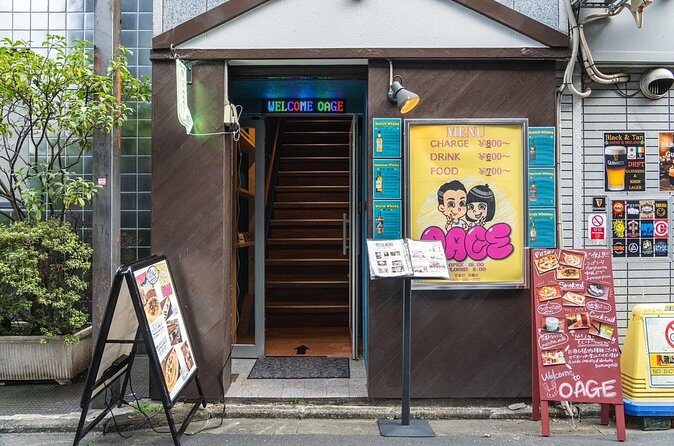
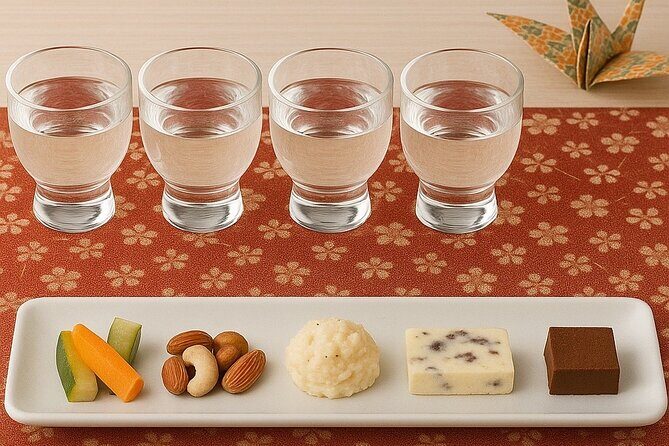
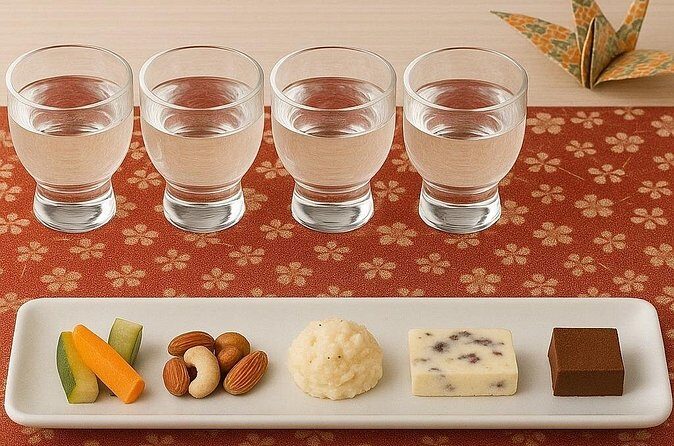
This is the signature idea: you don’t just taste sake, you taste how sake behaves with food. After the first tasting round, you’ll get appetizers matched to each of the five sakes.
Why snack pairing is so effective (and why you’ll feel it here):
- Food adds saltiness, acidity, or richness, which can make certain sake flavors feel sharper or softer
- Snacks can reduce harsh edges in one style and highlight pleasant aromatics in another
- The pairing forces you to notice aroma and texture more clearly
In plain terms, this workshop turns sake from a single-drink experience into a food-and-drink experience. That’s exactly the kind of knowledge you want while traveling. It helps you order more confidently later, whether you’re at a Kyoto izakaya or planning a meal around your favorite style.
Also, you’re not guessing what to pair. You’re given the snack, then you taste the effect. That’s real learning, not just drinking.
If you like to write down food preferences on trips, I’d recommend you use the tasting sheet as you go. You can even use it to remember which pairing you’d want to recreate later, when you’re staring at menus and wondering what will actually work.
You can also read our reviews of more drinking tours in Kyoto


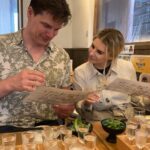


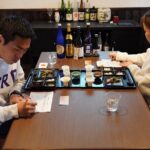
Talking with the group: the social side you’ll notice
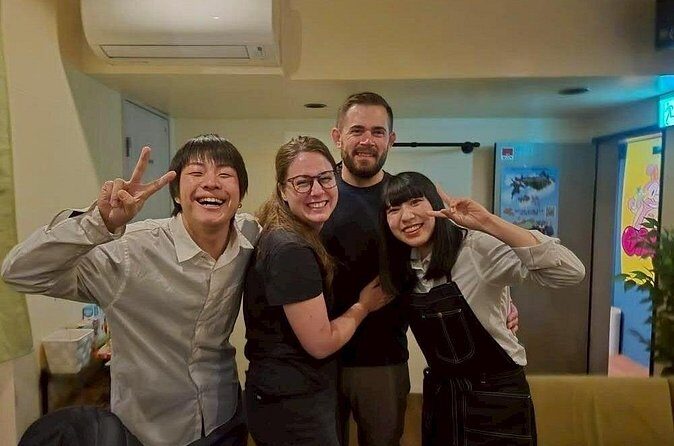
One of the most praised parts in the experience is the way the workshop encourages conversation. You’re encouraged to talk and connect through shared experiences, and the host approach feels friendly and engaged.
That matters because sake tasting can become a quiet, sit-and-sip activity if the group is stiff. Here, the format pushes you to react out loud. In my view, that’s where you pick up the best practical takeaways. Someone else might have a stronger reaction to a particular style or explain what they notice first. You’ll start tasting with your whole brain, not just your tongue.
The reviews highlight a warm, passionate host dynamic, specifically mentioning Kahoko’s friendliness and how quickly groups warmed up to the experience. Even if you’re traveling solo, you’ll likely feel included because the pacing gives you natural moments to chat: during explanations, between tastings, and right after snack pairings.
And yes, you end with a group photo. It’s a small moment, but it helps people loosen up. After one hour of tasting and talking, having a photo makes it feel like a real stop on your Kyoto itinerary, not just a drink in a room.
Price and what you really get for ¥7,500
The tour price is ¥7,500 per person (tax included), and it’s listed as about $45.53. For a one-hour experience, it’s not the cheapest thing you’ll do in Kyoto. But it’s also not just paying for alcohol.
You’re paying for:
- Five kinds of sake (including a Kyoto selection)
- Five paired appetizers
- A guided explanation of production and the rice polishing ratio
- A tasting sheet and a structured comparison format
- A small-group setting with conversation time
That package is what makes it feel like value. You’re buying clarity. If you tried to replicate this on your own, you’d likely spend similar money just hunting down five comparable pours and trying to guess pairing snacks. Here, the host does the matching and the teaching.
One more “value” factor: timing. Kyoto days can be packed. A one-hour workshop is easier to fit in than a half-day tasting course, and it gives you a satisfying, learn-something payoff.
Timing, tickets, and how to plan your Kyoto day
This is scheduled with reception times at 10:00, 12:00, 14:00, and 16:00. You get a mobile ticket, and the workshop lasts about 1 hour. The bar is in central Kyoto, near public transportation, which is useful if you’re switching between neighborhoods.
One planning note. The experience is typically booked in advance (on average 84 days). That suggests it’s wise to secure your slot early, especially if you’re traveling during a busy season or around popular weekends.
Also, because it ends back at the meeting point, it works well as a “anchor” activity in your schedule. You can do a morning walk, then pair it with sake tasting, then return to explore in the afternoon.
If you’re prone to running late, build a buffer. One-hour experiences don’t wait for the full group forever.
Who this Kyoto sake-and-snack workshop fits best
This workshop is ideal if you fall into one of these buckets:
- You’re new to sake and want a simple, guided intro, not a technical lecture
- You like food and want to learn why certain flavors work together
- You want a Kyoto-focused experience that still feels easy for visitors
- You enjoy meeting people and don’t mind talking during the class
It’s also good for sake lovers, because the structure helps you compare different styles directly. And the snack pairings add a layer of learning you don’t always get at casual tastings.
If you’re the type who wants total freedom to wander for hours, you might prefer a self-guided food-and-drink plan. But if you want to leave with better instincts for ordering and pairing, this format is strong.
Should you book BAR OAGE for sake pairing in Kyoto?
Book it if you want a short, well-guided way to understand sake beyond the basics. The best reason is the pairing: you taste sake first, then you taste it again with snacks, and you actually notice the difference. Add the small-group, conversation-friendly vibe, plus the structured explanation of rice polishing, and you get an experience that feels both fun and useful.
Skip it only if you want a longer multi-stop tasting journey or if you prefer independent wandering over a guided format. Otherwise, ¥7,500 for five sakes plus five pairings is a fair deal for what you learn and how quickly you can fit it into a Kyoto day.
FAQ
Where is the meeting point for the sake tasting?
The experience starts at Shine, 371 Kamiyachō, Nakagyo Ward, Kyoto, 604-8024, Japan.
How long is the workshop?
It lasts about 1 hour.
What’s included in the price?
The workshop includes 5 kinds of sake and 5 appetizers, plus the tasting experience and instruction.
What time slots are available?
Reception hours are 10:00, 12:00, 14:00, and 16:00.
How many people are in a group?
The maximum group size is 20 travelers.
Do I get a mobile ticket?
Yes, the tour includes a mobile ticket.
Can I cancel for a full refund?
Yes. Free cancellation is available up to 24 hours in advance of the experience start time.
Are service animals allowed?
Service animals are allowed.