REVIEW · GEISHA & MAIKO TOURS
Best of Kyoto: Gion, Geisha, Pagodas & Cobblestones
Book on GetYourGuide →Operated by Kyoto Fun · Bookable on GetYourGuide
Lanterns turn Gion into a different place. This 2-hour guided walk strings together Yasaka Shrine and Higashiyama’s night sights, including a lit pagoda stop, with a guide who explains what’s behind the scenes. You also get a gentle look into geisha traditions, right where Kyoto’s entertainment history actually lives.
I love the timing. The streets are quieter later at night, so the lanes feel more real and less like a moving crowd. I also love the geisha & maiko customs lesson, delivered with respect, so you’re not just sightseeing—you’re understanding.
One possible drawback: it’s a night walk, so expect darker spots in places and pack for cold weather. Wear shoes you trust on uneven pavement, and plan to stay alert as you stroll.
In This Review
- Key moments I’d plan around
- A Gion night walk that explains Kyoto, fast
- Starting point options in the Yasaka and Gion area
- Yasaka Shrine at night: Shinto atmosphere you can actually notice
- Ninenzaka cobblestones: the Higashiyama slope in softer light
- Hōkan-ji photo stop and the temple-quiet pause
- Yasui Kompira-Gu Shrine: a smaller stop with a local pulse
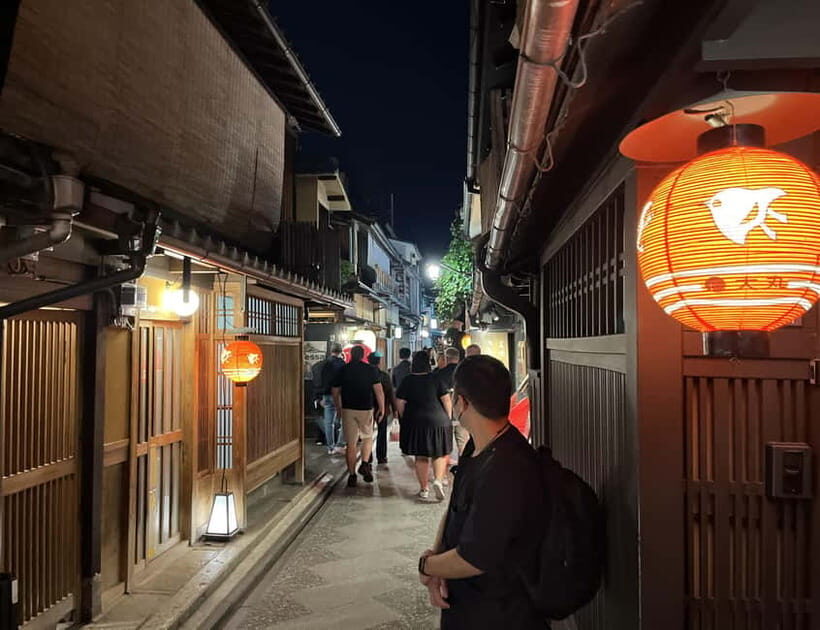
- Gion after dark: lanes, lanterns, and a geisha lesson with context
- Etiquette that keeps you on the right side of the tradition
- Price and value: $24 for a focused night intro
- Where to eat and drink after: get your guide’s recommendations
- Who should book this Gion night tour
- Should you book this Gion night walk?
- FAQ
- How long is the tour?
- What does it cost?
- Where is the meeting point?
- What if I can’t find my guide?
- Do I need to worry about being late?
- What languages are available for the guide?
- Is food or drinks included?
- Will I definitely see geisha or maiko?
- Is there free cancellation?
Key moments I’d plan around
- Lantern-lit Gion streets that feel calm after the day crowds thin out
- Yasaka Shrine at night, with Shinto atmosphere under lights
- Ninenzaka cobblestones, a classic Higashiyama slope made for photos
- Hōkan-ji’s pagoda photo stop plus a taste of temple quiet
- Yasui Kompira-Gu Shrine for a more local, grounded visit
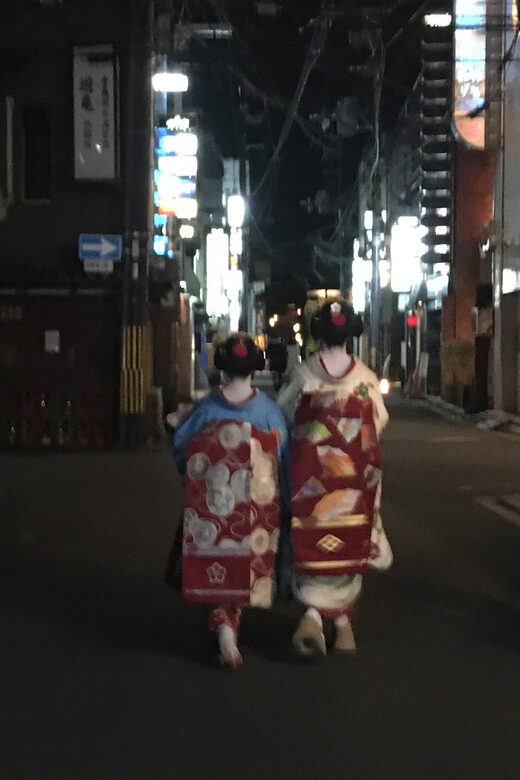
- A respectful geisha primer, with a chance to see women in full costume near the end
A Gion night walk that explains Kyoto, fast
Kyoto can feel like three cities in one day: temples in the morning, crowds at midday, and something quieter after dark. This tour is built for that last phase. You’ll walk through Gion and Higashiyama while lanterns glow, and your guide connects the streets to the customs behind them.
What makes it work is the mix. You’re not only chasing pretty corners. You’re pairing the visuals with context about geisha culture—plus you get a structured route so you don’t waste time figuring out where to go next.
And yes, the night vibe helps the famous spots feel less staged. You’ll see wooden storefronts, narrow lanes, and lit stone and shrine details without the daytime rush.
You can also read our reviews of more tours and experiences in Kyoto.


Starting point options in the Yasaka and Gion area
The tour gives two start setups, and your meeting point depends on what you book. One option is around Tsuruha Drug near Yasaka Shrine, close to a FamilyMart. The other option is Kyoto Gion.
Why this matters: your day in Kyoto can be chaotic if you arrive too late, especially at night. Since the meeting point can vary, take a minute before you leave your hotel to confirm exactly where you’re starting.
If you have trouble finding your guide, the rules are clear: you’ll get your guide’s phone number, and you must call them at least ten minutes before the tour begins. WhatsApp is recommended. If you show up late or you can’t locate the guide, there’s no refund—so build in buffer time.
Yasaka Shrine at night: Shinto atmosphere you can actually notice
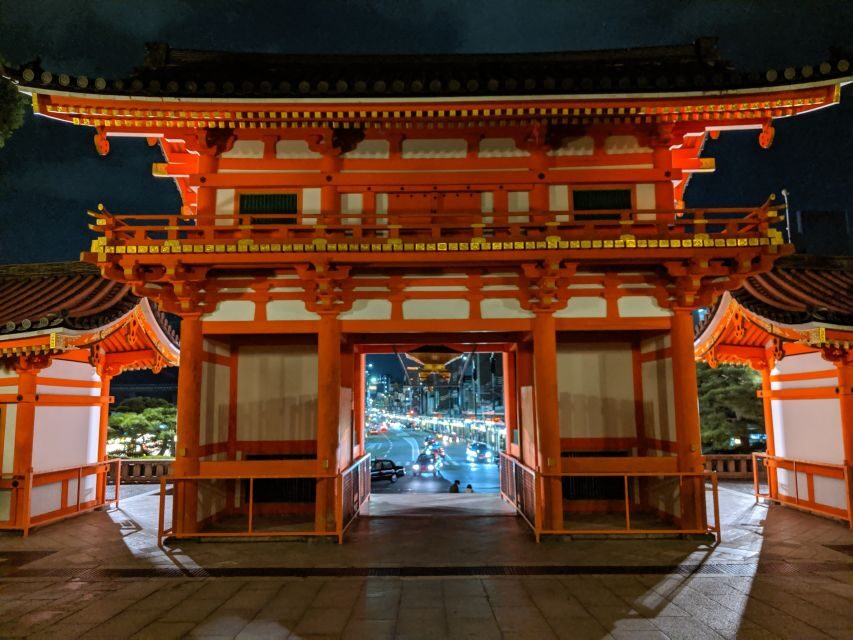
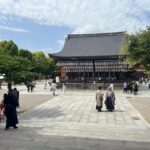
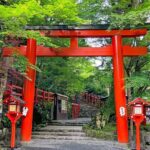
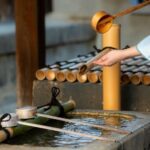
Your walk begins with a visit to Yasaka Shrine, with about 20 minutes here. At night, the shrine doesn’t feel like a quick stamp on a checklist. Lights change the textures. You can slow down and look at the details that daylight washes out.
Your guide will also help you read what you’re seeing. That includes how to behave respectfully in religious spaces and what certain customs mean in Kyoto life. It’s the kind of context that makes later stops feel easier to understand.
Practical note: this is a walking tour segment, not a long sit-down ceremony. If you want to do more shrine time later, this night stop is the perfect appetizer.
Ninenzaka cobblestones: the Higashiyama slope in softer light
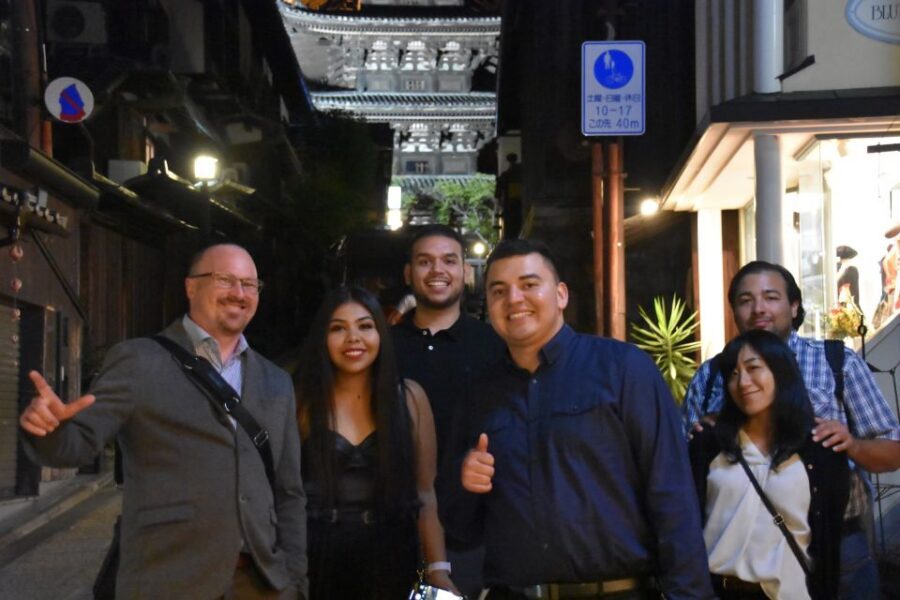
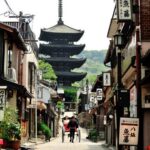
Next comes Ninenzaka, around 20 minutes. This is one of those Kyoto streets that looks good in any weather, but at night it feels more cinematic. The lanterns and the warm glow on old wooden buildings create that slow-walk feeling you want from Kyoto.
You’ll be walking on uneven surfaces, so keep your steps steady. Also, Ninenzaka is narrow. Even with fewer crowds later at night, you’ll still want to give space to other walkers and keep moving when your guide signals to regroup.
This stop is a nice bridge. You’re moving from shrine space to the entertainment-district world of Gion, and the street itself helps you cross that shift.
Hōkan-ji photo stop and the temple-quiet pause
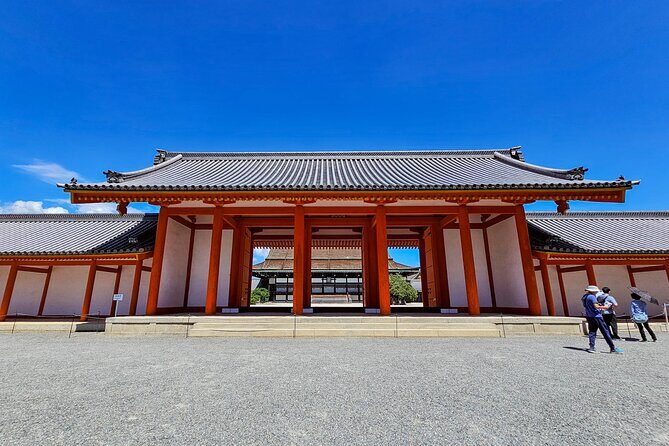
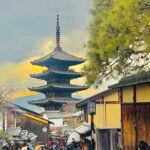
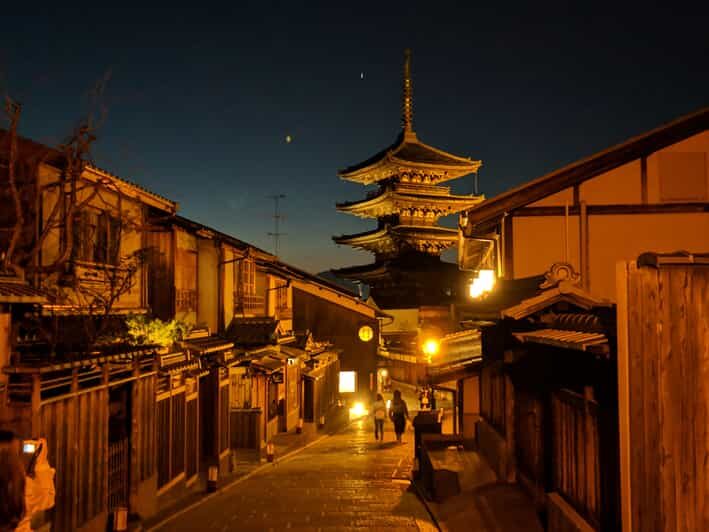
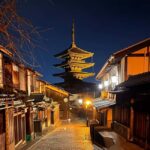
Then you’ll make a photo stop at Hōkan-ji Temple (about 20 minutes). The standout moment here is the lit pagoda look—one of those Kyoto images that feels instantly recognizable and surprisingly peaceful once you’re standing near it.
Even if you’re not a die-hard photographer, this stop is worth it because your guide uses it to talk about how temple spaces fit into daily life and religious routines. In the tour flow, it works like a reset button: the lights, the stones, the calmer feel of the grounds.
This also connects to the tour’s wider theme—temple calm after street energy. You’ll also get that sense of Zen-temple quiet described as part of the night experience, so you’re not bouncing from attraction to attraction without breath.

Yasui Kompira-Gu Shrine: a smaller stop with a local pulse
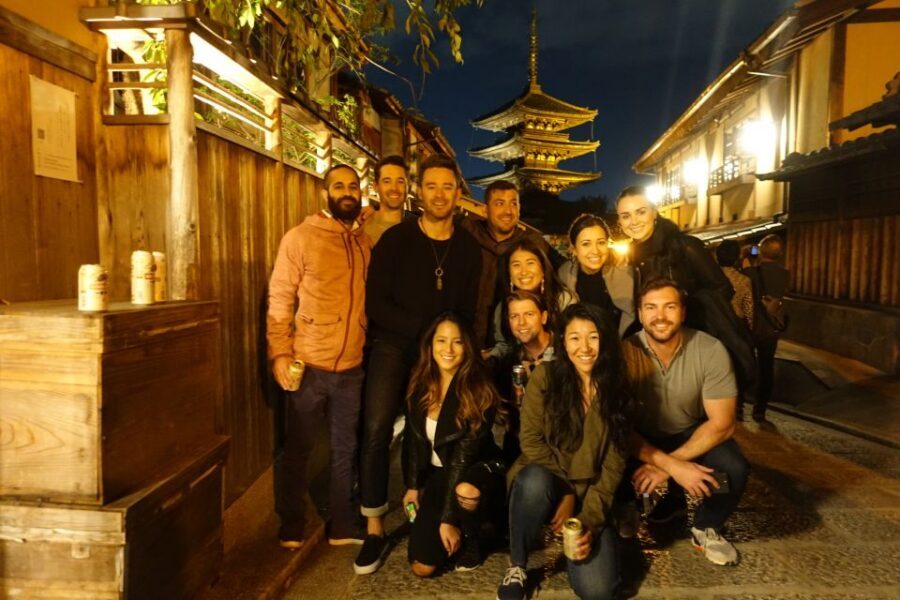
You’ll also visit Yasui Kompira-Gu Shrine for about 15 minutes. It’s shorter than the big-name sights, which can actually make it better. You get a more direct feeling for the place without getting rushed through.
Look for your guide’s cues on how to observe respectfully. This tour is clear about geisha customs and etiquette, but the same respect applies to shrine and temple spaces. You’ll likely get practical behavior tips, like where to pause for photos and how not to block walkways.
If you like tours that feel like a guided walk with meaning—not just a hit list—this is one of the stops that delivers.
Gion after dark: lanes, lanterns, and a geisha lesson with context
The heart of the tour is the Gion segment, with about 45 minutes of guided walking. This is where the district’s atmosphere really clicks.
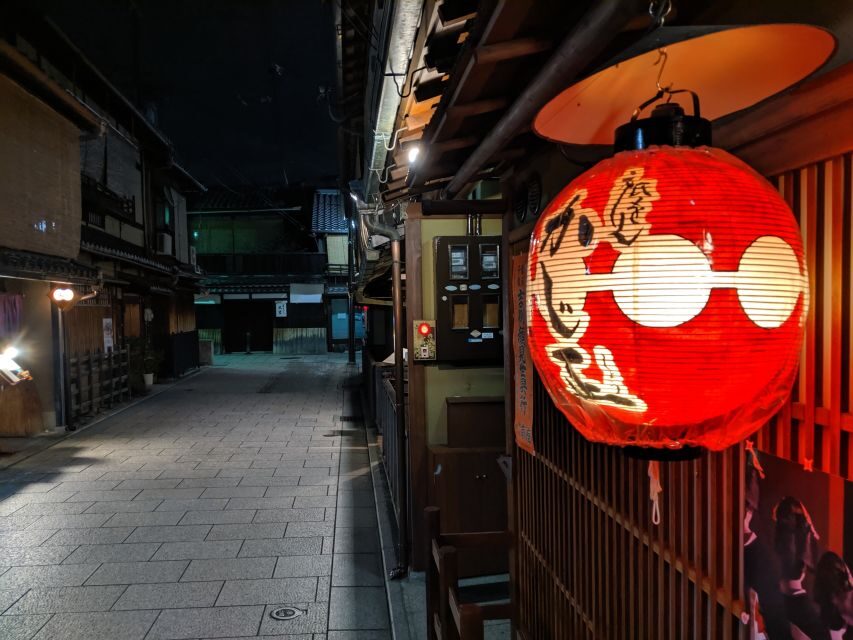
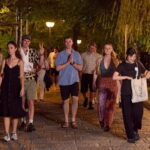
Daytime Gion can feel busy and performative. Night helps. The streets get quieter later, and you can notice the wooden architecture, the lantern glow, and the smaller details around the lanes. Your guide also steers you away from the most chaotic areas, which makes the stroll feel smoother.
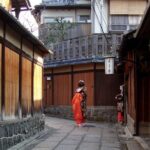
Here’s the part many people are curious about: the geisha world. Your guide talks about the customs of geisha and the apprentice maiko-san. The tone is the opposite of sensational. You’re learning what these traditions require and how the community expects respect from visitors.
And yes, you might see women in full costume toward the end. Some groups report seeing multiple geisha and maiko-like figures, but sightings are never guaranteed. The value isn’t only the possibility—it’s the understanding you gain if you do catch a glimpse.
Your best mindset: slow down. Look with respect. Then move on with your guide’s explanation, so the moment turns into real knowledge instead of a frantic photo sprint.
Etiquette that keeps you on the right side of the tradition
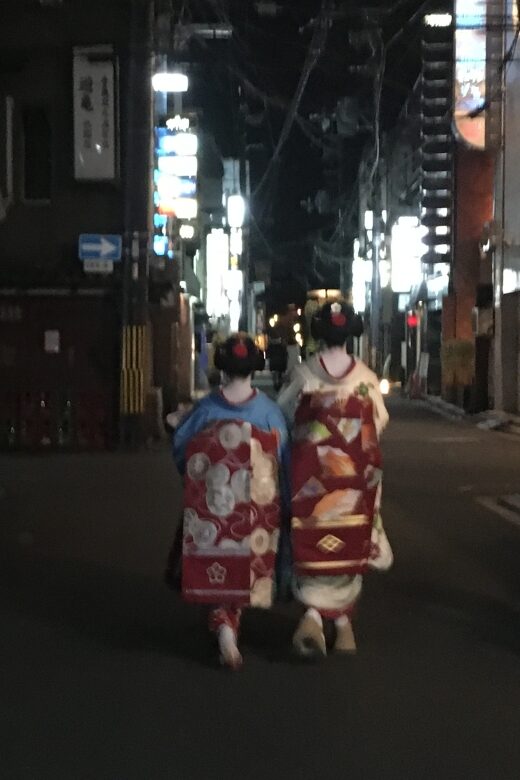
This tour’s geisha content is framed as learning, not gawking. Your guide is the one who sets the tone, including how to behave when you’re near people who are dressed for traditional work.
In practical terms, I’d follow the same ideas that strong guides like Kevin, Karim, and Janelle often emphasize in their tours: keep your distance, don’t crowd, and avoid treating individuals like a spectacle. If you stop for photos, do it in a way that doesn’t block foot traffic or draw unnecessary attention.
Also, remember you’re walking at night. That means your reaction time matters. If you see someone in costume, keep your movements calm. Let your guide handle spacing for the group.
Price and value: $24 for a focused night intro
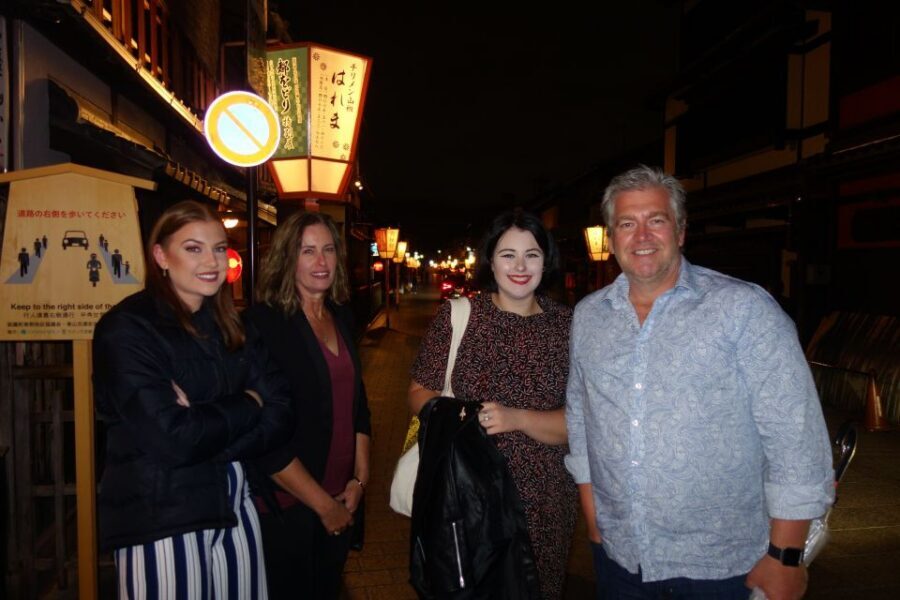
At $24 per person for about 2 hours, this tour is priced like an efficient orientation. You’re paying for two things that are hard to DIY at night:
- a structured route through Gion and Higashiyama
- a guide who explains the meaning behind what you’re seeing
This is not a food tour. Food and drinks are not included. That keeps the focus on walking, sights, and culture, and it also keeps the price in the “worth it” zone for many budgets.
If you’re visiting Kyoto for the first time, this kind of night intro can save you time the next day. You’ll start to recognize areas, understand why certain shrines matter, and know what you’re looking at when you pass it again in daylight.
If you already know Kyoto well and mainly want free time for wandering, you might feel less urgency here. But for most first-time plans, two hours at night is a smart use of energy.
Where to eat and drink after: get your guide’s recommendations
The tour doesn’t include dinner or drinks, but it’s built for an easy transition afterward. Your guide is explicitly there to share tips for where to grab a bite or a drink.
My advice: ask your guide right at the end, while they’re still walking you through the area. You’ll get recommendations that fit your pace and what you ate earlier. If you want something casual, tell them you’re looking for a low-key place. If you want something more Kyoto-themed, ask for options in the immediate vicinity of where you finish.
Also, since it’s a night walk, you’ll likely be ready for warmth and something filling. Pair a quick drink with a simple meal rather than trying to plan a long dinner immediately. You’ll enjoy the evening more that way.
Who should book this Gion night tour
Book it if:
- you want a first-day snapshot of Gion and Higashiyama with real cultural context
- you like night atmospheres and quieter street scenes
- you care about geisha and maiko culture, but you want it presented respectfully and clearly
- you prefer a guided pace with room for questions (many guides here are known for answering thoughtfully)
Skip it if:
- you hate night walking or dislike darker street sections
- you’re looking for guaranteed geisha sightings as the main goal
- you want a food-heavy experience (this one does not include meals or drinks)
This is also a great fit for couples, solo travelers, and small groups because the tour runs with private or small-group options.
Should you book this Gion night walk?
If you’re in Kyoto for the first time, I’d book it. Two hours at night gives you atmosphere plus context, and it sets you up to enjoy the rest of your trip more. The guide-led geisha and shrine explanations are the kind of detail that turns Kyoto from pretty pictures into a story you can follow.
If you’re sensitive to cold or you’re nervous about walking after dark, wear warm layers and choose steady shoes. And if you’re the type who needs a strict schedule, still go for it, but give yourself extra time to reach the meeting point.
Do this early in your stay, and you’ll feel like you’re reading the city instead of just passing through it.
FAQ
How long is the tour?
It’s a 2-hour guided walking tour.
What does it cost?
The price is listed as $24 per person.
Where is the meeting point?
The meeting point may vary depending on the option booked. Options include Tsuruha Drug Yasaka Shrine Store near FamilyMart, or Kyoto Gion.
What if I can’t find my guide?
Your guide’s phone number will be shared with you. If you’re having trouble locating the meeting point, you must call them at least ten minutes before the tour begins (WhatsApp is recommended).
Do I need to worry about being late?
If you arrive late or cannot find your guide, you won’t receive a refund.
What languages are available for the guide?
The tour is offered with live guides in English and French.
Is food or drinks included?
No. Food and drinks are not included, though the guide can offer recommendations for where to eat or drink afterward.
Will I definitely see geisha or maiko?
You may catch a glimpse of women in full costume toward the end of the tour, but sightings are not guaranteed.
Is there free cancellation?
Yes. You can cancel up to 24 hours in advance for a full refund.