REVIEW · DRINKING TOURS
Kyoto Food and Sake Tour Experience
Book on Viator →Operated by Foot Spa & Shisha Sake Bar Kyoto · Bookable on Viator
Sake tasting with a foot soak is a treat. This cozy Kyoto night stop blends Kyoto obanzai small plates with a guided tasting flight of premium sake, all while you’re in a bar built around relaxation. I love the pairing idea, where different bites are meant to match different styles of sake. I also love the take-home hinoki sake cup made from fragrant cypress wood. The main watch-out: the whole thing runs about 45 minutes, so if you want extra explanation time, be ready for a brisk pace.
You’ll find SAKE BAR KYOTO -Foot spa & Shisha-Japan just a 3-minute walk from Kawaramachi Station, and you’ll use a mobile ticket to get in. This is a private setup, so only your group participates, which usually makes it easier to ask basic questions and settle in quickly. Just note: the foot-bath soaking option exists, but it costs extra (more on that below).
In This Review
- Key things to know before you go
- Kawaramachi in 45 minutes: the right pace for a Kyoto night
- Obanzai appetizer pairing: the bite-first way to taste sake
- The 3-sake flight: Junmai, Junmai Daiginjo, and how to pay attention
- Foot spa time: what’s included vs what costs extra
- Unlimited snacks: dagashi, cup noodles, and ice cream between sips
- The hinoki sake cup souvenir: a Kyoto detail you can use later
- Price, value, and whether the format fits your style
- Practical tips for a smooth night here
- Should you book SAKE BAR KYOTO Foot Spa?
- FAQ
- How long does the Kyoto sake and food tour last?
- What is included in the price?
- Is the foot bath included?
- Can I smoke shisha during the experience?
- Where is the meeting point?
- What is the cancellation policy?
Key things to know before you go
- Kawaramachi location makes it an easy add-on after shopping or dinner
- Obanzai appetizer pairing comes first, with examples like spicy cod roe and pickled jellyfish
- Sake flight of 3 varieties includes Junmai and Junmai Daiginjo styles
- Unlimited snack table during your visit includes dagashi, instant cup noodles, and ice cream
- Hinoki sake cup souvenir is included, so you leave with something real from Kyoto
Kawaramachi in 45 minutes: the right pace for a Kyoto night
This experience is built for Kyoto evenings when you want something local without committing to a long sit-down. The total visit is about 45 minutes, and it starts and ends back at the same place near Kawaramachi Station. That timing matters. If you’re doing a standard Kyoto evening circuit—temples earlier, then food, then a final stop—this slot is the kind that fits cleanly.
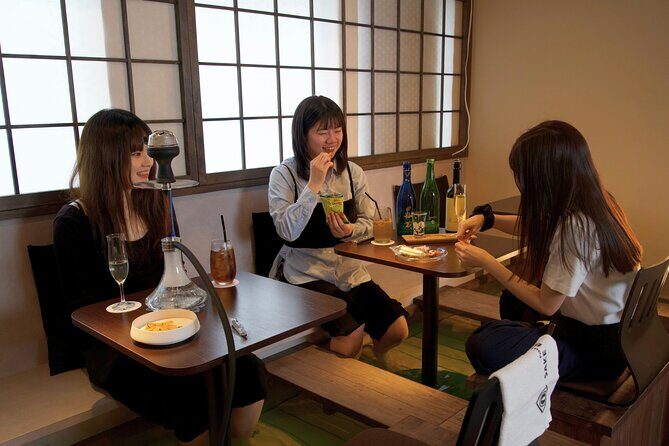
The location is also practical. Being close to Kawaramachi means you’re not stuck on the far end of town after dark. You can head here after dinner, then still move around if you feel like a nightcap or a dessert stop elsewhere. The bar itself is described as intimate and Japanese-style, so you’re not just standing around in a loud crowd.
Because it’s private (only your group), you can usually relax more than you would at a busy public tasting. You won’t be sharing your experience with strangers, which also helps with pacing—especially if your group has different comfort levels with alcohol or seafood-forward small plates.
One small consideration: the format is guided, and the clock moves. I like that it feels efficient, but some people prefer looser timing and might feel the explanation is light if they stop asking questions. If you’re the type who loves to linger, go in with the mindset of a quick, structured evening moment rather than a deep, slow lesson.
You can also read our reviews of more food & drink experiences in Kyoto
Obanzai appetizer pairing: the bite-first way to taste sake
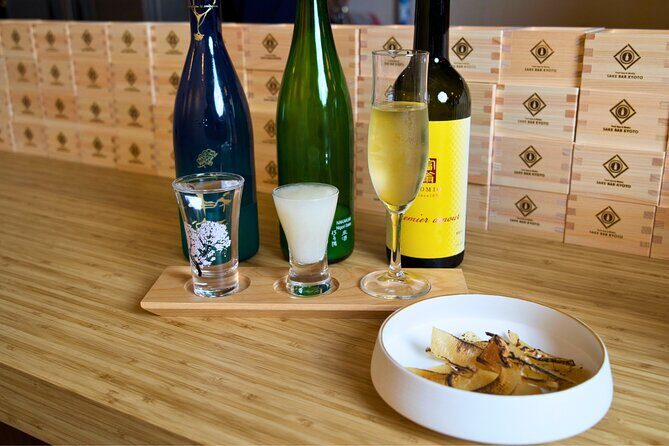
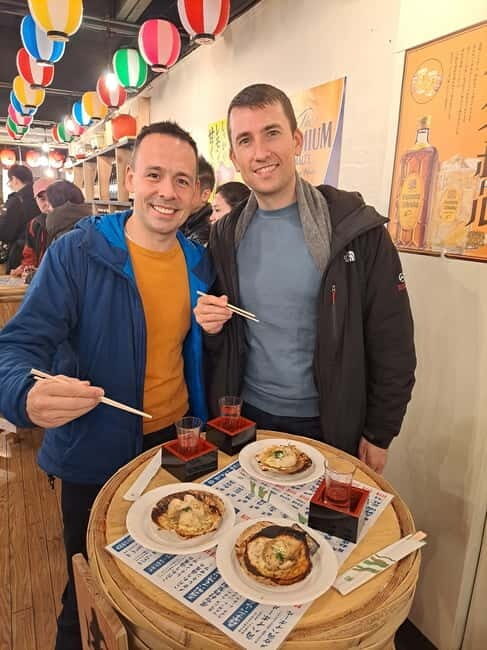
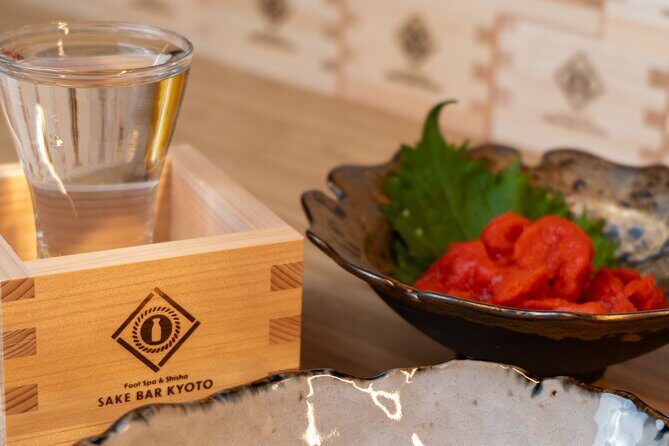
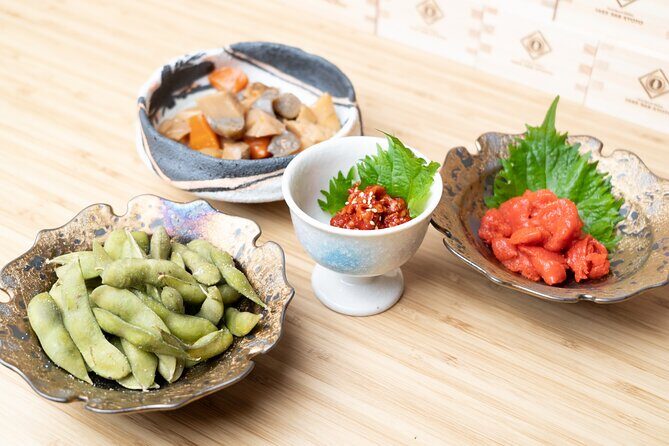
The first step is food, not alcohol. You’re welcomed with seasonal obanzai-style appetizers, presented as a set of three kinds. The selection can vary, and the examples given are classic Kyoto-friendly seafood and pickled flavors such as grilled stingray fin, spicy cod roe, pickled jellyfish, salted squid, and wasabi octopus.
That food order is smart for two reasons:
- Your palate resets. Sake tasting works best when you start with small bites that prime your taste buds.
- Kyoto-style obanzai are meant to change the flavor conversation. Many obanzai flavors come from pickling, salinity, spice, and gentle umami rather than heavy sauce. That gives your sake flight a clearer “compare and contrast” feel.
As you eat, you’re also meant to notice that the appetizers are cared for to match different sake styles. You won’t just be eating random bar snacks. You’ll be tasting in a sequence where each bite is supposed to make the next cup feel different.
A practical tip: if your group is unsure about seafood or pickled items, this is exactly the kind of place where you’ll want to speak up early. Ask what’s in each starter before you take the first bite. The menu guidance exists, but you’ll get the most out of it if you actively check what you’re about to try.
Also, selection varies, so don’t expect one fixed lineup every time. That variability is part of the fun, but it also means you shouldn’t plan your whole night around one specific dish.
The 3-sake flight: Junmai, Junmai Daiginjo, and how to pay attention
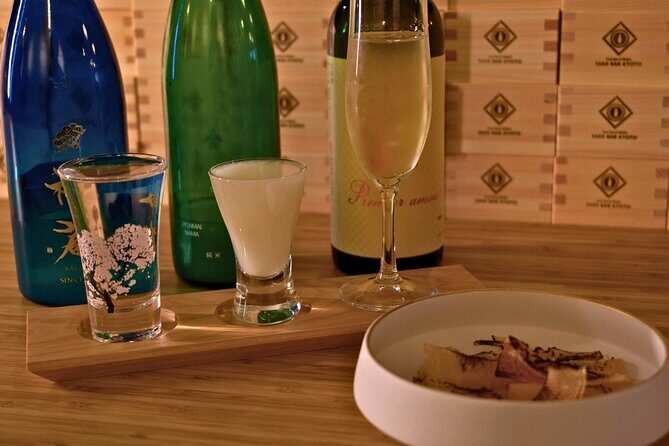
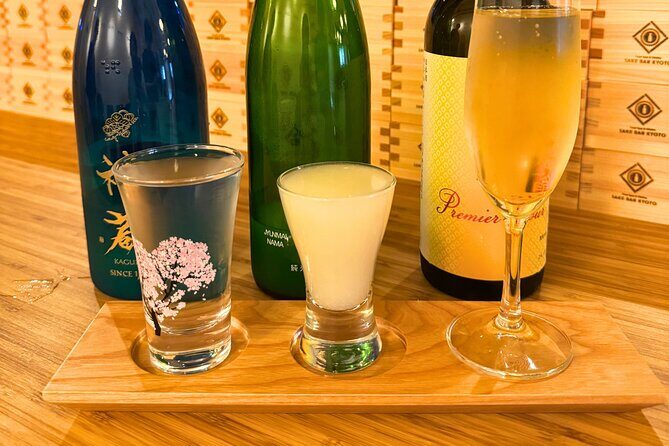
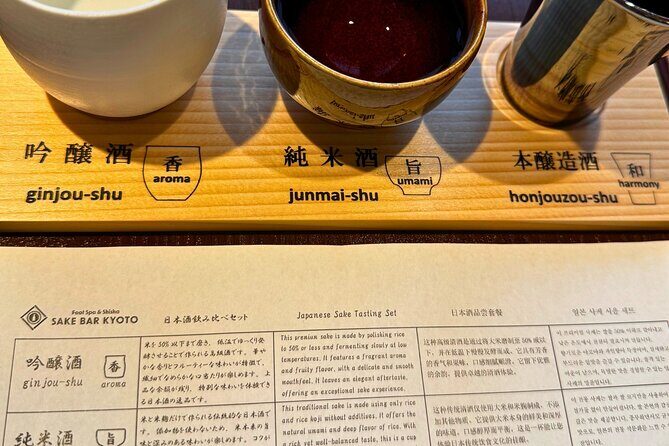
After the starters, you move into the sake tasting flight. The flight includes three varieties, with Junmai and Junmai Daiginjo specifically mentioned, plus other sake options from Kyoto and beyond. The idea is comparison: you taste different styles back-to-back, so you can recognize how aroma and flavor shift.
Here’s what I’d focus on while you taste, since the experience is designed around learning as you go:
- Aroma first. Smell before you sip. Even a quick inhale can help you spot fruit-like notes vs. more savory or earthy directions.
- Flavor weight. Junmai and Junmai Daiginjo often feel different in body and smoothness, even when both are still in the “clean and drinkable” Japanese style.
- Finish after the bite. Since you’ve got obanzai on the table, the real value is noticing how the food changes the sake. A sip that feels dry on its own might feel rounder after a salty or pickled bite.
The bar environment helps. You’re not in a rushed, warehouse-like setting. You’re in a cozy spot where people can actually taste and compare without shouting.
One caution pulled from real-world expectations: some people feel the sake presentation looks less premium because it’s served from larger bottles. If you’re the kind of drinker who judges by glassware first, that might annoy you. The better way to approach it is to judge by what’s in the cup, not what it came in.
Also, if you want lots of explanation, know that the experience is compact. The menu includes some explanation, and staff guide you, but this is still about 45 minutes total. Go in ready to ask simple questions if you want more detail.
Foot spa time: what’s included vs what costs extra
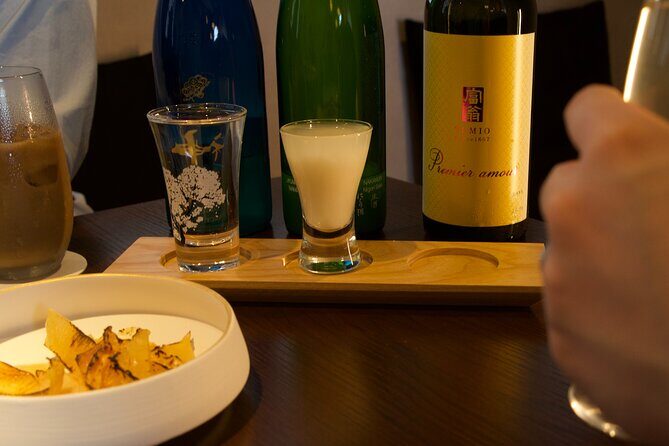
The experience is branded around a foot spa, and the vibe is clearly meant to help you unwind. You’ll have access to a foot spa area, and relaxing there is part of the overall comfort. However, the actual soaking foot bath is listed as available on-site but not included in the activity price.
That means you should budget for the foot-bath option if you truly want the full effect. The cost given is ¥825 per person. If you skip it, you can still enjoy the bar atmosphere and the tasting and snacks, but you won’t get the soaked-feet part.
Think of it like this: the tour is built around sake + obanzai + snacks, with the foot spa as a key optional comfort layer. For me, that distinction matters because you don’t want to assume you’ll automatically be soaking. If your feet are tired from walking Kyoto all day, this extra fee may be worth it.
There’s also another on-site option: shisha is available but not included, at ¥2,750 per person. If your group enjoys that, you can plan for it. If you don’t, don’t feel pressured—your included experience is already packed with food and snacks.
Unlimited snacks: dagashi, cup noodles, and ice cream between sips
One of the biggest practical wins here is the snack setup. During your visit, you get unlimited access to Japanese snack items including dagashi (cheap, fun candy and snack treats), instant cup noodles, and ice cream.
This matters because a sake tasting can sometimes feel like you’re under-fed, especially if you don’t eat much with alcohol. Here, you’re free to keep snacking as the flight moves along. That makes the whole experience feel more like a comfortable Kyoto night hang than a strict tasting-only session.
It also makes the experience work for groups with different drink preferences. Even if someone in your group wants to pace slowly, there are plenty of non-alcohol distractions to keep the mood relaxed: crunchy dagashi snacks, warm cup noodles, and a sweet finish with ice cream.
A small heads-up based on how these snack tables work: don’t treat it like a full dinner replacement. The obanzai set is described as three kinds, and the rest of the snack options are extra. If you’re coming straight from sightseeing with only a light lunch, you’ll likely want to arrive hungry enough to enjoy the snacks fully.
You can also read our reviews of more tours and experiences in Kyoto

The hinoki sake cup souvenir: a Kyoto detail you can use later
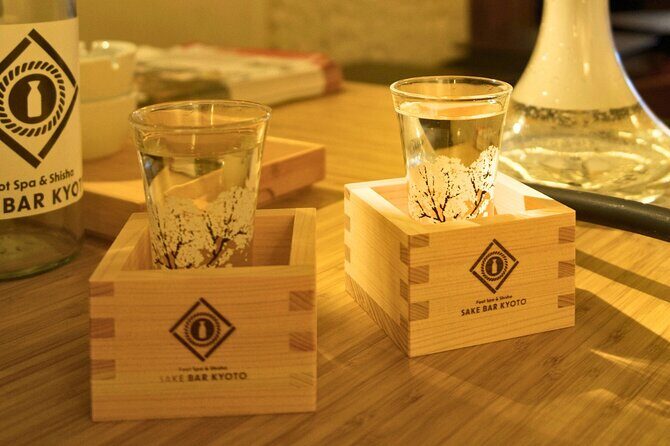
Each person receives a complimentary hinoki sake cup as a take-home gift. Hinoki is the fragrant cypress wood often used in Japanese products for its pleasant scent and natural warmth.
This is a smart inclusion because it gives the experience a real physical memory. Plenty of tastings end with tasting notes that vanish after the night. Here, you leave with something you can hold, smell, and use later.
Two practical notes before you buy into the souvenir value:
- Make sure your group is comfortable carrying it. It’s a Kyoto shop-style item, and you’ll want to pack it carefully for the walk back.
- If you plan to use it at home, treat it like a specialty wood cup. Hand care matters more than you might think.
This detail is one of the most “Kyoto” parts of the whole setup, and it’s included right in the price.
Price, value, and whether the format fits your style
The price is $22.76 per person, and it’s often booked about 40 days in advance. That early booking pattern tells me demand can run steady, especially for people who want an easy post-dinner activity in a central area.
To judge value, I look at what’s actually included:
- A 3-sake tasting flight with premium sake styles including Junmai and Junmai Daiginjo
- A welcome plate of three obanzai appetizers (selection varies)
- Unlimited snack access during your visit: dagashi, instant cup noodles, and ice cream
- A take-home hinoki sake cup
When you stack those together, the price starts to make sense as a packaged “Kyoto night” experience rather than a minimal tasting. You’re not just paying for alcohol; you’re paying for the whole night-comfort setup: food pairing, guided tasting, and a constant snack buffet.
Now, the trade-off is time. At about 45 minutes, you don’t get an extended classroom-style lesson. If you’re a high-detail sake nerd who wants long explanations and long pours, this may feel a bit short. If you’re aiming for a laid-back evening where you taste and learn a bit, it’s a good match.
If you’re traveling with a group, the private format can be a strong value too. You get a dedicated run for your people, which can reduce friction compared with shared group tastings.
Practical tips for a smooth night here
- Arrive on time. With a 45-minute structure, being late can throw off the tasting flow.
- If you care about the foot spa, plan the extra ¥825 foot-bath cost ahead of time.
- Appetizers can include seafood and pickled items. If you have dietary limits, ask early.
- Don’t judge the quality by the bottle size. Focus on aroma, sip, and how food changes the flavor.
- If you’re sensitive to smoke, note that shisha is available on-site (¥2,750 per person). You may want to ask where it’s positioned in the bar.
Should you book SAKE BAR KYOTO Foot Spa?
Book it if you want a simple, central Kyoto night activity that combines sake tasting, Kyoto obanzai, and real comfort food like noodles and ice cream—all in one compact stop. The included hinoki cup also makes it feel worthwhile even if you’re just passing through.
Skip it or book with lower expectations if you want a long, slow, highly technical sake seminar. The pace is short, and some of the guidance is presented through a menu and quick staff explanations.
Also, if you strongly prefer total freedom and unstructured dining, you may wonder why do it as a guided activity at all. Still, the pairing structure plus the snack inclusions are the reason this feels more than a casual drink.
If your goal is an easy, memorable Kyoto evening in about an hour, I’d put this on your list—especially if you’re already near Kawaramachi.
FAQ
How long does the Kyoto sake and food tour last?
The experience lasts about 45 minutes.
What is included in the price?
The price includes a sake tasting flight of 3 varieties, three kinds of obanzai appetizers, unlimited snacks (dagashi), unlimited instant cup noodles, unlimited ice cream during your visit, and a complimentary hinoki sake cup.
Is the foot bath included?
No. Foot bath access is available on-site, but it is not included in the activity price. The listed cost is ¥825 per person.
Can I smoke shisha during the experience?
Shisha is available on-site, but it is not included in the activity price. The listed cost is ¥2,750 per person.
Where is the meeting point?
You meet at SAKE BAR KYOTO -Foot spa & Shisha-Japan, 604-8021 Kyoto, Nakagyo Ward, Kitakurumayachō, 27628 2F ビル.
What is the cancellation policy?
You can cancel for free up to 24 hours in advance for a full refund. If you cancel less than 24 hours before the start time, the amount paid will not be refunded.