REVIEW · KIMONO RENTAL & PHOTOSHOOT
Kyoto: Kimono Rental and Matcha Experience
Book on GetYourGuide →Operated by MK TRAVEL · Bookable on GetYourGuide
Kimono plus matcha is Kyoto’s best selfie combo. Starting at Kyoto Station, you’ll get dressed with an English-speaking team, ride in a private taxi to Ichinenzaka 362 Café, and whisk your own matcha on tatami. I especially like the self-made matcha moment and how smoothly the staff helps you into the kimono (including winter haori for men). One consideration: you’re on a schedule, with kimono returns due by 5:30 pm, so don’t plan a late-night Kyoto detour.
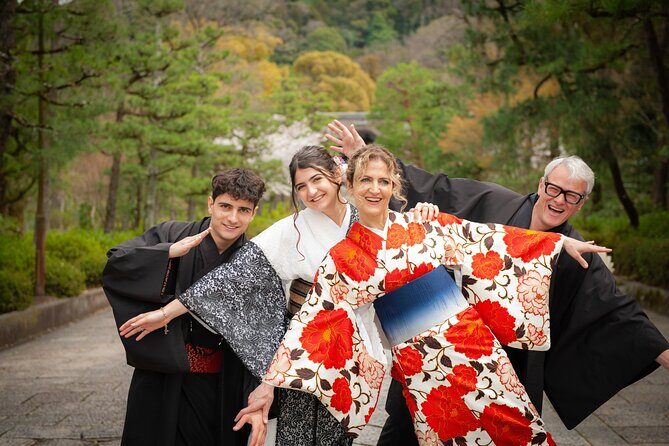
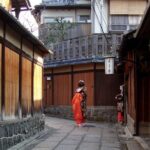
The best part is that the experience doesn’t stop at tea. After your bowl, you wear your kimono straight into the traditional streets near Kiyomizu-dera for photos among wooden shopfronts and classic lanes. Everything you need for the outfit is handled for you, from socks and shoes to the bag, so you can focus on the culture—not gear. You’ll also spend the drive time covered, since the one-way taxi from Kyoto Station to the Kiyomizu area is included, making the day feel easier than cobbling together multiple transfers.
In This Review
- Key Things To Know Before You Go
- Getting Dressed at MK Kimono Rental Mimosa: One-Minute Start by Kyoto Station
- The Matcha Workshop at 一念坂 362 Café: Whisking Your Own Bowl
- Kiyomizu-dera Streets in Kimono: Photos, Timing, and What to Watch For
- Price and Logistics: Why $50 Can Feel Like a Deal
- Who This Fits Best (and Who Should Skip It)
- Small Tips That Make the Day Easier
- Should You Book This Kyoto Kimono and Matcha Day?
- FAQ
- Where is the kimono rental store located?
- Is there an English-speaking guide?
- What is included in the kimono outfit?
- Do I get transportation to the tea café?
- How long is the matcha workshop portion?
- What are the return times for the kimono?
- Can I return the kimono the next day?
- Are pets allowed?
Key Things To Know Before You Go
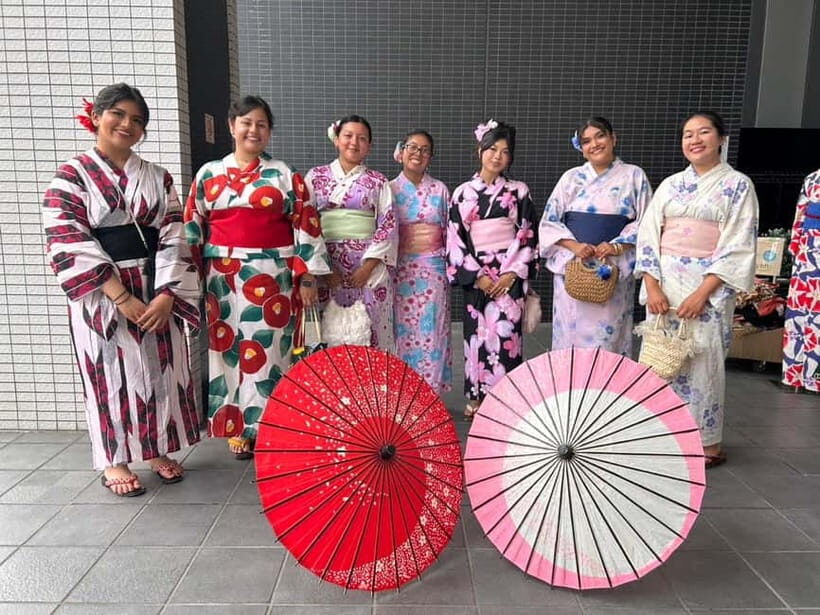
- One-minute start at Kyoto Station: The store is by the Hachijo exit, so you can get suited up fast.
- English-speaking support: You’re guided throughout, which makes first-time kimono days less stressful.
- Tatami tea room + hands-on matcha: You watch a short ceremony, then whisk your own frothy bowl.
- Photo time near Kiyomizu-dera: After tea, you explore in kimono for that classic Kyoto look.
- Kimono return window is real: Last check-in is 3:00 pm and returns are due by 5:30 pm.
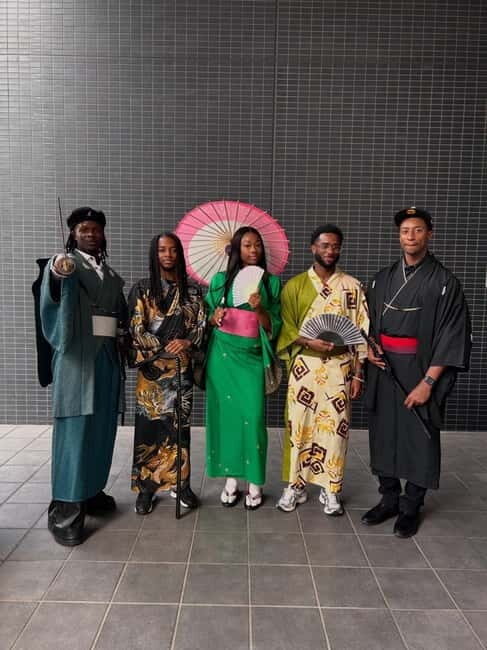
- Winter comfort detail: Men receive a haori jacket in winter.
Getting Dressed at MK Kimono Rental Mimosa: One-Minute Start by Kyoto Station
If you want to feel like Kyoto begins the moment you step off the train, this is a smart pick. Your day starts at MK Kimono Rental Mimosa Hachijo-guchi Store, right in the Kyoto Station area, located in front of the Hachijo exit. It’s close enough that you don’t have that familiar “where is it, which exit, how far” scramble—especially helpful if you’re carrying luggage.
Once you arrive, the team gets you ready. The kimono set for the normal plan includes everything needed to wear it properly:
- kimono (or yukata in summer)
- obi belt
- socks
- shoes
- bag
- innerwear
In winter, men also get a haori jacket, which matters because you’ll be outdoors taking photos near Kiyomizu-dera. You’ll also have free luggage storage, so you can travel light once you’re suited up.
There’s also a cultural warm-up built into the experience flow: the program starts with a calligraphy class. Even if you’ve never held a brush before, it’s a fun way to switch gears from traveling mode into Kyoto mode before you head off to tea.
One practical thought: kimono fit matters for comfort. The staff guide is there for a reason—take their help seriously when adjusting your sleeve length, obi position, and overall posture. You’ll walk and pose differently once it feels secure.
You can also read our reviews of more tours and experiences in Kyoto.

The Matcha Workshop at 一念坂 362 Café: Whisking Your Own Bowl
After you’re dressed, you take a private taxi to Ichinenzaka 362 Café, near Kodaiji Temple. The drive is about 20 minutes, and since it’s included, you don’t have to manage local directions while wearing a kimono outfit that limits your stride.
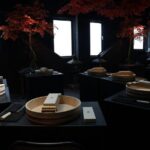
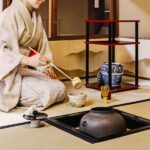
At the café, you’re brought into a tatami room inside a renovated townhouse setting. This is where the experience earns its keep. You’re not just watching something from the outside—you’re part of it.
Here’s the basic rhythm:
- You watch a short tea ceremony.
- Then you whisk frothy matcha yourself.
- Finally, you sit and enjoy the bowl you made.
I like this format because it keeps both the meaning and the hands-on part. The ceremony gives you context and pacing, and then the whisking turns matcha from a concept into an actual skill. English-speaking staff guide you throughout, so you’re not stuck translating what’s happening minute by minute.
Also, the atmosphere is calm. This isn’t a loud “performance for tourists” vibe; it’s a quiet tea room where you can take your time and focus. That matters because matcha tastes best when you’re not rushing.
And yes, you’ll end up with a nice lived-in moment: you’ll feel the difference between the drink you’re served and the one you actively prepare.
Kiyomizu-dera Streets in Kimono: Photos, Timing, and What to Watch For
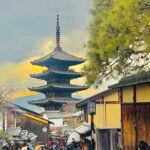
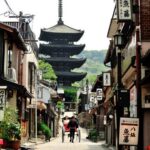
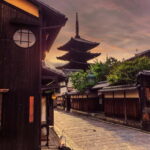
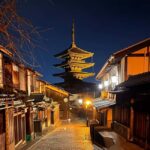
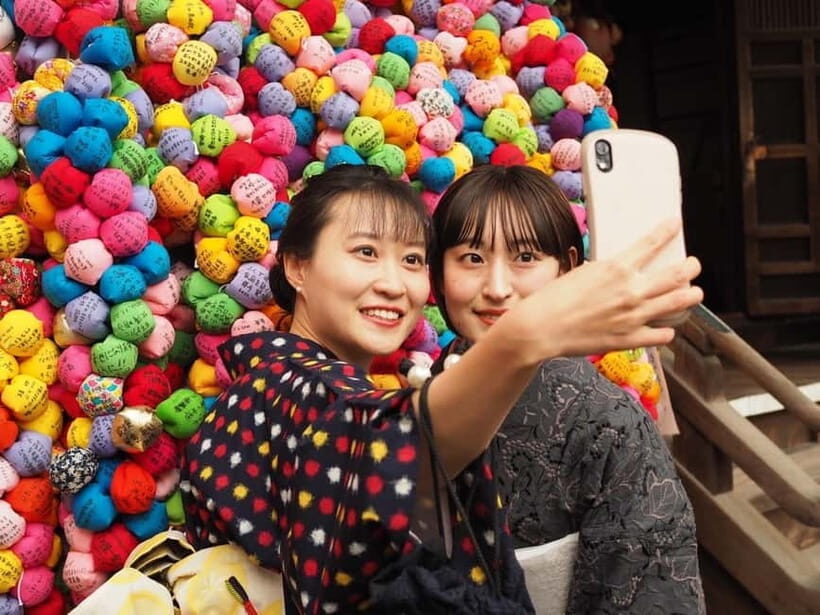
Once tea is done, the experience shifts into Kyoto’s street-life mode. You’ll stroll through the timeless streets near Kiyomizu-dera wearing your kimono, capturing photos in front of traditional shops and wooden houses. This is the part most people imagine when they picture Kyoto, and it’s why the kimono rental is worth it: you get to use the outfit right where it belongs.
You’ll have time to explore after the café visit (the program includes a one-hour block for the visit/exploration portion). Use that time intentionally:
- Start with the photo spots that require the most walking or positioning.
- Then move into side streets where the background stays more authentic and less tour-coached.
- If you see a quiet alley with good light, don’t overthink it. Kimono photos look better when you’re willing to adjust quickly.
A small note on comfort: kimono shoes are functional, but they don’t behave like running shoes. Keep your steps measured. If you’re planning lots of climbing (Kyoto loves its slopes and stairs), make sure you’re not treating the kimono time as your entire walking itinerary for the day.
Also, remember that your outfit day has a clock attached to it. Kimono rental hours are 9:00 am–6:00 pm, with last check-in at 3:00 pm and returns due by 5:30 pm. Build your plan so you can enjoy the street time without cutting it too close.
If you want flexibility afterward, you can change and return kimono at the same location where you enjoyed the matcha. You can also go back to Kyoto station to change there, though that transportation back is not included in the price.
Price and Logistics: Why $50 Can Feel Like a Deal
At $50 per person for a one-day experience, the value comes from the bundle. This isn’t just a kimono rental and a voucher for tea. You’re getting:
- a full kimono/yukata set (including socks, shoes, innerwear, obi, and bag)
- the matcha experience (including a tea ceremony portion and your hands-on whisking)
- a one-way private taxi from Kyoto Station to the Kiyomizu area
If you price those components separately while traveling in Kyoto, the total usually grows fast—especially once you add the taxi leg and the fact that the kimono outfit includes more than just the fabric.
There’s also scheduling value. Because the day has a set structure and English guidance, you don’t spend time figuring out transitions between places. That time savings is real money, even when it’s not counted on a receipt.
One logistics consideration: the price includes the taxi one-way, but transportation after the experience is not included. Also, if you need to return the kimono later, there are next-day return fees:
- 9:00 am–10:00 am: +1,100 yen
- 10:00 am–6:00 pm: +2,200 yen
You can treat those fees as an option rather than a promise—plan to return on time unless you truly need the extra window.
Who This Fits Best (and Who Should Skip It)
This is a great match for people who want a classic Kyoto day without the friction. I’d point you to this if:
- you’re doing Kyoto for the first time and want English guidance
- you want that kimono + matcha combo with a real photo payoff near Kiyomizu-dera
- you like structured cultural activities where you still get hands-on moments
- you’re traveling as a private group and prefer a calmer pace
The experience also has clear boundaries. It’s not suitable for:
- pregnant women
- people over 95 years
- pets (pets aren’t allowed)
- alcohol and drugs are not allowed
If any of those apply to you, it’s worth choosing a different style of Kyoto experience that better fits your situation.
Small Tips That Make the Day Easier
A kimono day goes smoother when you treat it like a small production—good prep, less fuss.
- Arrive a bit early near Kyoto Station. Being close to the Hachijo exit helps, but you still want time to settle in before dressing.
- Use the luggage storage. Don’t carry what you don’t need while you’re out taking photos.
- Plan your restroom timing. You’ll have a short ceremony, then whisking, then walking. If you handle bathroom needs early, you won’t worry about it mid-walk.
- Keep your bag close during the explore time. You’ll be in traditional streets with photo moments, so fewer loose items is better.
- Dress for temperature, not just style. In winter, the haori for men helps, but you’ll still be outdoors near Kiyomizu-dera. Bring a practical layer if you’re sensitive to cold (and follow any guidance from staff about what fits with the outfit).
And one more reality check: because the kimono return is due by 5:30 pm, treat this as your main scheduled activity of the day. It’s not the kind of outfit plan you want to stack with late-night plans.
Should You Book This Kyoto Kimono and Matcha Day?
If you want a Kyoto day that feels instantly “real” (kimono on the streets, matcha in a tea room, photos near Kiyomizu-dera), this is a strong booking. The big reasons are simple: English-speaking support, hands-on matcha whisking, and included transport that gets you to the tea café area without stress.
I’d skip it only if you’re looking for a very long, flexible day. Between last check-in and return-by times, you have to respect the schedule. Also, if kimono walking will be difficult for you, plan accordingly since you’ll be moving through traditional streets in the outfit.
If your priority is an elegant cultural experience with great photos and fewer logistics headaches, this one makes sense.
FAQ
Where is the kimono rental store located?
The kimono rental store is the MK Kimono Rental Mimosa Hachijo-guchi Store, located in front of the Hachijo exit of Kyoto Station.
Is there an English-speaking guide?
Yes. English-speaking staff guide you throughout the experience.
What is included in the kimono outfit?
Included items are the kimono (or yukata in summer), obi belt, socks, shoes, bag, and innerwear. Men also receive a haori jacket in winter.
Do I get transportation to the tea café?
Yes. A one-way private taxi from Kyoto Station to the Kiyomizu area is included.
How long is the matcha workshop portion?
The tea ceremony and matcha experience at 一念坂 362 Café is listed at about 30 minutes.
What are the return times for the kimono?
Kimono rental is 9:00 am–6:00 pm. Last check-in is 3:00 pm and kimono return is due by 5:30 pm.
Can I return the kimono the next day?
Yes, next day return fees apply. Returns from 9:00 am–10:00 am cost +1,100 yen, and returns from 10:00 am–6:00 pm cost +2,200 yen.
Are pets allowed?
No. Pets are not allowed.