Gion changes pace after sunset. This 90-minute walk through Kyoto’s Gion district lets you see the lantern glow and iconic sights when day crowds thin out, with local sake in hand as you go.
I love the small-group feel (max 10) and the easy conversation with guides like Shumpei and Nick. The tour also includes photo assistance plus a cup of sake, so you get better pictures and a calmer rhythm than rushing from landmark to landmark.
One catch: you’ll do real walking on streets that can be uneven, so bring comfortable shoes, and it’s not a good fit if you have back problems.
In This Review
- Key Highlights You’ll Feel Right Away
- Why Gion at Night Beats Daytime Crowds
- The $32 Value: 90 Minutes, Sake, and Photo Help
- Meeting in Shijo Kiyamachi: Where to Find Your Guide Fast
- Stop-by-Stop: The Gion Route That Actually Makes Sense
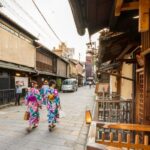
- Hanamikoji Street: The Geisha District at Lantern Level
- Yasui Kompira-gū Shrine: The Power Stone and the Human Side of Belief
- Hōkan-ji Temple and Yasaka Pagoda: Five Stories Lit for the Night
- Ninenzaka: Cobblestones, Old Townhouses, and That Back-in-Time Feeling
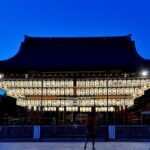
- Yasaka Shrine Finish: A 1,300-Year-Old Landmark for Your Evening Exit
- Geiko and Maiko Stories: What You Learn (and What You Can Ask)
- Sake as Part of the Walk: Enjoy It, Then Stay Respectful
- Rain, Night Air, and Footwear: The Details That Make or Break Comfort
- Who Should Book This Gion Evening Walk—and Who Should Skip
- Should You Book the Kyoto Gion Evening Walk?
Key Highlights You’ll Feel Right Away
- Lantern-lit Hanamikoji Street after the rush
- Yasaka Pagoda (Hōkan-ji Temple) looks better at night
- Yasui Kompira-gū Shrine’s power stone story
- Ninenzaka cobblestones and old wooden townhouses in the dark
- Photo help at each stop so you can relax
- A sake cup included as you stroll
Why Gion at Night Beats Daytime Crowds
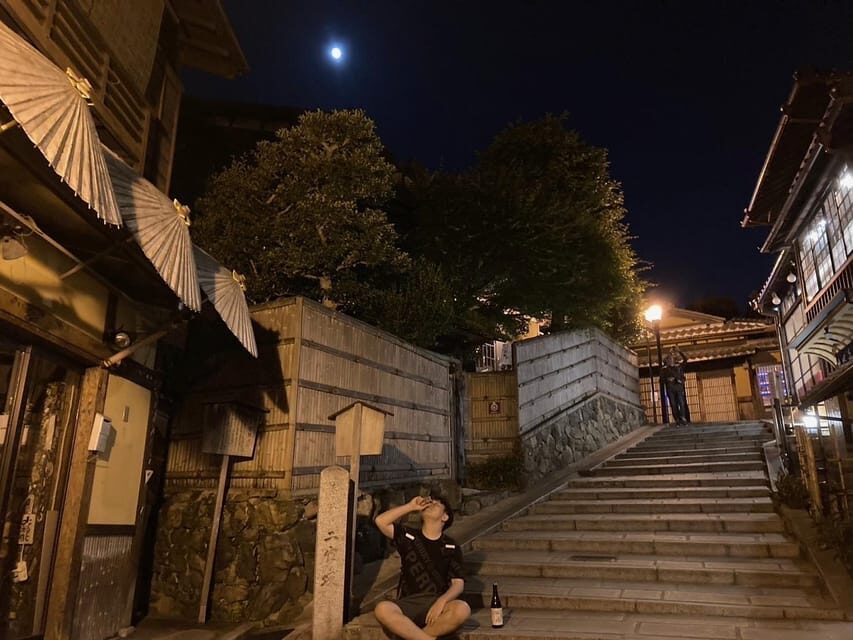
Daytime Gion is famous for a reason. But at night, the district shifts from checklists to atmosphere. You walk through narrower lanes where light pools on old wood and stone, and the pace slows in a way that feels… human. That’s the whole point here: you get the same streets, temples, and shrine landmark energy without the constant shoulder-to-shoulder pressure.
The best part is that the tour isn’t just about standing in front of famous buildings. It’s about timing. Yasaka Pagoda at night, for example, is lit up and far less crowded than during the day, so you can actually see the five-story shape clearly. Same idea for the shrine-and-street sequence through Gion: the darkness makes details easier to notice and photos more flattering.
And if you’re someone who likes to understand what you’re seeing, the guide’s stories help you connect the dots. You’re not just looking at architecture—you’re learning what people believed, where practices came from, and why certain places matter in daily Kyoto life.
You can also read our reviews of more walking tours in Kyoto


The $32 Value: 90 Minutes, Sake, and Photo Help
At $32 per person for about 90 minutes, this isn’t priced like a “grab a ticket and wander” experience. You’re paying for a guided route that hits the key sights without wasting time, plus two things that matter on a night out: sake and photo assistance.
Sake changes the feel of the tour. It turns the walk into an experience, not a sprint. You’re holding something warm (or at least comforting) while you move between spots, which helps you slow down and enjoy the moment rather than rushing to fit everything in.
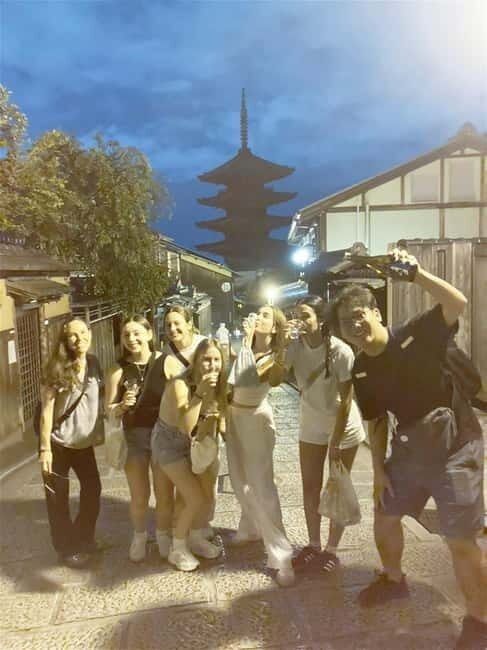
Photo assistance is another sneaky value point. A lot of tours take pictures for you. This one helps you take your own better shots—framing, angle, and where to stand—so you still feel like you’re out sightseeing, not watching someone else do the work. That’s especially useful around Hōkan-ji Temple and the pagoda lighting, where it’s easy to end up with messy angles if you don’t know where to position yourself.
Small-group size also affects value. With a max of 10 people, you get more chances for questions and real conversation. In my kind of travel style, that’s worth a lot. You can ask about culture, what to eat next, or even lighter questions; some guides (like Shumpei) are the type who answer whatever comes up, from Kyoto history to pop-culture curiosity like anime rankings.
Meeting in Shijo Kiyamachi: Where to Find Your Guide Fast
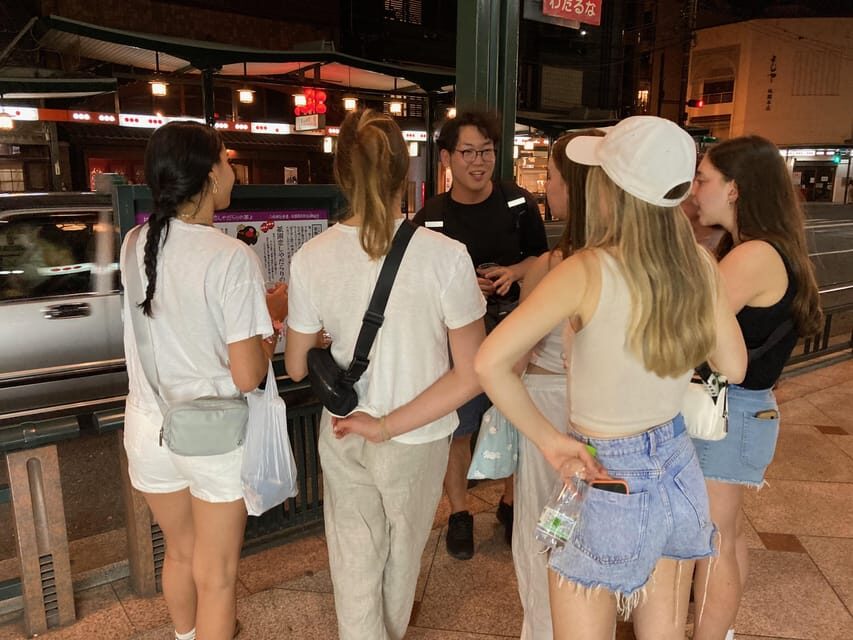
You start at Shijo Kiyamachi, and the guide meets you holding a sign that says Otatrip Guide. The meeting point is between McDonald’s and the Japanese restaurant Kikunoi Roan, slightly south along Kiyamachi Street.
This matters more than people think. Kyoto is full of identical-looking storefronts and side streets. If you arrive late, you may find the group has already departed on time. So give yourself a little buffer—especially if you’re juggling maps and crossing streets in the dark.
Also plan for an evening walk mindset: you’re moving, turning, and stopping. Comfortable shoes aren’t optional here. Even if the route is compact, you’ll spend your energy on the ground.
Stop-by-Stop: The Gion Route That Actually Makes Sense

This tour works because it builds from signature street scenes into calmer, more spiritual stops, then ends at a major shrine landmark. Each stop has a reason, and the order helps the night feel cohesive rather than random.
Hanamikoji Street: The Geisha District at Lantern Level
Your first real impression is Hanamikoji Street, Kyoto’s most famous geisha street. At night, those traditional tea-house fronts and wooden streets don’t feel like a theme park. They feel like a living neighborhood that still carries its identity after the day-trippers leave.
You’ll get a photo stop plus guided time here (about 15 minutes). That’s long enough to notice details—signboards, architecture lines, the way light hits the stone—and still short enough to keep momentum.
Practical note: this street is scenic, but it can also be narrow. You’ll want to move when the group moves, so you don’t block others trying to pass through.
You can also read our reviews of more food & drink experiences in Kyoto


Yasui Kompira-gū Shrine: The Power Stone and the Human Side of Belief
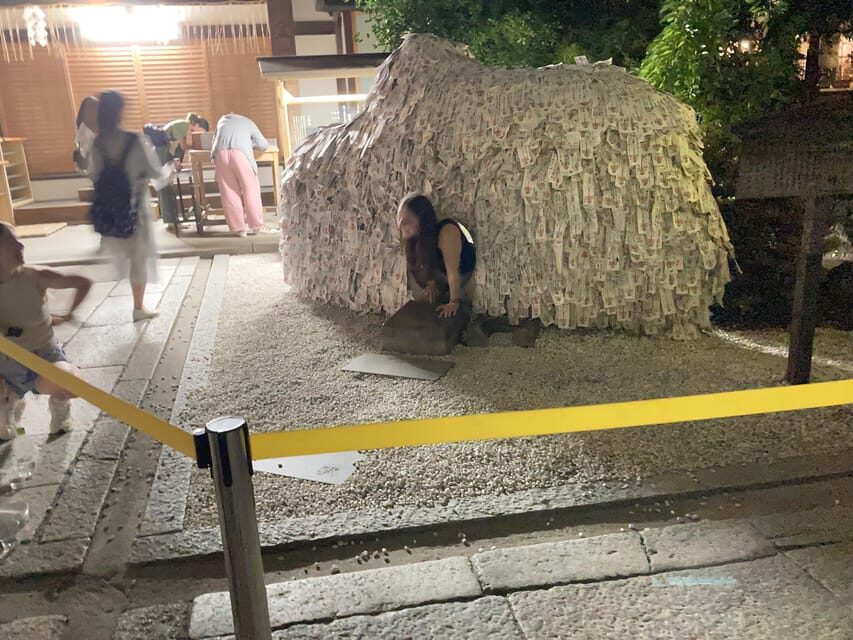
Next comes Yasui Kompira-gū Shrine, with a quick photo stop and a guided visit (about 10 minutes). This shrine stands out because of its power stone and the very practical belief attached to it: people come to cut bad ties and build good ones.
I like this stop because it isn’t abstract. It’s spiritual, sure, but it also feels like a place where everyday worries show up—relationships, stress, changing habits. The guide explains the story in plain English, so you don’t need a religious background to follow what’s going on.
If you’re the type who enjoys moments of quiet reflection, this is one of the best parts of the route. The setting also helps you slow down after the street sights.
Hōkan-ji Temple and Yasaka Pagoda: Five Stories Lit for the Night
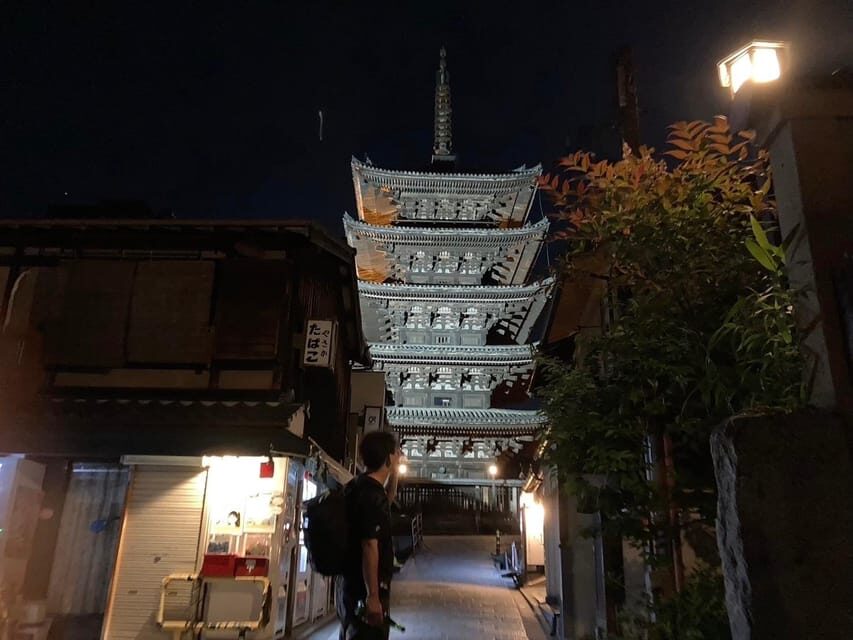
Then you reach Hōkan-ji Temple, where the famous Yasaka Pagoda rises. You’ll get another photo stop and guided visit (about 10 minutes), and this is one of those Kyoto moments that looks like a postcard—only better—because you’re seeing it in low light.
At night, the pagoda is beautifully lit and far less crowded than daytime. That makes it easier to see the full five-story form without people spilling into your frame. You’ll also understand what you’re looking at, because the guide ties the site to the broader Shinto and Buddhist context around Gion.
Watch your footing and give yourself a second before you shoot. Night photos punish sloppy steps. If you’re not sure where to stand, ask your guide—photo assistance is part of the experience.
Ninenzaka: Cobblestones, Old Townhouses, and That Back-in-Time Feeling
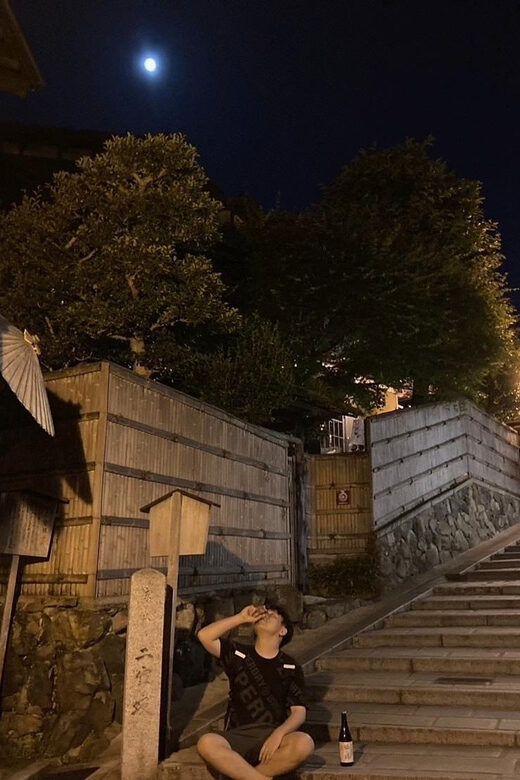
From the temple stop, you continue to Ninenzaka, the charming cobblestone slope lined with traditional wooden townhouses. You’ll spend about 10 minutes here for a photo stop and guided walking through.
At night, Ninenzaka feels like Kyoto stepping back in time. The darkness softens the edges of the street and makes those wooden facades look even older. If you love textures—stone underfoot, worn wood, the way buildings lean toward the path—this is a strong stop for you.
A consideration: cobblestones can be slippery if the weather turns. The tour can be a great experience even in rain (one guide situation I saw firsthand is that quiet streets can feel extra special when it’s wet), but you should still take your time on the slope.
Yasaka Shrine Finish: A 1,300-Year-Old Landmark for Your Evening Exit
The tour ends at Yasaka Shrine. It’s a grand spiritual landmark that has watched over Gion for over 1,300 years, and it’s a satisfying way to wrap up your night walk.
Finishing here helps the whole route feel grounded. You started in a street known for traditional culture, moved through specific places of belief, and end at a major shrine where the history has long roots. In a short 90 minutes, it gives your evening a clear “beginning, middle, and landing.”
Also, once you’re done, you’re not stuck far from major areas of Kyoto—ending at Yasaka Shrine puts you in a part of the city where it’s easier to keep exploring on your own.
Geiko and Maiko Stories: What You Learn (and What You Can Ask)
The tour is designed as more of a walk-with-a-local-friend than a lecture. That changes what it feels like. When you can ask questions, you stop collecting random facts and start building understanding you can use while you travel.
You’ll hear stories about Geiko and Maiko, plus local history and the Shinto and Buddhist context that surrounds these places. The guide explains in plain English, which keeps the experience moving and keeps you from getting lost in heavy terminology.
What I like is that the guide style isn’t stiff. Guides such as Shumpei are described as funny, patient, and generous with the sake, and they answer questions beyond the strict script. That can mean you learn something culturally useful and still get a light conversation that makes the night feel easy.
If you’re curious about how people in Kyoto think about tradition—what’s ceremonial, what’s practical, what changes over time—this tour gives you enough context to make your next stops smarter.
Sake as Part of the Walk: Enjoy It, Then Stay Respectful
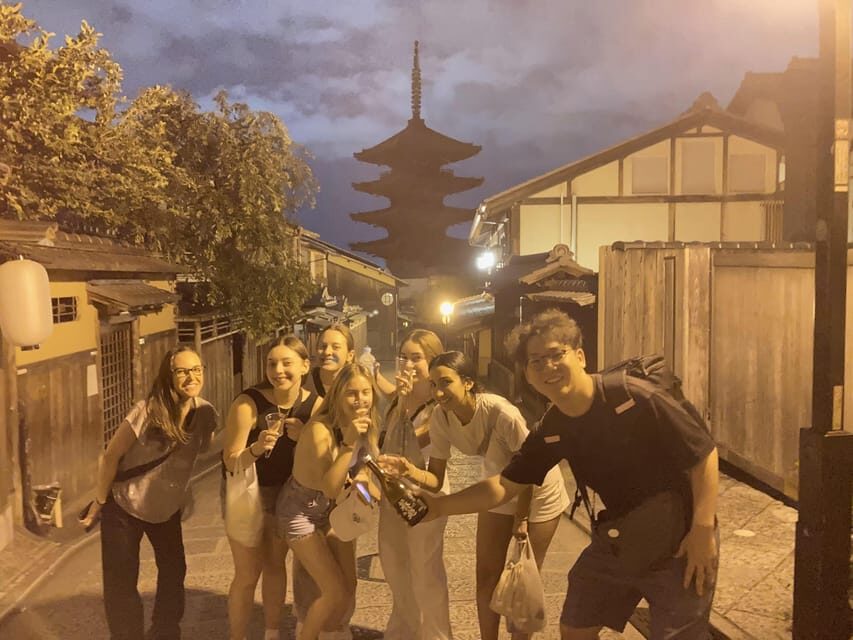
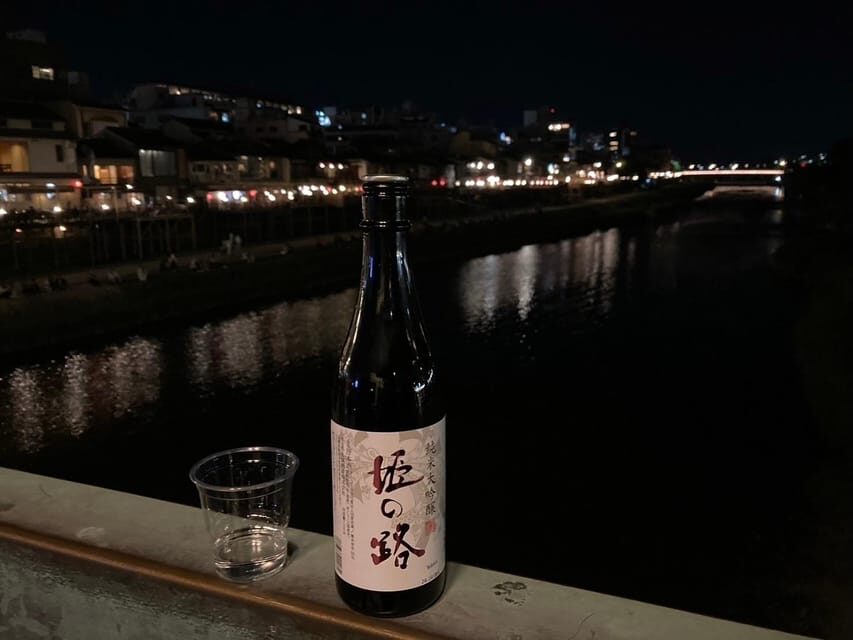
A cup of local sake is included as you stroll. In practice, that means you get to try a Kyoto moment without turning it into a full-on bar crawl.
The best way to enjoy it is to treat it as a pacing tool. You sip, you listen, you look up at the lights, and you keep moving. Don’t make it the event that derails the tour.
You also want to be mindful about volume and setting. The tour asks for low voices in residential and sacred areas out of respect for the neighborhood. That’s not just etiquette—it helps the whole experience keep its calm nighttime tone.
Smoking isn’t allowed, too, which keeps the atmosphere clean around temples and shrines.
Rain, Night Air, and Footwear: The Details That Make or Break Comfort
This is a walking tour. So the “what should I wear?” question is actually the most important one.
Bring comfortable shoes, especially if you’re visiting in cooler months or wet weather. Kyoto nights can feel crisp, and you’ll be outside moving between locations. Good footwear means you can focus on the scenery instead of thinking about your ankles.
If it’s raining, the streets can feel even quieter, and that can make the night feel extra intimate. The flipside is that cobblestones and slopes can be slick, so go slow on transitions like Ninenzaka.
One more practical tip: arrive on time. The tour starts promptly at the meeting point, and if the group has enough participants and timing matters, you don’t want to get left behind.
Who Should Book This Gion Evening Walk—and Who Should Skip
This tour is a great fit if:
- You want Kyoto’s Gion sights after the crowds leave
- You like guided context, especially about Geiko and Maiko culture
- You value small-group conversation (max 10) and photo help
- You want a manageable 90 minutes that still feels like a real evening plan
You may want to skip it if:
- You have back problems or find walking difficult
- You’re looking for a long, self-paced roam rather than a structured route with set stops
- You hate walking at night or on uneven streets
For first-time Kyoto visitors, this works because it focuses on iconic areas without overwhelming you. For repeat visitors, it can still be worthwhile because the night timing and photo support give you a different angle than daytime exploring.
Should You Book the Kyoto Gion Evening Walk?
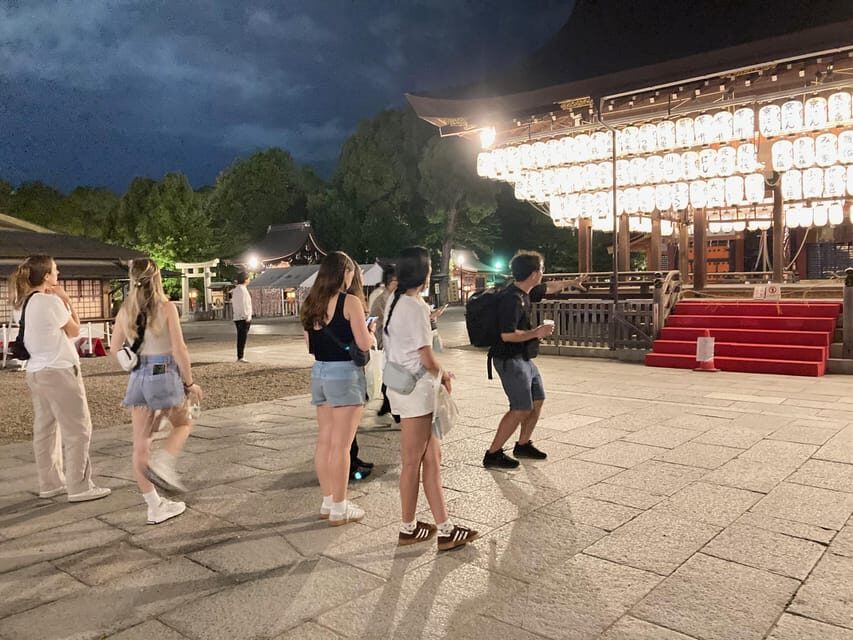
If you’re choosing between doing Gion on your own versus booking a guide, I’d lean toward this one if you want the night version done well. The combination of lantern-lit walking, multiple major stops (Hanamikoji, Yasui Kompira-gū, Hōkan-ji/Yasaka Pagoda, Ninenzaka, Yasaka Shrine), and the practical extras (sake cup and photo assistance) makes the $32 price feel like a fair trade for time saved and better photos.
If you prefer total freedom, or if walking is an issue for you, then skip it and do Gion at your own pace in daylight or with a different format.
Otherwise, book it, wear solid shoes, and come ready to ask questions. Gion at night is where Kyoto stops being a list and starts being a story.