Tea and temples, neatly tied together. This 3.5-hour Kyoto route helps you connect matcha culture with temple calm, without wasting time figuring out directions. I like that it’s paced with short stops and guide-led context, and that temple entry plus a real tea ceremony are built into the price.
The main thing to consider is language clarity. Since it’s an English-speaking guide and the group walks together, if you struggle with soft speech or noisy streets, you’ll want to stay close and ask questions when you can.
If you’re the type who likes meaningful details over rushing, this format works well—especially with the wabi-sabi angle carried through to your tea session.
In This Review
- Key Highlights You’ll Actually Feel
- Getting Started at Gion-Shijo: Where the Tour Begins
- Stop 1 in Gion: Matcha Basics on a Historic Street
- Kennin-ji Temple: A Carefully Timed Temple Visit
- Craft Stops in Kyoto: Shopping Time With a Theme
- The Hidden Temple & Garden Moment, Plus Raku Teacup Stories
- Chayu Tea Ceremony: Wabi-Sabi Comes to the Cup
- Group Size, Timing, and Comfort Tips for a 3.5-Hour Walk
- Price and Value: What $94.45 Covers in Real Terms
- Who Should Book This Tour (and Who Might Want to Skip It)
- Should You Book The Way of Tea: Kyoto Crafts, Hidden Temples & Wabi-Sabi Walk?
- FAQ
- Where does the tour start?
- How long is the tour?
- What is included in the price?
- Do I need to navigate on my own?
- How big is the group?
- Is temple admission included?
- What happens during the tea ceremony?
- Is there an age requirement for the tea ceremony?
- Where does the tour end?
Key Highlights You’ll Actually Feel
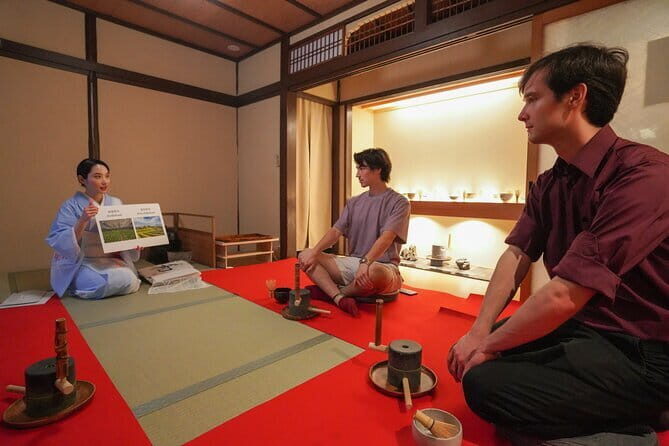
- No-navigation walking route led by an English-speaking guide, so you can focus on what you’re seeing
- Two temple entrances included, including Kennin-ji
- Gion matcha intro with a stroll through the historic district and a visit to a matcha shop
- Ceramics and raku tea-bowl storytelling, where each cup’s character gets explained
- Chayu tea ceremony experience in a traditional Japanese house with tea-master instruction
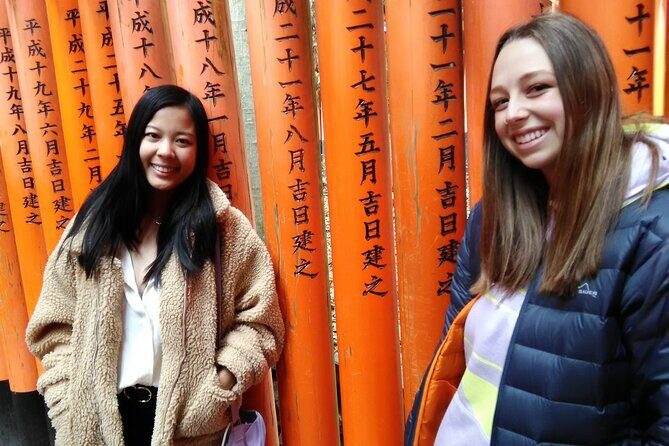
- Photos during the tour, so you’re not stuck timing selfies
Getting Started at Gion-Shijo: Where the Tour Begins
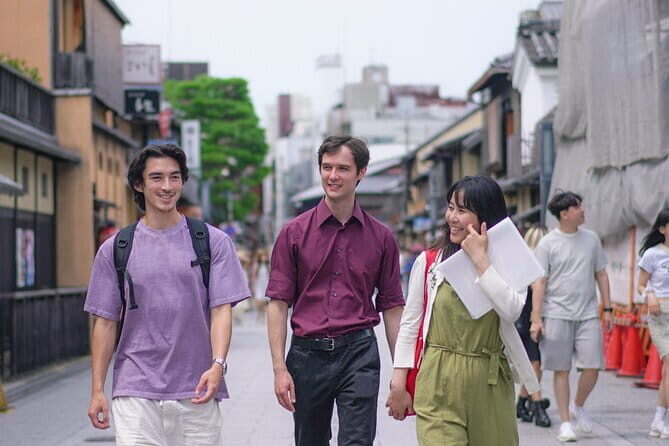
Your day starts in Gion, in a very specific, easy-to-find spot: in front of the Statue of Izumo-no-Okuni, right outside Exit 5 of Gion Shijo Station on the Keihan Line. The guide will be holding an orange signboard that reads Magical Trip Tour, which is a nice touch when Kyoto is doing its usual thing—people, bikes, and sudden rain.
This tour also uses a mobile ticket, which matters more than you’d think. Less fumbling at check-in means you can get moving quickly and still make the early rhythm feel calm.
One more practical note: the tour must start on time. If you’re coming from another part of Kyoto, build in a buffer, because if you miss the group, it’s not a do-over situation.
You can also read our reviews of more walking tours in Kyoto



Stop 1 in Gion: Matcha Basics on a Historic Street
Gion isn’t just pretty streets. The best part of this opening stop is that you start with the story of Japanese tea—how it’s made, and why matcha became such a central part of daily culture and ceremony.
You’ll also walk through the historic district of Gion and stop at a famous matcha shop. The shop visit is short (about 30 minutes), but it gives you something useful: terms to recognize later, and a sense of what you’re tasting when the ceremony time arrives.
Possible drawback: since each stop is timed, you won’t have an hour to wander the side streets or comparison-shop like a dedicated tea hunter. If you want long browsing, you can still do that after the tour—this part is meant to set your mental map.
Kennin-ji Temple: A Carefully Timed Temple Visit
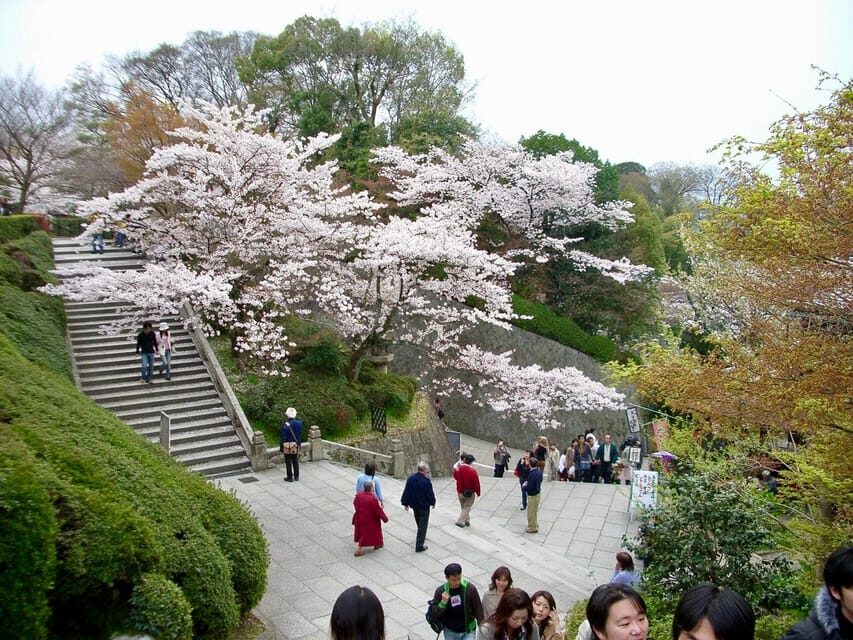
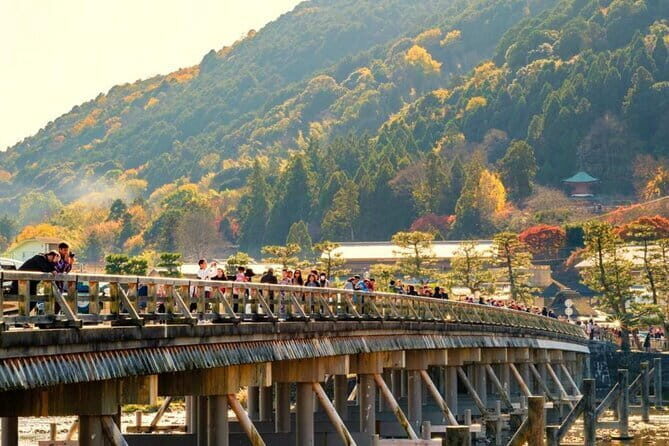
Next comes Kennin-ji Temple, one of Kyoto’s long-standing temple names, visited here with guided context. You get about 30 minutes, and since temple admission is included, you’re not dealing with tickets while you’re also trying to take in details.
This is a “see it, understand it, move on” stop. That can be perfect when your goal is to connect themes: how spaces like this link to tea discipline, quiet attention, and everyday practice.
The consideration here is simple: temples can be crowded, and a short guided window means you’re often seeing the highlights rather than every corner. Still, with a guide framing what to notice, that half hour tends to feel more purposeful than a rushed self-walk.
Craft Stops in Kyoto: Shopping Time With a Theme
After Kennin-ji, the tour shifts into craft mode with craft shops (again, about 30 minutes each). This is less about ticking boxes and more about noticing materials—how everyday objects carry meaning in Japan.
A lot of tours call this “shopping time.” Here, the shop stops have a reason: you’re building toward ceramics and tea utensils, not just buying souvenirs.
What you’ll likely appreciate: the guide’s framing helps you separate random trinkets from items that feel tied to the tea world—especially when you hit the ceramics segment later.
The Hidden Temple & Garden Moment, Plus Raku Teacup Stories
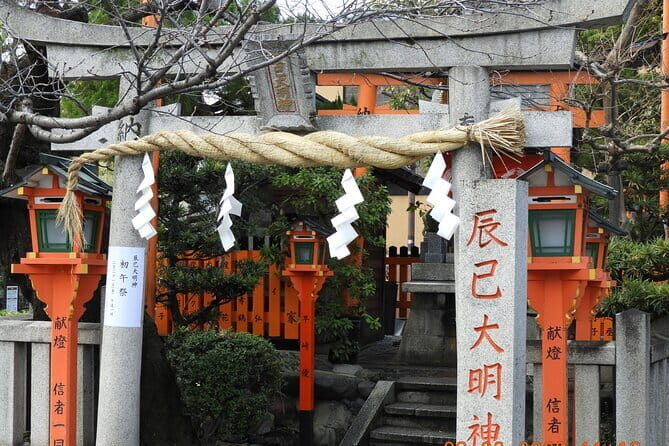
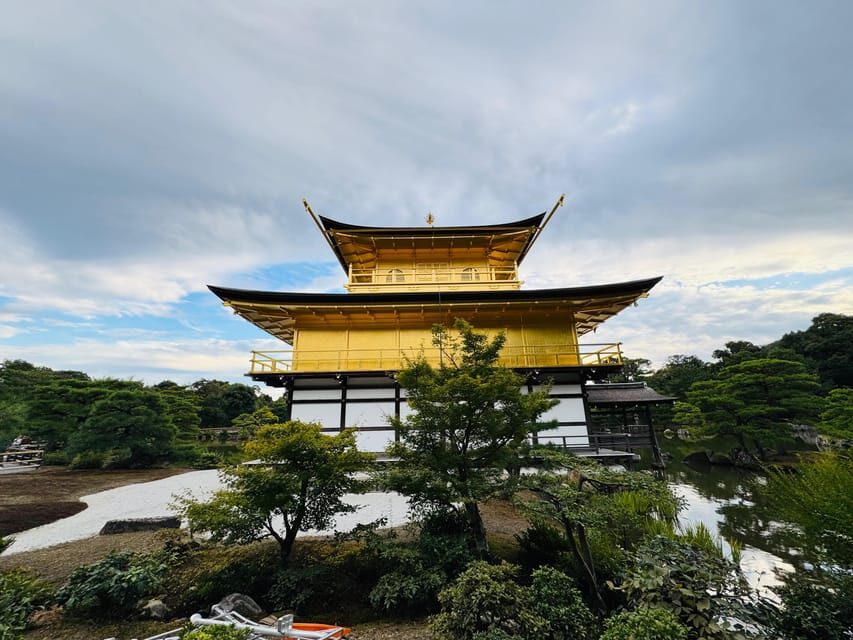
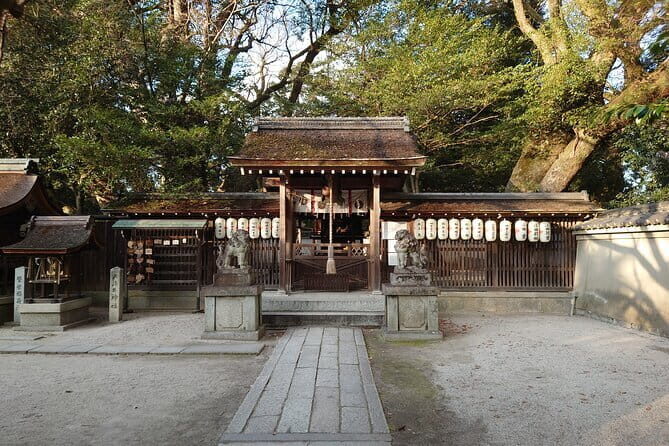
One stop is described as a hidden temple & garden. The wording may sound marketing-y, but the effect is clear in your day plan: you’re not only seeing famous names. You’re also getting at the Kyoto rhythm of quiet corners, gardens, and slower views.
Then the tour moves to ceramics, including a tea bowl shop where a raku teacup takes center stage. This part matters because raku isn’t just a style—it comes with a way of thinking about imperfection and character. The guide explains how each cup has its own “personality,” plus its history and meaning.
That’s a big deal for what comes next. By the time you sit down for your tea ceremony, you’re not just watching a performance. You’re likely to recognize why the bowl’s looks, age, and texture are discussed like they matter.
Drawback to keep in mind: with timed stops, you may not have enough time to ask about pricing, materials, or custom pieces at the level a specialist shopper would want. If you’re hoping to buy something bigger, I’d treat this tour as an inspiration stop—and plan separate time after.




Chayu Tea Ceremony: Wabi-Sabi Comes to the Cup
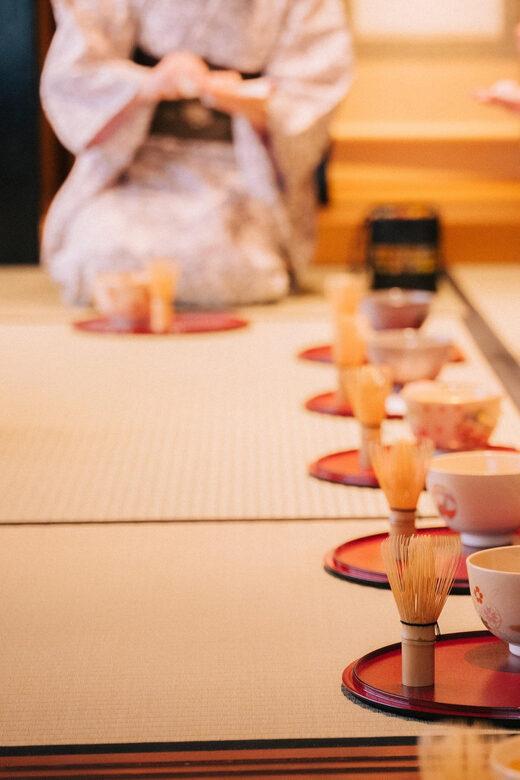
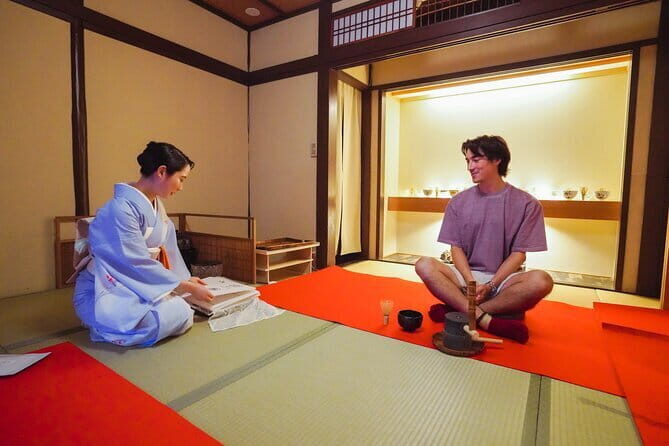
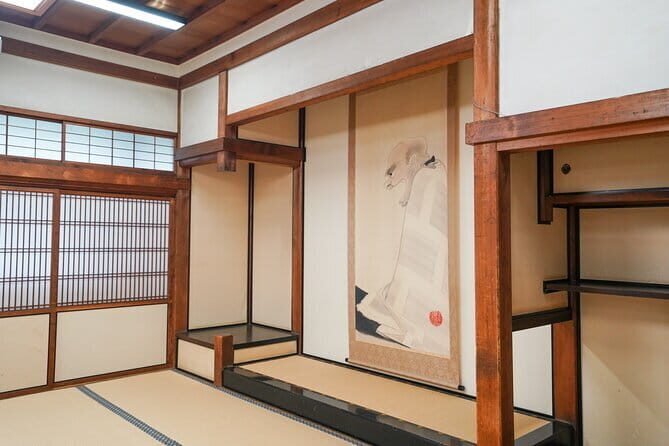
The finale is the tea ceremony at Chayu, set in a traditional Japanese house. Expect about one hour of tea-making and instruction from a tea master.
The ceremony is where the whole tour theme clicks. The day’s wabi-sabi framing isn’t random trivia. It’s designed to shape how you watch, how you handle the tea moment, and how you understand what makes an object feel meaningful—even when it’s not new.
You’ll also drink matcha (green tea) during the experience. This is the kind of included activity that makes the price feel more grounded, because you’re getting a structured cultural moment rather than just a storefront visit.
One more consideration: the tea ceremony can only accommodate children age 6 and older. Kids under 6 can be accompanied by an adult, but the child must stay outside the facility during the experience. If you’re traveling with younger children, plan for a separate activity while your group member enjoys the ceremony.
Group Size, Timing, and Comfort Tips for a 3.5-Hour Walk
This tour caps at a maximum of 7 travelers, which changes the feel. Smaller groups are easier to manage in tight streets, and they usually mean you can ask questions without feeling like you’re talking over a crowd.
The total time is about 3 hours 30 minutes, with frequent short segments. That pacing is great for most people, but it also means you’re standing and walking on and off throughout—so comfort matters.
Japan’s weather has become more extreme, with summer highs around 40°C / 110°F and winter lows near -5°C / 20°F. Even if the tour doesn’t mention length on foot, that kind of temperature can turn a short walk into a slog. Bring the right layer, and if rain shows up, be ready to move in wet conditions.
Quick strategy that works well: wear shoes you can rely on, keep water handy if you need it, and don’t plan your next train ticket immediately after the ceremony. You’ll end at the tea experience location in the Kiyomizu area.
Price and Value: What $94.45 Covers in Real Terms
At $94.45 per person, this doesn’t feel like a budget grab or a luxury splurge. It’s priced like a practical cultural combo: guided walking, admissions, and a structured tea session.
Here’s what you get that usually costs extra if you do it separately:
- Entrance fees for 2 temples
- The tea ceremony experience, including matcha
- A local English-speaking guide for about 3.5 hours
- Photos during the tour
Also, the route is guide-led, which is a real value in Kyoto. You don’t just save time. You save stress. When streets are busy and attractions are close together but not exactly intuitive, navigation turns into mental clutter. This tour is built to keep your attention on the theme.
Where you’ll want to budget separately: the tour doesn’t include extra food or drinks. If you’re snack-hunting in Gion or between stops, plan on spending a bit there.
Who Should Book This Tour (and Who Might Want to Skip It)
You should strongly consider booking if you want a “connect-the-dots” Kyoto day: tea culture + temple context + ceramics + a hands-on ceremony. The small group size makes it easier to ask questions, and the timing works well if you don’t want to spend half your day figuring out routes.
It may be less ideal if you want lots of free time for wandering or long independent shopping. Since each stop is timed, you’re trading flexible browsing for a guided flow.
It’s also a good fit if you care about meaning. The raku teacup explanation and the wabi-sabi approach to tea aren’t just decorative—they shape the ceremony itself.
And if hearing the guide clearly is important for you, plan to stay close and position yourself where you can catch every explanation. In a small group, that usually solves most issues.
Should You Book The Way of Tea: Kyoto Crafts, Hidden Temples & Wabi-Sabi Walk?
My take: yes, if you want structure and theme. This is the kind of tour that turns Kyoto from a list of sights into a story you can feel—Gion matcha education, Kennin-ji atmosphere, craft-focused stops, then a tea ceremony where wabi-sabi isn’t just a phrase.
Book it if you like:
- short, guided stops
- included entrances and a real ceremony
- small-group access
Skip it or think twice if:
- you want long free time at shops or temples
- you’re traveling with children who are under 6 and need everyone in the ceremony space together
If you match the style, you’ll leave with more than photos. You’ll have a clearer sense of why tea and temples belong together in Kyoto.
FAQ
Where does the tour start?
It starts at the Statue of Izumo-no-Okuni, right outside Exit 5 of Gion Shijo Station (Keihan Line).
How long is the tour?
The tour is approximately 3 hours 30 minutes.
What is included in the price?
The price includes an English-speaking local guide, entrance fees of 2 temples, a matcha tea ceremony experience with tea-master instruction, and photos taken during the tour.
Do I need to navigate on my own?
No. A guide leads the way, so you don’t have to plan routes between stops.
How big is the group?
The tour has a maximum of 7 travelers.
Is temple admission included?
Yes. Entrance fees of 2 temples are included.
What happens during the tea ceremony?
You’ll take part in a tea-making experience in a traditional Japanese house and drink matcha, with tea-master instruction.
Is there an age requirement for the tea ceremony?
Yes. The tea ceremony experience can only accommodate children age 6 and older. Children younger than 6 may come but must be accompanied by an adult outside the facility during the experience.
Where does the tour end?
The tour ends at the tea experience place near 4-chōme-172-7 Kiyomizu, Higashiyama Ward, Kyoto, 605-0862.