REVIEW · GEISHA & MAIKO TOURS
Geisha at Dusk: A Stroll Through Old Kyoto
Book on GetYourGuide →Operated by Reelu inc · Bookable on GetYourGuide
Kyoto runs on after-dusk timing. This short stroll stitches together the Ebisu coin-toss ritual and the classic photo drama of Gion and Higashiyama, with lantern-light vibes that hit hardest as the sun drops. What I like most is that you get both Hanamikoji Street atmosphere and the calmer, reflective mood of the Shirakawa River lanes.
One thing to plan for: you might not always spot a maiko or geiko. And yes, it’s a 2-hour walking route, so comfortable shoes matter, especially if the weather is warm or humid.
In This Review
- Key moments worth your attention
- Finding your start point at Donguri-bashi Park
- Ebisu Shrine: prosperity, but make it playful
- Kennin-ji Temple: stepping through the main gate
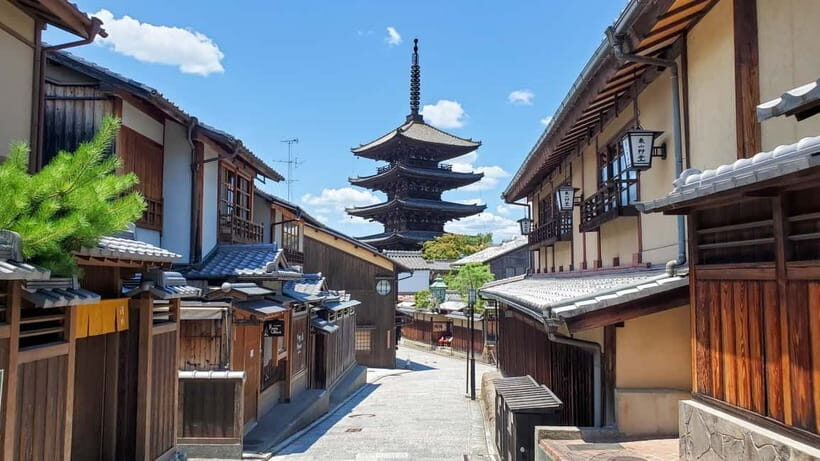
- Hanamikoji Street at sunset: the famous wooden townhouse feeling
- Gion Shirakawa: cobblestones, the river, and the real dusk magic
- How Romi’s guide style makes the walk feel personal
- Price and value: is $20 worth two hours in Kyoto?
- What’s included vs. what you’ll handle on your own
- Who this tour suits best (and who might not love it)
- Quick decision: should you book this Geisha at Dusk walk?
- FAQ
- How long is the tour?
- How much does it cost?
- Where do I meet the guide?
- Is the tour in English?
- Is a meal included?
- Do I always see a maiko or geiko?
- What should I bring?
- Is the tour wheelchair accessible?
- Is there free cancellation?
Key moments worth your attention
- Ebisu Shrine coin toss at the start: a fun prosperity ritual with a box beneath Ebisu’s smiling face
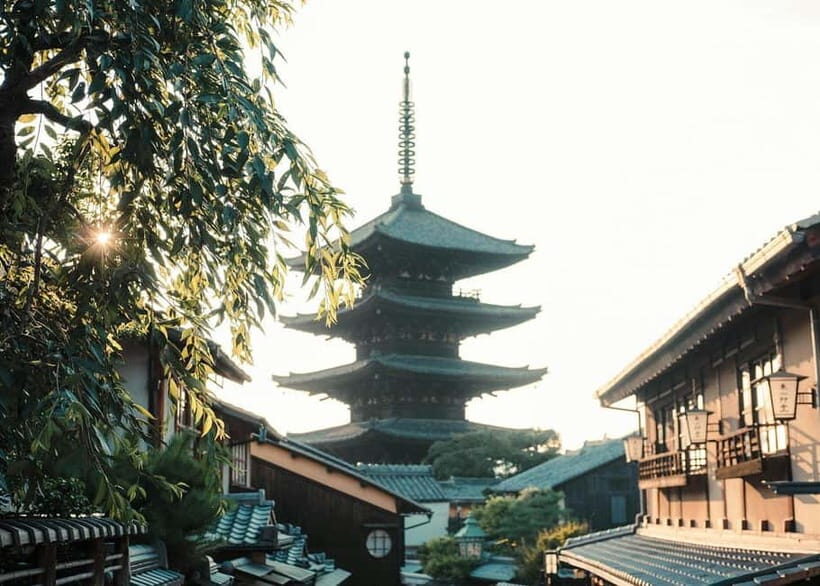
- Kennin-ji Temple photo pause at the main gate, tied to the well-known Wind and Thunder Gods picture
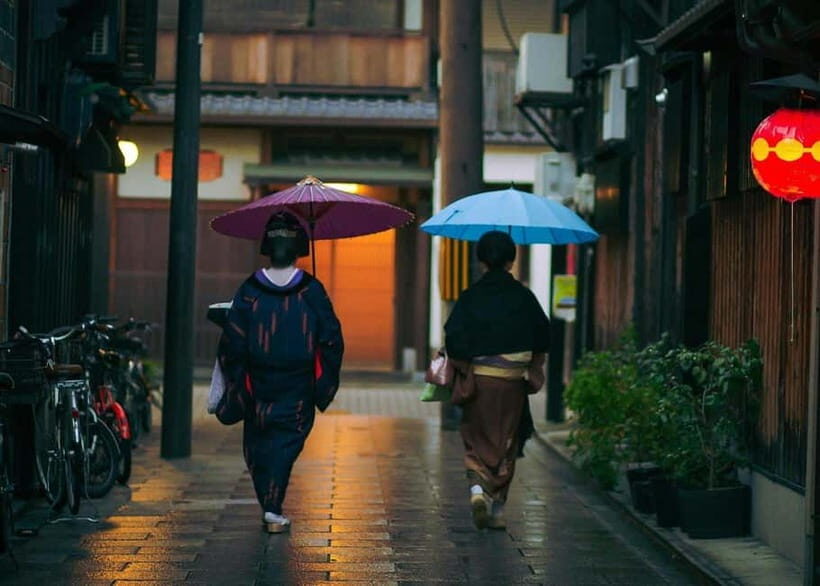
- Hanamikoji Street at golden hour with preserved wooden townhouses and a chance—but not a guarantee—to see maiko or geiko
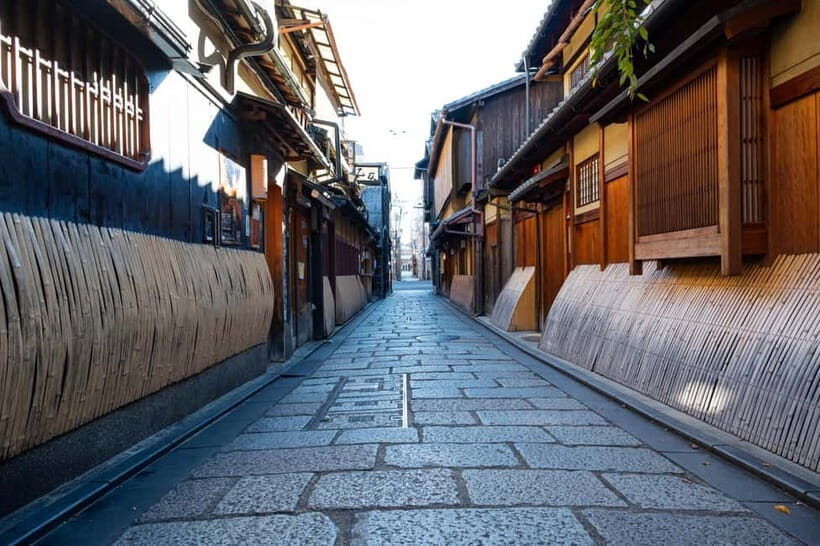
- Gion Shirakawa lanes by the river where dusk makes the wooden houses and cobblestones feel extra cinematic
- A local guide named Romi who keeps the walk moving and answers questions in a small-group format
Finding your start point at Donguri-bashi Park
You’ll meet at Donguri-bashi Park (団栗橋公園), which is an easy launch pad for getting your bearings. I like meeting here because it helps you avoid that common Kyoto feeling of being stuck at the wrong end of town. Once your guide gathers the group, you’ll begin the route with a “why this place matters” vibe instead of a random wandering walk.
This is a small, relaxed tour length at about 2 hours, so the pace stays friendly. You’re not trying to sprint from temple to street; you’re moving in a way that lets you actually look—at doorways, street textures, signage, and the way the neighborhood changes block to block.
Bring comfortable shoes. Also bring a camera if you like night-to-dusk light, because the best moments here happen as the light shifts.
You can also read our reviews of more tours and experiences in Kyoto.



Ebisu Shrine: prosperity, but make it playful
The experience starts at Kyoto Ebisu Shrine, dedicated to Ebisu, one of Japan’s Seven Lucky Gods. Ebisu is associated with prosperity, and the guide frames the visit as more than just a quick shrine stop—you’ll understand why people bother to do these rituals in the first place.
The standout activity is the coin toss. You’ll toss a coin into a box beneath Ebisu’s smiling face, which makes the ritual feel immediate and hands-on. It’s also the kind of small cultural moment you won’t get from simply photographing a shrine gate from the sidewalk. You’re participating in a local tradition, not just observing it.
Practical tip: when you do this kind of shrine ritual, keep your movements calm and respectful. Take a second to watch how others handle it, then follow the flow. Your guide will help you get it right.
Kennin-ji Temple: stepping through the main gate
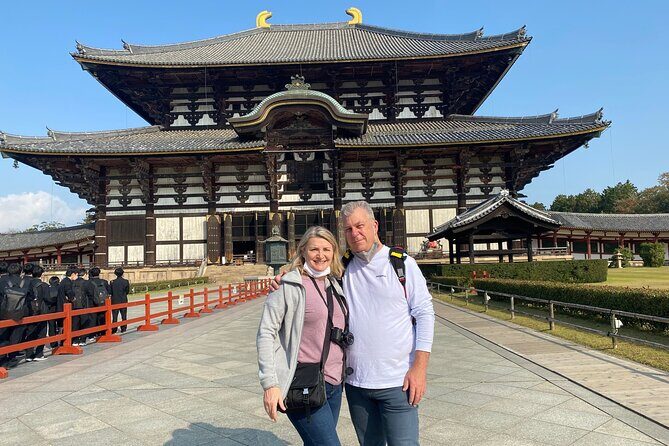
After Ebisu, you’ll head to Kennin-ji Temple, and you’ll pause at the main gate—a moment that works really well for getting oriented. The tour also connects the setting to a specific cultural reference: the temple is home to treasures including the famous Wind and Thunder Gods picture.
Even if you’re not hunting for art history details, this stop does something useful. It slows you down at the exact time your brain is craving context—because you’re about to move into streets full of wooden townhouses, which make more sense when you’ve seen how Kyoto’s temple spaces anchor the city.
What can be a drawback here: temple grounds can feel quieter than the streets, so you’ll want to stay mentally in “look mode.” If you’re the type who only gets excited by street scenes, give this stop a fair chance. It’s short, but it gives you a lens for everything that follows.
Hanamikoji Street at sunset: the famous wooden townhouse feeling
Then the energy shifts. You’ll arrive at Hanamikoji Street, and suddenly the tour becomes more like a guided walk through Kyoto’s everyday stage set—historic, crowded with atmosphere, and full of details you’d miss if you were going on your own.
Hanamikoji is one of Kyoto’s most atmospheric streets, lined with preserved traditional townhouses. This is where you’ll start noticing how the architecture supports the mood: wooden facades, narrow lanes, and the way light falls on surfaces as the sky darkens.
The tour also gives you a realistic expectation: you may catch a glimpse of a maiko or geiko if you’re lucky. That matters. In other words, don’t treat it like a guaranteed show. It’s more like: keep your eyes open, and if someone passes, your guide can help you understand what you’re seeing.
Photo tip: if you’re shooting dusk, try to keep your camera steady and avoid blocking the lane for others. The best photos come when you’re respectful about space—and when you wait for the light to settle.
Gion Shirakawa: cobblestones, the river, and the real dusk magic
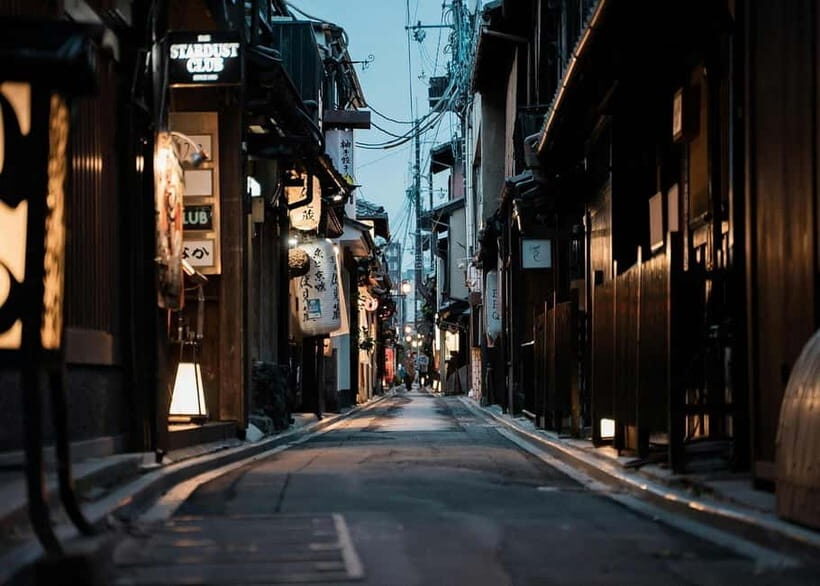
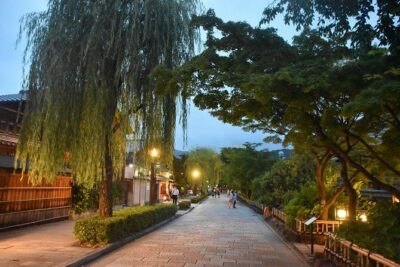
Next you’ll head to Gion Shirakawa, where the tour focuses on a quieter, more contemplative side of traditional Kyoto. This area is known for its cobblestone paths lined with wooden houses, and it sits along the Shirakawa River.
Here’s why this part works so well at dusk: the river and the older buildings soften the scene. Even when you see people, the setting still feels like Kyoto rather than a theme park. The guide keeps you moving through key sightlines, so you get the “I get it now” feeling without having to figure out the route yourself.
The tour includes time for a Shirakawa canal-area walk, giving you space to slow down and absorb it. That walk is where you’ll likely get your best photos, because dusk light tends to flatten harsh shadows and makes wood tones feel richer.
Consideration: this is a stroll, not a sprint. If you’re extremely heat-sensitive (or the weather is rough), bring a small layer or plan to pause when your guide suggests it.



How Romi’s guide style makes the walk feel personal
A big reason this tour lands well is the guide’s approach. The guide listed is Romi (English-speaking), and the tour format supports conversation. I like tours where you can ask odd questions and get real answers, and that’s exactly how this one is described: Romi points out objects along the way and explains why they matter in Japanese culture.
Another plus is the small group vibe. When the group is small, it’s easier for the guide to answer questions without turning the experience into a lecture. In a place like Kyoto—where you can look at the same street for an hour and still miss the meaning—being able to ask follow-ups is genuinely valuable.
You’ll also see that communications are made easy in advance (WhatsApp is mentioned in one account), which helps if you’re arriving from elsewhere in the city and want fewer last-minute surprises.
Price and value: is $20 worth two hours in Kyoto?
At $20 per person for about 2 hours, this tour sits in the affordable range for guided experiences in Kyoto. What you’re paying for isn’t just someone walking you from A to B—it’s the way the tour connects each stop with a cultural thread.
You get:
- Two major “Kyoto mood” zones (Gion/Higashiyama streets and the Shirakawa River lanes)
- A ritual start at Kyoto Ebisu Shrine with an actual activity (the coin toss)
- A structured temple pause at Kennin-ji with a named cultural reference (Wind and Thunder Gods picture)
- An English-speaking guide who answers questions and points out details
You don’t get:
- A meal included
So the value logic is simple. If you want a guided route that helps you understand what you’re looking at, $20 can be a solid deal. If you only want the broadest overview and you don’t care about shrine rituals or context, you could DIY it cheaper—but you’d miss the “why” that makes Kyoto feel less confusing.
What’s included vs. what you’ll handle on your own
This tour includes a local guide and uses walking time to hit multiple stops without rushing you. You’ll need to handle your own food, water, and any snacks. Since no meal is included, plan to eat either before or after.
For timing, think about your day. Two hours is a sweet spot: long enough to do a meaningful walk at dusk, short enough that you can still build in extra free time for browsing, snacks, and wandering.
Also, if you’re planning photography-heavy time, leave a little breathing room. Dusk shifts fast. You want to capture the mood without feeling like you’re constantly chasing your next shot.
Who this tour suits best (and who might not love it)
This is a great choice if you want:
- A short guided walk focused on traditional neighborhoods
- Help spotting the cultural meaning behind shrines and temple spaces
- A route built around sunset turning into after-dark scenes
- A chance to see maiko or geiko, with the expectation set realistically
It may be less ideal if:
- You hate walking (even though the pace is built for sightseeing)
- You’re expecting a guaranteed performance or guaranteed sightings
- You want a meal included as part of the price
For most people visiting Kyoto for the first time, this kind of guided dusk stroll hits the sweet spot between iconic sights and interpretive context.
Quick decision: should you book this Geisha at Dusk walk?
I’d book it if you’re the type who likes Kyoto best when you understand the setting. The Ebisu coin toss plus temple context plus the Shirakawa River atmosphere makes this more than a photo walk.
Skip it only if you need long hours, guaranteed maiko/geiko sightings, or a meal. Otherwise, it’s a practical, well-paced way to see Gion and Higashiyama at the time of day when Kyoto feels most like itself.
FAQ
How long is the tour?
The tour runs for 2 hours.
How much does it cost?
It costs $20 per person.
Where do I meet the guide?
You meet at Donguri-bashi Park (団栗橋公園). The coordinates listed are 35.0018215, 135.771567.
Is the tour in English?
Yes. The live tour guide speaks English.
Is a meal included?
No. A meal is not included.
Do I always see a maiko or geiko?
No. You may not always encounter maiko or geiko during the tour.
What should I bring?
Bring comfortable shoes and a camera.
Is the tour wheelchair accessible?
Yes, the tour is marked as wheelchair accessible.
Is there free cancellation?
Yes. Free cancellation is available up to 24 hours in advance for a full refund.