REVIEW · COOKING CLASSES
Kyoto: Cooking class, learning how to make authentic sushi
Book on GetYourGuide →Operated by 梅守寿司学校 · Bookable on GetYourGuide
Sushi skill, taught fast in Kyoto. In this 90-minute class at UmeMori Sushi School, you learn shari (sushi rice) basics, then shape nigiri and eat it right away. You also get to wear a traditional Happi and experience a segment focused on Japanese spirits.
I like that the prep is beginner-friendly: key ingredients are already cut, and the instructor walks you through how to mix the vinegar into hot rice with the right touch. The class includes enough hands-on work to produce eight pieces of sushi plus an easy roll, and you finish with a completion certificate and souvenir photography; one possible drawback is that the structure is fairly tight, and one participant felt the variety of sushi learned was limited for the price.
In This Review
- Key highlights worth timing your day around
- Kyoto’s Sushi Class Reality Check: 90 Minutes, Real Technique, Real Food
- Getting There from Takeda Station: The Simple Route You Should Follow
- Walking In Wearing a Happi: The Cultural Part Isn’t Wallpaper
- What You’ll Learn First: Shari (Sumeshi) and the Vinegar-Mixing Trick
- Building Your Nigiri: Pre-Cut Ingredients, Chosen Toppings, and Fish-Cut Options
- The Sushi You Eat: Portion, Satisfaction, and How It Fits Your Day
- Certificate, Graduation Ceremony, and Souvenir Photos: The Part That Makes It Stick
- Price and Value: What $113 Actually Buys You
- Who This Class Fits Best (and Who Should Think Twice)
- Should You Book This Kyoto Sushi Experience?
- FAQ
- How long is the sushi cooking class?
- What will I make and eat during the experience?
- Does the class offer options for vegetarians, vegans, or Muslims?
- Are there allergy or dietary options like gluten-free?
- What’s included in the price, and are drinks included?
- Is the location wheelchair accessible?
Key highlights worth timing your day around
- Happi rental and Japanese spirits experience alongside your cooking lesson
- Vinegar rice (shari/sumeshi) technique as the foundation
- Pre-cut ingredients that help beginners jump in quickly
- Toppings choices (like green onion and ginger) so your plate feels personal
- Vegetarian, vegan, and Muslim-friendly menu options available
- Certificate, graduation ceremony feel, and souvenir photos included
Kyoto’s Sushi Class Reality Check: 90 Minutes, Real Technique, Real Food
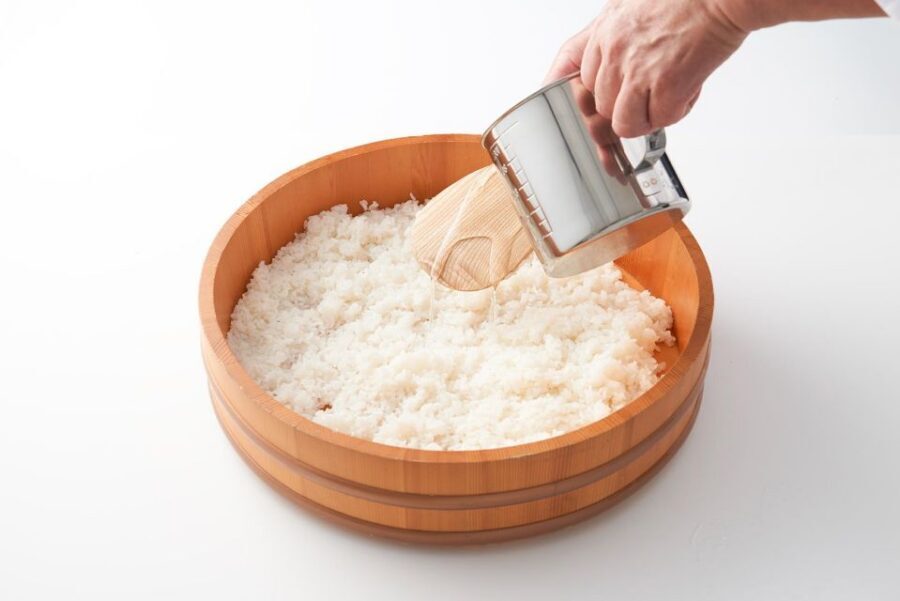
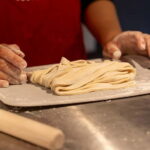
This isn’t a half-day food crawl. It’s a focused, 90-minute sushi workshop built around one goal: get you making sushi you can be proud of, not just watching someone else do it. You’ll start with the base that matters most—shari/sumeshi, the vinegar rice—then move into shaping nigiri and selecting toppings.
From a value perspective, the price around $113 per person makes sense only if you’re buying the full package: instruction, ingredients, tools, and the meal. You’re not just paying to eat sushi; you’re paying to learn a repeatable process. And yes, you will eat what you make.
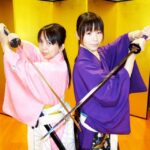
There’s also a cultural layer that feels intentional. You’ll wear rental traditional Japanese clothing (a Happi) and take part in an experience connected to Japanese spirits. That turns a cooking class into something closer to a small ceremony.
You can also read our reviews of more cooking classes in Kyoto

Getting There from Takeda Station: The Simple Route You Should Follow
The meeting point is near public transit, which is a big deal in Kyoto. Here’s the route you’ll want to follow carefully, because the instructions are specific:
- Get off at the west entrance of Takeda Station on Kintetsu or the subway line.
- Take a city bus and get off at the stop in front of Puls Plaza.
- Walk down the street and turn right at the first corner.
- After that, if you turn left at the first corner, you should see the location on your right.
Plan to arrive a little early. You’ll be changing into the rental cloth, and you don’t want to start your class rushed.
Walking In Wearing a Happi: The Cultural Part Isn’t Wallpaper
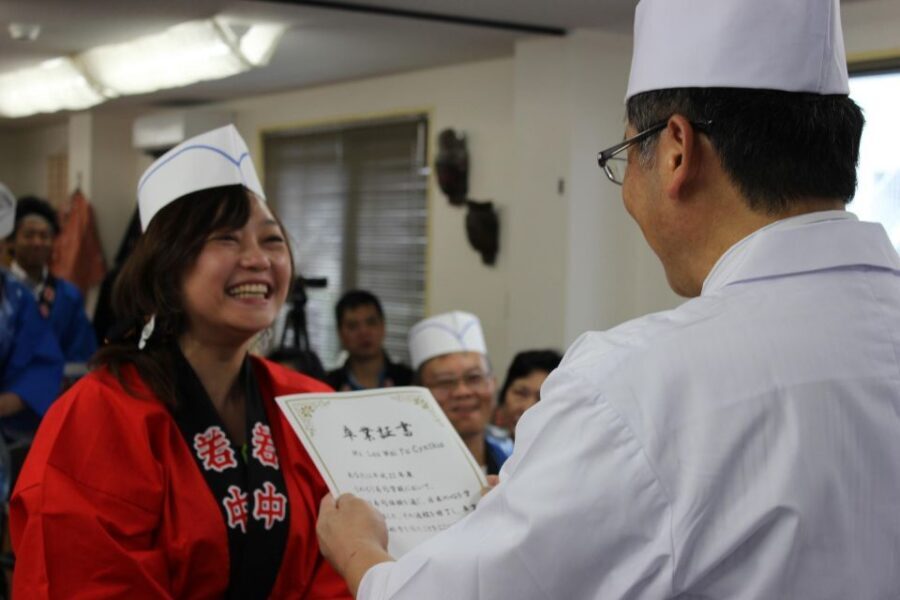
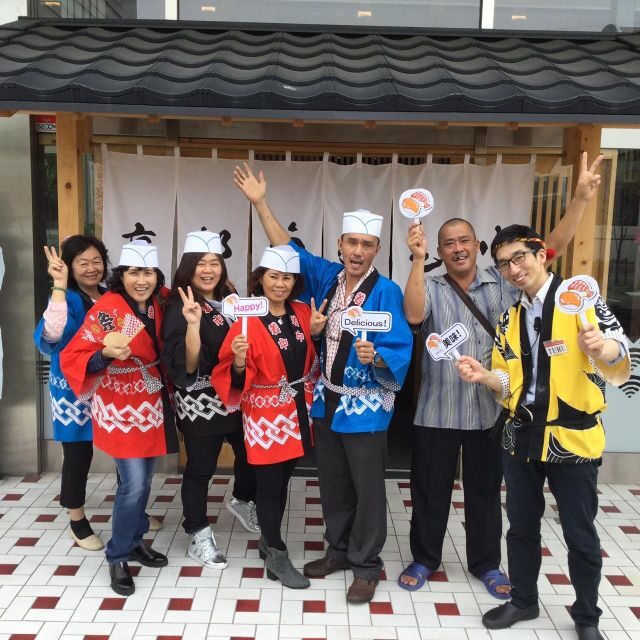
One of the more memorable parts of this class is the Happi rental. You don’t wear it for a photo only—you wear it while learning, eating, and going through the completion ceremony. It gives the class a different tone, like you’re stepping into a more traditional setting rather than a generic cooking studio.
You’ll also have an experience related to Japanese spirits as part of the program. The class doesn’t just focus on technique. It also gives you a slice of how sushi culture is treated with respect—something like a cultural framing that helps the food lesson feel grounded.
If you’re the type who likes your travel food experiences to be more than instructions and calories, this is the kind of detail that adds payoff.
What You’ll Learn First: Shari (Sumeshi) and the Vinegar-Mixing Trick
Before you touch toppings, you learn the sushi rice. In this class, that means learning how to make shari, also called sume-shi (vinegar rice).
You’ll mix a specifically blended sushi vinegar with freshly cooked rice. The class emphasizes that there’s a trick to getting the mixing right. That matters because sushi rice isn’t just rice with vinegar sprinkled on top. The texture and balance affect how well the nigiri forms and how the finished sushi tastes.
As a beginner, you’ll probably appreciate that the ingredients are already cut. That means you can focus on the key skill—rice seasoning and handling—rather than spending your time prepping.
If you’ve tried to make sushi at home and it turned out dry, hard, or oddly uneven, this part is the foundation that can fix that. Even if you only remember one thing from the class, remember this: rice seasoning is the flavor engine.
Building Your Nigiri: Pre-Cut Ingredients, Chosen Toppings, and Fish-Cut Options
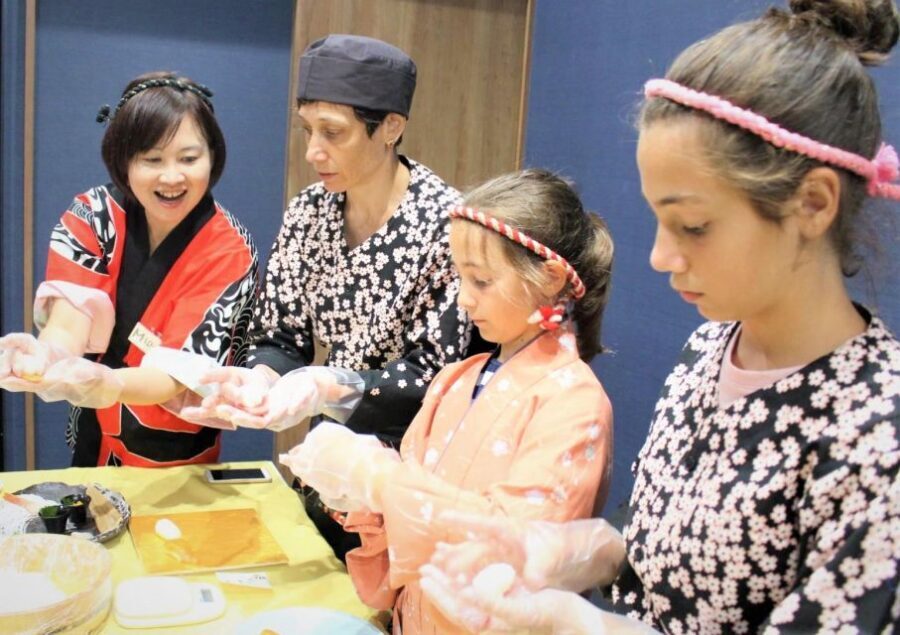
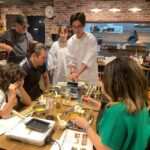
Once your shari is ready, you move into shaping nigiri and assembling your sushi. Here’s what’s built into the experience:
- You’ll make eight pieces of sushi
- You’ll also make one simple roll
- You’ll choose from various toppings, including items like green onion and ginger
- You’ll get an instructor-led lecture explaining how to make sushi
Ingredients (toppings) can vary by season, so don’t expect the exact same lineup every time. The bigger point: you’ll have options to make your plate feel like yours.
There’s also a practical note for anyone who wants more than basic assembly. If you want to learn fish cuts, you can ask. The class is designed for beginners, but it doesn’t shut the door on curiosity.
For people with dietary needs, this is one of the most helpful parts of the offering. The class states it can be menu-friendly for vegetarians, vegans, and Muslims. And if you have allergies, or need non-raw or gluten-free options, the class says those are available too. That flexibility changes the experience from a novelty meal into something you can actually plan around confidently.
You can also read our reviews of more tours and experiences in Kyoto

The Sushi You Eat: Portion, Satisfaction, and How It Fits Your Day
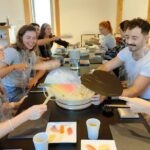
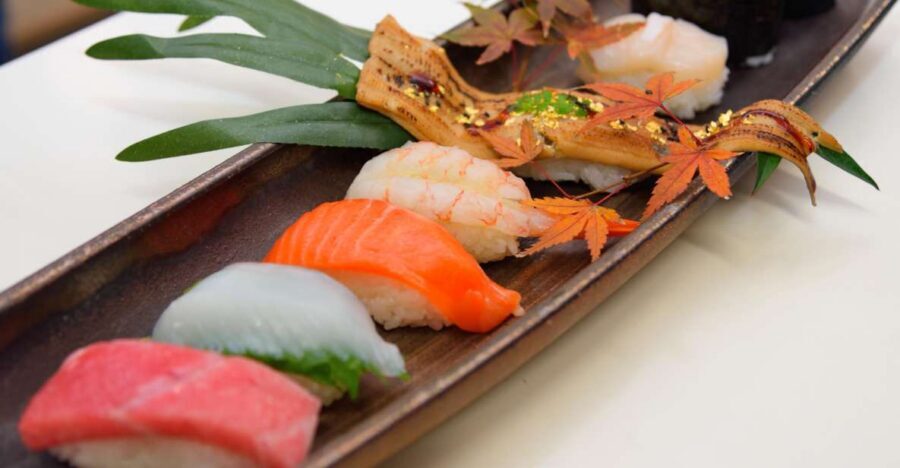
At the end, you eat the sushi you made. The included meal is not huge, but it’s not pretend food either. Eight pieces plus a simple roll is enough to feel like you did the real work and got a real result.
One thing to watch: drinks are not included. If you usually pair classes with tea or something refreshing, factor in buying or planning for it separately. There’s also an optional warm udon menu available, but it’s not included.
This class works best when you treat it as your main food stop for a couple of hours, not as an add-on. You’ll leave with the satisfaction of a completion ceremony and photos, not just a plate.
Certificate, Graduation Ceremony, and Souvenir Photos: The Part That Makes It Stick
After you finish making and eating sushi, you get a certificate of completion and a graduation-style ceremony. It’s a small touch, but it matters. It gives the class an ending you can look back on, which is helpful if you’re trying to turn a one-off activity into an experience you’ll remember.
You’ll also get souvenir photography included. That’s practical if you don’t want to fuss with timers while you’re wearing the Happi.
And if you like showing friends what you learned, these pieces make it easy. You can compare the sushi you made to what you normally order elsewhere in Japan.
Price and Value: What $113 Actually Buys You
Let’s talk straight about the money. $113 per person is not a budget workshop. The value depends on what you want from the lesson:
Good value if you want:
- An instructor-led class in English (with Japanese also supported)
- Hands-on shaping of eight nigiri and one roll
- Rental traditional cloth (Happi)
- Toppings and ingredients, including seasonal variations
- A structured lesson on shari/sumeshi and assembling sushi
- A certificate and souvenir photos
Potentially weaker value if you expect:
- A huge menu with lots of different techniques
- Extended time learning many different fish cuts
- A broader variety of sushi styles than a small set
One participant criticized the content as feeling basic and limited in variety for the price. That feedback is worth respecting. If you’re someone who thrives on lots of different formats, you might want to manage expectations and directly ask about what fish-cut learning you can do during the class.
Who This Class Fits Best (and Who Should Think Twice)
This class is ideal if you’re:
- A beginner who wants to learn the base technique first (vinegar rice)
- Someone who wants hands-on results you can eat immediately
- A visitor who likes cultural details like Happi and a Japanese spirits segment
- Someone who needs a menu that can handle vegetarian, vegan, or Muslim-friendly options, plus allergy or gluten-free needs
You might want to reconsider or adjust expectations if you:
- Want a long, multi-style sushi masterclass with lots of variety
- Expect deep specialization in multiple fish techniques without prompting
- Are looking for a class that feels like a big cooking course, not a tight 90-minute lesson
Also keep in mind the practical building setup. The location is wheelchair accessible, but there’s no elevator. The staff can help with stairs for elderly or disabled guests.
Finally, the class runs no matter the weather, so you don’t get the uncertainty of outdoor schedule changes.
Should You Book This Kyoto Sushi Experience?
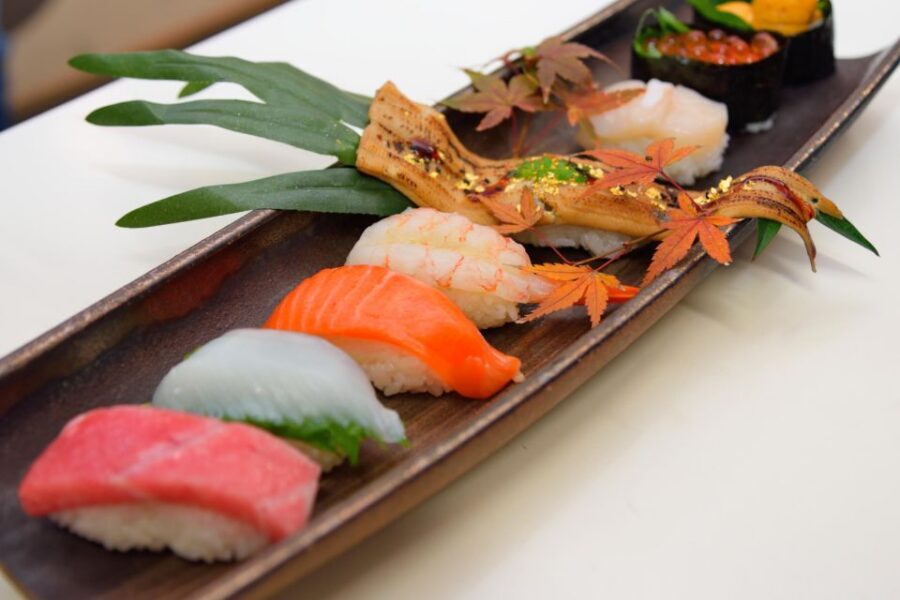
If you want a short, structured sushi lesson that starts with shari and ends with you eating what you made, I’d book it. The combination of hands-on shaping, the rice technique focus, and included cultural elements (Happi plus Japanese spirits experience) makes it feel more complete than a simple tasting.
I’d be cautious only if your main goal is maximum sushi variety or heavy fish-cut training. This is designed as a beginner-friendly, 90-minute experience with a defined output: eight pieces of sushi and a simple roll, plus rice-making fundamentals.
If that sounds like your kind of class, it’s a strong way to spend a Kyoto morning or afternoon.
FAQ
How long is the sushi cooking class?
The class lasts 90 minutes.
What will I make and eat during the experience?
You’ll make eight pieces of sushi plus one simple roll, and you’ll eat the sushi you make.
Does the class offer options for vegetarians, vegans, or Muslims?
Yes. The menu can be friendly to vegetarians, vegans, and Muslims.
Are there allergy or dietary options like gluten-free?
Yes. The experience notes that allergy options, non-raw options, gluten-free options, and other options are available.
What’s included in the price, and are drinks included?
The price includes instruction, the sushi-making experience, toppings and ingredients, rental cloth, souvenir photography, and a completion certificate. Drinks are not included, and warm udon is optional.
Is the location wheelchair accessible?
Yes, it’s wheelchair accessible, but there is no elevator. Staff can help people go up the stairs.