REVIEW · ARASHIYAMA TOURS
Kyoto Bamboo Forest & Golden Pavilion E-Bike Tour
Book on Viator →Operated by Memory Kyoto Bike Tour · Bookable on Viator
Kyoto’s Golden Pavilion is even better on a bike. I like how this route ties together major sights and quieter backstreets in one smooth, guided day, using e-bikes to keep you moving without arriving wrecked.
Two things I really liked: the small group size (max 8) and the way the guide’s stories make each stop feel connected instead of random sightseeing. You’ll also get time to actually look—pond reflections, temple gardens, and the bamboo trail on foot.
One thing to consider: this tour works best in good weather, since it’s a mix of cycling and walking.
In This Review
- Key Highlights You’ll Care About
- Why Kyoto by E-Bike Works So Well Here
- Price, Time, and What $99.08 Buys You
- Getting Oriented at Memory Kyoto Bike Tour
- From Kitano Tenmangu to the Golden Pavilion: a Good First Pairing
- Kinkaku-ji Golden Pavilion: More Than a Pond Reflection
- Tenryu-ji Temple’s Zen Garden: Where the Ride Becomes Quiet
- Arashiyama Bamboo Forest Trail: Photo-Perfect, but Worth Slowing Down
- The Small-Group Difference—and Why the Guide Matters
- Cycling Comfort: E-Bikes, Pace, and Real-World Effort
- Lunch Break and How the Day Feels
- Who Should Book This Kyoto E-Bike Tour
- Should You Book This Kyoto E-Bike Tour?
- FAQ
- How long is the Kyoto Bamboo Forest & Golden Pavilion e-bike tour?
- What’s included with admission tickets?
- How big are the groups?
- Where does the tour start and end?
- What happens if the weather is poor?
- Is this tour ticketed digitally?
Key Highlights You’ll Care About
- E-bikes that make the ride feel manageable even when the day is long
- Max 8 people for a tighter group and easier pacing through crowds
- Golden Pavilion + UNESCO Tenryu-ji + Arashiyama bamboo in one loop
- Admission tickets included for major temple stops (while Kitano Tenmangu is free)
- Guides like Diego, Jody, and Jorge get praised for clear English and strong historical context
- A built-in chance for a local lunch break where the guide helps with ordering
Why Kyoto by E-Bike Works So Well Here
Kyoto can look close on a map and still feel hard in real life. Distances add up fast, sidewalks get narrow, and sightseeing crowds concentrate at the same few places. This e-bike tour solves a big chunk of that stress by letting you cover ground while saving your legs for the walking parts you’ll actually remember.
I also like the rhythm of this kind of outing: you ride through neighborhoods, then you slow down at the shrine or temple and take it in. That pacing matters. If you only bus or only walk, you end up spending more time in transit or in long lines, with less energy left for noticing details.
The guide aspect is the other big reason it works. The story of Kinkaku-ji isn’t just gold and a postcard pond. The route also gives context for why Kitano Tenmangu exists, what Tenryu-ji is known for, and why the bamboo forest feels oddly timeless once you’re there.
You can also read our reviews of more cycling tours in Kyoto

Price, Time, and What $99.08 Buys You
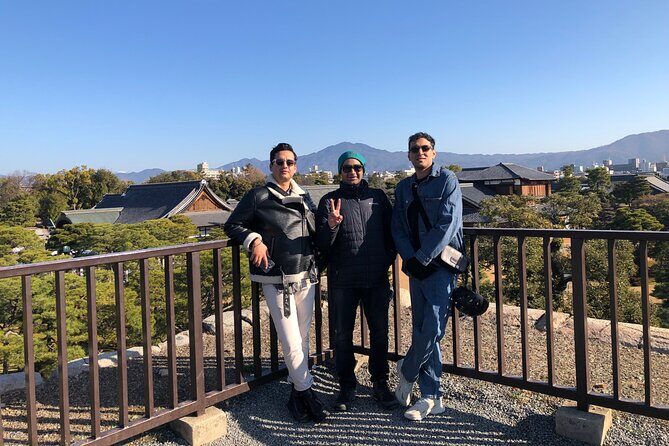
At $99.08 per person for roughly 5 to 6 hours, this isn’t the cheapest way to see Kyoto, but it’s priced in a way that makes sense for a guided, multi-stop day. You’re paying for three things you’d otherwise have to DIY: an e-bike, a planned route, and a guide who helps you understand what you’re looking at.
You’re also not just getting “look and leave” sightseeing. The time at each major site is set aside so you can experience them at human speed. And admission is handled for the ticketed stops—so you avoid the awkward, time-wasting moment of figuring out entrances while you’re trying to keep up with a group.
Here’s the value math that matters: if you’re short on time, this kind of loop is efficient. You hit Kinkaku-ji (Golden Pavilion), Tenryu-ji (UNESCO), and Arashiyama’s bamboo trail in one go, rather than spreading them across separate days with more transportation overhead.
Getting Oriented at Memory Kyoto Bike Tour
You start and finish back at the meeting point at Memory Kyoto bike tour in Nakagyo Ward (8-6 Umaryo-cho, Nishinokyo, Nakagyo-ku, Kyoto city). It’s described as near public transportation, which helps if you’re arriving from elsewhere in Kyoto without a hassle.
I like this “back to the start” format. It means you can plan the rest of your day without guessing how far you’ll end from your hotel. You also avoid the common travel-day headache of making one last route decision when you’re already tired.
Group size is kept small (maximum 8 travelers). In practice, that usually means you stay together more easily through busy sidewalks and crossings, and the guide can address questions without losing the whole rhythm of the ride.
From Kitano Tenmangu to the Golden Pavilion: a Good First Pairing
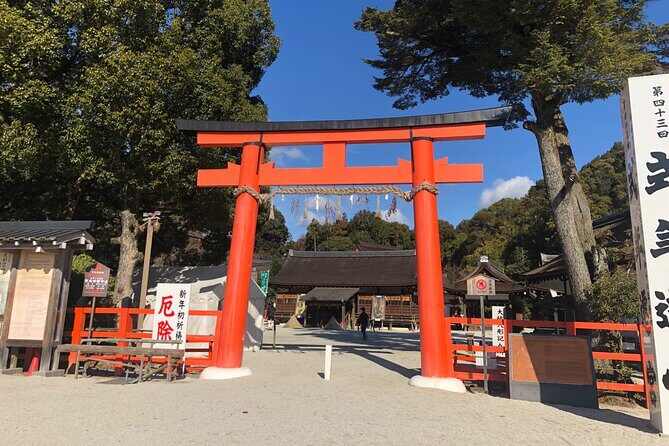
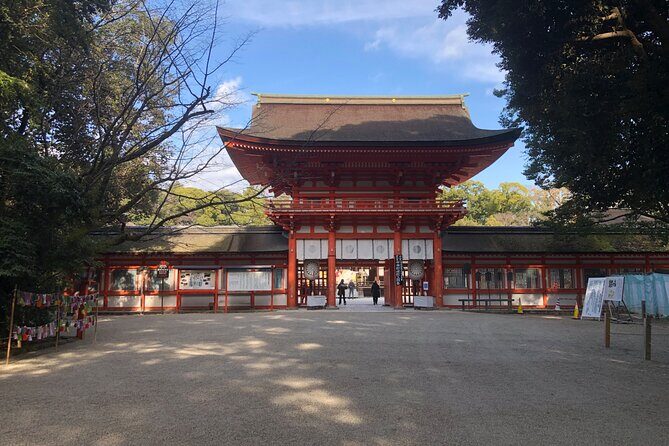
This tour begins in the Kitano area, with Kitano Tenmangu Shrine as a key starting point. It’s a place tied to learning through Sugawara no Michizane, the deity of study. If you’ve seen other shrines across Japan, you’ll recognize the general vibe—prayers, rituals, incense—but Kitano Tenmangu has a specific cultural identity that makes it more than just a quick stop.
During early spring, the site is famous for its plum trees, with around 1,000 plum trees mentioned here. Even if you’re not visiting in full plum season, the shrine’s connection to scholarship and remembrance is a useful frame for the day. Kyoto isn’t only temples for photos. It’s also a place people turn to for meaning.
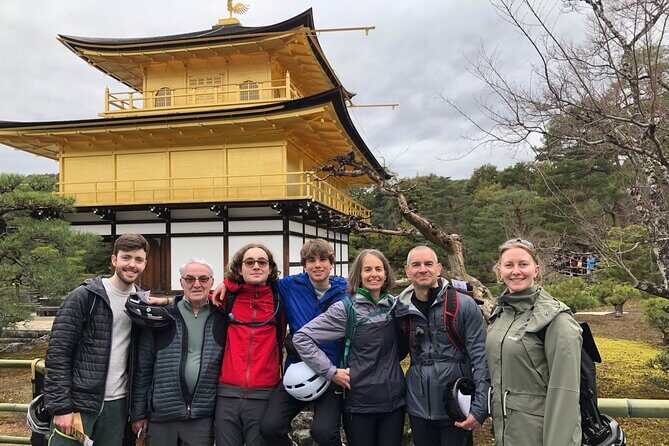
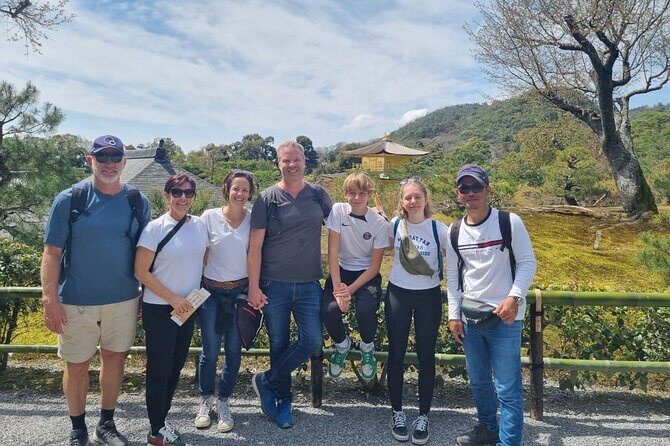
Then the ride moves you toward Kinkaku-ji, the Golden Pavilion. This is where the day often clicks for people: the gold-leaf exterior doesn’t just shimmer in sunlight—it also has a strong relationship to water and reflection, since it’s positioned over a pond view.
Kinkaku-ji Golden Pavilion: More Than a Pond Reflection
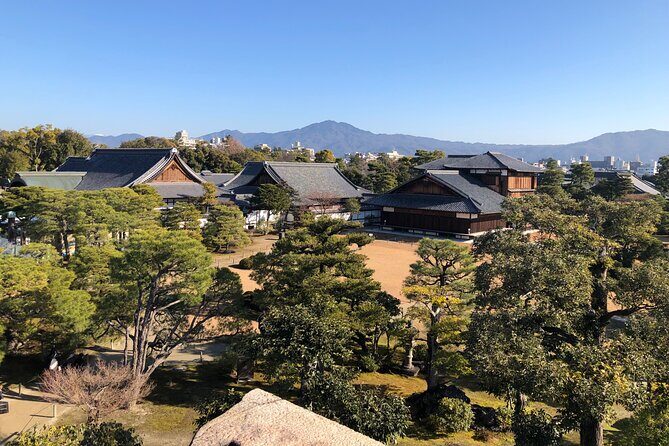
Kinkaku-ji is one of Kyoto’s biggest visual icons for a reason, but I think the best way to appreciate it is with a bit of context before you look. The guide’s explanation covers how the site began as a retirement villa and later became a Zen Buddhist temple. That transformation helps you read what you’re seeing instead of treating it like pure spectacle.
The pond reflection is the star, but it’s not always obvious how to notice it. On this kind of guided visit, you can pause in the right spots and take your time. You’re not just passing by the most famous angle—you’re given enough structure to find the view, then enjoy it.
There’s also a practical advantage. The entrance area can be crowded, and one of the recurring praise points in the experience is that guides help groups get in with minimal waiting even when lines look intimidating. That doesn’t mean there will never be delays, but it does mean you’re less likely to burn half your stop watching people file past.
The time at Kinkaku-ji is around 45 minutes, which is long enough to take pictures, look around, and still leave without feeling rushed.
You can also read our reviews of more tours and experiences in Kyoto
Tenryu-ji Temple’s Zen Garden: Where the Ride Becomes Quiet
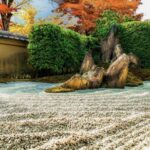
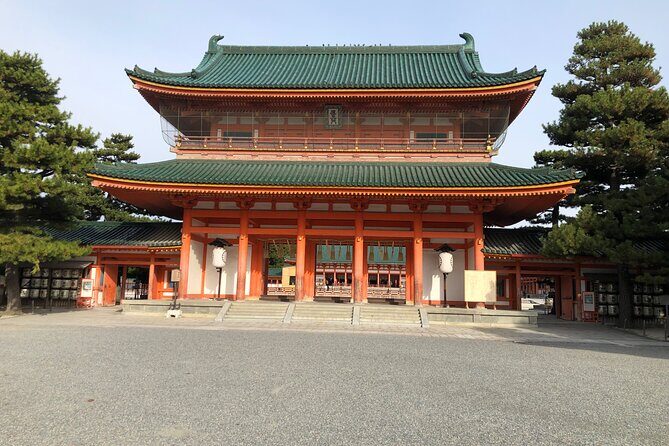
After the city cycling, you arrive at Tenryu-ji Temple, a UNESCO World Heritage Site. It’s known for its Zen garden, and the tour gives you about 45 minutes here, including time to walk and absorb the layout.
This stop is where the tour’s pacing really matters. You’ve been on e-bike and moving through traffic-adjacent streets, then suddenly you’re in a space built for stillness. That contrast is part of why it feels like a break, not another “must-see, done in 5 minutes” stop.
I also like that the guide’s stories help you see the garden as something more than decorative rocks. Tenryu-ji’s prestige is tied directly to the garden’s significance and layout, and having an explanation makes the walk feel intentional.
If you only see Kyoto by going from temple sign to temple sign, it’s easy to miss how different gardens can feel. This is one of the better spots in a day like this because it slows you down without stopping the momentum entirely.
Arashiyama Bamboo Forest Trail: Photo-Perfect, but Worth Slowing Down
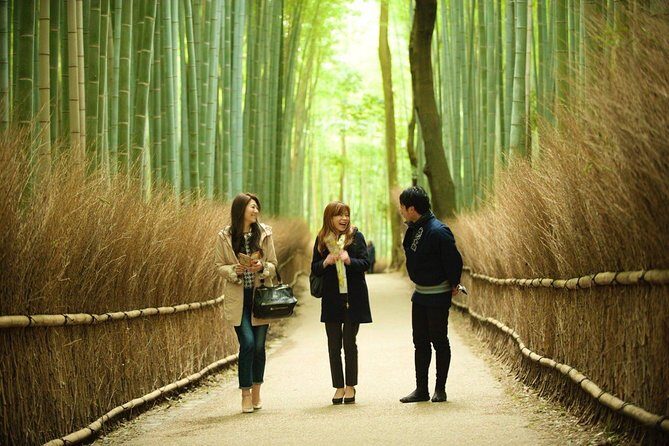
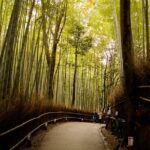
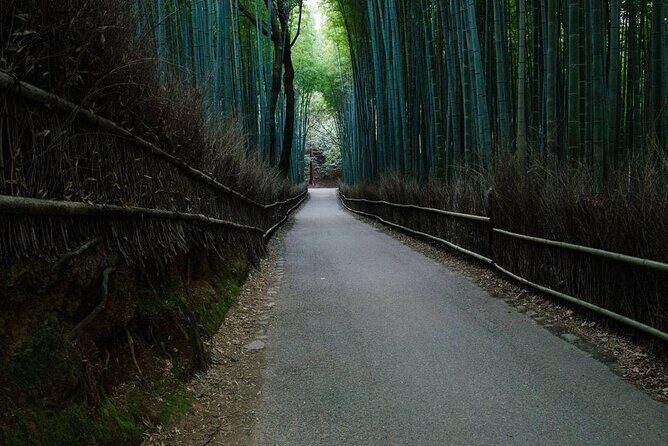
Then comes Arashiyama’s bamboo forest trail, usually the moment people look at each other and say, okay, this is real. The bamboo stalks are tall enough to feel almost theater-like, and the guide’s description leans into that sense of movement—how the trunks sway like they’re part of a performance.
The stop is about 45 minutes, which is a good length for this kind of place. You’ll want time to photograph, yes. But what’s memorable is the atmosphere: the sounds change, the light gets filtered, and you start noticing how the density of bamboo affects the whole space.
You’ll also hear practical background about bamboo itself—its sturdiness, flexibility, durability, and resilience. That adds weight to what you’re seeing. Bamboo isn’t just scenic; it’s a material with a long track record in Japan, and connecting that to the forest makes the experience feel grounded instead of purely aesthetic.
Also, Arashiyama is popular. So if you’re hoping for a quieter moment, give yourself permission to spend more time just standing and looking, not only shooting.
The Small-Group Difference—and Why the Guide Matters
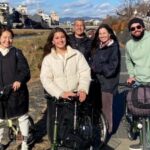
This tour’s max size—8 people—is one of the most praised parts of the experience because it keeps the day from turning into a line-walk. When the group is small, you move as a unit, but the guide can also adjust pacing if you’re slower on a ramp or you want extra time near a viewpoint.
Guides also show up repeatedly by name in the positive feedback: Diego, Jody, and Jorge. The common thread is strong communication and clear explanations. People mention guides who are friendly, helpful, and good at shaping the day with stories, not just facts.
One detail I appreciate is how the guide helps with more than sightseeing. On at least one occasion, a guide assisted during a medical emergency, which tells you the leadership is more than just “point and smile.” That’s not something you plan for, but it’s a comfort in the back of your mind.
Cycling Comfort: E-Bikes, Pace, and Real-World Effort
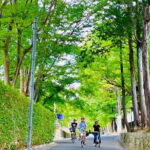
E-bikes are the reason this tour works for more people than a standard bicycle day. One review noted that e-bikes made a ride that felt like around 20 km manageable without turning the trip into a workout slog. That matches the experience logic: you still get the feeling of biking, but you’re not constantly redlining.
Still, you should think of this as an active half-day, not a sightseeing stroll. Even with e-assist, you’ll be cycling, then walking temple grounds. Wear clothing you can move in, and keep water with you during the ride segments when possible.
Pacing is handled by the guide, and that’s another under-rated benefit. In Kyoto, crowds and street crossings can slow you down if you’re on your own. Here, you’re given a flow, so you spend less time deciding and more time experiencing.
Lunch Break and How the Day Feels
While a full lunch is not described in the stop list details, multiple mentions point to a lunch stop at a local place, including help ordering (like ordering ramen). That’s an important value add because it keeps your day from falling apart after you finish the major sights.
I like having lunch handled, even loosely, because Kyoto can be unpredictable when you’re hungry. A guide-led or guided-choice lunch can also keep you away from the most tourist-surfaced options.
The day structure also helps: you’re not bouncing between unrelated areas with no context. By the time you sit down to eat, you’re already emotionally invested in the sites you saw.
Who Should Book This Kyoto E-Bike Tour
I’d point you toward this tour if:
- You want to see Kinkaku-ji, Tenryu-ji, and Arashiyama bamboo in one focused day.
- You like walking through temple grounds but don’t want to pay the physical price of long cycling routes.
- You value guided storytelling and clearer context at each stop, not just photos.
- You’re traveling with a mixed group where not everyone wants a hardcore ride pace. (A family with kids around 10–12 years old was able to do it on e-bikes, which is a strong indicator that the ride is approachable.)
I’d think twice if:
- You want only the very top iconic viewpoint time and nothing else. This tour trades some “maximum time at a single site” for the convenience of hitting multiple areas.
- Your schedule is very tight and you can’t be flexible about weather, since the tour requires good conditions.
Should You Book This Kyoto E-Bike Tour?
Yes, if you want an efficient, guided Kyoto day where the transport is part of the experience and the stops are given enough time to feel real. The e-bike format is the big deciding factor, especially at the price point of $99.08, because it lowers the effort while still letting you cover distance.
Book it if you care about the “why” behind the sights as much as the “what.” Kinkaku-ji isn’t just gold. Tenryu-ji isn’t just a garden. Kitano Tenmangu isn’t just a pretty shrine. With a strong guide and a small group size, the day becomes more than a checklist.
FAQ
How long is the Kyoto Bamboo Forest & Golden Pavilion e-bike tour?
It runs about 5 to 6 hours.
What’s included with admission tickets?
Admission tickets are included for Kinkaku-ji (Golden Pavilion), the bamboo forest trail, and Tenryu-ji Temple. Kitano Tenmangu Shrine admission is free.
How big are the groups?
The tour has a maximum group size of 8 people.
Where does the tour start and end?
It starts at Memory Kyoto bike tour in Nakagyo Ward, and it ends back at the same meeting point.
What happens if the weather is poor?
The tour requires good weather. If it’s canceled due to poor weather, you’re offered a different date or a full refund.
Is this tour ticketed digitally?
Yes. You get a mobile ticket.
If you want, tell me your travel month and whether you prefer early starts or slower afternoons, and I’ll suggest how to time this kind of Kyoto day for better crowds at Kinkaku-ji and Arashiyama.