REVIEW · FUSHIMI INARI TOURS
Carefree Private Exploration of Fushimi Inari, Gion, Kiyomizudera, and More
Book on Viator →Operated by Pinpoint Traveler, Inc · Bookable on Viator
Red torii and hills in four hours. This private tour strings together Fushimi Inari, Gion, and the Higashiyama temple lanes with an English speaking guide who helps you make sense of what you’re seeing. I love the story-led explanations from guides like Oisin and Duygu, and I also love that entrance fees and transit are included, so you don’t end up doing math on the spot. One drawback to plan for: it’s a lot of walking on uneven ground and there can be some steep uphill sections, so hot weather and limited breaks are worth taking seriously.
If you want a Kyoto day that feels organized but not rushed, this route is a smart way to hit multiple icons without wasting time. You start at Inari Station, tackle Fushimi Inari-taisha first, then take the train onward to the Gion area and continue through quieter temple stops.
Because it’s private, you can ask for small changes to the plan. That flexibility matters in Kyoto, where crowds and heat can shift your best timing hour by hour.
In This Review
- Key things that make this Higashiyama plan work
- Why Higashiyama is better with a private guide than on autopilot
- Fushimi Inari: torii gates, holy uphill paths, and what to watch for
- Switching gears in Gion: Hanamikoji Street and the Yasaka Pagoda view
- Yasui-Konpiragu: the love shrine with a revenge side
- Kodai-ji Temple: gardens and a calmer pause from the crowds
- Sannenzaka and Ninenzaka: preserved lanes that lead you toward Kiyomizudera
- Price and logistics: what you pay for (and why it can be good value)
- The real question: how much walking and how tough is it?
- Who should book this private Higashiyama tour
- Should you book this 4-hour private exploration of Fushimi Inari and Gion?
- FAQ
- FAQ
- How long is the tour?
- Where does the tour start and end?
- Are entrance fees included?
- Is transit included between locations?
- Is this tour private?
- What is the walking level like?
- Is food included?
- Can I cancel for a refund?
Key things that make this Higashiyama plan work
- Fushimi Inari first, before you get swallowed by later-day crowds
- Covered admission + transit, so your day stays simple and predictable
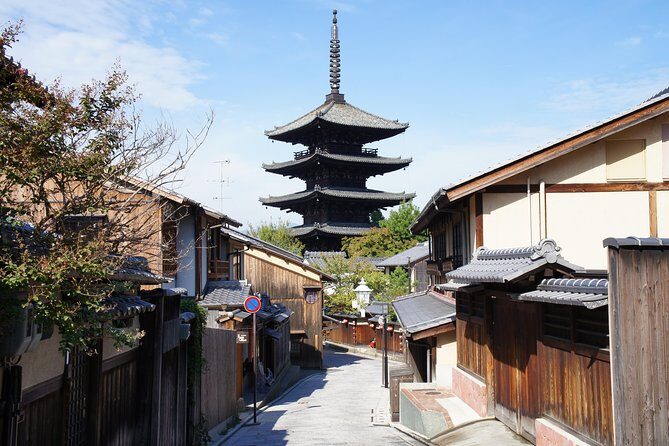
- Gion on foot, including Hanamikoji Street and views from around Yasaka Pagoda
- Meaningful stops, like Yasui-Konpiragu with its love-and-revenge theme
- Kodai-ji as a breather, with gardens that feel calmer than some other must-sees
- Sannenzaka and Ninenzaka, the preserved lanes that lead you toward the Kiyomizudera area
Why Higashiyama is better with a private guide than on autopilot
Kyoto’s old districts can feel like a highlight reel from the outside, but on the ground, they’re a mix of tiny turns, steep paths, and religious spaces with rules. A guide’s job here isn’t just to point. It’s to help you understand why a place is arranged the way it is and what you’re meant to notice.
On this tour, you get a native or equivalent English speaking guide, plus an atmosphere that aims to be fun, not formal. That matters because Higashiyama is not one single attraction. It’s a whole set of neighborhoods stacked up on hills, with different rhythms at each stop.
This is also a classic “use your time wisely” itinerary. You’re not trying to see everything in a day. You’re seeing a lot of the right things in a logical order, while having transit and admission fees handled so you can focus on walking, looking, and learning.
You can also read our reviews of more private tours in Kyoto

Fushimi Inari: torii gates, holy uphill paths, and what to watch for
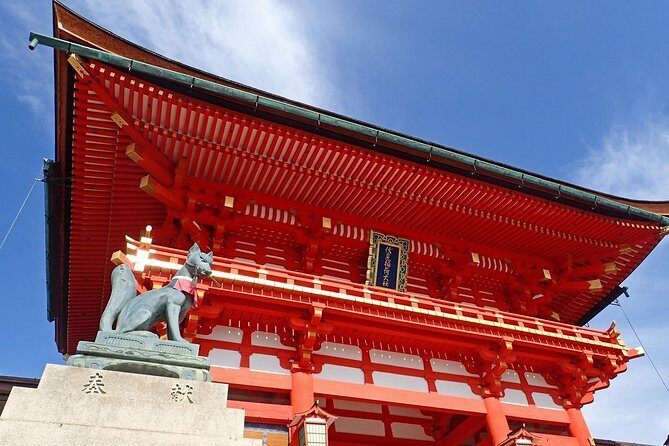
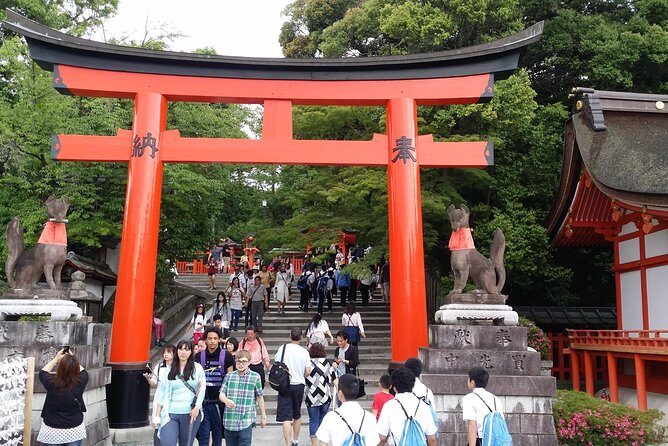
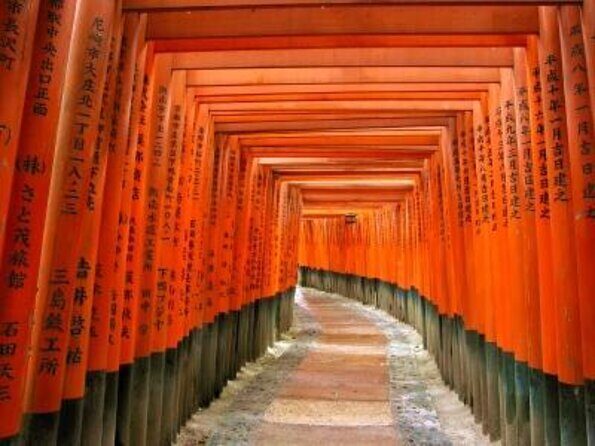
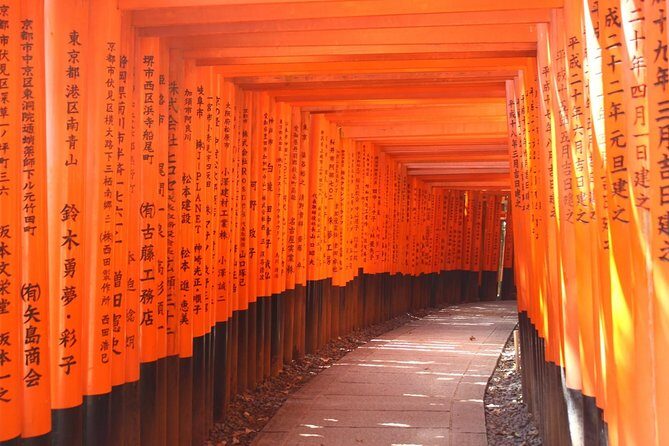
You begin at Fushimi Inari-taisha Shrine at the southern tip of the Higashiyama mountain range. The tour’s main visual hook is immediate: thousands upon thousands of bright red torii gates leading you up the mountain toward higher, holier places. That alone can eat hours if you let it.
Here, the structure helps. You get about 1 hour and 15 minutes at the shrine area, which is enough time to experience the famous torii tunnel feel without turning the day into a full hike. And because you’re going with a guide, you’re more likely to notice the small markers and shrine details that make Fushimi Inari more than a photo background.
Practical note: the ground can be uneven and the route rises. If you’re traveling with someone who uses a cane or needs slower pacing, you’ll want to say so early. In past experiences, guides have accommodated people with mobility limits by adjusting the pace, which is exactly what you want in a place like this.
Switching gears in Gion: Hanamikoji Street and the Yasaka Pagoda view
After Fushimi Inari, you take the train onward to Gion. That included ride is more than convenience. It prevents you from burning energy on transfers when your legs already have a head start from the hillside.
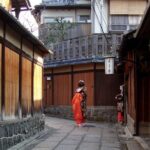
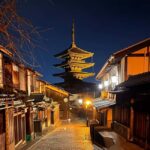
In Gion, you walk Hanamikoji Street, the granddaddy of Kyoto entertainment districts where geisha still live and perform. You’ll pass by the Kabuki theater as part of the area sweep, which helps put the neighborhood’s arts culture into context.
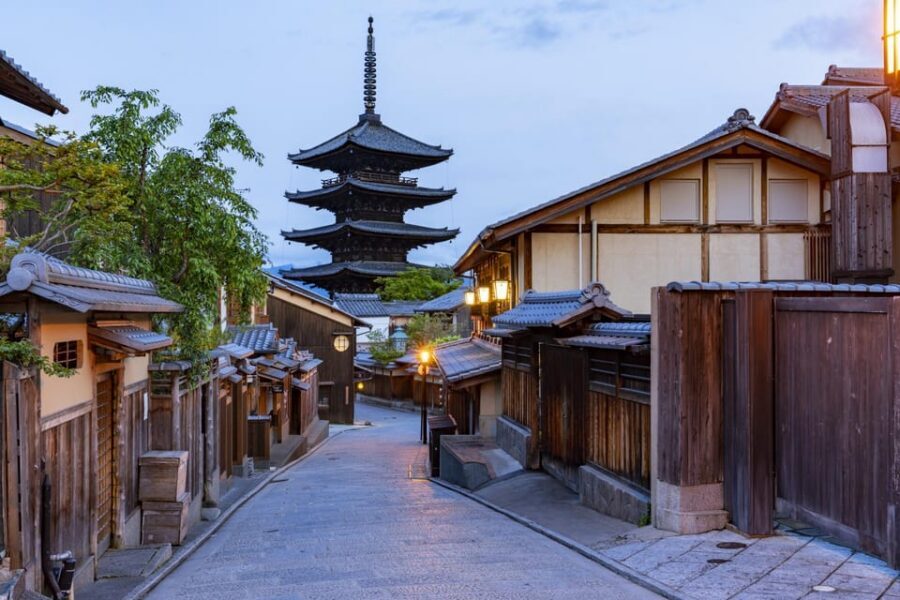
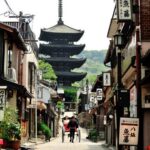
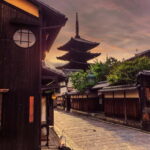
Then comes the stop around Yasaka Pagoda, towering over Eastern Mountain district views and tied to the area since 1440 AD. Seeing it from the right angle while moving through the streets gives the pagoda its real power. It’s one thing to recognize it on postcards. It’s another to feel how it dominates the skyline while you’re navigating narrow lanes.
Time-wise, this Gion portion isn’t about racing through. You’re there long enough to get oriented and enjoy the atmosphere without feeling stranded in the middle of it all.
Yasui-Konpiragu: the love shrine with a revenge side
One of the best surprises in this itinerary is Yasui-Konpiragu. This shrine is described as a place where people don’t only wish for a soulmate-style connection, but also for outcomes tied to revenge. That may sound dramatic, but that tone is part of why the stop is memorable.
You get about 15 minutes here, and admission is included. For a short stop, the value is that you’re not just ticking a box. You’re learning that Kyoto spirituality can be personal, specific, and sometimes even emotionally complicated.
If you like places with strong personality, this is the moment where the tour feels like more than a greatest-hits map. It’s also a good spot to slow down for a moment before the day ramps up again toward temple time.
Kodai-ji Temple: gardens and a calmer pause from the crowds
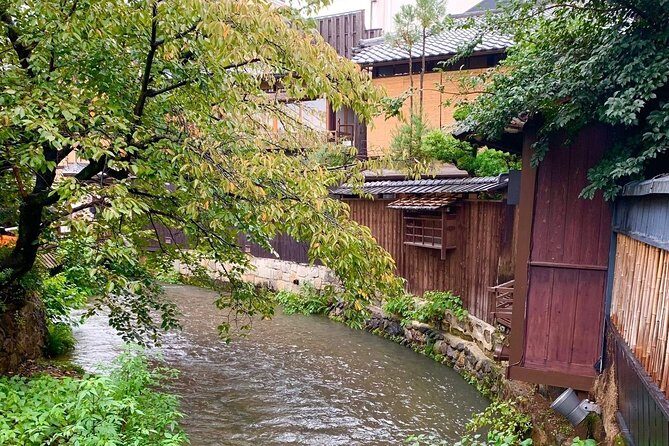
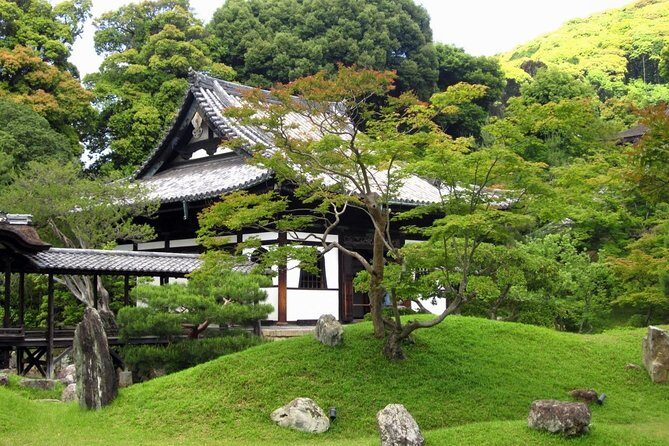
Next is Kodai-ji Temple, where the pitch is simple: it tends to be less crowded than some other hot Kyoto picks. You get about 45 minutes, including admission.
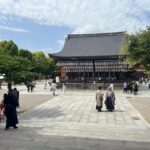
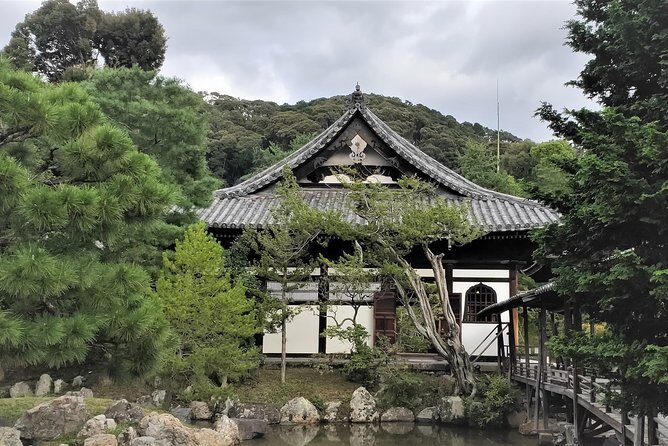
Kodai-ji’s big payoff is the feel. The tour highlights serenity and emphasizes the gardens—exactly the kind of break your feet will appreciate after torii steps and hill climbs. The complex also hosts a mausoleum, which gives the visit more weight than a quick stroll through pretty scenery.
If your Kyoto goal is balance—some high-profile sights plus enough quiet to let it all sink in—Kodai-ji is the section that delivers. I’d treat this as your “reset” stop. Take a breath here, slow your pace, and let your eyes adjust to the garden scale.


Sannenzaka and Ninenzaka: preserved lanes that lead you toward Kiyomizudera
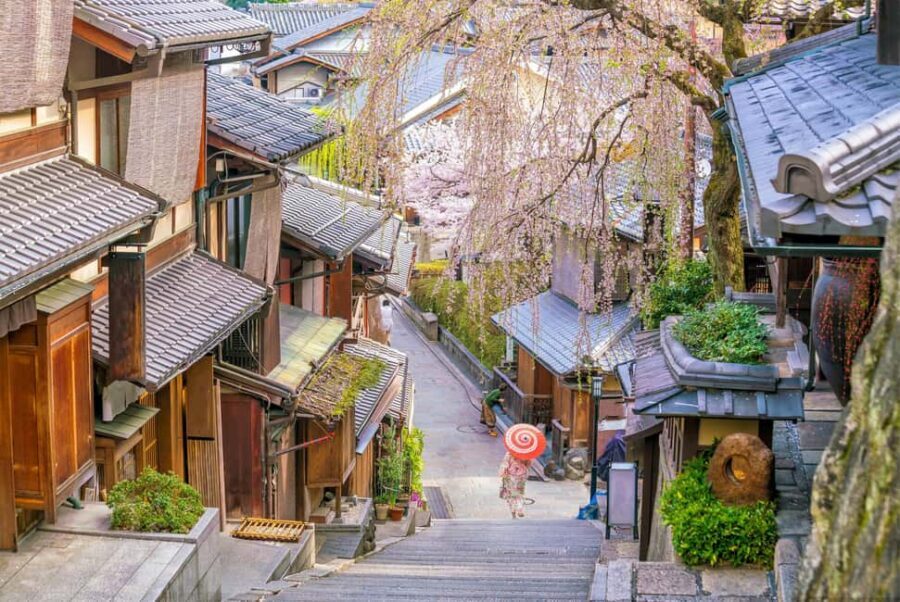
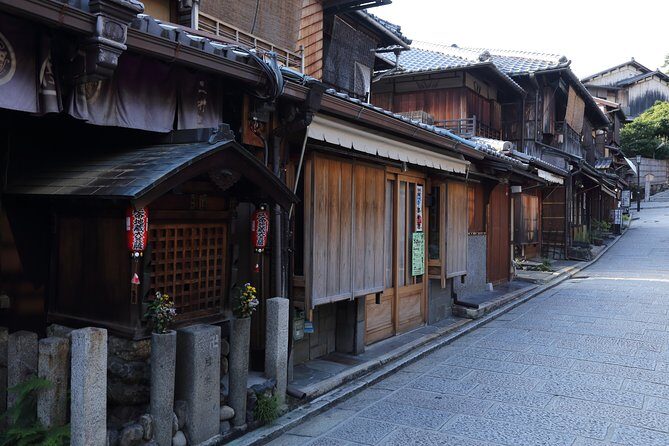
The last walking segment focuses on Sannenzaka and Ninenzaka, two preserved pilgrimage streets that lead to the Kiyomizudera area. This part is about atmosphere and architecture: medieval-style townhouses lining the lanes, with the kind of sight lines that make it easier to frame classic Kyoto scenes without constantly turning your head.
You get about 20 minutes here, with admission listed as free for this segment. It’s also a practical way to end your day: these streets naturally funnel you toward more famous nearby sights, even if your tour doesn’t cover additional temple entry.
This is also where you’ll want to be smart about your energy. By now, you’ve done multiple locations and likely some stairs and slopes. If you’re still excited, keep going nearby on your own. If you’re done, you’ll already have enough Kyoto flavor in your brain to feel satisfied.
Price and logistics: what you pay for (and why it can be good value)
At $129 per person for about 4 hours, this is not a cheap mass tour. But it’s also not priced like a private driver and guide for a full day of moving around the city.
What you’re paying for that matters:
- A private English speaking guide for the full route
- Entrance fees to the included temples and shrines
- Transit from Fushimi Inari to the Gion area
- A plan that’s built to be efficient in a walk-heavy district
So the value isn’t just “a guide.” It’s the combo of planning + fees + transport that removes friction. In Kyoto, those little costs and coordination tasks add up fast if you’re doing it yourself.
There’s also family value: the first child (12 and under) is free, and additional children get greatly reduced pricing. If you’re traveling with kids, that can change the math a lot.
Two more practical notes:
- Food and drinks are not included, so budget for at least water and a snack break.
- Taxis aren’t required, but you can request one if you want. In a place with hills, that option can be a sanity saver.
The real question: how much walking and how tough is it?
The tour is built for people with moderate physical fitness. That usually means: comfortable shoes, willingness to climb and descend, and an ability to keep moving for a few hours.
One theme in real-world experiences with this kind of route is that it can be hot—especially in Kyoto’s summer months. If you’re traveling during warm weather, assume you’ll want extra water breaks even if the itinerary is time-boxed.
What I’d do:
- Wear shoes with grip and a little cushioning.
- Bring water and something for sun protection.
- If someone in your group uses a cane or needs extra pauses, tell the guide at the start so pacing can be adjusted right away.
The route is doable, but it’s not a “sit and see” experience. It’s a “walk and understand” experience.
Who should book this private Higashiyama tour
This tour is a strong match if you want:
- A tight four-hour introduction to Higashiyama highlights
- A guide to explain meaning behind shrine and temple details
- A simple plan with fees and transit handled
- The flexibility of a private format to adjust your pace
It’s also ideal if you’re the type who likes to learn while walking—because the itinerary includes places with distinct themes, from torii-gate spirituality to Gion arts culture to the emotional edge of Yasui-Konpiragu.
If you’re the type who hates hills and can’t walk uneven ground, you might want to rethink the plan or ask about adding a taxi where it makes sense.
Should you book this 4-hour private exploration of Fushimi Inari and Gion?
Yes, if you want Kyoto without the stress of planning each leg, and you like the idea of moving through Higashiyama with someone who can point out what you’d miss alone. The combination of Fushimi Inari + Gion + Kodai-ji + the preserved streets gives you variety without making the day impossible.
I’d book it sooner rather than later, too. This experience is commonly booked around 40 days in advance, and private guide slots can fill up.
Skip it (or adjust expectations) if you’re sensitive to heat or you know your group will struggle with hills and stair-like uneven pathways. In that case, you can still consider it, but plan for water, pacing help, and possibly a taxi request.
FAQ
FAQ
How long is the tour?
The tour runs for about 4 hours.
Where does the tour start and end?
It starts at Inari Station at Fushimi Ward, Kyoto, and ends back at the same meeting point.
Are entrance fees included?
Yes. Entrance fees to temples and shrines are included.
Is transit included between locations?
Yes. Transit from Fushimi Inari to Gion is included.
Is this tour private?
Yes. It’s a private tour/activity, meaning only your group participates.
What is the walking level like?
It’s designed for people with moderate physical fitness, and there is a fair amount of walking with some uphill sections.
Is food included?
No. Food and drinks are not included. Taxis are also not required, though you can request one if you like.
Can I cancel for a refund?
Yes. Free cancellation is available up to 24 hours in advance for a full refund.