REVIEW · GION DISTRICT WALKING TOURS
Kiyomizu Temple and Backstreets of Gion, Half Day Group Tour
Book on Viator →Operated by Japan Wonder Travel · Bookable on Viator
Kyoto can feel huge unless someone maps your day. This half-day walk strings together Kiyomizudera and the backstreets of Gion with a guide to keep you moving and explain what you’re seeing (often at the same pace as guides like Mika and Takuma). I especially like the clear sequence of stops and the way the tour handles crowd pressure with a steady, no-nonsense route. One thing to consider: it’s a walking tour with uphill sections, so you’ll want comfortable shoes.
You also get a smart mix of religion and everyday Kyoto: Zen at Kennin-ji, plus Shinto stops like Yasui-Konpiragu where the rituals are part of local life, not just postcard scenery. And since it’s a small group capped at 8 travelers, it’s easier to ask questions and keep your bearings than if you’re trying to solo it.
If your schedule is tight, build in a little buffer. The tour ends at Gion, and there could be a delay if you have something right after.
In This Review
- Key Highlights You’ll Actually Feel During the Walk
- Kiyomizu and Gion in Four Hours: What This Walk Gets You
- Kyoto Ceramic Center Meet Point: A Low-Stress Start in Higashiyama
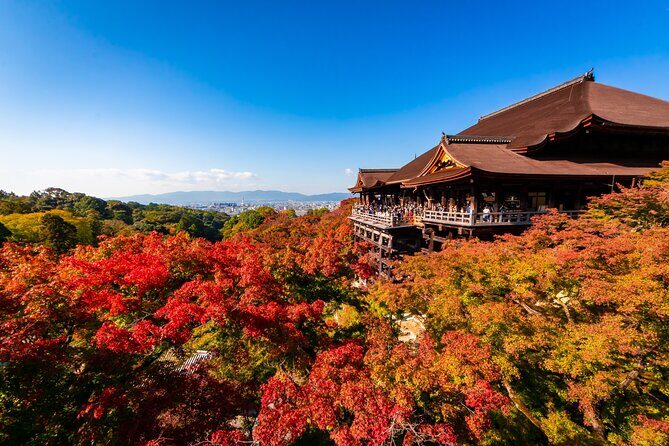
- Kiyomizudera Temple: UNESCO Views Plus a Guide’s Cultural Context
- Sannenzaka and Ninenzaka Slopes: Historic Lanes That Slow You Down (In a Good Way)
- Japanese Garden Near Kiyomizudera and Yasaka Pagoda: A Breather Between Big Stops
- Yasaka Kōshin-dō and Yasui-Konpiragu: Shrines With Meaning (Not Just Structure)
- Kennin-ji Temple: Kyoto’s Oldest Zen, Calm Grounds in the Middle of Walking
- Gion Backstreets and Hanamikoji: The Famous District at a Human Pace
- Price, Group Size, and What’s Included for $59.45
- Who Should Book This Half-Day Tour (and Who Might Skip It)
- Should You Book This Kiyomizu Temple and Backstreets of Gion Tour?
- FAQ
- How long is the tour?
- Where does the tour start?
- Where does the tour end?
- Is this a small group or a large group?
- Is the tour wheelchair-friendly or easy walking?
- What’s included for admission tickets?
- Do I get an actual ticket or just a confirmation?
- Does the tour run in bad weather?
- What should I do if I have plans right after the tour?
- What if I need to cancel?
Key Highlights You’ll Actually Feel During the Walk
Small group size (max 8) for a more human pace through crowded streets
Kiyomizudera and Kennin-ji entry included so you don’t have to sort tickets mid-day
Uphill-to-Gion routing that helps you see the big sights in a logical flow
Multiple religion stops (Zen and Shinto) explained with context instead of guesswork
Rain or shine means the plan doesn’t collapse when the weather turns
Kiyomizu and Gion in Four Hours: What This Walk Gets You
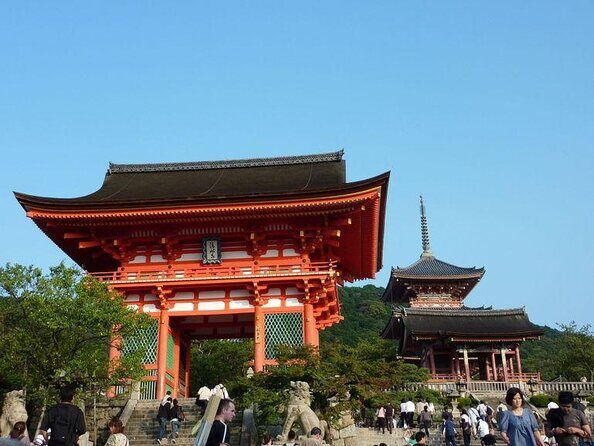
This tour is built for one of Kyoto’s toughest problems: distance and disorientation. Kiyomizudera is visually spectacular, but getting there and then moving onward through Higashiyama without wasting time is hard. The big value here is that you follow a guided route that keeps you from bouncing around between landmarks.
In about 4 hours, you cover a stack of major sights that normally take a full day when you’re figuring things out on your own. You’ll move from the temple viewpoint area down through historic lanes and into Gion, Kyoto’s best-known geisha district. It’s not a museum day. It’s a street-level day where you’re meant to look, listen, and walk.
The guide-led format also matters for culture. Stops like Kennin-ji are calmer once you understand what you’re looking at. Same with the shrines, where the meaning behind rituals is the point—not just the building.
You can also read our reviews of more tours and experiences in Kyoto.


Kyoto Ceramic Center Meet Point: A Low-Stress Start in Higashiyama
You meet at Kyoto Ceramic Art Association Official Shop and Gallery, right in Higashiyama Ward. The practical win is location: you’re starting in the neighborhood where the rest of the day unfolds. That reduces transit time and helps you settle into the walk.
There’s also a small built-in “Kyoto vibe check.” Ceramics are a big part of the city’s craft identity, and beginning at a ceramic center puts you in the mindset of Kyoto as a lived-in cultural place, not just a checklist of temples.
One detail I like: the stop includes a 10-minute entry where the admission ticket is free. That gives you a clean launch point before you hit Kiyomizudera’s heavier crowds.
Kiyomizudera Temple: UNESCO Views Plus a Guide’s Cultural Context
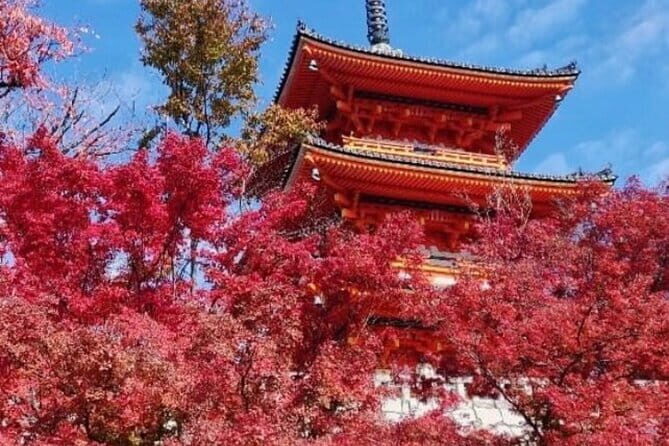
Kiyomizu-dera is the anchor of the whole half-day. It’s a UNESCO World Heritage Site and one of Kyoto’s most visited religious locations. So yes, it can be busy. The difference with a guided plan is that you’re not just arriving into a crush—you’re getting the “why” along the way.
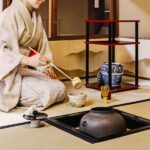
The tour is designed to help you understand the site’s cultural and historical importance from a professional guide. You’re also learning about Zen Buddhism, which gives you a framework as you watch how people move through temple space and interact with sacred areas.
Practical consideration: Kiyomizudera sits up on a slope. Even if you’re not rushing, you should expect uphill walking getting there and within the area. That’s part of why shoes matter. If you’re bringing kids or someone who tires easily, the guide’s pacing flexibility is a real advantage.
Sannenzaka and Ninenzaka Slopes: Historic Lanes That Slow You Down (In a Good Way)
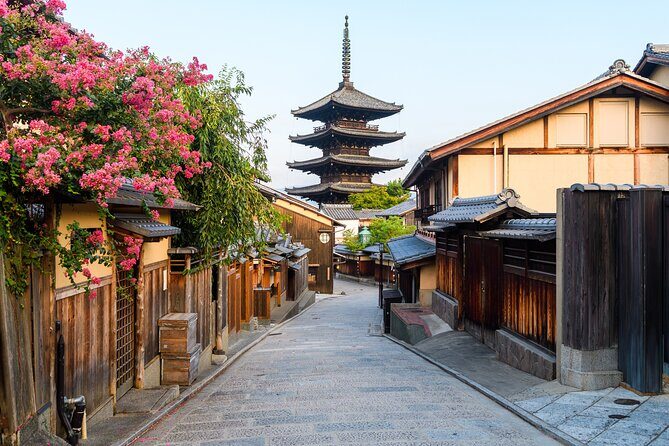
After Kiyomizudera, the day shifts from a temple viewpoint to walking lanes that feel like old Kyoto. Sannenzaka (Three-Year Slope) and Ninenzaka (Two-Year Slope) are steep historic streets leading up to the temple area.
I like this segment because it’s not only about the buildings. It’s about moving at the speed of the place—slow enough to notice craft shops, old-style facades, and the way the streets funnel foot traffic. It also keeps your energy balanced: you’ve done the heavy moment at the temple, then you transition into a more strolling-friendly rhythm.
Timing here is about 30 minutes, and that’s plenty for a careful look without turning the day into a shopping detour. You’re not meant to wander for hours; you’re meant to catch the feel of Higashiyama and move on.
Japanese Garden Near Kiyomizudera and Yasaka Pagoda: A Breather Between Big Stops
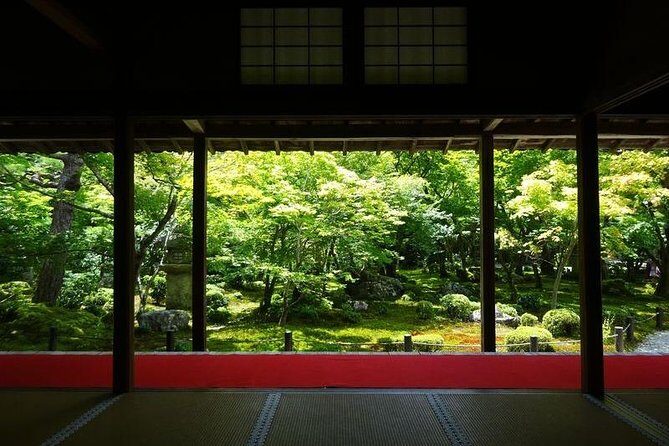
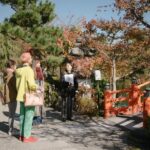
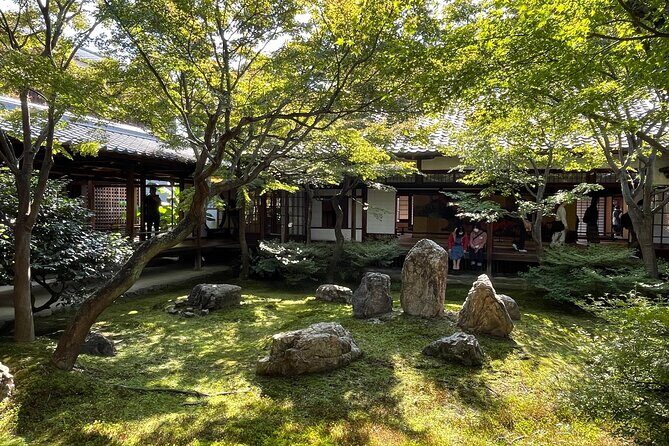
Right after the slope walk, you’ll encounter a Japanese garden near Kiyomizudera. The garden is described as having a designed arrangement with features like ponds, traditional wooden bridges, and plants placed with care. This is the kind of pause that helps you absorb the day instead of bouncing from one highlight to the next.
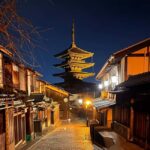
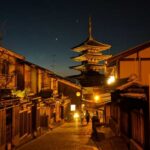
Then you also see the Yasaka Pagoda, a historic five-story pagoda and one of Kyoto’s iconic landmarks. Pagodas are often photographed as symbols, but they mean different things depending on where they sit and how you’re viewing them. A guide helps you read it as part of the surrounding cultural landscape rather than a standalone picture.
This portion is valuable because it breaks up the day. If you’re temple-heavy earlier, these quieter visuals give you a reset so the rest of your walk feels enjoyable rather than exhausting.
Yasaka Kōshin-dō and Yasui-Konpiragu: Shrines With Meaning (Not Just Structure)
Kyoto’s religion isn’t one-note, and this tour makes that clear. You’ll stop at Yasaka Kōshin-dō, a small traditional temple near Yasaka Shrine, dedicated to Koshin, described as a guardian deity believed to protect people from illness and misfortune. The stop is known for colorful kukurizushi decorations (often the most eye-catching part when you’re standing there in person).
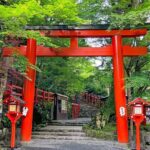
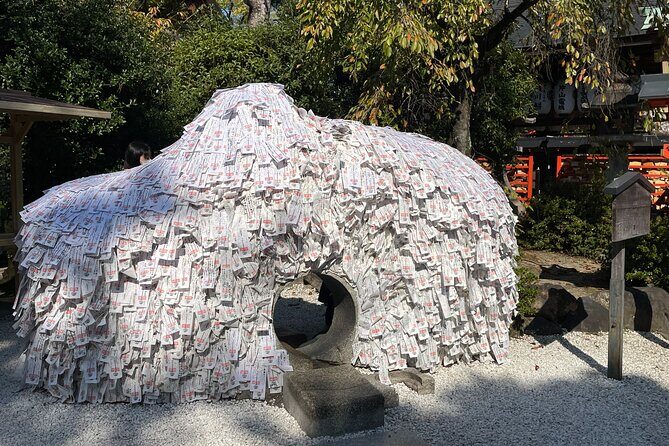
Then you’ll visit Yasui-Konpiragu, a Shinto shrine in Higashiyama known for a ritual connected to cutting negative relationships and forming positive ones. The data also points out that there can be long lines for this ritual, so you should expect a bit of “wait and watch” time depending on the day.
Why I think these stops matter for your experience: they show you how Kyoto’s spiritual life plays out in everyday behavior. You’re not just looking at temples from far away—you’re seeing how people participate in beliefs that influence how they want to live.
Kennin-ji Temple: Kyoto’s Oldest Zen, Calm Grounds in the Middle of Walking
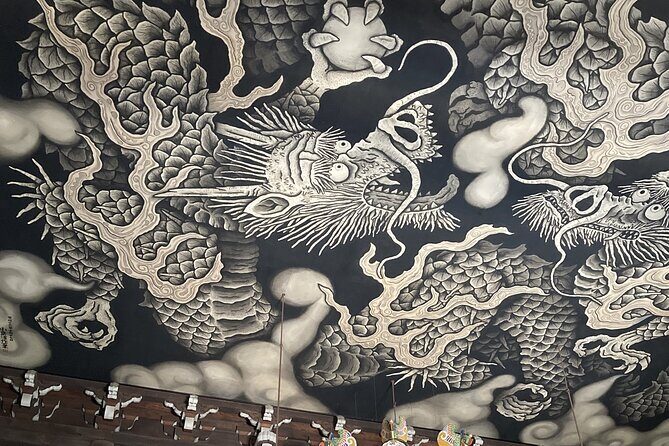
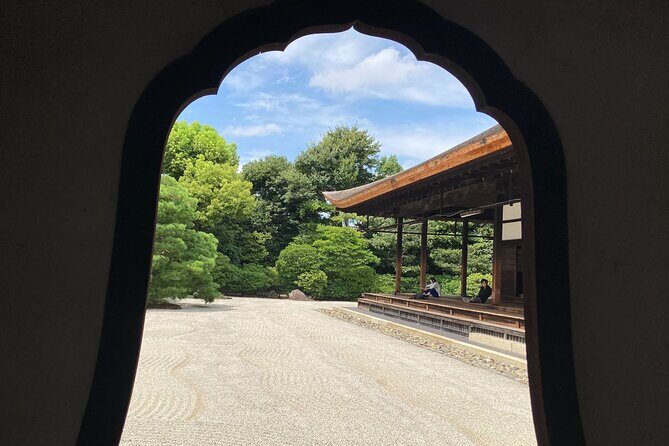
If you want one place that changes the tone of the day, it’s Kennin-ji. You’ll spend about 50 minutes, and that time is built for slower observation.
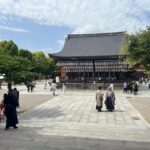
Kennin-ji is described as the oldest Zen temple in Kyoto, founded in 1202. Even though it’s in a central location, the grounds are said to feel calm and spacious, which makes a huge difference when you’re spending hours navigating crowds elsewhere in the city. You’ll also hear about the Dharma Hall, described as an architectural highlight.
This is where a guide earns their keep. Zen temples are easy to misunderstand if you only look at them as buildings. With context, you start noticing patterns: how space supports quiet, what visitors focus on, and how the setting supports the idea of stillness.
Gion Backstreets and Hanamikoji: The Famous District at a Human Pace
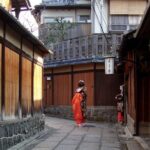
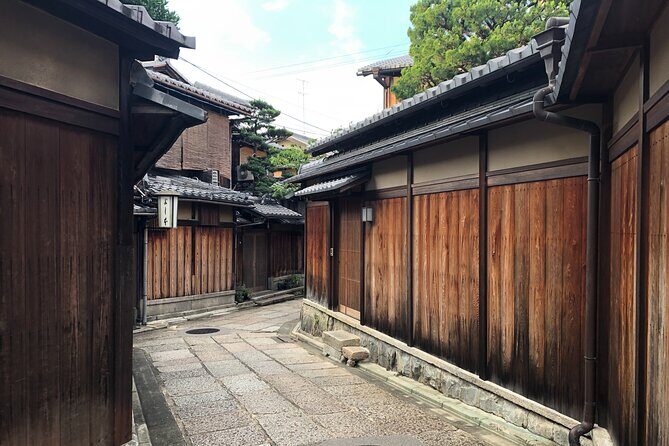
The final stretch is the heart of “Kyoto after the highlight.” You’ll walk through Gion, described as Japan’s largest geisha district, exploring the main street Hanamikoji with traditional machiya houses, teahouses, shops, and restaurants lining the way.
I like this ending because it feels like a transition from sacred space to everyday Kyoto. You’re still in the historic core, but the mood is different: less hushed, more street-life. The guide’s route through backstreets also helps you avoid getting stuck staring at one viewpoint while missing the flow of the neighborhood.
The walk-and-look pace is also practical after temples. By the time you reach the end point in Gion, you’ll have a sense of where you are, not just what you saw.
Price, Group Size, and What’s Included for $59.45
At $59.45 per person for about 4 hours, this sits in the “good value” category for Kyoto walking tours, mainly because of what’s included. You’re paying for:
- A guided route that covers multiple major sights in a short window
- Temple entry included for Kiyomizu-dera (listed as included)
- Kennin-ji entry included
- Other stops marked as free admission (like Sannenzaka/Ninenzaka, several shrine/temple stops, and the Kyoto Ceramic Center meeting point)
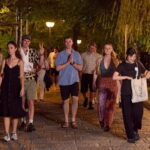
You’re also in a small group setting, max 8 travelers. That’s a big deal. In crowded Higashiyama, the difference between 8 people and 20 people is whether you can actually hear the guide and keep your pace without constant stop-start chaos.
One more value angle: the tour is described as customizable to your interests. Even if you don’t change the route drastically, that flexibility usually shows up in what the guide emphasizes—religious context vs. architecture vs. how locals treat these spaces.
Who Should Book This Half-Day Tour (and Who Might Skip It)
This tour is a strong match if you want to:
- Hit Kiyomizudera and Gion in a single afternoon
- Learn the meaning behind what you’re seeing (Zen and Shinto)
- Avoid wasting time navigating between scattered spots
- Prefer a small group and a steady walking pace
It might be less ideal if you:
- Have limited walking tolerance. The day includes steep historic lanes like Sannenzaka/Ninenzaka and a route that works uphill-to-downhill.
- Have a very rigid schedule immediately after the end time. There’s a note that the tour could end with a delay, so leave room if you’re catching a train right after.
If you’re traveling with kids, it can work well because the tour includes flexibility in pace and interests (the guiding style is repeatedly praised for accommodating different needs).
Should You Book This Kiyomizu Temple and Backstreets of Gion Tour?
If you want maximum Kyoto flavor without turning your day into logistics, I’d book this. You get a tight route through the city’s headline sights—Kiyomizudera, Kennin-ji, and Gion—plus enough cultural context to make the stops feel more than photo ops. The price is reasonable for a guided experience that includes entry at two major temple stops and keeps group size small.
Just be honest about your walking comfort. If you’re good with slopes and several hours of walking, this half-day plan is a smart way to see Kyoto’s most famous streets and sacred spaces while still feeling like you’re moving through the city, not rushing across it.
FAQ
How long is the tour?
The tour runs for about 4 hours.
Where does the tour start?
You meet at Kyoto Ceramic Center (Kyoto Ceramic Art Association Official Shop and Gallery) at 583-1 Yūgyōmaechō, Higashiyama Ward, Kyoto.
Where does the tour end?
The tour ends at 571 Gionmachi Minamigawa, Higashiyama Ward, Kyoto.
Is this a small group or a large group?
It’s a group tour with a maximum of 8 travelers.
Is the tour wheelchair-friendly or easy walking?
It’s a walking tour, and you’re advised to wear comfortable walking shoes. The route includes steep historic slopes like Sannenzaka and Ninenzaka.
What’s included for admission tickets?
Kiyomizu-dera and Kennin-ji have admission tickets marked as included. Other listed stops have free admission in the tour info, including Sannenzaka/Ninenzaka and several shrines/temples.
Do I get an actual ticket or just a confirmation?
You’ll use a mobile ticket.
Does the tour run in bad weather?
Yes, it operates rain or shine.
What should I do if I have plans right after the tour?
There could be a delay when the tour ends, so it’s smart to give yourself some buffer time if you have an appointment.
What if I need to cancel?
You can cancel for a full refund up to 24 hours in advance of the start time.