REVIEW · TEA CEREMONY EXPERIENCES
Kyoto: Kimono and Tea Ceremony Experience at Cultural Asset
Book on GetYourGuide →Operated by Tondaya, Co., Ltd. · Bookable on GetYourGuide
Silk kimono and matcha, in a real machiya. I love the combo here: high-quality silk kimono dressing and a guided traditional tea ceremony inside a historic machiya that still feels like Kyoto from another time. It is not just a photo stop. It is a full ritual with a house tour that gives you context for what you are seeing.
One thing to plan for: unless you pick the private option, this is done with other participants, and it can get crowded during the ceremony and the walking bits.
In This Review
- Key things I think you will care about
- Tondaya’s machiya: stepping into a Kyoto townhouse that still breathes
- Kimono dressing in minutes: what to wear, what to expect, and what can surprise you
- Tea ceremony in a traditional machiya: why it feels different here
- The house tour and garden backdrops: where the photos become more than selfies
- Group size and etiquette: how to keep this experience peaceful
- Price and value: what $222 actually buys you
- Logistics that matter in Kyoto: socks, timing, and getting there
- Should you book Tondaya’s Kimono and Tea Ceremony?
- FAQ
- FAQ
- What should I bring for the experience?
- Are bare feet allowed?
- How long is the experience?
- Is it just me and my group?
- What languages do the instructors speak?
- What is included in the price?
- What should I wear under my kimono?
- Is hair styling or make up included?
- Can I cancel and get a refund?
Key things I think you will care about
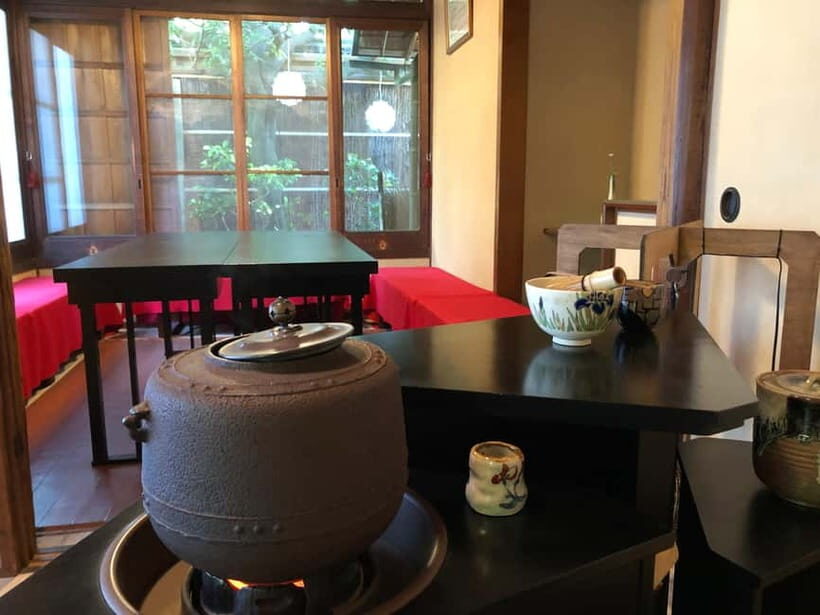
- A 140-year-old machiya you can actually enter: Tondaya is a nationally registered cultural property, not a staged set.
- Silk kimono fitted on-site: You get helped into your outfit fast, with guidance on how it should sit.
- A tea master-led ceremony: Expect the ceremony to be taught in a clear, step-by-step way (English support varies).
- Photo time in an authentic Japanese townhouse setting: The rooms and small garden spots make it feel intimate.
- Socks required, bare feet not allowed: Bring socks and plan what you wear underneath.
Tondaya’s machiya: stepping into a Kyoto townhouse that still breathes
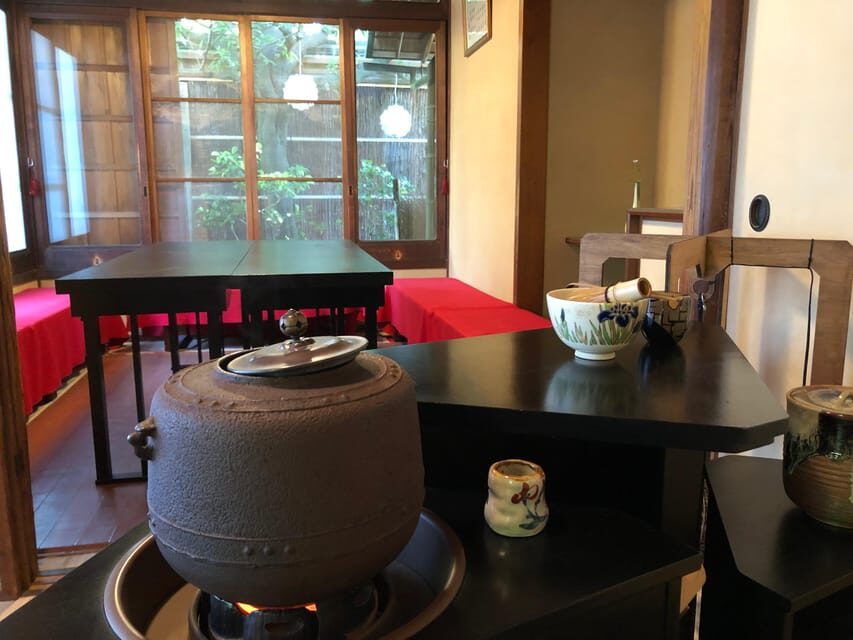
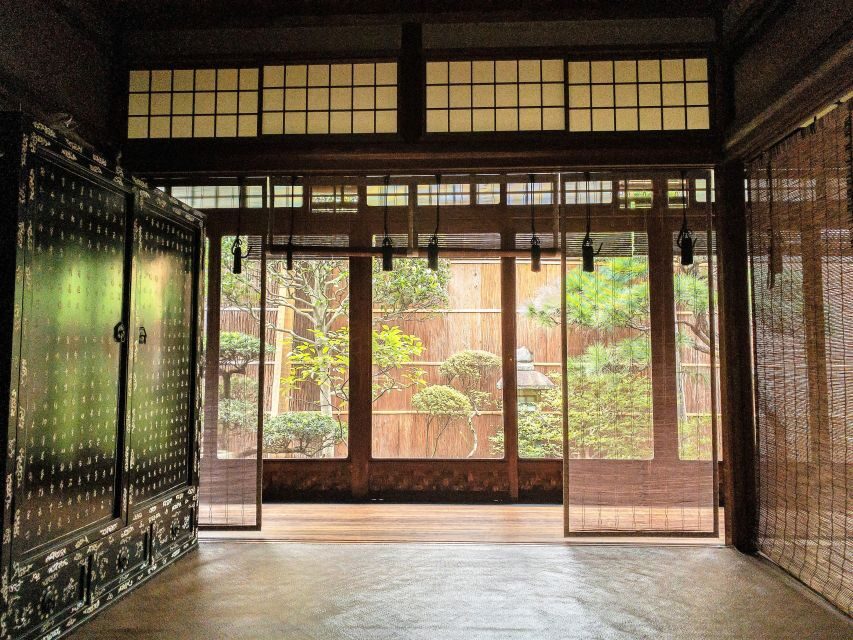
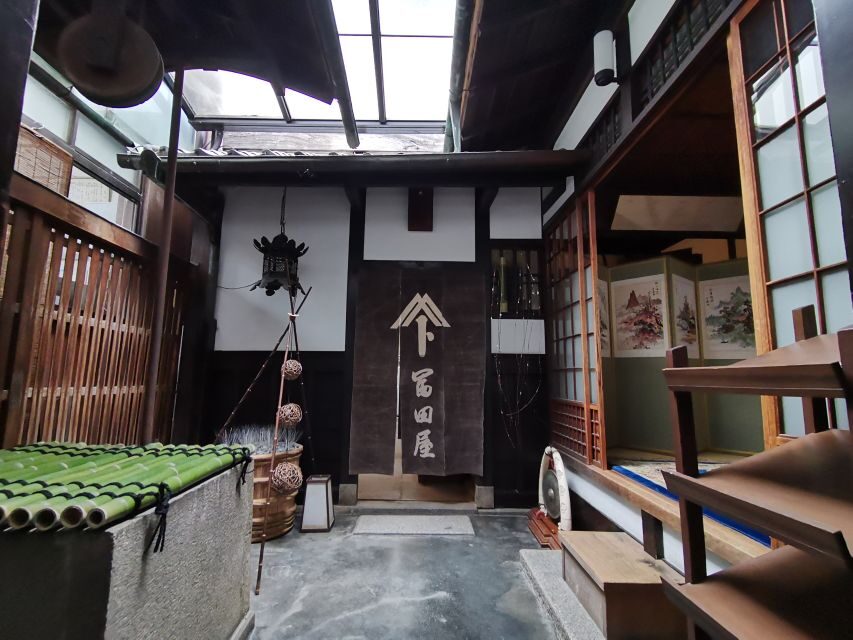
Your experience starts at Tondaya – Nishijin Japanese Cultural Experience Museum in Kamigyo Ward, at 697 Ishiyakushichō. The first wow moment is simply how the place feels. A machiya is not a museum hallway. It is a lived-in style of townhouse: wood, proportions, and those calm corners where history shows up in the details.
Tondaya is 140 years old and recognized as a cultural landmark by Kyoto City. That matters because the tour does not treat the building like scenery. You move through the space with an explanation of the property and its artifacts, so the rooms are not random backdrops. They become part of the story of how Kyoto culture worked day to day, long before tourism.
I also like that the tour is designed around pace. People who rush through Kyoto often miss the quiet side of it. Here, the atmosphere sets the tone early, and then the tea ceremony reinforces it. You feel it in your body before you fully understand it in your mind.
You can also read our reviews of more tours and experiences in Kyoto.


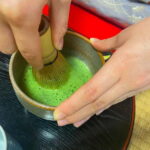
Kimono dressing in minutes: what to wear, what to expect, and what can surprise you
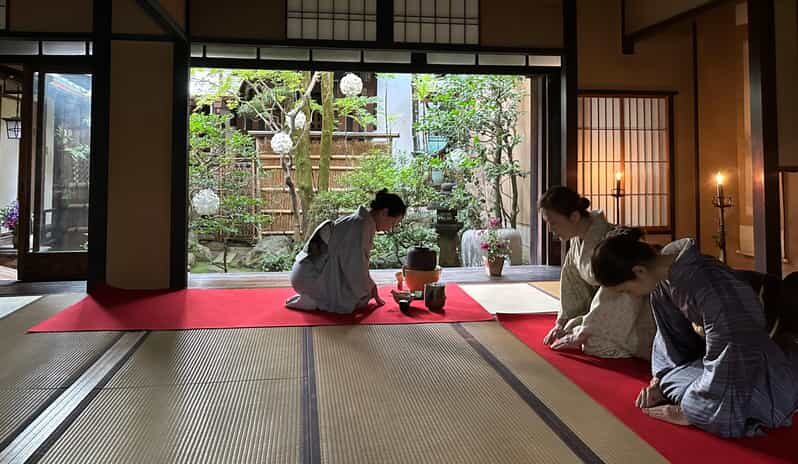
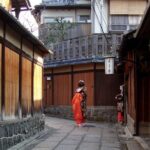
The kimono portion is one of the biggest reasons people book this. Dressing happens in a dedicated room, and the fitting is fast—think about around five minutes for the actual help putting you into the kimono. The staff assist you in choosing and fitting an authentic silk kimono.
A practical tip: you need to arrive ready for the clothing rules. Socks are required, and bare feet are not allowed. Also, avoid outfits that are too tight around the neck, since the kimono look depends on how the collar sits. One more detail that surprised me from the rules: if your shirt is wet, they cannot help you put on a kimono, so bring something dry or a change of top.
Hair and makeup are not included. So if you want that polished Kyoto-photo look, do your basics before you come. Keep your headpieces simple. The kimono team’s job is the garment, not full styling.
Sizing is another real-world factor. Some reviews note that taller participants may be put into larger kimonos that are more solid in pattern, while shorter participants might receive more patterned prints. And sizing fit can vary from person to person, so if you are between sizes or have a specific body fit issue, it is worth understanding that you are renting a kimono, not getting a custom-tailored one.
One last heads-up: photos are not allowed while dressing or while taking the kimono off. That is a small loss for your camera roll, but it helps the process stay respectful and smooth. You still get plenty of time afterward.
Tea ceremony in a traditional machiya: why it feels different here
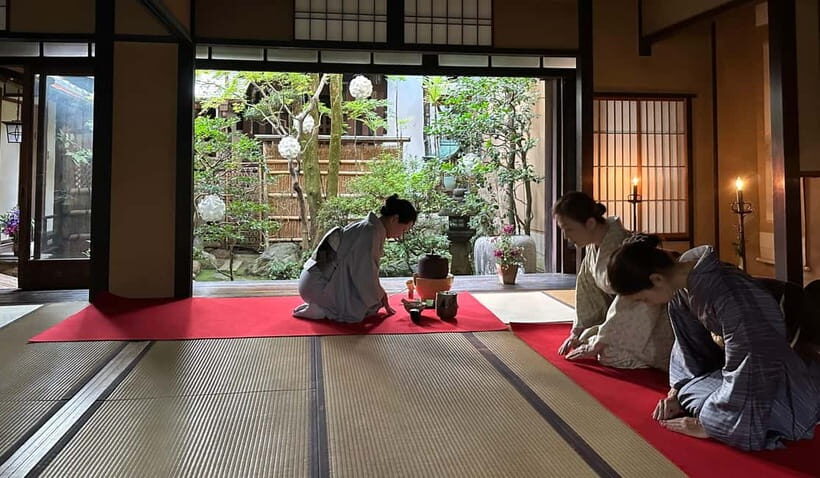
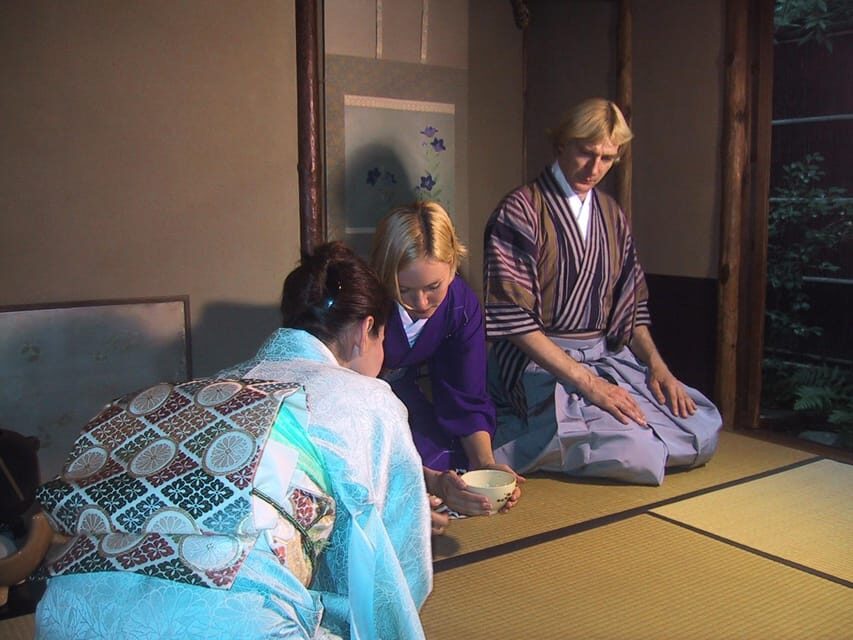
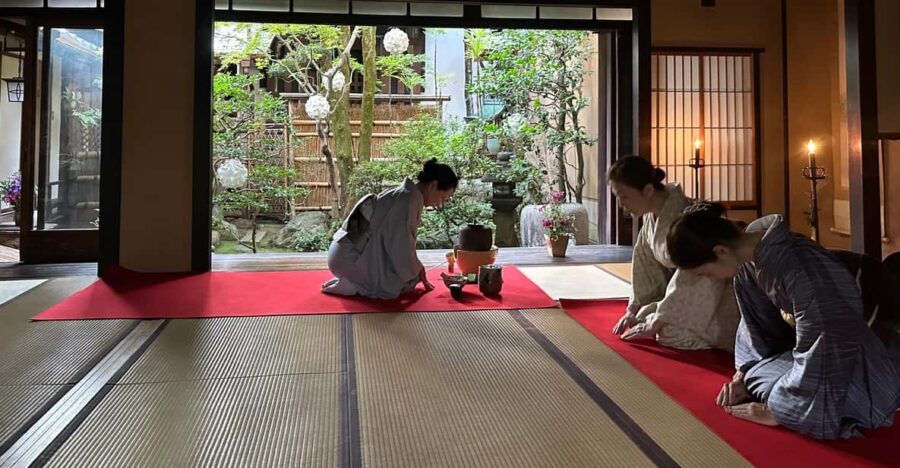
Then comes the part that turns the outfit into an experience: the Japanese tea ceremony in the townhouse. It is performed by a seasoned tea master, and you are guided through what is happening and why.
Tea ceremony details vary by school and teacher, but the core idea is consistent: it is a mindful sequence. You will usually see a focus on the actions—how tea tools are handled, the care in serving, and the rhythm of the exchange. What I like about doing it in a machiya is the setting matches the mood. In a bland room, the ceremony can feel like a performance. Here, it feels like something that belongs to the space.
The education level can be a highlight. Many people come away saying they learned a lot about points in the ceremony. Some even mention the guide explaining things clearly in English. If English is not the guide’s strongest language, the team may use a translation device. That is good to know before you arrive, especially if you are hoping for deep verbal detail.
One review mention praised guidance from a host named John for how well he explained history related to Japan. Even if you do not catch every word, the combination of visuals plus the guide’s explanation still helps you connect the ceremony to Kyoto culture.
A couple of comfort notes:
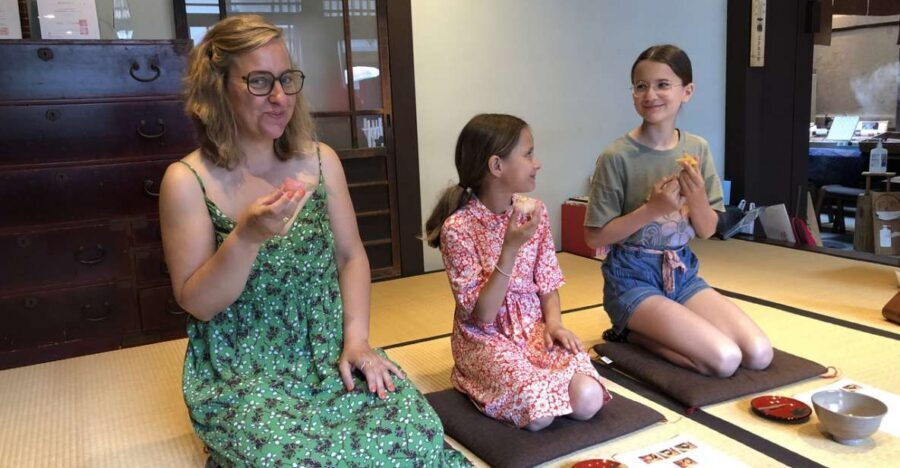
- Seating can be on the floor, with limited chairs available. If you have knee or mobility issues, think about asking what seating looks like before you commit.
- Some people mention not always having the same view of the tea master. If a perfect view matters to you, private may be the better choice so the layout is less constrained.
The house tour and garden backdrops: where the photos become more than selfies
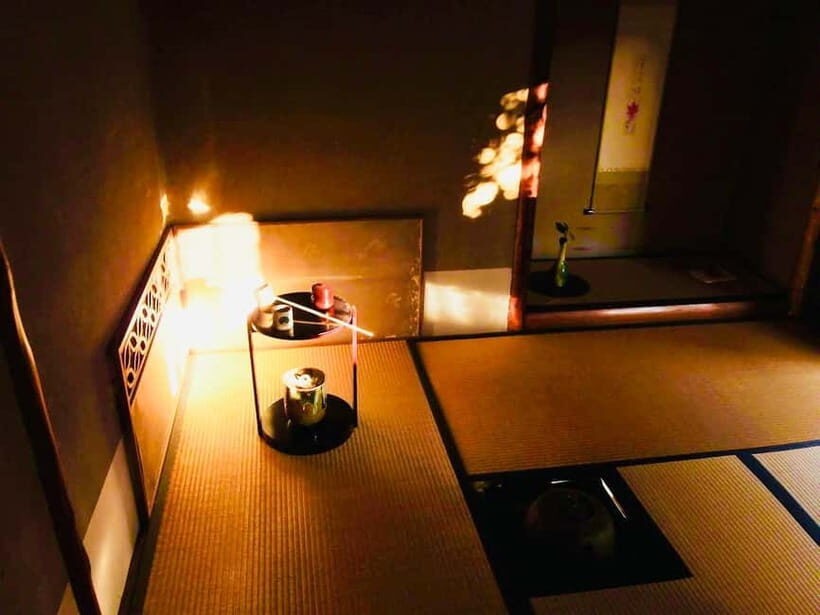
After the tea portion, you will be guided through Tondaya and shown the cultural property aspects of the home. This is where the tour shifts from ritual to context.
You get to see the kind of architecture that makes a machiya what it is: the woodwork, the internal flow of rooms, and the atmosphere that makes people slow down without being told. There are also photo opportunities. Many reviews highlight that the house and garden settings are ideal for photos and that the staff give time so you can take your own pictures, not just rely on a quick phone snapshot.
Still, you should manage expectations around crowding. Some people call it crowded or chaotic, mostly because the ceremony and photo moments involve multiple groups at once. If you want photos that look quiet and intimate, go in with patience and a little flexibility about timing. The best pictures tend to happen when you let the moment calm down instead of fighting for every angle.
Also, do yourself a favor: arrive early if you can. One review mentioned arriving about half an hour early, and that gave the group extra time to settle into the process. When you are wearing a kimono, you want your head and shoes settled, not rushing at the door.
Group size and etiquette: how to keep this experience peaceful
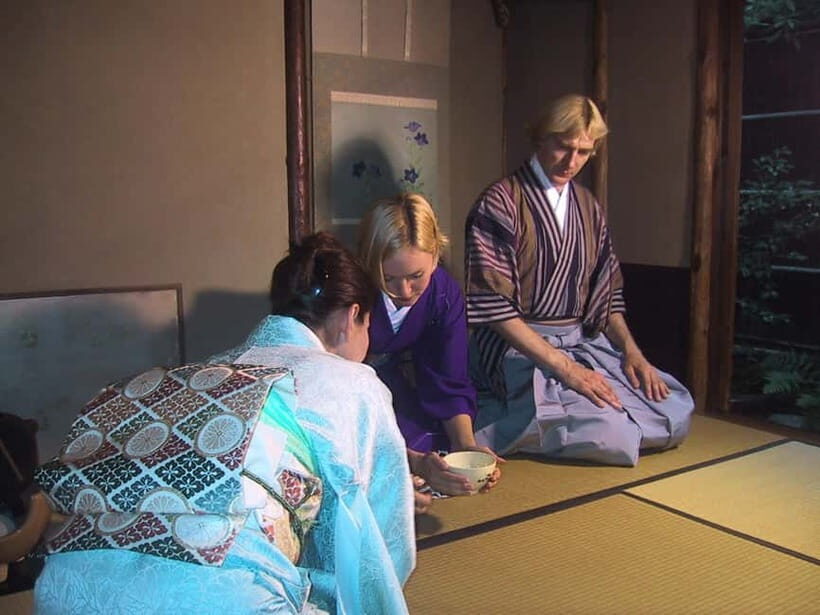
This experience can be lively. It may include other participants, and unless you book private, you can face small waits during parts of the program. That shows up most during the ceremony seating and transitions.
But there is a bigger variable: your group’s behavior. A few reviews get very specific about how noise, last-minute shouting for chairs, and constant filming can ruin the calm tone the tea ceremony is built on. I get it. It is hard not to record everything when you are wearing a silk kimono for the first time. Still, if you want the tea ceremony to feel like tea ceremony—quiet, respectful, mindful—then your best move is to put the phone down once you are seated.
Also, treat the hosts like teachers, not like entertainment staff. They are handling delicate moments, from dressing to serving tea. When you stay quiet and attentive, the ceremony gets better for you and everyone else.
If you are sensitive to noise or you want a more personal pace, the private option is the safety valve. Reviews describe it as feeling more like being invited into the house, with less pressure and more room to ask questions.



Price and value: what $222 actually buys you
At $222 per person, this is not a budget activity. So the question is not whether it is pricey. The real question is whether you are buying something that you cannot replicate on your own.
Here, you are paying for three things at once:
- Access to a 140-year-old cultural property and a guided walk through it
- Kimono dressing assistance with an authentic silk garment
- A tea ceremony performed by a tea master, plus instruction and context
Where the value shows up: you are not just renting a costume and walking around. You get a structured experience inside the building, plus an actual ceremony with teaching. That combination is what pushes it above standard kimono rental shops that stop at photos.
Where the cost can sting: some reviews say the education could be deeper about the kimono itself—origins, significance, and garment details. Also, if you end up with a more crowded group, you might feel the experience is more commercial than personal.
So who gets the best value? You if you want the full Kyoto ritual package—silk kimono, a real townhouse, tea master-led ceremony—and you care about doing it respectfully. If what you want most is shopping-grade fashion or lots of hands-on time with tea mixing, you might want to consider whether this pacing fits your style.
Logistics that matter in Kyoto: socks, timing, and getting there
A few practical points will make the day smoother.
First: bring socks. The experience does not provide them, and you cannot go barefoot. Avoid socks that are tight like stockings; the guidance specifically asks you not to wear stockings and to wear socks.
Second: plan clothes that make dressing easy. Loose at the neck is your friend. And remember: you cannot be helped into the kimono if your shirt is wet, so bring a change if you think you might get caught in rain or sweat.
Third: the location can be a bit awkward for taxis. One review mentioned trouble getting a taxi even with Uber. That tells me you should not assume ride-hail will work instantly at the door. Build in time, and consider using public transit plus a short walk.
Finally: if you need excellent English explanations, do not rely only on the guide’s level. The team may use a translation device when needed, but if you care deeply about tea culture terminology, be ready to take notes and observe carefully too.
Should you book Tondaya’s Kimono and Tea Ceremony?
If you want a Kyoto experience that feels real—inside a 140-year-old machiya, with silk kimono dressing and a tea ceremony led by a tea master—then yes, this is worth putting on your list. You are paying for a triple combo that most DIY plans in Kyoto cannot match.
Book with extra confidence if you:
- Want photos that still look like Kyoto, not a generic rental studio
- Like structured cultural activities where you are guided step-by-step
- Prefer the respectful, calm side of sightseeing
Skip it or choose private if you:
- Hate crowded situations and need a quiet setting for your brain
- Have mobility concerns and worry about floor seating
- Want deep garment history and long explanations about every kimono detail
FAQ
FAQ
What should I bring for the experience?
You should bring socks. Hair styling and make up are not included, so you may want to plan your own styling.
Are bare feet allowed?
No. The rules state that bare feet are not allowed.
How long is the experience?
The duration is listed as 90 minutes to 4 hours, depending on availability and how the session runs.
Is it just me and my group?
By default, it is conducted in a group with other participants. If you prefer a private setting, you should select the private experience option.
What languages do the instructors speak?
The experience is offered with instruction in English and Japanese. A translation device may be used when necessary.
What is included in the price?
Included are the entrance fee, the tea ceremony, and kimono dressing.
What should I wear under my kimono?
Wear clothes that are not too tight around the neck so the kimono style looks correct. Also, avoid having a wet T-shirt during dressing.
Is hair styling or make up included?
No. Hair styling and make up are not included.
Can I cancel and get a refund?
Yes. You can cancel up to 24 hours in advance for a full refund.