REVIEW · FUSHIMI INARI TOURS
Discover the Secrets of Fushimi Inari and Gion with a Local Guide
Book on Viator →Operated by Sparrow Travel · Bookable on Viator
A red-torii path and a tea-house alley in one walk. This half-day Kyoto experience strings together Gion, Yasaka Shrine, Kodai-ji, Hōkan-ji (Yasaka Pagoda), Kiyomizu-dera, and ends at Fushimi Inari Taisha with a local guide who keeps the pace human, not frantic. I like that it mixes headline sights with a few places that feel calmer once you’re walking with someone who knows where to stand and when to move.
I also like that you get real context from the guide, including how Kyoto’s old traditions connect to daily life and even modern details. Tomoki, for example, brought in not just temple facts, but also modern architecture and the sweeter side of Kyoto like traditional sweets and matcha. One thing to consider: this is still a walking route in busy historic districts, and Fushimi Inari involves a lot of steps and slanted footing, so comfy shoes matter.
With a maximum group size of 8, you’ll get more “follow the guide” clarity and less shoulder-to-shoulder stress than the typical big-group shuffle. Admission is included for Kodai-ji and Kiyomizu-dera, so you avoid adding extra ticket stops while you’re busy trying to take in everything. The only downside I’d flag is timing: you’re on the move for about 4 hours, so if you want long sits and museum-level pauses, plan for some extra standalone time on your own after the walk.
In This Review
- Key highlights to look for
- A 4-hour Kyoto route that feels like walking with a friend
- Gion: machiya streets and the easiest way to orient yourself
- Yasaka Shrine at the edge of Gion
- Kodai-ji: Zen temple beauty with admission handled
- Yasaka Pagoda (Hōkan-ji): a five-story landmark without the hassle
- Kiyomizu-dera: the slope, the stage, and why it’s always on the list
- Fushimi Inari Taisha: torii tunnels and how to enjoy your full hour
- Price and value: what $78.04 includes, and what to budget
- What it feels like with Tomoki-style guidance
- Who this tour suits best
- Should you book Sparrow Travel’s Gion and Fushimi Inari half-day?
- FAQ
- What is the duration of the tour?
- How much does the tour cost?
- What’s included in the tour price?
- Are any admissions free on this route?
- Do I need to pay for transportation separately?
- Where does the tour start and end?
- What is the cancellation policy?
Key highlights to look for
- Up-close Gion atmosphere on the cobblestone lanes near Shijo Avenue and the machiya house streets
- Temple-and-shrine flow that avoids backtracking by pairing eastern Higashiyama stops in a smart order
- Included admissions for Kodai-ji and Kiyomizu-dera, which helps the value stay steady
- Fushimi Inari Taisha’s torii tunnels with a full hour to choose how far up to go
- Small group pacing (up to 8 people) that makes the walk feel manageable
- Mobile ticket convenience so you’re not scrambling on your phone or at a ticket counter
A 4-hour Kyoto route that feels like walking with a friend
Kyoto can be overwhelming fast: you arrive, look at a map, and suddenly you’re sprinting from one famous gate to the next. This format helps. You cover the city’s eastern side in a tight half-day loop, and the group stays small, so the guide can adjust pace to what your legs and attention span can handle.
For me, the sweet spot here is the sequence. You start in Gion, then move through the shrine-temple cluster of Higashiyama, and only then go to Fushimi Inari Taisha, which is the “big moment” with the red torii gates. That order keeps the emotional energy building instead of dropping every time the walk becomes crowded or confusing.
Also, you’re not stuck calculating every ticket and admission counter. Kodai-ji and Kiyomizu-dera are included, while the other stops are listed as free-admission within this route. That matters because it reduces decision fatigue while you’re out there looking up, not at your phone.
You can also read our reviews of more guided tours in Kyoto


Gion: machiya streets and the easiest way to orient yourself
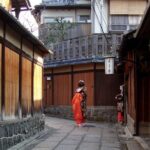
You begin in Gion, one of Kyoto’s best-known historic districts. The core area centers around Shijo Avenue, where traditional wooden machiya houses, teahouses, and cobblestone streets set the tone immediately.
In practical terms, this is a strong first stop because it’s where you get your bearings. You’re not yet committed to a heavy stair climb, so you can start noticing street details: the way shopfronts and old facades sit close to the road, the slower rhythm compared with busier corridors, and the fact that you’re standing in an area with a long reputation. Even if you don’t obsess over architecture, the vibe helps you understand why Kyoto’s east side is so often photographed.
This stop is about 20 minutes, and it’s well-sized for a group. You get a taste, then you keep walking while the atmosphere is still fresh.
Tip: wear shoes you can move in. Gion looks charming in photos, but the cobblestones can be uneven if you’re in flip-flops or soft sneakers.
Yasaka Shrine at the edge of Gion
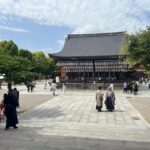
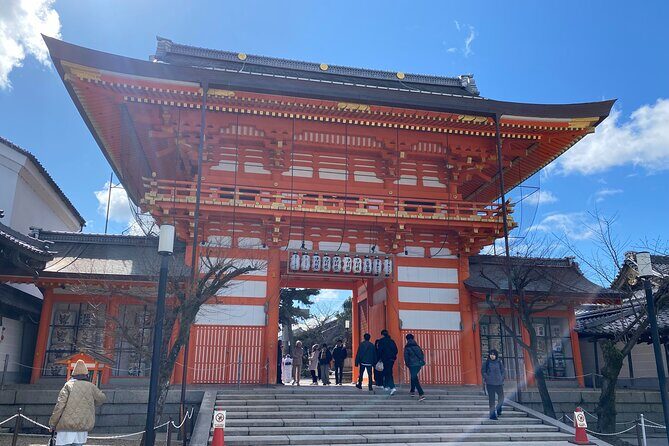
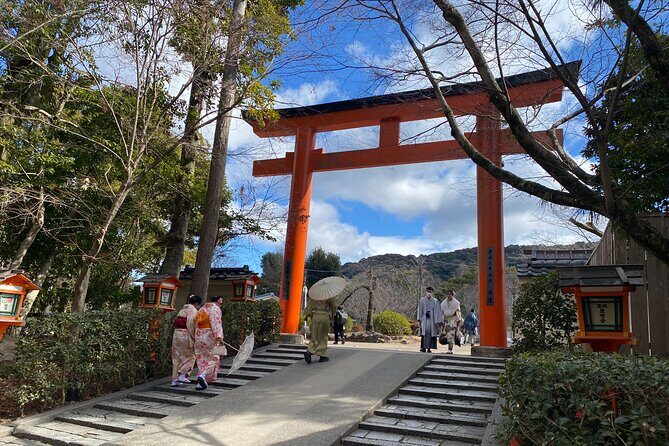
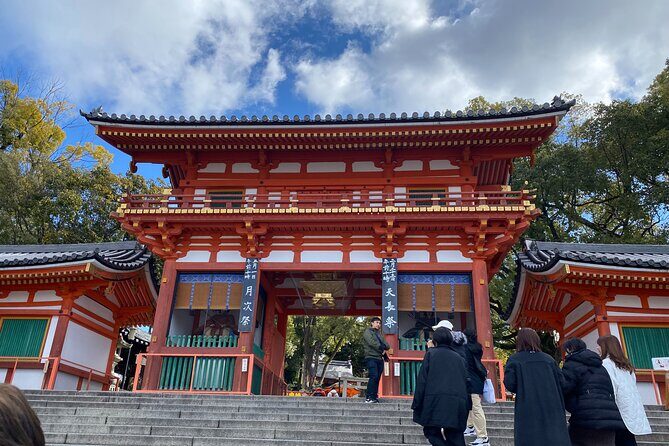
Next comes Yasaka Shrine, located at the eastern end of the Gion area. It’s one of the city’s most famous and historic Shinto shrines, founded over 1,350 years ago, and dedicated to Susanoo-no-Mikoto.
This stop works because it shifts your brain from “district sightseeing” to “ritual and space.” Shrines reward a different kind of attention: you notice how the grounds are organized, how visitors move through the area, and how the shrine setting feels distinct from the surrounding streets.
The timing here is about 30 minutes, with admission listed as free. That makes it easy to take your time without feeling like you’re losing the rest of the schedule.
Practical note: you’ll likely see people lining up for photos and small rituals. If you keep your movement steady and follow the guide’s lead on where to pause, you can still get clean views without getting stuck.
Kodai-ji: Zen temple beauty with admission handled
Then you step into Kodai-ji, a Zen Buddhist temple in eastern Kyoto near Gion. It’s tied to the early 17th century—founded in 1606 by the wife of warlord Toyotomi Hideyoshi.
Kodai-ji is one of those places where the guide’s explanations can genuinely change what you notice. Instead of just “another temple,” it becomes a snapshot of how Kyoto’s power and patronage worked: who built, why it was built, and how that connects to the spiritual tone you feel once you’re inside.
This is about 30 minutes, and admission is included on the tour. That’s a value win, because temple tickets can add friction when you’re trying to keep a smooth route.
If you’re the type who likes gardens and quiet corners, you’ll probably appreciate this stop more than you expected. If you’re not, Kodai-ji is still worth it for the Zen atmosphere and the sense of place.
Yasaka Pagoda (Hōkan-ji): a five-story landmark without the hassle
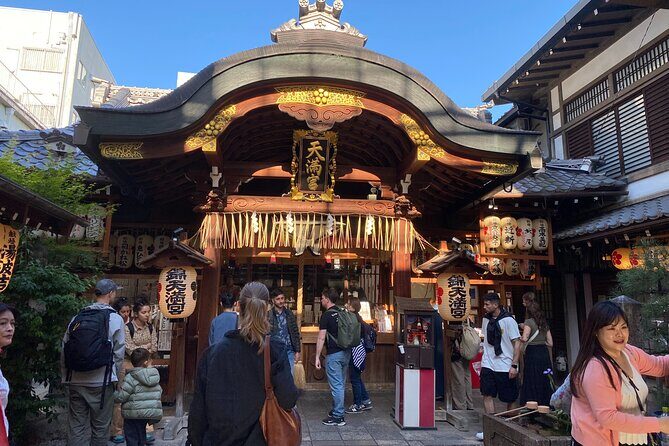
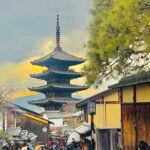
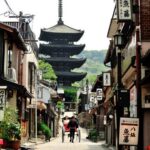
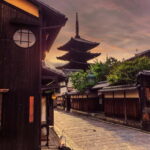
After Kodai-ji, you reach Yasaka Pagoda, officially Hōkan-ji Temple. This is a highly recognizable Kyoto landmark: a five-story pagoda, originally built in the 6th century.
This stop is about 30 minutes with free admission listed for the experience. The pagoda itself gives you a clear visual anchor. You don’t have to “learn to look” as much as you do at some more layout-heavy sites; you can see the tower, frame it with the street or surrounding structures, and then take in the setting.
The main advantage of including this as its own stop is pacing. After Kodaiji’s more contained feel, the pagoda gives you a landmark moment where you can reset your eyes and camera hand before moving toward the day’s biggest crowds.



Kiyomizu-dera: the slope, the stage, and why it’s always on the list
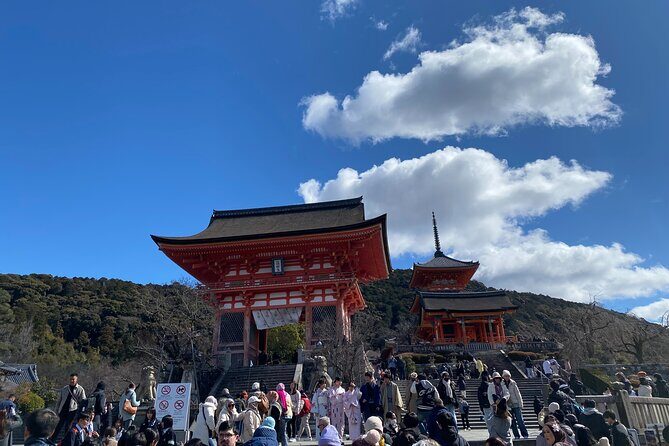
Your route then reaches Kiyomizu-dera, one of Kyoto’s best-known Buddhist temples. It sits on the slopes of Mount Otowa in eastern Kyoto. It was founded in 778, and it’s famous for its large wooden stage (the kind you see in countless images).
This is about 30 minutes, and admission is included. For value, this is important: Kiyomizu-dera is the kind of site where the ticket line and ticket process can eat up time. Having it handled means you can focus on the architecture and the views instead of adding stress.
What you’ll likely notice here is the way Kiyomizu-dera “reads” from different angles. Even if you only have a short window, the temple’s position on the mountain slope makes it feel less like a flat stop and more like a viewpoint you reach.
Practical tips:
- Keep an eye on your footing. The area is active, and surfaces can be slick or uneven.
- If you want the best photos, you’ll need to be patient and pick your moment—your guide can help you plan where to stand within your time window.
Fushimi Inari Taisha: torii tunnels and how to enjoy your full hour
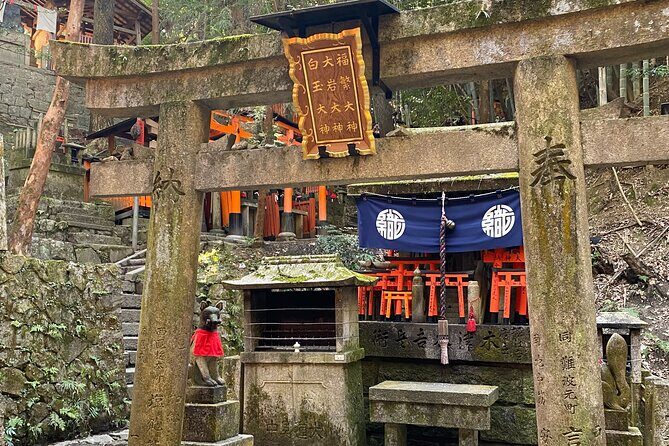
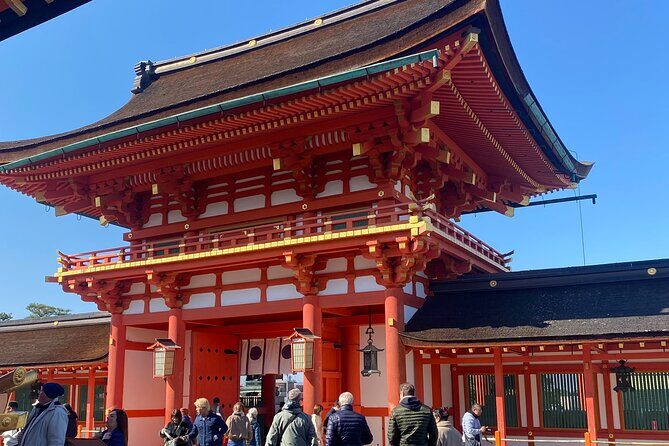
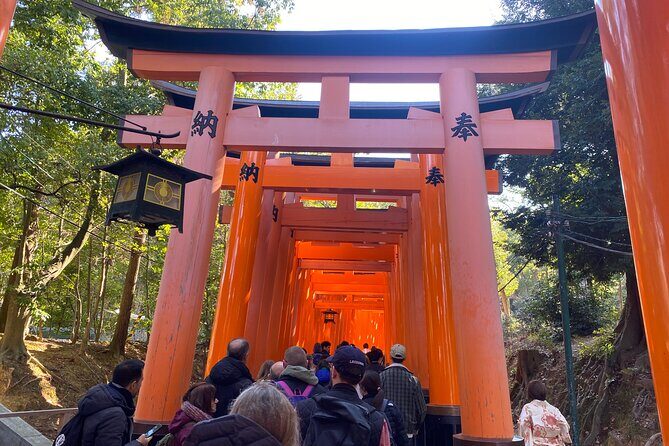
Finally, the tour ends at Fushimi Inari Taisha, Kyoto’s icon of thousands of red torii gates winding up Mount Inari. This stop is about 1 hour, and admission is listed as free.
A full hour is the right amount for most people. It’s long enough to walk through the gate-lined paths and feel the rhythm of the climb, but short enough that you’re unlikely to burn your entire day before you even reach your next meal.
You’ll want to think about what you want from Fushimi Inari:
- If you want atmosphere and photos, you can spend time moving through the torii corridor areas.
- If you want views and a bigger physical challenge, you can go higher at your own pace while still staying within the tour’s time.
Tip: bring water, wear good shoes, and keep your eyes on the steps. The climb is part of the experience, but it’s not a casual stroll.
The tour finishes at Fushimi-Inari Station, described as a short walk from the shrine. The station is on the Keihan Line, which makes it straightforward to continue elsewhere in Kyoto.
Price and value: what $78.04 includes, and what to budget
The tour is priced at $78.04 per person for about 4 hours. That number starts to make sense when you look at what’s already covered.
Included:
- All guide costs and a personal guide setup
- Admission fees for Kodai-ji and Kiyomizu-dera
Not included:
- Train transportation (listed as ¥220 per person)
- Meals and drinks
There’s also mention of group discounts and a mobile ticket, which can reduce friction on the day you arrive.
Here’s the simple way to judge value: if you were planning to visit Kiyomizu-dera and Kodai-ji anyway, this tour removes two ticket-admission tasks from your day. Add in that you get an expert guide and a logical route across Gion and Higashiyama, and the $78.04 can feel like more than just “a walk”—it’s bought time and saved decision effort.
If you’re on a tight budget, you’ll still want to carry cash for food and plan your train hop using the listed ¥220 estimate. But compared with piecing everything together yourself, this is often easier.
What it feels like with Tomoki-style guidance
One standout from the experience details is the way the guide shapes your attention. In one account, the guide—named Tomoki—linked historic sites with modern architecture. That’s not a small thing. In Kyoto, the old and new sit side by side, and it helps when someone can point out what changed and what stayed.
Tomoki also shared ideas about traditional sweets and matcha. That gives you something practical for after the tour. You’re not just seeing places; you’re getting a mini map in your head of what to look for when you’re choosing snacks and treats later.
There’s also an emphasis on pace. The tour adjusts to the group’s rhythm, which is what you want on uneven streets and stair-heavy stretches like Fushimi Inari. If you’re someone who hates being rushed, a small-group approach is a big plus.
Who this tour suits best
This tour makes the most sense if you:
- Want a small group format and a clear route without constant map-checking
- Like balancing famous Kyoto stops with context that makes them feel connected
- Plan to cover Gion and Fushimi Inari in one half-day and finish near Fushimi-Inari Station
It may not be your best fit if you’re craving long, slow stays at each site, or if you prefer to explore Kyoto completely on your own with zero structure. The schedule is efficient, and the walking is real.
Should you book Sparrow Travel’s Gion and Fushimi Inari half-day?
I’d book this if you want Kyoto to feel organized on Day 1 or Day 2, and you still want the big moments—Gion atmosphere, Kiyomizu-dera, and the red torii climb at Fushimi Inari. The included admissions for Kodai-ji and Kiyomizu-dera help the value, and the small group size makes the pace feel more comfortable.
You should think twice if stairs and crowds stress you out. Fushimi Inari is the physical test, and the historic east side can be busy. But if you’re prepared with good shoes and a realistic mindset, this is a solid way to get oriented and leave with a much clearer sense of how Kyoto’s east side fits together.
FAQ
What is the duration of the tour?
The tour runs for about 4 hours.
How much does the tour cost?
The price is $78.04 per person.
What’s included in the tour price?
The tour includes all guide costs, a personal guide, and admission fees for Kodai-ji and Kiyomizu-dera.
Are any admissions free on this route?
Yasaka Shrine, Yasaka Pagoda (Hōkan-ji), and Fushimi Inari Taisha are listed as free admission within the tour. (Kodai-ji and Kiyomizu-dera are included admissions.)
Do I need to pay for transportation separately?
Yes. Train transportation is listed as ¥220 per person and is not included.
Where does the tour start and end?
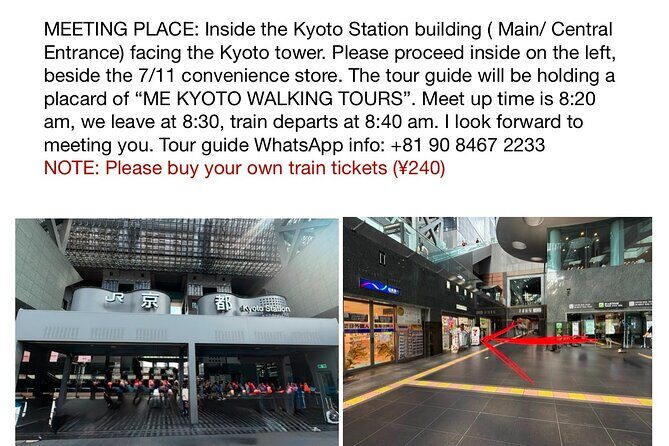
It starts at Minamiza Theater in Higashiyama and ends at Fushimi-Inari Station near the shrine.
What is the cancellation policy?
There is free cancellation. You can cancel up to 24 hours in advance for a full refund, and cancellations within 24 hours are not refunded.