REVIEW · GEISHA & MAIKO TOURS
Geisha culture & Kiyomizu area Guided Walking Tour in Kyoto
Book on GetYourGuide →Operated by Mashberry Tourism · Bookable on GetYourGuide
Kyoto at walking pace is the best kind. This Geisha culture and Kiyomizu area guided tour turns familiar streets into stories you can actually use as you explore the city. You’ll connect temple architecture, neighborhood life, and the meaning behind terms like geiko and meiko—without feeling like you’re sitting through a lecture.
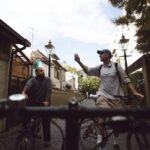
What I liked most is how personal the storytelling feels, especially with guide Lily. She’s lively, fun to talk with, and she checks in so you’re not just following along—you’re understanding what you’re seeing.
One thing to plan for: it’s a 2-hour walk with some stairs, and you shouldn’t count on seeing geisha in person. Even when you’re learning the culture well, appearances on the street aren’t guaranteed.
In This Review
- Key things to know before you go
- A Kiyomizu-area tour that makes Kyoto make sense
- Meeting at the right spot (and how to not waste time)
- Walking time, stairs, and the pace you can actually handle
- Shrines and temples: what you’ll learn as you see them
- Geiko and meiko culture, explained in plain language
- Photo stops that don’t feel like interruptions
- The guide factor: energetic, curious, and question-friendly
- Optional add-on: extended Chion-in temple visit
- Value for $39: why the price feels fair
- Who this tour is best for (and who might want another plan)
- Practical tips so you get the most out of the walk
- Should you book this Kyoto Geisha & Kiyomizu walking tour?
- FAQ
- How long is the main walking tour?
- Is there an option to visit Chion-in temple?
- Where do I meet the guide?
- What are the photography rules?
- What language is the tour in?
- Is the tour suitable for wheelchair users or mobility impairments?
Key things to know before you go
- English-language guide focused on Geisha culture and Kyoto traditions
- 2 hours of walking with some stairs and a photo-friendly pace
- Photo breaks built in, plus plenty of time to take pictures
- Optional Chion-in extension (40–50 minutes more, 1,000 yen per person)
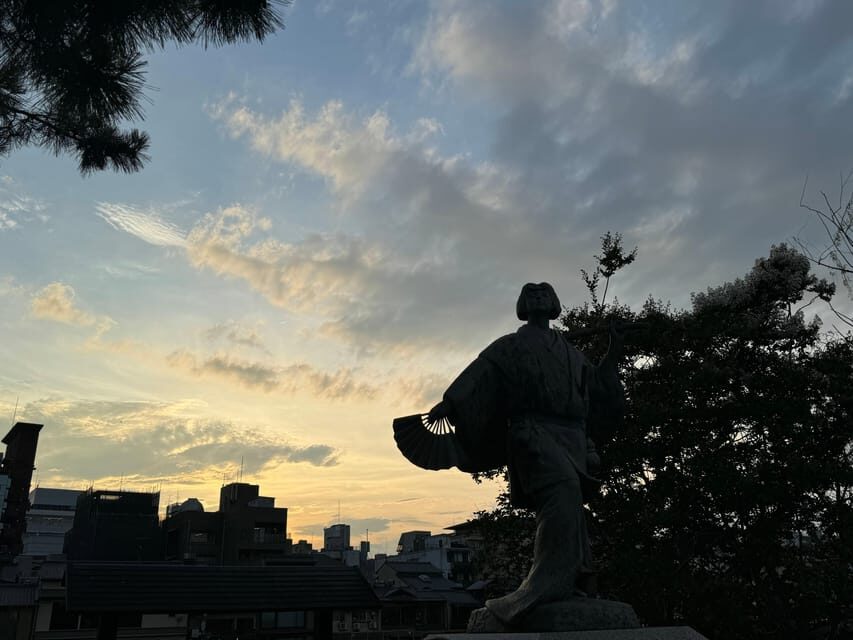
- Practical meeting point by the Yajikita statue near Sanjyo Street and Kamogawa path
- No video recording; photography is allowed with respectful, permission-first habits
A Kiyomizu-area tour that makes Kyoto make sense
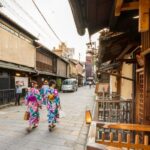
If Kyoto feels confusing when you first arrive, this kind of tour is a shortcut. You’re moving through the Kiyomizu area while your guide explains what these shrines and temples mean—not just what they look like. That context sticks when you go back later on your own.
I also love that the tour mixes big ideas with small moments. You get guided talk about customs and architecture, then you have time to stand where the light and angles are best for photos. It’s the rare setup where you’re learning and still enjoying the street-level atmosphere.
You can also read our reviews of more walking tours in Kyoto


Meeting at the right spot (and how to not waste time)
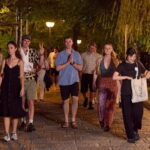
You meet in front of the Yajikita statue at the intersection of Sanjyo Street and the Kamogawa path. There’s a Lawson near the spot and a Starbucks right in front—so it’s pretty easy to orient yourself.
The tour ends back at the meeting point, which is handy if you’re trying to keep your day simple. Just make sure you’re not late: you’ll start walking, and there’s a note that it will be a while before your first break. If you need the restroom, go before the start.
Walking time, stairs, and the pace you can actually handle
This is a shorter walking tour: 2 hours of walking. Expect some stairs along the way, so comfortable shoes are not optional. The route also runs through weather you can’t control, so bring an umbrella or raincoat if rain is possible.
I found the way it’s set up to be a good fit for active sightseeing without turning into a forced march. There’s a break during the tour, and the schedule includes plenty of time for photos at photogenic spots. That matters in Kyoto, where a five-minute pause can be the difference between good pictures and rushing through.
Shrines and temples: what you’ll learn as you see them
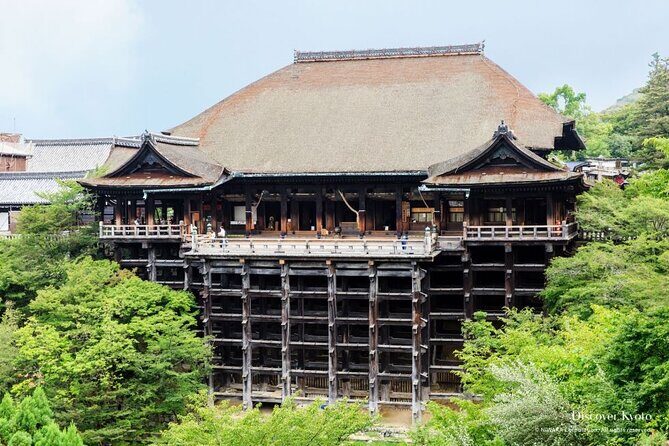
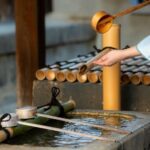
You’ll visit historic, beautiful shrines and temples in the heart of Kyoto. Since the tour is focused on interpretation, your guide will connect the design details to the culture—things like how architecture reflects beliefs, and how traditions shape daily life around these sites.
Here’s what that adds up to for you: you won’t just be checking boxes. You’ll be able to look at a gate, an approach path, or a main hall and explain what you’re noticing. That’s when Kyoto stops being a list of monuments and starts becoming a place with logic and rhythm.
Also, the tour aims to include lesser-known stops so you get a more intimate look at local life. That’s a big part of why these guided strolls feel different from the big, standard bus-trip routes.
Geiko and meiko culture, explained in plain language
This is the part you’ll care about most if you’re curious about Geisha culture. The tour is designed for people who want to understand geiko and meiko—how they fit into Kyoto tradition and what roles they historically played in arts and social life.
In practice, it means your guide isn’t only pointing out temples. She’s linking what you see to the cultural story. One reviewer highlighted how the guide made the connection between Kyoto’s past and Geiko/Meiko culture in a way that felt personal, not scripted.
A quick reality check: if your goal is to spot geisha on the street, don’t build your whole day around it. One review specifically said they didn’t see any geisha, even though they learned a lot about the culture. This tour is about understanding the world behind geisha—not guaranteeing you a sighting.
You can also read our reviews of more guided tours in Kyoto


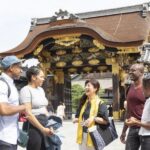


Photo stops that don’t feel like interruptions
Kyoto photography can turn chaotic fast if you’re always racing the group. This tour handles it better by building in photo time. You’ll stop at multiple photogenic locations, and the guide will share details while you’re there—so your pictures come with meaning, not just memories of pretty buildings.
One important rule: video recording isn’t allowed. Photography is allowed, but you should ask permission before taking photos of people. That’s also good travel manners, and it helps you avoid awkward moments when the street is busy.
Tip for getting better photos: wear shoes you can walk in for long stretches. When you’re comfortable, you’ll naturally slow down, frame shots more carefully, and wait for the right moment without stress.
The guide factor: energetic, curious, and question-friendly
The guide experience is a standout here. Reviews describe the guides as friendly and energetic, with real passion for Japanese history and Geisha culture. One review called out that the guide felt like she genuinely cared about making it memorable, including checking in throughout the tour.
If you like asking questions, this tour tends to suit you. You’ll get space to ask about what you’re seeing, and your guide will connect answers back to the sites and customs around you. That back-and-forth is where the tour becomes more than a walk.
And yes, guide names matter: Lily was specifically mentioned for making the tour super interesting and for being open to questions. If you’re reading this while planning your dates, that’s a good sign you’ll be in for conversational, not robotic, guiding.
Optional add-on: extended Chion-in temple visit
If you want more time at one of Kyoto’s major spiritual sites, there’s an optional extension. An extended Chion-in temple visit adds about 40–50 minutes. It costs 1,000 yen per person on the day.
Think of this as your choice of depth. If your schedule is tight or you already know you want to keep moving, you can stay with the main 2-hour walk. If you want a fuller temple experience and don’t mind more time on your feet, the Chion-in add-on is a strong way to get extra value from your guide’s explanations.
Because the extension is offered on the day, it’s also a good hedge. If you feel like you’re enjoying the storytelling and want more context, you can commit. If you’re tired, you can stay on the simpler plan.
Value for $39: why the price feels fair
At $39 per person, this is one of those tours that feels priced for people who want quality without sinking half a day into logistics. You’re paying for two things that are hard to replicate on your own when you first arrive: interpretation and pacing.
The tour includes a professional guide, time for photos, and a structured route that takes you through shrines and temples while explaining why each stop matters. Add in the optional Chion-in extension and your per-hour value stays strong—especially if you’re the type who learns faster with a human guide than with a phone app.
If you’re visiting Kyoto for the first time, a guided walking tour like this often beats the DIY approach. It helps you understand what you’re looking at while you’re still building your mental map of the city.
Who this tour is best for (and who might want another plan)
You’ll likely enjoy this tour if:
- You want Geisha culture explained in context, not just trivia
- You prefer walking over buses
- You like structured photo stops and a guide who answers questions
- You want a short, high-impact activity that still feels authentic
You might want to choose something else if:
- You need a low-stair route, since the tour includes stairs
- You’re using a wheelchair or have mobility impairments, because it’s not suitable for wheelchair users
- You’re expecting a guaranteed geisha sighting on the street, because that’s not what this tour is built around
Practical tips so you get the most out of the walk
A few small things can make a big difference.
First, plan your comfort. Bring comfortable shoes and expect some stairs. Second, use your restroom before you start; the tour notes it will be a while before your first break.
Third, weather matters. Kyoto can shift quickly, so bring an umbrella or raincoat if needed. Fourth, be photo-conscious: video recording is off-limits, and photos of people require permission.
Finally, bring curiosity. This tour is better when you’re willing to ask questions and listen for what your guide is connecting between the streets, the shrines, and the cultural meanings behind them.
Should you book this Kyoto Geisha & Kiyomizu walking tour?
I think this is a smart booking if you want a Kyoto experience that’s short, guided, and story-driven. The strongest reasons are the Geisha-culture focus, the photo-friendly pacing, and the guide quality—especially with Lily mentioned for her passion and willingness to answer questions.
Book it if you’re aiming to understand geiko/meiko culture and you like walking through shrines and temples with clear explanations. Skip it or keep expectations flexible if you’re mainly chasing geisha sightings, or if stairs and mobility limits would be a problem for you.
If you’re on the fence, the optional Chion-in extension is a nice way to tailor the day. It’s also a good fit for travelers who want that extra temple time after the initial Kiyomizu-area stroll.
FAQ
How long is the main walking tour?
The main tour is 2 hours of walking. The pace includes a break and time for photos.
Is there an option to visit Chion-in temple?
Yes. An extended Chion-in temple visit can be added on the day for 40–50 minutes extra, and it costs 1,000 yen per person.
Where do I meet the guide?
You meet in front of the Yajikita statue at the intersection of Sanjyo street and Kamogawa path. There is a Lawson nearby and a Starbucks in front of it.
What are the photography rules?
Photography is allowed, but you should be respectful and ask permission before taking photos of people. Video recording is not allowed.
What language is the tour in?
The tour is offered in English.
Is the tour suitable for wheelchair users or mobility impairments?
No. It is not suitable for people with mobility impairments, and it is not suitable for wheelchair users.