REVIEW · EVENING EXPERIENCES
Kyoto: Gion & Geisha district evening tour
Book on GetYourGuide →Operated by DeepExperience, Inc. · Bookable on GetYourGuide
Geisha districts feel different after dark. This 150-minute evening walk turns Kyoto’s well-known streets into a calmer, story-led route where you can actually understand the world of geiko and maiko instead of just looking at buildings. I especially like the way the guide explains what you’re seeing and why it matters, and I like that going at night often means fewer people to dodge on narrow lanes.
One thing to consider: a tour like this can’t guarantee you’ll spot geisha every minute, since privacy comes first and sightings depend on the evening.
In This Review
- Key highlights to look forward to
- Kyoto’s geisha world looks better at night
- Meeting at Izumo-no-Okuni: start easy, find your guide fast
- Gion Shirakawa: where the geisha districts start to make sense
- Practical note for your expectations
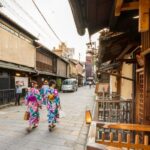
- Hanamikoji Street: the classic lane with real stories behind it
- Why the guide matters on Hanamikoji
- Miyagawasuji / Miyagawacho: a quieter stop that teaches the “district map”
- Yasui Konpiragu Shrine: the relationship shrine stop you’ll remember
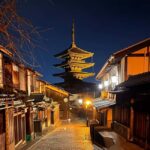
- Yasaka Pagoda, Ninenzaka, and Ishibe Alley: the closing stroll in old Kyoto
- Yasaka Shrine finish: end with an anchor point
- Price and value: $64 for 150 minutes, and when it’s worth it
- What to do with your camera (and your manners)
- Who should book this geisha evening walk
- Should you book Kyoto: Gion & Geisha district evening tour?
- FAQ
- What is the duration of the tour?
- How much does the tour cost?
- Where do I meet the guide?
- How will I recognize my guide?
- What areas will the tour cover?
- Is food included?
- What languages are offered?
- Is photography allowed everywhere?
- Can I cancel, and is it flexible?
- Is this tour private?
Key highlights to look forward to
- Explain-it-like-you’re-from-the-neighborhood guide: you’ll get context for the geisha world as you walk.
- Gion Shirakawa and Hanamikoji: the classic photo streets, timed for a more peaceful evening feel.
- Miyagawacho: a quieter geisha district stop that helps you see the map of Kyoto’s traditions.
- Yasui Konpiragu Shrine: a relationship-linked stop that adds meaning beyond sightseeing.
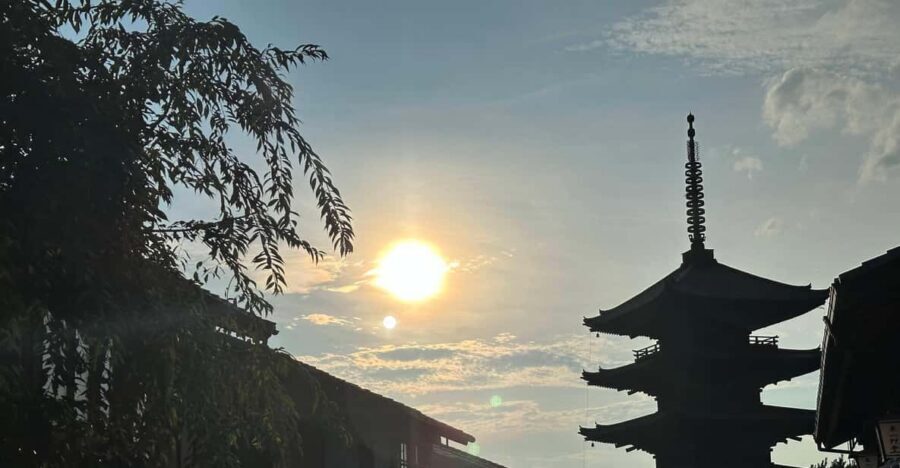
- Yasaka Pagoda to Ninenzaka and Ishibe Alley: a scenic closing stroll into iconic old-street Kyoto.
Kyoto’s geisha world looks better at night
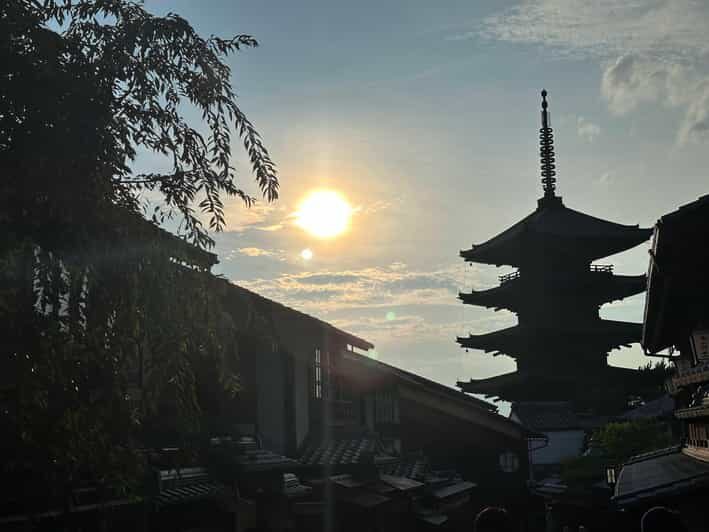
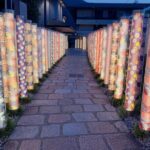
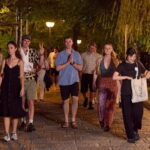
Kyoto at night has a different tempo. The sidewalks feel slower, the light softens the stone and wood, and the streets stop being a constant photo line. That matters for this experience, because the point isn’t only seeing old buildings. It’s understanding the social world behind them.
This is a guided evening walk through Kyoto’s historic geisha districts, built around short stops and explanations while you’re moving. You’ll start near Shijo Ohashi, at the Statue of Izumo-no-Okuni, then work your way through Gion and on toward Yasaka Shrine. It’s the kind of route where you don’t just collect sights—you learn how to read the place.
Two things consistently help make the experience land well. First, the guide’s stories turn everyday details (like where people gather, how the districts function, and what specific shrines symbolize) into something you can remember. Second, the night timing makes the streets feel more human. You’re not sprinting through crowds; you’re walking with space.
If you’re mainly chasing the biggest, loudest nightlife vibe, this isn’t that. But if you like atmosphere, etiquette, and learning while you walk, you’ll probably enjoy the feel a lot.
You can also read our reviews of more evening experiences in Kyoto
Meeting at Izumo-no-Okuni: start easy, find your guide fast
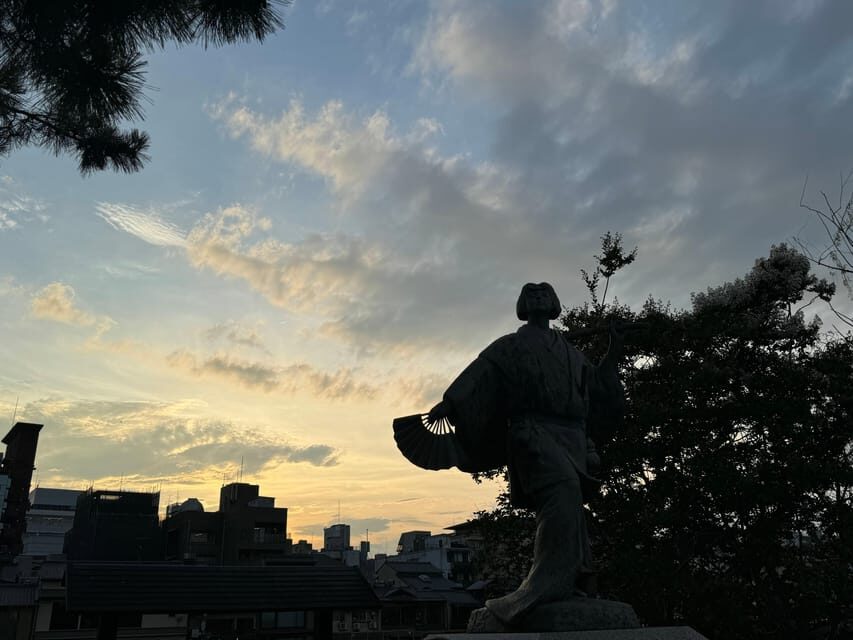
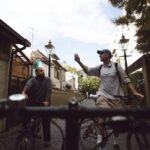
Your meeting point is simple: stand in front of the Statue of Izumo-no-Okuni. Your guide will hold a yellow sign with the DeepExperience logo, so you shouldn’t have trouble identifying them.
Plan on a little pre-walk buffering time. Evening tours depend on being ready when you meet. With a 150-minute total duration and multiple short walking segments, late arrivals can shorten the explanations at each stop.
Also, treat this as a walking-first experience. Comfortable shoes are a must. The route runs through older streets and sloped lanes around the geisha districts and the Yasaka area, so you want traction and real comfort.
Finally, remember the tone: this walk is about respect. That affects what you do with cameras and how you behave when you come near the neighborhoods where geiko and maiko live their lives.
Gion Shirakawa: where the geisha districts start to make sense
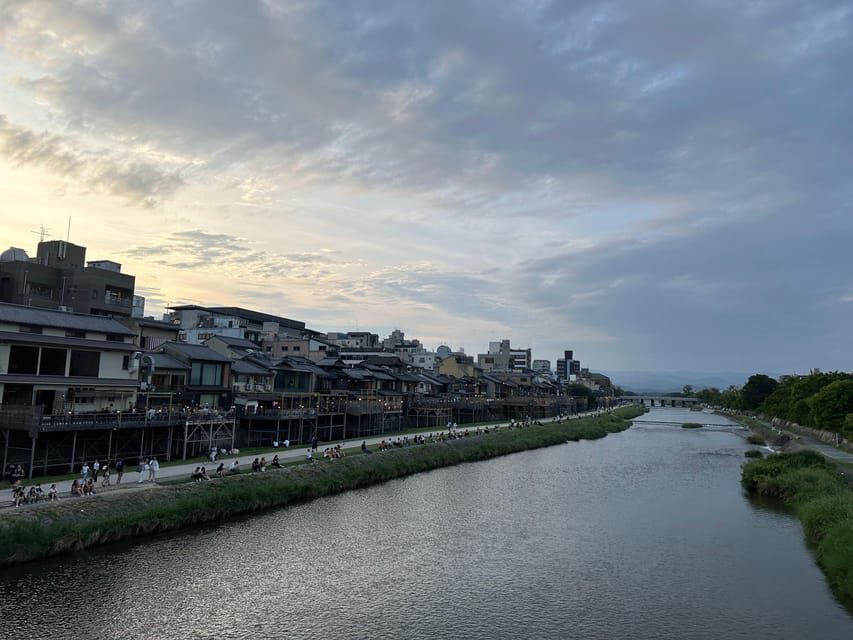
Gion is the name most people know first. On this tour, you’ll get introduced to the world behind the name at Gion Shirakawa, including time for guided context and a slow look at the streetscape.
What I like about starting here is that the guide can connect the geography to the culture. You’re not only spotting traditional teahouses. You’re learning how geisha-related communities work, and what certain street patterns and locations suggest about daily life.
Gion Shirakawa is famous, but that doesn’t automatically mean it’s easy to understand. The guide helps you notice things you might miss on your own—like the difference between simply walking past a district and actually reading it.
Practical note for your expectations
Even with all the right context, you might not see geiko or maiko on the sidewalk every few minutes. That’s not because the tour is failing—it’s because these are private lives, and respectful behavior is part of the experience. The best mindset is: you’re there to learn and to observe quietly, not to force a sighting.
Hanamikoji Street: the classic lane with real stories behind it
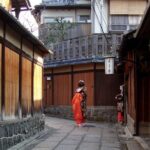
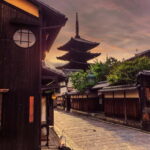
After Gion, the route shifts to Hanamikoji Street, one of Kyoto’s best-known geisha lanes. This is where the mood can feel more theatrical—wooden facades, old-street geometry, and the sense that you’re inside Kyoto’s memory.
What you’ll gain here (if you go in with the right attitude) is understanding. The guide’s explanations help you place what you’re seeing into the broader geisha world—how the districts relate to each other and how tradition lives in daily rhythm rather than in a museum box.


Why the guide matters on Hanamikoji
If you walk Hanamikoji without context, it can be easy to treat it like a set. With a guide, it becomes a place you can interpret. You learn what to look for, what to ignore, and how to stay respectful when the street feels quiet but private.
There’s also a reality check: this area is still a working neighborhood. So if you’re hoping for constant, close-up sightings, temper that expectation. You’ll likely get more value by paying attention to the cultural notes and the choreography of the street.
Miyagawasuji / Miyagawacho: a quieter stop that teaches the “district map”
Not every geisha district gets the same spotlight. This tour intentionally includes Miyagawasuji (connected with Miyagawacho) to show you another side of Kyoto’s preserved geisha culture.
I like this part because it stops the experience from being one-note. If you’ve only seen Gion-style streets, adding Miyagawacho helps you understand Kyoto’s layout. It’s like getting a second angle on the same subject, so the story feels broader instead of repetitive.
This stop also tends to feel calmer. Even if it’s still a famous area, it can feel more peaceful to walk through at an evening pace. That gives you time to absorb the guide’s points without the sense that you’re rushing between photo targets.
Yasui Konpiragu Shrine: the relationship shrine stop you’ll remember
One of the most interesting moments on the tour is the visit to Yasui Konpiragu Shrine, described as a special place tied to relationships. That kind of detail changes how you think about the whole walk.
Shrines in Kyoto aren’t just pretty waypoints. They’re part of how people understand life events, wishes, and social bonds. Adding this stop gives the evening walk meaning beyond “old streets and traditional costumes.”
You’ll spend time there with guided context, which is exactly how you should experience a shrine stop. Pause, look, listen. If you’re the type who normally powers through religious sites for photos, slow down here. This is the part that can turn your mental bookmark into something more personal.
Yasaka Pagoda, Ninenzaka, and Ishibe Alley: the closing stroll in old Kyoto
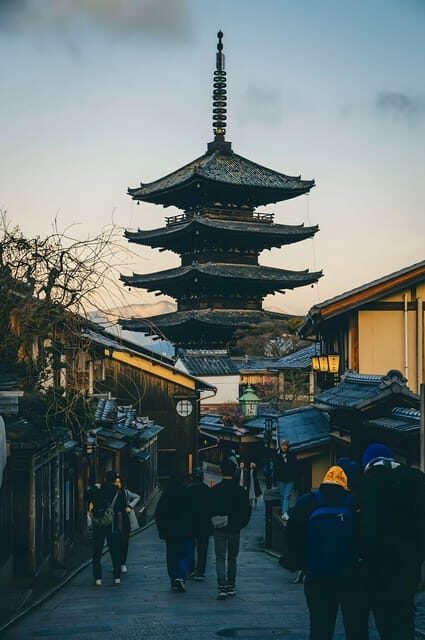
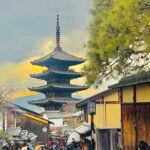
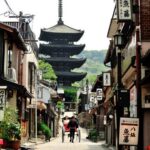
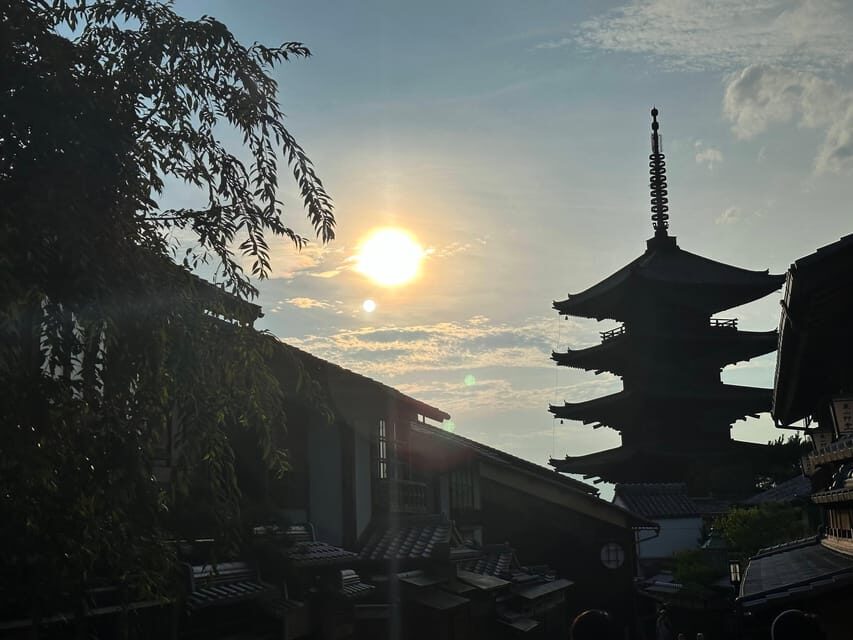
The tour doesn’t end in just one busy hotspot. After the shrine, you take a scenic walk past Yasaka Pagoda, then through Ninenzaka and Ishibe Alley, and finally arrive at Yasaka Shrine.
This final stretch is valuable for two reasons.
First, it gives you a smoother end to the night. You’re not just repeatedly circling geisha lanes. You move through classic Kyoto streets with their own atmosphere, including the layered stone-lane feeling that many people associate with traditional Kyoto scenery.
Second, it helps you connect districts. Geisha neighborhoods and temple-shopping streets might look like separate worlds. Walking between them with a guide helps you see they’re part of one geographic and cultural evening flow.
Ninenzaka and Ishibe Alley can feel like a living postcard, but the guide’s context helps you notice the structure of the area—how lanes funnel movement and how old architecture frames the evening.
Yasaka Shrine finish: end with an anchor point
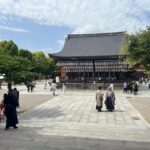
You wrap up at Yasaka Shrine, which is a major cultural site in the area. Ending here is practical: it’s a recognizable destination, and it sets you up to either keep exploring nearby or head back with confidence about where you are.
More than that, ending with a shrine reinforces the tour’s theme: Kyoto tradition isn’t only visible in districts like Gion. It’s also present in key religious landmarks that shaped how people lived and celebrated.
If you like evenings that end with a sense of place—standing at a meaningful location rather than simply dissolving into street traffic—this finish is a good match.
Price and value: $64 for 150 minutes, and when it’s worth it
At $64 per person for about 150 minutes, this tour sits in the mid-range for Kyoto guided experiences. The question is what you get for that price.
Here’s the honest value argument:
- You’re paying for a local guide who explains the geisha and maiko world while you walk, rather than doing guesswork on your own.
- You’re also paying for a route that hits multiple areas—Gion Shirakawa, Hanamikoji, Miyagawacho, Yasui Konpiragu Shrine, then Yasaka Pagoda / Ninenzaka / Ishibe Alley—in one organized evening.
- Finally, the tour is private group, which can make a difference. A smaller group is usually easier to manage on narrow streets, and it helps you keep the mood respectful.
When might it feel overpriced? If your main goal is just to take photos and you’re staying right in Gion, you can absolutely wander these streets on your own for less money. One guest even felt the same way: pretty streets, but a tour that didn’t include food and didn’t guarantee geisha sightings.
My advice: treat this as a knowledge-and-context purchase. If you want someone to help you understand what you’re seeing—especially the relationship-focused shrine stop and the district comparisons—then it can be a solid spend.
What to do with your camera (and your manners)
This tour is about respectful viewing. The information you’re given includes a key warning: photography may not be allowed in certain areas. That’s common in places where privacy matters.
So here’s how to handle it smartly:
- If you’re unsure, keep your camera away until your guide indicates what’s okay.
- Don’t block walkways to shoot.
- Give people space, especially in narrow lanes.
Also: be ready for the fact that geiko and maiko keep their routines private. Even if you’re in the right district at the right time, you still might not see them. The real win is the explanation and the street understanding you take home, not forcing a “must see” checklist.
Who should book this geisha evening walk
This is a great fit if you:
- enjoy guided explanations instead of self-guided wandering
- want to see Kyoto’s geisha districts at night for a calmer feel
- like cultural stops with meaning, not just streetscapes
- value a smaller, private group format on narrow old streets
- are traveling with family and appreciate a guide who can keep the tone engaging (one guide, Yurie, was specifically praised for patience with a tween and teen)
You might skip it if you:
- expect guaranteed geisha sightings
- only want photos and minimal walking time
- don’t like paying for a guided narrative when you could self-walk easily from your hotel
Should you book Kyoto: Gion & Geisha district evening tour?
I’d book this if you want an evening that feels respectful, story-led, and structured—especially if you care about understanding what geisha and maiko represent in Kyoto, and you’re interested in more than just the main Gion stretch. The pairing of geisha district walking with Yasui Konpiragu Shrine and the classic closing lanes toward Yasaka Shrine makes it feel like a full Kyoto evening, not a quick loop.
I’d think twice if you’re extremely price-sensitive and you’re staying nearby, or if your whole goal is to spot geisha for photos. This tour is built for learning and observation, not for guaranteed celebrity-style sightings.
If that sounds like your vibe, you’ll probably enjoy it a lot.
FAQ
What is the duration of the tour?
The tour runs for 150 minutes (about 2.5 hours).
How much does the tour cost?
It costs $64 per person.
Where do I meet the guide?
Meet in front of the Statue of Izumo-no-Okuni.
How will I recognize my guide?
The guide will be holding a yellow sign with the DeepExperience logo.
What areas will the tour cover?
You’ll walk through Gion Shirakawa, Hanamikoji Street, and Miyagawacho, with a stop at Yasui Konpiragu Shrine, plus a scenic walk past Yasaka Pagoda through Ninenzaka and Ishibe Alley, finishing at Yasaka Shrine.
Is food included?
No. Food and beverages are not included.
What languages are offered?
The live tour guide is available in Japanese and English.
Is photography allowed everywhere?
Photography may not be allowed in certain areas, so follow your guide’s instructions and be respectful of privacy.
Can I cancel, and is it flexible?
Free cancellation is available up to 24 hours in advance for a full refund.
Is this tour private?
Yes. It’s listed as a private group.