Kyoto looks different on two quiet wheels. This private e-bike tour helps you glide past quiet alleys and temple lanes while a guide tailors stops to what you care about, and I like how the ride stays easy even when you’re hopping between big sights and smaller side streets. My favorite part is the clear storytelling at each stop, with Buddhist and Shinto context in plain language; the one drawback to plan for is that some temple entry fees and any snacks or sweets at stops are not included.
Expect photo-friendly moments without turning your day into a sprint. You’ll pause near major landmarks like Kiyomizudera and Chion-in, then shift into calmer Kyoto rhythms along the Kamogawa River and through older neighborhood lanes. The day runs about 3 to 5 hours, and on hot weather days the pace can stretch a little, because the guide builds in breaks and a relaxed tempo.
In This Review
- Key highlights at a glance
- Why a private e-bike makes hidden Kyoto feel doable
- Kiyomizudera viewpoint: your city-wide orientation moment
- Chion-in Sanmon Gate and Nanzen-ji outer grounds
- Chion-in Temple: the Sanmon Gate that sets the tone
- Nanzen-ji: calm outer grounds and the Sanmon Gate views
- Heian Jingu’s torii and Hanamikoji: iconic Kyoto without the stress
- Heian Jingu’s massive torii gate
- Hanamikoji Street in Gion: history you can actually walk through
- Kamogawa stepping stones and Shimogamo Jinja’s forest calm
- Kamogawa River stepping stones: a Kyoto rhythm
- Shimogamo Jinja: older shrine energy in a UNESCO setting
- Demachi Futaba wagashi and Somei Well: small stops with real character
- Demachi Futaba: wagashi shop time (and sweet temptations)
- Somei Well: the simple water detail that anchors the city
- Kyoto Gyoen National Garden: the easy finish near the Imperial Palace
- Price and value: is $123.57 per person worth it?
- Who this Kyoto e-bike tour fits best
- Quick practical tips before you go
- Should you book this hidden Kyoto by e-bike tour?
- FAQ
- FAQ
- How long is the Hidden Kyoto by E-Bike tour?
- What is included in the price?
- Are temple and shrine entrance fees included?
- Are meals or drinks included?
- Is this tour private?
- What languages does the guide speak?
- What if the weather is bad?
- What’s the cancellation policy?
- How will I receive my ticket?
Key highlights at a glance
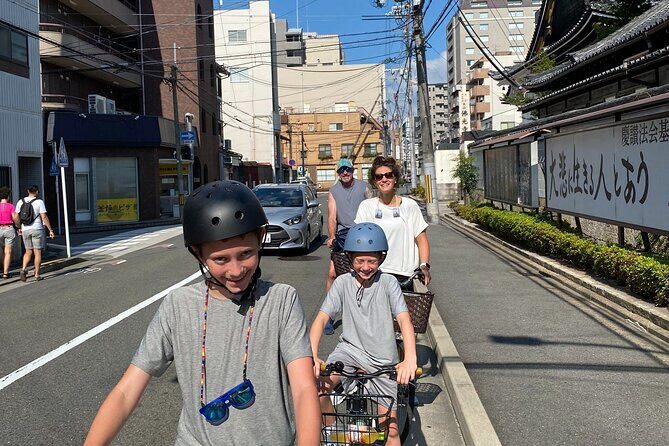
- E-bike that keeps Kyoto easy: pedal-assist power for hills and longer stretches without fatigue overload
- A guide who can customize your route: photography, history, or local culture focus, adjusted to your group
- Big gates and iconic views, plus quiet corners: you see the famous stuff and the calmer surroundings
- Clear Buddhist and Shinto explanations: from Sanmon Gate architecture to shrine traditions you can actually follow
- Great for families and first-time visitors: shorter hop-by-hop segments and a pace that works for kids
- Private tour feel, small-group vibe: only your group participates, so you can ask questions
Why a private e-bike makes hidden Kyoto feel doable
Kyoto can be a lot on foot. Even if you’re in good shape, the distances add up fast and crowds can turn every stop into a shuffle. An e-bike solves the hardest part: getting between sights without arriving already tired.
What I appreciate most is the way this works for your day. Instead of seeing a checklist of temples at whatever speed you can manage, you get a route that responds to you. Want more photography time? You’ll get pauses to frame shots. More into history and religion? Your guide can slow down where the story matters.
The e-bike also keeps the experience comfortable for mixed groups. The tour is described as suitable for most travelers, and the ride segments at each location give you frequent reset moments—off the saddle, standing in shade when available, and listening.
Two practical cautions:
- You’re still riding through real city areas with pedestrians, so keep your attention on the route and don’t treat it like a quiet countryside bike ride.
- Entry fees for some stops are optional, so if you want the full experience inside certain areas, you’ll want a bit of cash or card ready.
You can also read our reviews of more cycling tours in Kyoto


Kiyomizudera viewpoint: your city-wide orientation moment
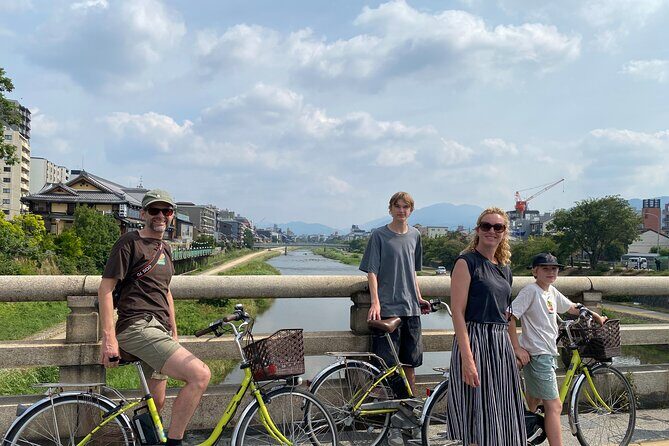
The day starts near Kiyomizudera Temple, one of Kyoto’s best-known landmarks. You’ll meet up with your guide in the area and get an introduction before you commit to whatever level of touring you want to do.
This first stop matters because Kiyomizudera is a perfect visual anchor. From the viewpoint area, you can get a sense of how Kyoto’s hills and districts sit together—like a living map. If you’re the type who likes to understand a city before you start wandering, this gives you that.
One big money note: the tour notes that the admission ticket is not included here. That doesn’t mean you’re locked out. It means you should decide what you want. If you’re happy staying at the outside viewpoint area, you can keep costs down. If you want to go deeper, budget for the entrance.
The other practical piece: this stop is a good time to start thinking about photos. The guide’s explanations help you photograph with context, not just as a postcard. And since the tour is private, you can ask for small adjustments—where to stand, what to watch for, how to best time your moment.
Chion-in Sanmon Gate and Nanzen-ji outer grounds
After Kiyomizudera, the route shifts to temple spaces that feel less like a rush and more like a slow walk through layers of atmosphere.
Chion-in Temple: the Sanmon Gate that sets the tone
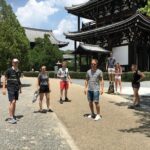
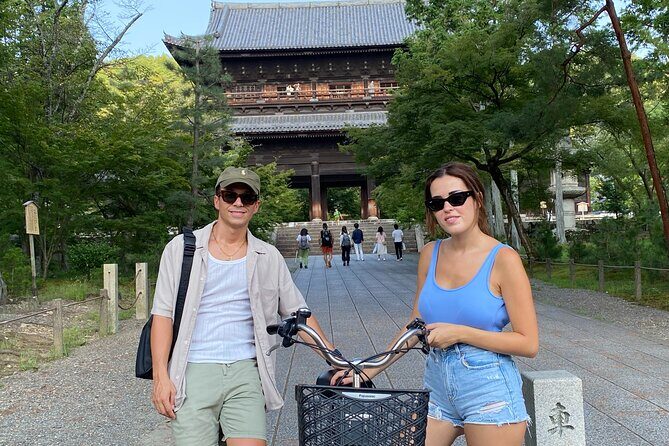
At Chion-in Temple, you pass the Sanmon Gate, described as the largest wooden gate in Japan. Even if you only spend around 15 minutes here, the structure is the kind of detail that resets your brain. You see the scale of Kyoto’s religious architecture, then you move inside to take in the main hall area.
This is a great stop for first-time visitors because you don’t need a deep background to get something from it. Your guide can explain what you’re looking at—what the gate represents, and what it means when you enter.
Admission is listed as free for this stop, so it’s a strong value moment.
Nanzen-ji: calm outer grounds and the Sanmon Gate views
Next comes Nanzen-ji Temple, focusing on the impressive outer grounds. You’ll start with another massive Sanmon Gate, including a chance to view Kyoto from its upper level.
Why this works on an e-bike day: outer grounds are exactly the kind of space where you can slow down without losing time. You get to feel the temple setting—open pathways, historical atmosphere, and the chance to look out—without forcing your schedule into long ticketed sections.
Again, this stop is free for the guided portion, which helps keep the day’s overall cost steadier.
You can also read our reviews of more private tours in Kyoto

Heian Jingu’s torii and Hanamikoji: iconic Kyoto without the stress
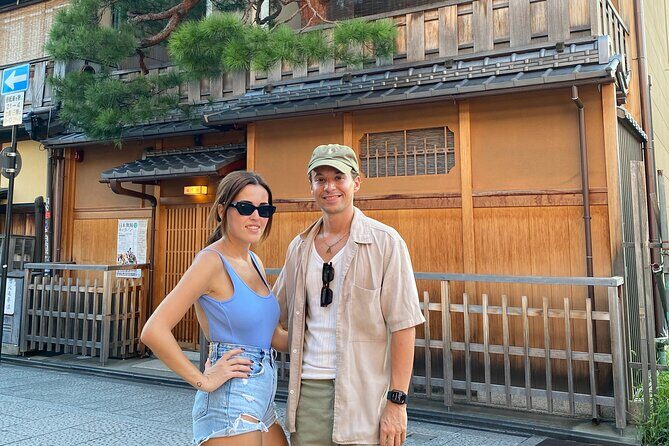
Kyoto’s most famous corners can feel crowded even at odd hours. This route tries to balance iconic sights with time to breathe.
Heian Jingu’s massive torii gate
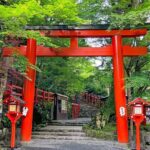
You stop at Heian Jingu Shrine Otorii, the striking vermilion torii gate noted as 24 meters tall. A torii gate is simple, but it’s also powerful: it marks a threshold. Standing here with your guide’s context makes it more than a photo stop.
This is a short stop—around 10 minutes—but the size of the gate means you don’t need long to get a strong experience. If you like architecture and symbolism, this moment pays off.
Hanamikoji Street in Gion: history you can actually walk through
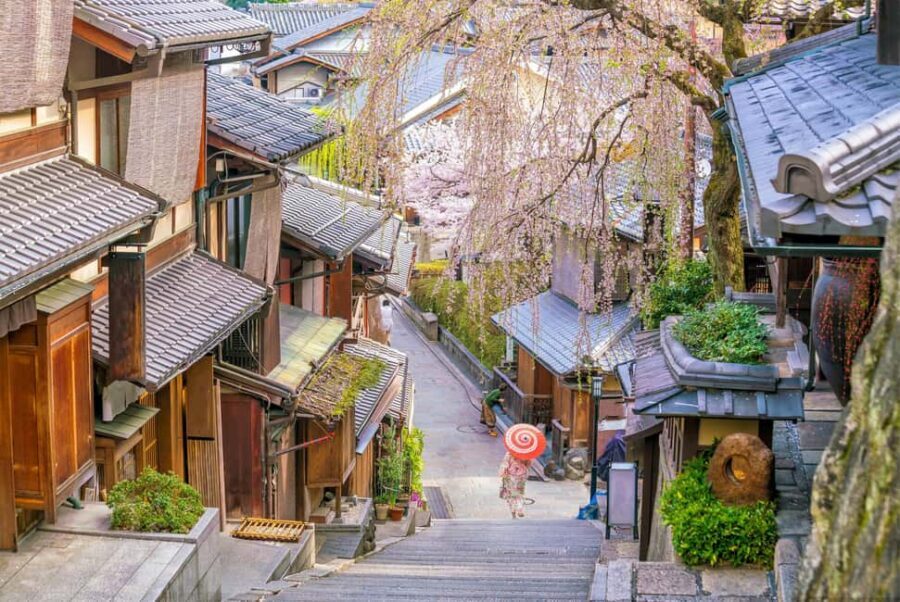
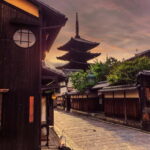
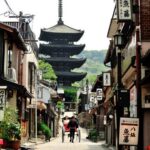
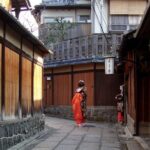
Then you pause on Hanamikoji Street, the historic cobblestone avenue in Gion. The guide shares stories about traditional wooden townhouses and geiko/geiko-related culture, so you’re not just looking at buildings—you’re understanding what makes the street work as a cultural corridor.
This is free and it’s brief, but it’s an important palate cleanser between larger temple spaces and the river later. You also get a natural photo window because you can step aside, look up, and frame the lane without needing to sprint.
Kamogawa stepping stones and Shimogamo Jinja’s forest calm
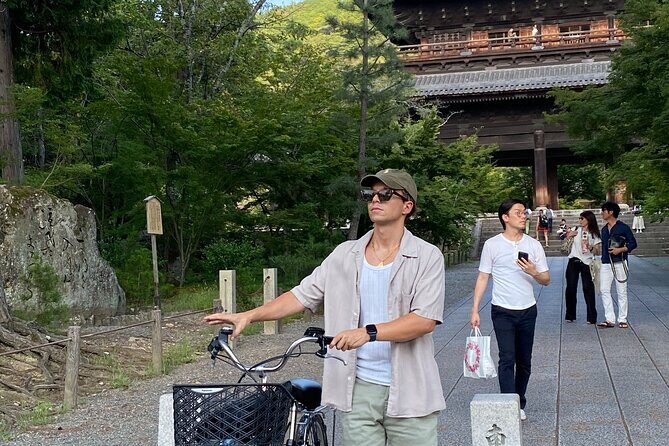
This is where the tour starts to feel truly different from a standard highlights loop. You move from famous religious architecture to Kyoto’s slower, greener, more local-feeling moments.
Kamogawa River stepping stones: a Kyoto rhythm
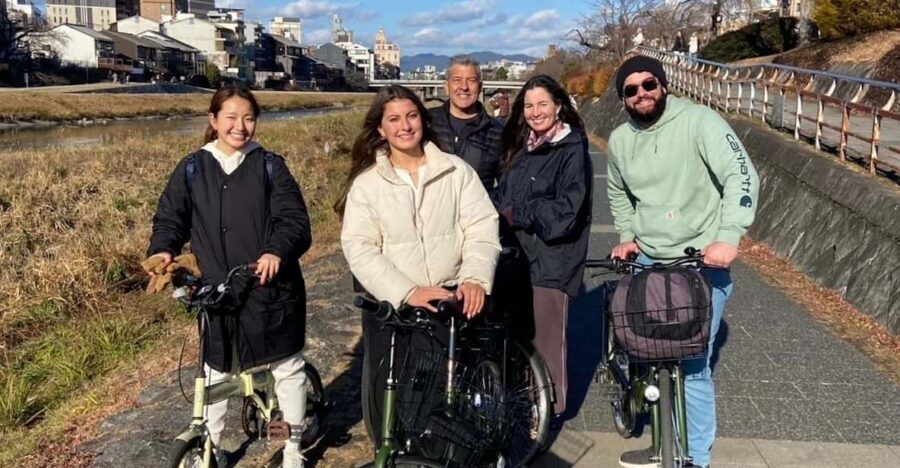
Your guide takes you to the Kamogawa River’s famous stepping stones—an easy-to-love Kyoto tradition where people cross carefully from stone to stone.
Even if you don’t plan to hop across, this stop is about atmosphere. The river view offers a quiet reset. It also gives you a chance to see how Kyoto looks when it’s not trying to perform for crowds.
It’s also a good time to slow down your pace after temple heavy sections. Your legs get a break, your eyes get relief, and you can let the city come to you.
Shimogamo Jinja: older shrine energy in a UNESCO setting
Next up is Shimogamo Jinja, one of Kyoto’s oldest and most important Shinto shrines, listed as a UNESCO World Heritage site. You’ll spend about 45 minutes here at the entrance area, with the surrounding forest adding a sense of stillness.
This is a stop I consider high value for people who want Kyoto to feel lived-in. Big tourist temples are great, but shrines like this often teach you the background mood of the city—how reverence and nature coexist.
The stop is free for the guided portion, which makes it a smart cost-conscious choice too.
Demachi Futaba wagashi and Somei Well: small stops with real character
Two of the most memorable moments on this route are the ones that feel slightly off the main axis—food culture and daily-life details.
Demachi Futaba: wagashi shop time (and sweet temptations)
You’ll visit Demachi Futaba, a historic wagashi shop known for traditional confections and a long legacy. The time on this stop is about 30 minutes, which is enough to browse, ask questions, and try something if you want.
Meals and snacks aren’t included, so any treat you buy here is extra. Still, this is exactly the kind of pause that turns a good tour into a memorable one. A sweet break also helps you pace your day: less rush, more tasting, more conversation.
If you’re traveling with kids, this is often the stop they remember, because it’s interactive and friendly without feeling staged.
Somei Well: the simple water detail that anchors the city
After the shop, you’ll stop at Somei Well, a historic water source near Kyoto Gyoen Park dating back to the early Edo period. You’ll spend a short time here, around 10 minutes.
It might sound like a minor detail, but water sources are an important part of how cities were built. When your guide explains why it mattered and how it’s used, you start seeing Kyoto as a system, not just a set of monuments.
This stop is free and brief, which is ideal when you don’t want the day to drag.
Kyoto Gyoen National Garden: the easy finish near the Imperial Palace
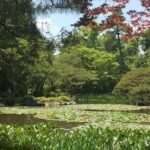
To close the tour, you’ll ride or pause through Kyoto Gyoen National Garden, the spacious area surrounding the Kyoto Imperial Palace.
This is where the day’s tone softens. Temples give you meaning and architecture. Streets give you culture and context. The garden gives you breathing room. It’s also a practical final stretch: it’s easier to enjoy without the intensity of ticketed entrances or dense crowd navigation.
You’ll spend about 30 minutes here, and your guide shares insights about the garden and its place in Kyoto’s story. The result is a calmer ending—like you’re leaving the city rather than just moving on to your next photo.
Price and value: is $123.57 per person worth it?
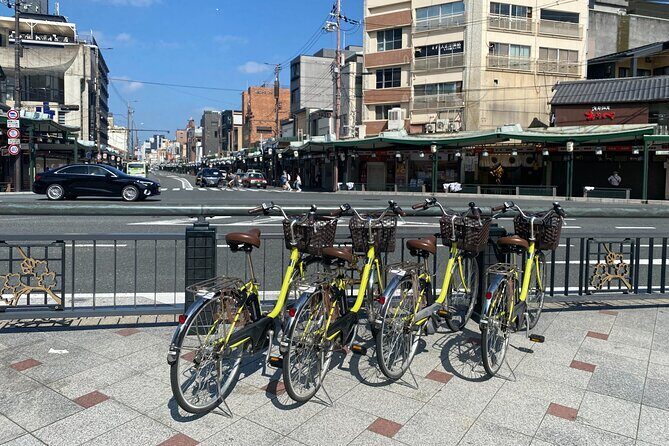
At $123.57 per person, this is not the cheapest way to see Kyoto. But it’s also not trying to be. You’re paying for three things that add up quickly in real life:
- Private, tailored route so you’re not stuck with a one-size-fits-all itinerary
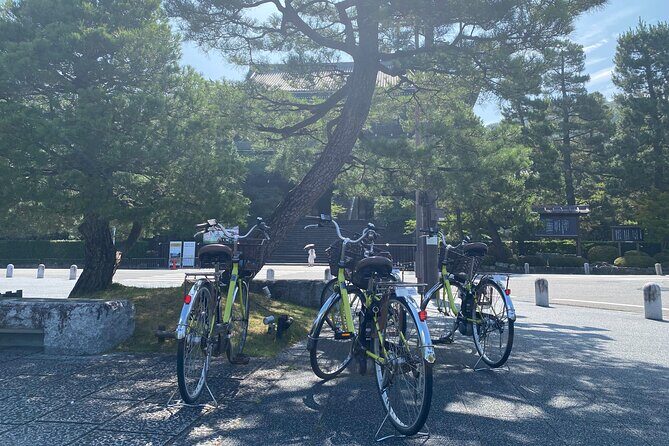
- E-bike rental with insurance, which reduces stress and helps you cover more without exhaustion
- Multi-stop guidance at places like Kiyomizudera, Chion-in, Nanzen-ji, Shimogamo, and the Kamogawa area, plus narration that makes the sights click
Where your costs may rise: Kiyomizudera’s admission ticket is not included, and meals/snacks aren’t provided. If you want to go inside more areas, you may add entrance fees. If you buy treats at Demachi Futaba, that’s extra too.
But even with those add-ons, the route is built with several free elements (many shrine and temple portions, torii gate views, Hanamikoji, Somei Well, Kyoto Gyoen). That mix helps the final day cost feel more controlled than tours that pack in paid attractions back-to-back.
Overall, I’d call it good value if you want a guided, easy-paced Kyoto experience that prioritizes quiet and photos instead of just checking boxes.
Who this Kyoto e-bike tour fits best
I think this tour is strongest for:
- First-time visitors who want Kyoto’s big highlights plus a side of the city that feels quieter
- Families who need a ride that works for kids and adults without turning the day into a long slog
- People who enjoy explanations—Buddhist and Shinto context helps your photos and memories stay grounded
- Short-stay visitors, since a few focused hours can cover a lot of different Kyoto moods
It may not be ideal if:
- You strongly prefer a purely on-foot experience and hate the idea of riding through city traffic at any level
- You want fully included admissions and meals with zero extra spending decisions
Quick practical tips before you go
A few things will make your day smoother:
- Wear shoes with grip for cobblestones around areas like Hanamikoji Street.
- Bring water and a small snack plan for your own comfort. The tour doesn’t include meals or drinks.
- If you care about photos, your guide can help you choose spots at each stop—so ask early where to stand for the best angles.
- Since the experience notes that it’s weather-dependent, keep your expectations flexible if skies aren’t cooperative.
Also, English, Indonesian, and Malay speaking guides are available, so you can choose the language you’re most comfortable with.
Should you book this hidden Kyoto by e-bike tour?
If your goal is Kyoto with less crowd friction and more meaning per stop, I’d book it. The private feel plus easy e-bike riding makes the day comfortable, and the guide’s explanations give you context you’d miss if you just hopped between temples on your own.
I’d skip or reconsider only if you’re trying to keep costs strictly minimal through the day’s add-on choices like admissions and personal snacks. Otherwise, this is the kind of Kyoto experience that leaves you feeling like you saw more than the postcard version.
FAQ
FAQ
How long is the Hidden Kyoto by E-Bike tour?
The tour runs about 3 to 5 hours, approximately.
What is included in the price?
You get an English, Indonesian, or Malay speaking guide, plus the use of an e-bike rental and insurance.
Are temple and shrine entrance fees included?
Entrance fees are not included. Some stops are listed as free, but if you choose to enter areas with an admission fee, you’ll pay that separately.
Are meals or drinks included?
No. Meals, snacks, and drinks are not provided.
Is this tour private?
Yes. It’s a private tour/activity, so only your group participates.
What languages does the guide speak?
The guide can speak English, Indonesian, and Malay.
What if the weather is bad?
The experience requires good weather. If it’s canceled due to poor weather, you’ll be offered a different date or a full refund.
What’s the cancellation policy?
Cancellation is free up to 24 hours in advance for a full refund.
How will I receive my ticket?
You get a mobile ticket. The tour is also described as near public transportation.