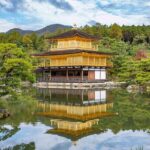
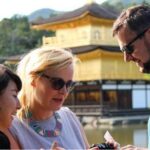
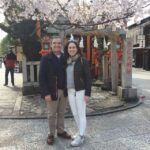
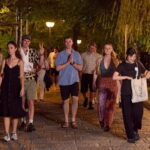
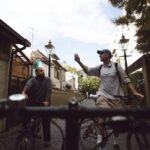
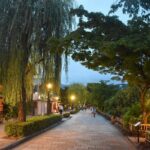
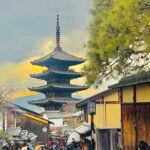
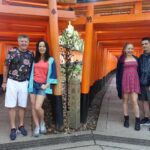
Kyoto works best when you slow down, and this plan does. A private route with SunnySight Japan means you get a less-crowded flow through classic neighborhoods and quieter corners, shaped around what you care about. The guide names I saw come up often include Sunny and Ren, and that matters because you’re not stuck with a generic script.
What I like most is the customization. You share your Kyoto bucket list and interests ahead of time, and the itinerary gets built around that. Second, I like how much is bundled for a 2 to 3 hour outing: food (on the right tour type), temple entrance fees, workshop experience fees, bottled water, and even a no-charge photo service.
One thing to keep in mind: the guide is listed as not licensed or certified, so if you’re strict about official credentials, this may not be your style. Also, it’s a walking-focused tour and it moves at a human pace, not a car-with-a-driver pace.
In This Review
- Key things that make this Kyoto tour worth your time
- A 2–3 Hour Kyoto Private Walk Built Around Your Interests
- Price and what you actually get for $150
- Meeting at Kawaramachi, ending by Kiyamachi Street
- Walking Kyoto without the heavy crowd feeling
- Itinerary stops: what each part feels like in real life
- Edo-era streets and the rhythm of old Kyoto
- A Higashiyama shrine for prosperity and misfortune warding
- Yasaka Shrine grounds and a park with cherry blossom viewing
- A Zen temple with normally closed access, morning worship, meditation, and tea
- Another Zen temple stop with gardens and national treasures
- Gion culture time: geiko and maiko performance and photo-friendly moments
- Lunch or dinner guidance in Gion
- Sanjusangendo and the calm of 1,001 Kannon statues
- Wagashi-making after Sanjusangendo: a sweet, hands-on memory
- Gojō area food culture: eating where locals go
- Tea ceremony and flower arrangement outside the busiest city pockets
- A historic imperial palace setting with traditional architecture
- Finishing on Kiyamachi Street for an easy evening
- Night tour option: dinner plus drinks and Kyoto after dark
- Food, workshops, and tea: a culture day you can actually schedule
- Who this private tour fits best (and who might prefer something else)
- Should you book this Kyoto private tour?
- FAQ
- What is included in the $150 per person price?
- Is lunch always included?
- Does the tour include dinner?
- Are alcoholic drinks included?
- Are temple entrance fees included?
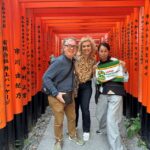
- Do I get a photo service?
- Is private transportation included?
- Can you accommodate dietary restrictions?
- How long is the tour?
- Can I customize the itinerary before the tour?
Key things that make this Kyoto tour worth your time
- Private-by-your-group experience: only your party joins, so the day can match your rhythm.
- Built around your interests: you can steer the route before you arrive.
- Admissions and experience fees included: temples and hands-on culture are part of the price.
- Food included for the right time slot: lunch with the 10:00 start option, dinner for night tours.
- Photo service included: you’ll have pictures without constantly asking strangers for help.
- Special access moments: at least one Zen temple experience is described as normally closed to the public.
A 2–3 Hour Kyoto Private Walk Built Around Your Interests
For many first-time visitors, Kyoto feels like a choice between two extremes: cram-everything tours that rush you, or long plans where you need a full day. This one sits in the practical middle. You’re looking at about 2 to 3 hours, and the goal is to hit meaningful places without turning your feet into blisters.
The heart of the experience is personalization. You don’t just follow a fixed checklist. You tell SunnySight Japan what you want to see—temples, shrine prayers, traditional crafts, food culture, nightlife vibes—and they arrange an original route. That’s a big deal in Kyoto, because your best day depends on things like: are you into Zen rituals, do you want culture with photos, or are you mostly chasing the best food stops?
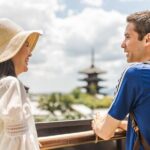
And the “less crowds” promise matters. Even when you’re in famous areas like Gion, a thoughtful local route can help you spend more time actually experiencing the place and less time hovering at the edge of a crowd. Think: better listening, better photos, and fewer moments where you feel like you’re part of foot traffic.
You can also read our reviews of more private tours in Kyoto
Price and what you actually get for $150

At $150 per person, the big value question is simple: does this price cover more than just walking around? In this case, yes. The tour price covers food (with time-slot rules), experience fees, admission fees, and the guide fee. It also includes bottled water and a photo service with no charge.
Here’s how that helps you:
- You avoid the annoying add-ons that pop up when a tour advertises “culture” but then charges extra for entry and workshops.
- You’re free to focus on the experience—tea ceremony timing, shrine atmosphere, garden viewing—without doing quick math every time you stop.
- A short tour can feel expensive if it’s mostly sightseeing. Here, the stops include paid components like temple admissions and hands-on activities.
Two honest considerations. First, private transportation is not included, so you’ll be meeting at a set point and moving on foot and via nearby transit. Second, the guide is listed as not licensed or certified, which may matter to some visitors. If you’re not sure how you feel about that, it’s worth confirming what credential expectations you have.
Meeting at Kawaramachi, ending by Kiyamachi Street
Logistics in Kyoto can eat time. This tour keeps things straightforward with a clear start and finish.
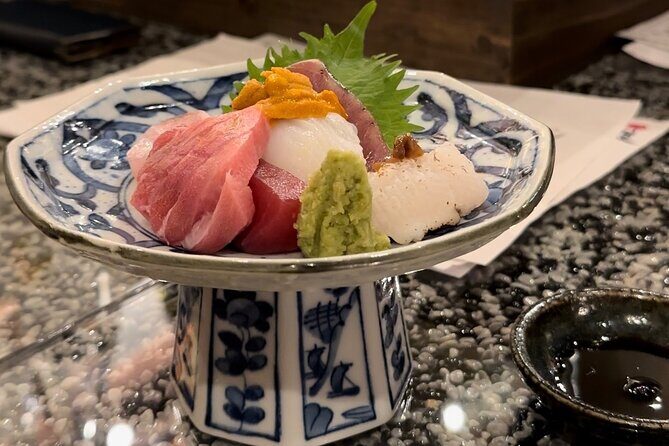
You meet at Edion Kyoto Kawaramachi Main Store, at the address listed on the booking info. The end point is described as taking you to a gallery by the Kiyamachi Gate Hotel area (ending near Kiyamachi Street). That’s useful because Kiyamachi is a natural place to continue the evening with a bite or a quick drink, instead of feeling like you’re dropped in the middle of nowhere.
You’ll also receive a mobile ticket, and the meeting location is near public transportation. That helps when you’re juggling rail lines and station exits—Kyoto punishes detours.
Walking Kyoto without the heavy crowd feeling
The itinerary is designed for feet, not buses. Expect to move through atmospheric neighborhoods—temple grounds, shrine paths, and classic streets. The tour includes bottled water for walking days, which sounds small until you’re one wrong turn away from forgetting to rehydrate.
Also, you can accommodate dietary restrictions. If you need vegetarian, vegan, gluten-free, or other adjustments, you’ll want to list it at booking. Kyoto food is flexible, but you do need a heads-up so the day doesn’t turn into an awkward search mid-walk.
If you’re traveling with kids, this setup can work well because it’s private and paced to your group. In one account I read about a family with two young daughters, the guide kept things moving without steamrolling anyone’s comfort level.
Itinerary stops: what each part feels like in real life

Edo-era streets and the rhythm of old Kyoto
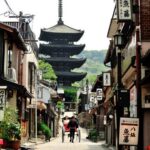
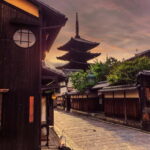
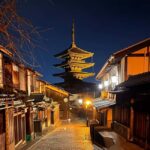
The day often starts in a historic central area associated with Kyoto’s long continuity since the Edo period. You’ll see streets lined with restaurants and teahouses, which is exactly the kind of setting where Kyoto looks its best when you slow down and look up.
What you’ll get here isn’t just scenery. The point is to get your bearings fast and start understanding how the neighborhoods function—where people eat, where the atmosphere changes, and why certain streets feel different at different times of day. A short tour benefits from an early “pattern lesson” like this.
Potential drawback: if you’re expecting a full museum-style walk with massive landmarks at every turn, this portion is more about atmosphere and orientation. You won’t spend all your time photographing one single building.
A Higashiyama shrine for prosperity and misfortune warding
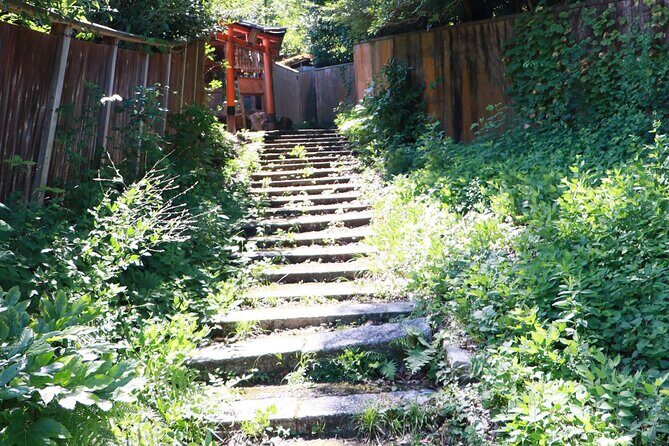
Next you’ll visit a historic shrine in Higashiyama described as offering blessings for warding off misfortunes and supporting prosperity for business. Shrines like this are about intention as much as architecture. You’ll feel the shift from street life into prayer space.
A useful tip: take a moment before you walk further to notice small ritual details—how people line up, where they pause, and what the flow feels like. Even if you don’t know every custom, your guide can explain the meaning behind the gestures.
Potential drawback: shrine visits can be calm, but they’re also spiritually focused. If you want nonstop action for the whole 2–3 hours, this may feel slower than you expect.
Yasaka Shrine grounds and a park with cherry blossom viewing
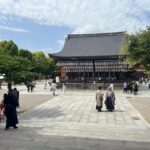
The itinerary includes a vast park located inside Yasaka Shrine grounds, famous for cherry blossom viewing. The best part of this stop isn’t just the well-known blooms (though yes, they’re famous for a reason). The tour description also points to hidden spots even locals may not know about, and the value is that you’re not just walking the main photo path.
In practical terms, this stop is a breather. It gives you greenery, space to step back, and time to see Kyoto change from narrow streets to wider grounds.
Potential drawback: if you’re going outside the cherry season, the park can feel more about quiet space than spectacle. Still worth it, but don’t expect spring-only drama.
A Zen temple with normally closed access, morning worship, meditation, and tea
One of the most distinctive parts of this tour is a Zen temple in the Higashiyama area that’s described as normally closed to the public. You’ll get a special morning worship, Zen meditation, and a tea ceremony experience.
This is the stop that turns sightseeing into something you can remember with your body, not just your camera. Meditation may be brief, but it changes how you perceive the temple space. Then tea follows, which makes the whole thing feel like a sequence rather than three random checkboxes.
Potential drawback: morning experiences can be tiring if you’re on jet lag. If you’re the type who needs a slow start, plan to sleep well the night before.
Another Zen temple stop with gardens and national treasures
You’ll also visit a separate historic Zen temple featuring a serene atmosphere and beautiful gardens. The description notes national treasures, which signals that this isn’t just a quiet hillside stop—it’s a place with major cultural value.
This is where the tour’s “short but not shallow” promise shows. You get variety: one Zen moment with special morning access, then another Zen stop that focuses on garden calm and heritage.
Potential drawback: gardens are best when you can walk slowly. If you rush through, you’ll miss the reason you came.
Gion culture time: geiko and maiko performance and photo-friendly moments
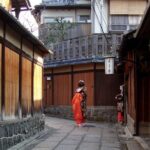
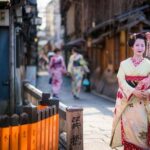
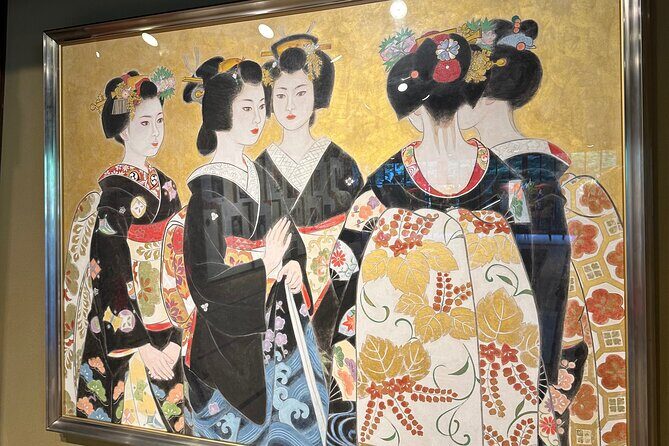
For traditional Kyoto culture, the itinerary includes a place where you can relax and enjoy performances by geiko and maiko, plus memorable photos together. There’s also a chance to encounter geiko and maiko around Gion, where machiya townhouses and teahouses line the streets.
Let’s keep expectations realistic. Encounters can happen, but they’re not guaranteed on every street corner. The value here is that the tour is built to maximize your odds and keep you in the right areas at the right time, with context so you understand what you’re seeing.
Potential drawback: if you dislike performances or you’d rather spend your time in active neighborhoods, this part may feel more formal than you want. It’s still a Kyoto classic for a reason.
Lunch or dinner guidance in Gion
The itinerary suggests your guide will direct you to lunch or dinner in the Gion area depending on your tour timing. This matters because Kyoto has plenty of options, but hunting for a place while also trying to keep your cultural stops on schedule is not fun.
Also, remember: the tour includes food based on the time slot. Lunch is included for the tour starting at 10:00, while dinner is included for night time tours. For cultural experiences like tea ceremony or wagashi-making, the information notes lunch isn’t necessarily included inside those workshop blocks.
Potential drawback: if you have dietary needs, ask early for what meals will look like. The tour can accommodate restrictions, but you’ll want your guidance in advance.
Sanjusangendo and the calm of 1,001 Kannon statues
Then comes Sanjusangendo, known for its row of 1,001 Kannon statues. This is one of those places where the scale hits you in the chest. Even if you’re not a religious traveler, the sheer repetition creates a different kind of atmosphere than most temples.
This stop is ideal when you want a quiet mental reset between busier neighborhoods. It’s also a great place to pause and let your guide explain what you’re looking at, because the meaning changes how you see the room.
Potential drawback: it can feel crowded depending on the hour. Going with a private guide helps you pace through it without feeling trapped.
Wagashi-making after Sanjusangendo: a sweet, hands-on memory
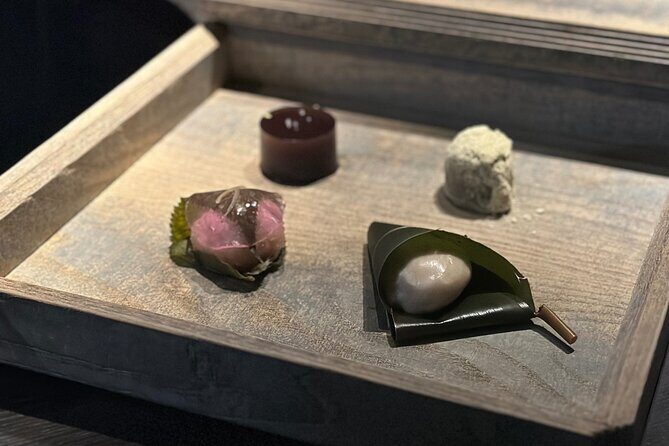
After Sanjusangendo, the tour includes a historic-building cultural activity: wagashi (Japanese confectionery) making. Hands-on workshops are where Kyoto stops being a photo album and becomes something you practice. You’ll learn the look and feel of traditional sweets and bring home at least the memory of making it.
Potential drawback: workshops take time. If you’re mainly here for big outdoor sights, wagashi-making may feel like a detour. But if you enjoy culture you can touch, this is one of the best ways to spend a short window.
Gojō area food culture: eating where locals go
The itinerary includes the Gojō area, described as packed with popular dining establishments among locals. The tour aims to help you discover hot spots and experience Kyoto food culture at a traditional town-style dining spot.
This is a smart move for first-timers because it nudges you toward places that aren’t just built for Instagram. You’re there for flavors and local routines.
Potential drawback: because this is a food-focused stop, your final time may depend on the meal pacing. If you have strict timing elsewhere that night, keep breathing room.
Tea ceremony and flower arrangement outside the busiest city pockets
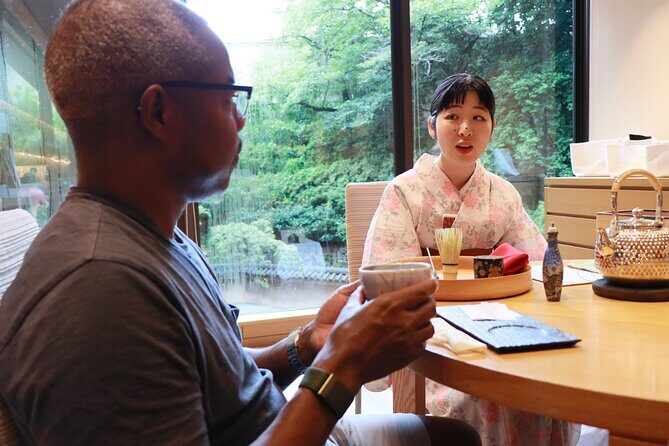
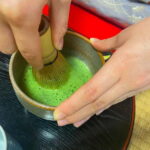
Another culturally rich stop is a tea ceremony and flower arrangement experience directly taught by a master. It’s positioned as a way to go a little outside the bustle, in a private space, so you can focus on the craft without the constant city noise.
If you’ve ever felt that tea ceremonies are either too staged or too stiff, this kind of hands-on instruction tends to feel more human. The flower arrangement element also gives you a different angle on tradition: not just drinking tea, but composing beauty.
Potential drawback: this is a sit-and-attend block. If you’re the kind of visitor who gets restless during quiet instruction, you’ll want to mentally prepare.
A historic imperial palace setting with traditional architecture
The tour includes a historical palace where emperors of Japan resided, with spacious grounds, traditional architecture, and opportunities to discover lesser-known shrines and enchanting scenery within the grounds.
This stop brings a different layer of Kyoto than tea and temples—it adds governance, space, and scale. Even within a short tour, it helps you connect the dots between cultural practice and political life.
Potential drawback: palace grounds can be larger than you expect. If your energy is low, tell your guide early so they can pace accordingly.
Finishing on Kiyamachi Street for an easy evening
The tour concludes on Kiyamachi Street, described as lined with new restaurants and bars. That last step is thoughtful. You’re not ending in an industrial area or an empty street—you end where you can keep eating, walking, or grabbing a drink.
One small practical note: Kiyamachi is best when you slow down and let the street sounds fade. You’ll feel the contrast more that way.
Night tour option: dinner plus drinks and Kyoto after dark
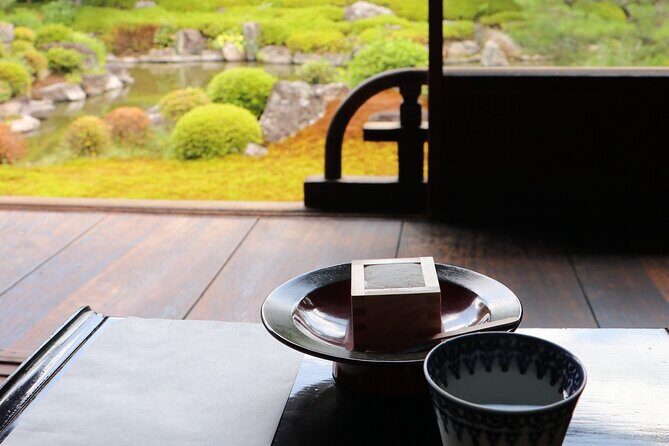
If you book the night version, the structure shifts. Dinner is included and alcoholic beverages are also included with the food for travelers age 20 and above. If you’re under 20, you’ll be served nonalcoholic drinks.
One review I saw mentioned a private dinner and a nighttime walk with cultural stories, ending at a bamboo forest area for a light festival. That kind of closing moment is exactly why the night option can feel special: Kyoto looks different after sunset, and your guide can steer you toward scenes that daytime doesn’t show.
Potential drawback: nightlife stops can run later. If you have early plans the next morning, plan around that.
Food, workshops, and tea: a culture day you can actually schedule
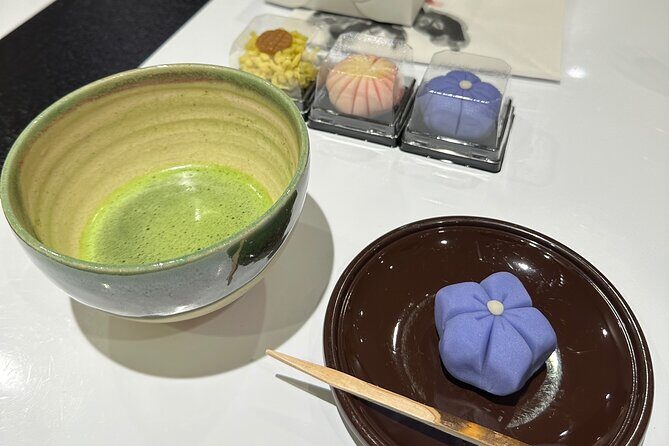
One of the smartest features here is that culture isn’t floating around by itself. It’s connected to food and drink and workshop time.
You’ll get:
- Lunch or dinner, depending on tour timing
- Bottled water to keep you steady during walking
- Tea ceremony, plus flower arrangement in at least one version
- Wagashi-making in a later part of the classic flow
- Experience fees included, so you don’t face surprise costs
Also, the tour explicitly notes it can accommodate dietary restrictions. That’s a big deal when a workshop or meal might otherwise exclude you by default.
Who this private tour fits best (and who might prefer something else)
This is a strong fit if:
- You’re visiting Kyoto for the first time and want a short, high-impact route
- You like the idea of hands-on culture like tea ceremony, flower arranging, or wagashi-making
- You want a private day with your own pace, not a group shuffle
- You’re traveling as a couple, family, or small group and want your day shaped around your interests
You might want to skip this version if:
- You need a car or private driver for every segment (private transportation isn’t included)
- You want a long day with big-ticket stops all day long
- You require an explicitly licensed and certified guide
Should you book this Kyoto private tour?
If you want a Kyoto experience that feels personal and doesn’t drown you in logistical planning, I’d say yes—especially if you’re okay with walking and you value cultural moments that include tea, sweets, and temple atmosphere. The best part is how the price supports real activities: admissions, experience fees, and meals are built in, plus the photo service so you won’t spend your time hunting for the right angle.
Book it if your goal is a short, meaningful day where someone local can steer you to the right mix of shrines, Zen calm, Gion culture, and food. Just go in with clear preferences and a realistic mindset: this is a 2–3 hour day, not a week-long tour of everything Kyoto has ever done.
FAQ
What is included in the $150 per person price?
The price covers lunch (for the 10:00 start option), dinner (for night time tours), bottled water, entrance fees for temples, experience fees like tea ceremony/flower arrangement/wagashi-making, the guide fee, and guide-led activities. For night tours, alcoholic beverages are included for travelers 20+.
Is lunch always included?
Lunch is included for the tour that starts at 10:00. The information also notes that lunch is not included for certain cultural experiences like tea ceremony or wagashi-making, so meal timing can depend on the schedule of those activities.
Does the tour include dinner?
Yes. Dinner is included for night time tours.
Are alcoholic drinks included?
Alcoholic beverages are included with dinner for night time tours for travelers 20 years old and above. Minors under 20 are served nonalcoholic drinks.
Are temple entrance fees included?
Yes. Entrance fees for visiting temples are included.
Do I get a photo service?
Yes. A photo service is included with no charge.
Is private transportation included?
No. Private transportation is not included.
Can you accommodate dietary restrictions?
Yes. The tour can accommodate dietary restrictions such as vegetarian, vegan, gluten-free, and more. You should provide details at booking.
How long is the tour?
The duration is approximately 2 to 3 hours.
Can I customize the itinerary before the tour?
Yes. You’re asked to share your Kyoto bucket list or interests in advance (as a special requirement at booking), and the team arranges an original tour based on your requests.