REVIEW · DINING EXPERIENCES
Kyoto: Kaiseki Dinner at a Historical Townhouse
Book on GetYourGuide →Operated by Tondaya, Co., Ltd. · Bookable on GetYourGuide
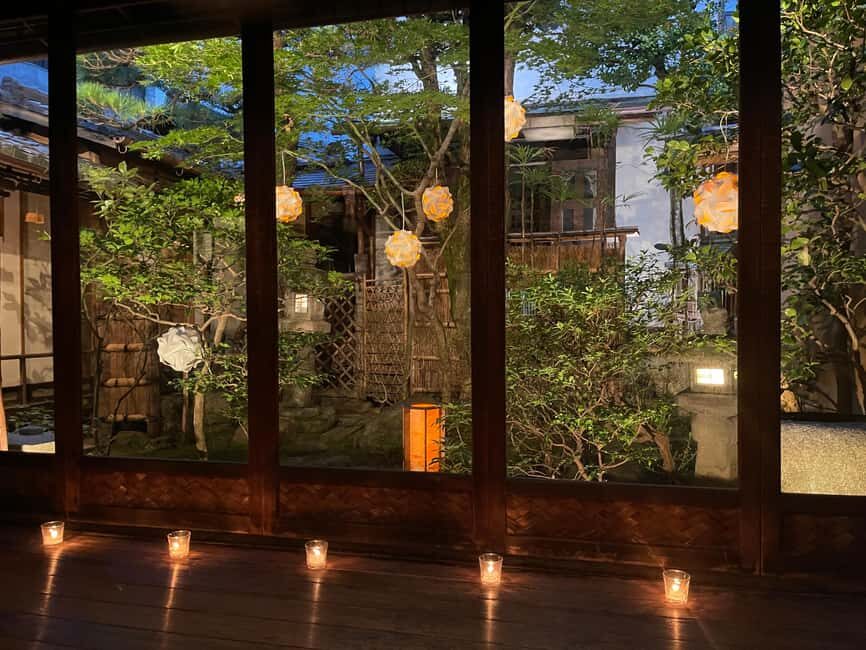
Kyoto at dinner time is a mood, not a checklist. This kaiseki experience starts with a guided look inside a 140-year-old machiya townhouse, then moves into a Kyoto-style multi-course meal in soft light by an illuminated garden.
What I like most is the two-part setup: you get the setting first, and then the food lands in context. I also like the attention to options, with vegan, vegetarian, gluten-free, and halal choices available if you request ahead of time.
One thing to consider: the experience is timed at about 2 hours, and the pace can feel quick if you were hoping for lots of food explanation at every course.
In This Review
- Key things to know before you go
- Entering a 140-Year-Old Kyoto Machiya That Sets the Tone
- The Tondaya House Visit: Art, Objects, and a Few Kyoto Touchstones
- Your Kaiseki Dinner: Kyoto-Style Courses in Soft Light
- Pace check: enjoy it, but don’t expect a long lecture
- Dietary Options That Actually Matter (If You Tell Them Up Front)
- Price and Value: What $141 Per Person Buys You
- Timing, Meeting Point, and How to Prepare
- Is This Best for You? Who Will Enjoy It Most
- Quick practical tips before you go
- Should You Book This Kyoto Kaiseki Dinner?
- FAQ
- How long is the Kyoto kaiseki dinner experience?
- Where does the experience begin?
- What’s included in the price?
- Are drinks included?
- Can I request vegan or halal options?
- What should I bring and wear?
- Are stockings or tights allowed?
- Is the experience wheelchair accessible?
- Will there be English support?
- What happens on New Year’s dates?
Key things to know before you go
- 140-year-old Tondaya machiya: you’re not just eating, you’re stepping into a nationally registered cultural property
- Illuminated garden views during your kaiseki meal
- Season and occasion matter: the chef adjusts the menu to match the moment
- Dietary options available: vegan, vegetarian, gluten-free, halal (request in advance)
- Socks-only footwear rule: no bare feet, and skip stockings or tights
- Private-group feel with English/Japanese support and possible translation help
Entering a 140-Year-Old Kyoto Machiya That Sets the Tone
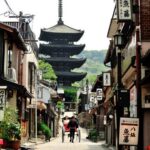
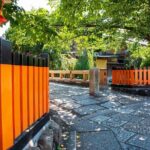
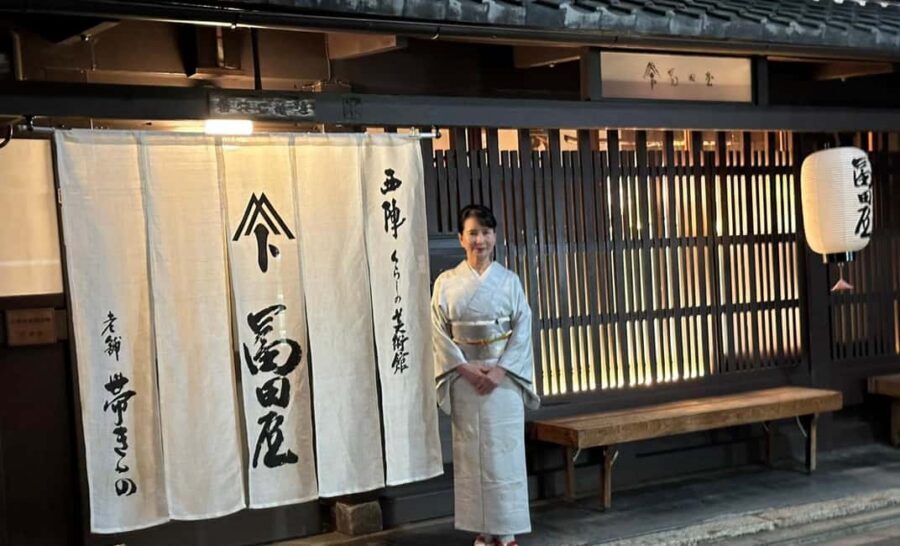
This is a dinner, yes. But it’s also a short tour that gives you a sense of how Kyoto does hospitality. You arrive and begin at Tondaya, a traditional townhouse (machiya) that’s been recognized as a culturally significant property by Kyoto City Government.
I like how the visit frames what you’re about to eat. In other places, dinner is basically dinner. Here, you start by walking through a real, older home with artifacts and stories tied to the place, so the meal feels less like a performance and more like a continuation of the setting.
You can also read our reviews of more historical tours in Kyoto

The Tondaya House Visit: Art, Objects, and a Few Kyoto Touchstones
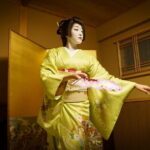
After you check in, staff guide you through Tondaya. You’ll learn about the home itself and the historically valuable items inside. The experience staff are also trained in traditional arts, including kimono, tea ceremony, calligraphy, and ikebana.
That matters because even if you only catch a portion of the explanation, you’ll understand what Kyoto values in the small stuff: seasonality, detail, and the idea that atmosphere is part of the meal. You’re not just looking at objects. You’re being pointed toward why they’re there.
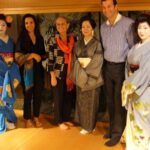
Language note: not all staff speak English, but they’ll do their best to arrange an interpreter. A translation device may be used when necessary. If you’re the type who wants a lot of back-and-forth questions, ask for interpretation help early so you can actually enjoy the information.
Your Kaiseki Dinner: Kyoto-Style Courses in Soft Light
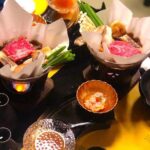
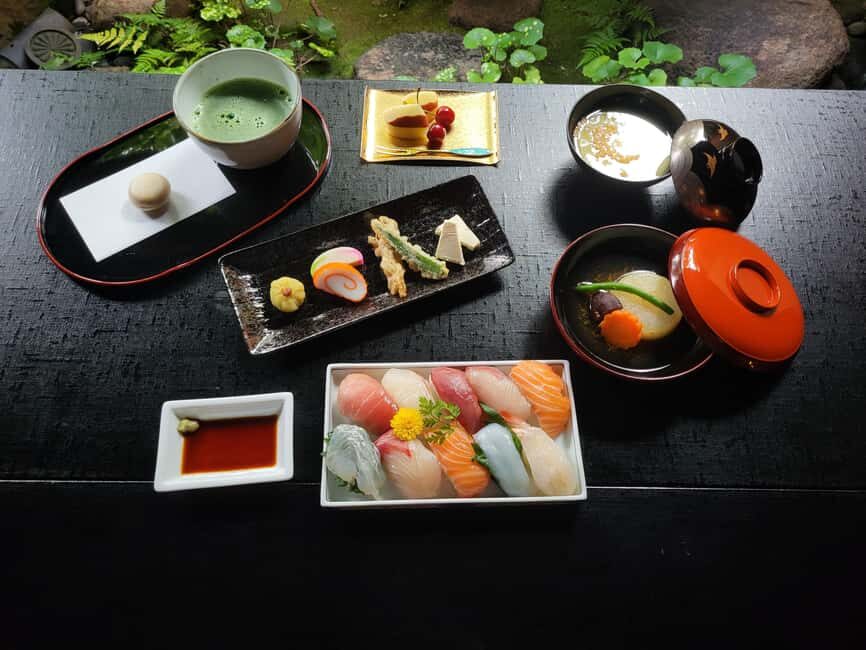
Once the house portion wraps up, you’ll move into your kaiseki dinner. The meal is prepared by a seasoned Kyoto chef, and it follows Kyoto-style tradition: ingredients are chosen carefully, and the menu is adjusted based on the season and the occasion.
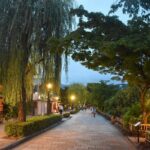
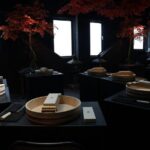
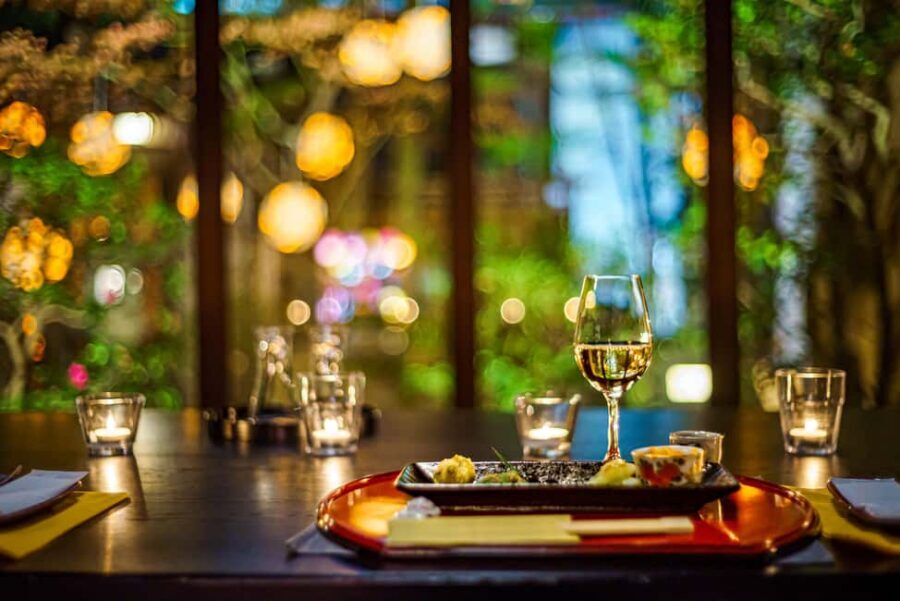
Kaiseki is a multi-course style, and here it’s served while you look out at a beautifully illuminated garden. That combination is the whole point. The lighting keeps things calm and intimate, and the garden view makes the courses feel like part of a single evening rather than separate dishes on a plate.
If you love food that changes with timing, this is your kind of dinner. Seasonal adjustment means you’re not just ordering a standard set. You’re eating what Kyoto thinks fits the moment.
Pace check: enjoy it, but don’t expect a long lecture
One trade-off shows up in real-world pacing. The experience runs about 2 hours, and while you’ll get context during the townhouse visit, the dinner service may move quickly. If you want slow, course-by-course explanations every time, you may feel the rhythm is a bit fast.
Dietary Options That Actually Matter (If You Tell Them Up Front)
Good dietary experiences require advance communication, and this one is set up to handle it. You can request vegan, vegetarian, gluten-free, and halal options.
Here’s the practical part: if you have allergies or strong restrictions, inform Tondaya in advance. Don’t wait until you arrive. Kaiseki is built around specific ingredients and careful composition, so the earlier you flag needs, the better your menu match.
Also, keep an eye on how you communicate preferences. If you’re vegan, don’t just say plant-based in a vague way. Ask for vegan as listed, and mention any cross-contact concerns you consider important.
You can also read our reviews of more tours and experiences in Kyoto
Price and Value: What $141 Per Person Buys You
At $141 per person, you’re paying for more than a restaurant meal. You’re getting:
- admission to the cultural landmark experience in the townhouse
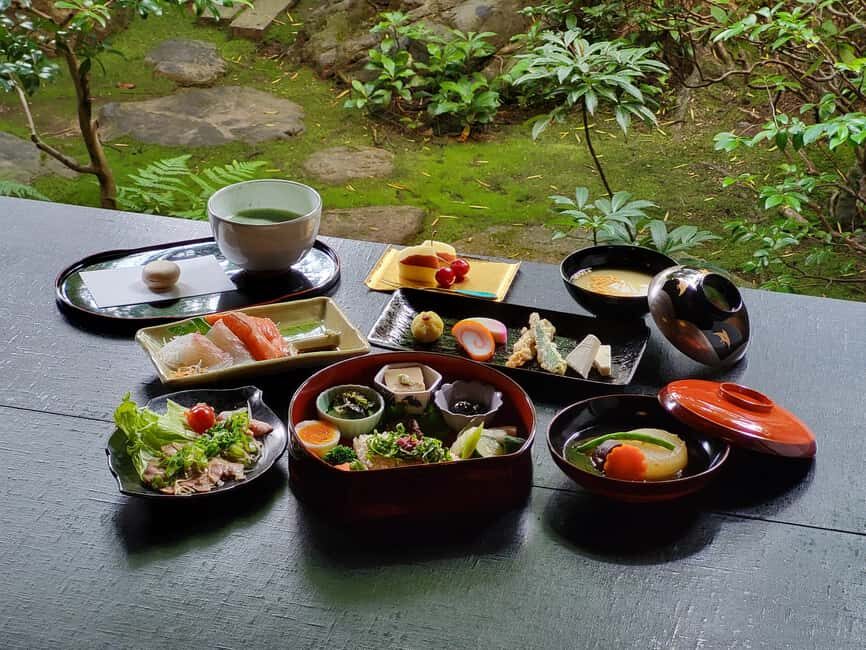
- the traditional kaiseki meal
- a dining setting with illuminated garden views
What’s not included: additional drinks. That’s the one budget variable you should plan for. If you like pairing your meal with tea or other beverages, check what’s offered on-site so you don’t get surprised by add-on costs.
The value angle I’d focus on: you’re paying to combine Kyoto setting + chef-prepared multi-course cuisine in a historic property. If you were only planning to do dinner, this would be a more expensive way to eat. But if you’re aiming for an evening that feels like Kyoto culture, the price starts to make sense.
Timing, Meeting Point, and How to Prepare
The experience lasts about 2 hours, and you should arrive on time for your scheduled slot. The meeting point may vary depending on the option you book, so confirm your exact location when you reserve.
A small but important detail: bring socks. This is one of those rules that’s easy to ignore until you’re standing there. Bare feet are not allowed, and you should refrain from wearing stockings or tights.
Also note: the experience is not suitable for wheelchair users. If mobility is an issue for you, plan on using steps carefully and ask questions in advance.
Is This Best for You? Who Will Enjoy It Most
This is a great pick if you want a Kyoto evening that feels structured but not rushed into “tour bus mode.” I think it works especially well for:
- special occasions (celebrations, proposals, anniversaries, birthdays)
- couples who want a quieter night
- small private groups, including business gatherings
- anyone who likes the idea of eating kaiseki while also learning why the setting matters
It’s also a smart choice if you want dietary options without having to hunt through Kyoto restaurants one by one.
If you’re someone who hates rules about clothing and footwear, this might feel like more friction than you want. The socks requirement isn’t huge, but it is a real rule.
Quick practical tips before you go
- Bring clean socks and avoid tights or stockings
- Tell them your dietary needs and any allergies ahead of time
- If English explanations matter to you, mention it so they can arrange an interpreter
- Expect a 2-hour evening: plan your other activities nearby, not far away
- Don’t plan this as a late-night meal after a long day without breaks; it’s calm and focused
Holiday note: Tondaya is closed on December 31 and January 1. From December 28 to January 5 (excluding those closed days), there’s a 30% holiday surcharge on experience fees.
Should You Book This Kyoto Kaiseki Dinner?
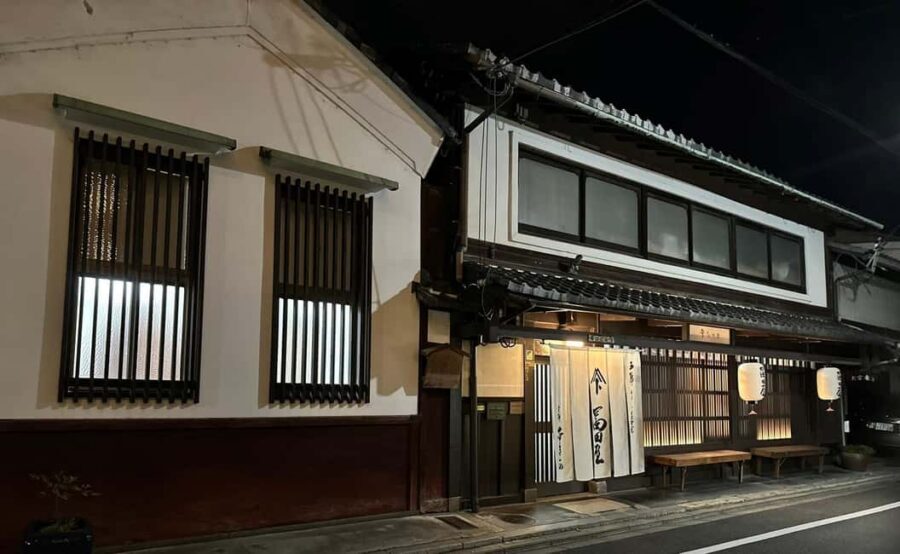
I’d book it if you want a Kyoto dinner that comes with context. The townhouse visit at Tondaya plus the kaiseki meal with illuminated garden views is exactly the kind of “place and food” combo that you remember later.
I’d think twice if you’re specifically hoping for lots of extended explanations during every course, since the overall experience is only about 2 hours and the dining service can feel brisk. And if mobility is a concern, it’s not listed as wheelchair-friendly.
If you fit the target audience—food-focused, culture-curious, and ready to follow a few simple clothing rules—this is a strong value pick for a memorable Kyoto night.
FAQ
How long is the Kyoto kaiseki dinner experience?
It lasts about 2 hours.
Where does the experience begin?
You begin at the townhouse, Tondaya, and the meeting point may vary depending on the option booked.
What’s included in the price?
Included are the traditional Kyoto kaiseki meal, entrance to the cultural landmark, and the view of a beautifully illuminated garden.
Are drinks included?
No. Additional drinks are not included.
Can I request vegan or halal options?
Yes. You can request vegan, vegetarian, gluten-free, and halal options if you inform Tondaya in advance.
What should I bring and wear?
Bring socks. Bare feet are not allowed.
Are stockings or tights allowed?
No. You should refrain from wearing stockings or tights.
Is the experience wheelchair accessible?
It is not suitable for wheelchair users.
Will there be English support?
The host or greeter is English and Japanese. If staff don’t speak English, they will do their best to arrange an interpreter, and a translation device may be used when necessary.
What happens on New Year’s dates?
Tondaya is closed on December 31 and January 1. A 30% holiday surcharge applies from December 28 to January 5 (excluding the closed days).