Kyoto feels quieter when you start early. This 4-hour walk trades the busiest sights for Shimogamo Jinja’s UNESCO forest calm and a Zen finish at Tofuku-ji. I love the 8:00am start that helps you slip past the biggest visitor rush, and I love the English-speaking local guide who explains what you’re seeing as you walk.
The trade-off is that it’s an active route. If you have weak legs or joint issues, the walking time can be harder than you’d expect, especially on a morning when you’re moving between sites.
In This Review
- Key highlights worth showing up for
- Getting an early start near Shichijo Keihan
- Shimogamo Jinja: UNESCO serenity in a sacred forest
- Sanjusangendo Temple: 1,001 statues and garden calm (plus entrance fee)
- Tofuku-ji Temple: Rinzai Zen roots and a garden finish (Zen garden fee)
- Price and value: what you really pay for at $97.55
- The walking pace: active but not a punishment
- How the day feels: history with space to breathe
- Practical tips for your morning
- Should you book this Kyoto off-the-beaten-path tour?
- FAQ
- Is the tour price $97.55 per person?
- How many people are in the group?
- What time does the tour start?
- Where do I meet the guide?
- What’s included in the price?
- What entrance fees should I plan for?
- Is water included?
- Is the tour suitable for people with mobility issues?
- What if the weather is bad?
- When can I cancel for a full refund?
Key highlights worth showing up for
- A small group (max 8 people) keeps the pace human and the questions flowing
- Shimogamo Jinja lets you step into an old-growth style shrine setting with UNESCO status
- Sanjusangendo Temple’s 1,001 Kannon statues plus garden areas make it more than a quick photo stop
- Tofuku-ji and Rinzai Zen connect the day to a specific school of Japanese Buddhism (founded in 1236)
- A guided explanation helps you understand what the objects and spaces mean, not just where to stand
Getting an early start near Shichijo Keihan
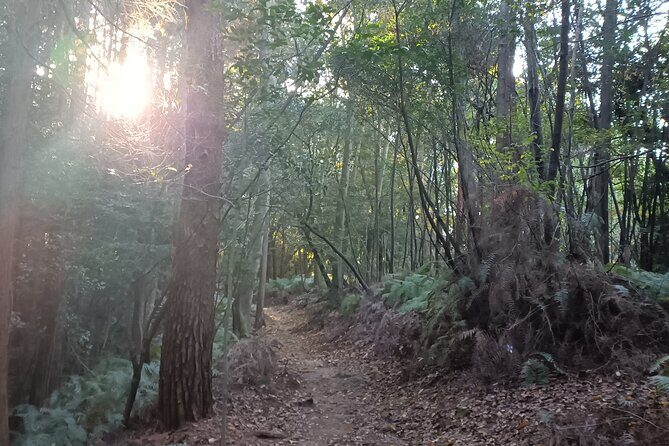
This tour begins at 8:00am, meeting at McDonald’s – Shichijo Keihan in Higashiyama Ward (near public transportation). That early start matters in Kyoto, where the most famous places can feel like you’re in a moving crowd.
The morning timing also gives your brain a nicer rhythm. You’re not trying to cram meaning into the last two hours of daylight. Instead, you get to slow down, look around, and let the guide’s stories land.
One more practical point: the tour ends at Tofukuji Station, outside in front of Family Mart. That makes it easier to continue your day without backtracking.
You can also read our reviews of more tours and experiences in Kyoto.



Shimogamo Jinja: UNESCO serenity in a sacred forest
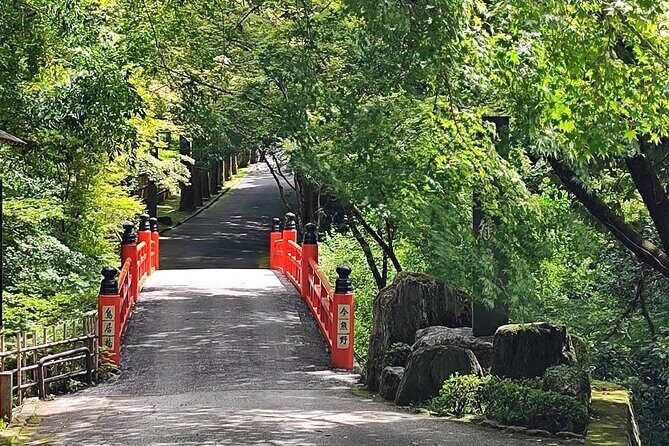
Your first stop is Shimogamo Jinja, a UNESCO World Heritage Site. The big appeal here is the change of mood. One moment you’re in the city, and the next you’re walking through a long, calm stretch of sacred forest that feels protected from the outside world.
This is the kind of place where you don’t need to rush to “see everything.” The experience is in the approach—shrine space, atmosphere, and the way the path guides your attention. Even if you’ve visited other shrines before, Shimogamo tends to feel more about stillness than spectacle.
Admission is free, which is a nice bonus. You can put your money toward the later stops that charge separate entry fees.
Sanjusangendo Temple: 1,001 statues and garden calm (plus entrance fee)
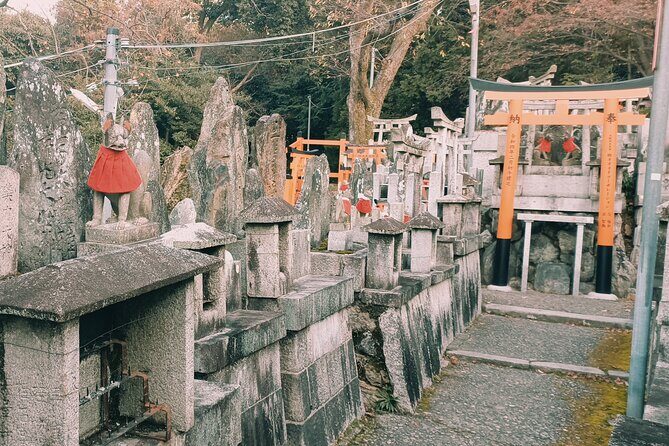
Next up is Sanjusangendo Temple, home to a breathtaking collection of 1,001 statues of Kannon (the Buddhist goddess of mercy) along with other guardian deities. If you’re the type who likes symbolism and art, this stop is a strong reason to choose this tour over the classic Kyoto checklist.
The way these statue halls work can be mentally intense—so plan to use the guide’s framing. It helps to know what you’re looking for and why so many figures are included. Without that context, it can turn into a blur of faces and robes.
You’ll also have time for calmer areas: an East Garden Pond area and a Strolling Garden space. That balance is smart. After the intensity of the statue collection, the gardens offer a reset that keeps the day from feeling like nonstop indoor sightseeing.
Entrance to Sanjusangendo is not included, and it costs ¥600 per person. If you want to avoid any last-minute fiddling, expect to pay this at the site and plan for cash or the payment methods that are supported there.
Tofuku-ji Temple: Rinzai Zen roots and a garden finish (Zen garden fee)
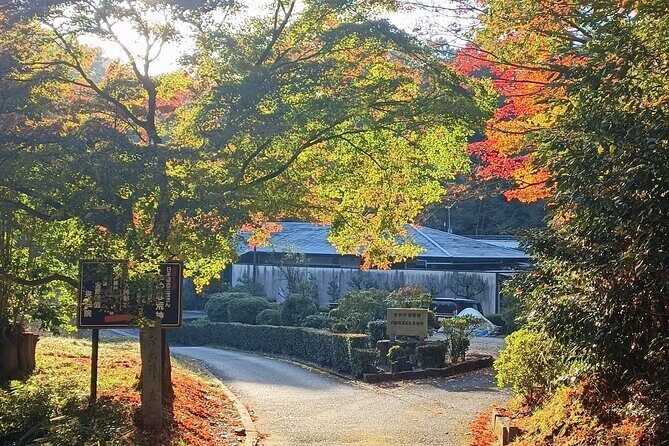
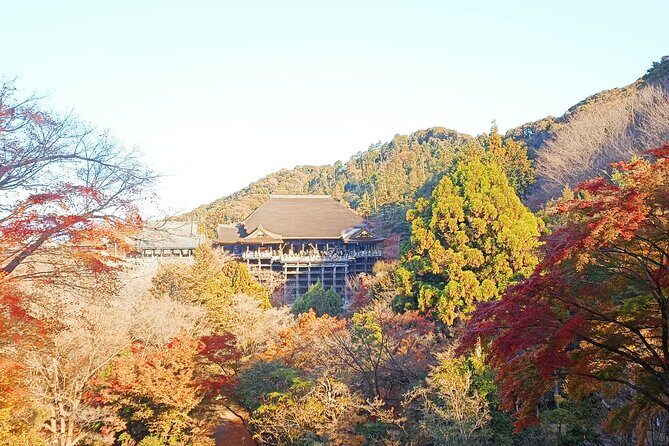
The tour’s final major stop is Tofuku-ji Temple, a well-known Zen Buddhist temple in Kyoto. It’s especially tied to Rinzai Zen Buddhism and was founded in 1236, which gives the day a deeper timeline than many quick shrine-and-temple routes.
Tofuku-ji is also famous for its historic buildings and autumn foliage, though even outside peak season, the temple setting still feels meaningful. The architecture and layout are designed to support quiet attention, which pairs well with the earlier Shimogamo calm.
The tour includes the Zen-focused experience of a Zen garden, but that part has an additional fee: ¥500 per person. So when you think about total cost, you’re basically looking at one free entry (Shimogamo) and two paid entries (Sanjusangendo and the Zen garden at Tofuku-ji).
Price and value: what you really pay for at $97.55
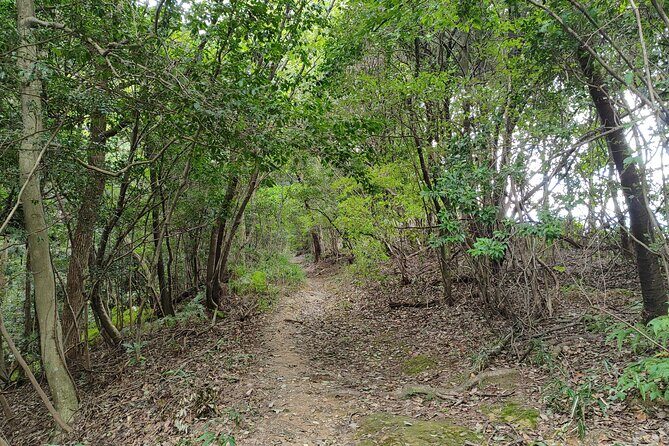
At $97.55 per person for about 4 hours, the price is mainly paying for three things: a local English-speaking guide, a tight route that connects these sites without wasted time, and the storytelling that turns “places” into “understanding.”
Here’s the part many people miss: you’ll also have separate entrance fees. Sanjusangendo is ¥600, and the Zen garden fee is ¥500. Shimogamo’s admission is free.
When you add it up, this tour is still often good value if you want guidance through religious spaces. Temples and shrines in Kyoto can look gorgeous but feel confusing if you’re guessing meanings. This route is built for people who want clarity, not just clicks.
It also helps that the group size is capped at 8 people. Smaller groups usually mean fewer pauses and less herding. You spend more time looking and less time waiting.



The walking pace: active but not a punishment
This is described as an active walking tour, and the fitness guidance matches that. You should have moderate physical fitness, and it’s not recommended for travelers with weak legs and joints.
For most people, that means you’ll be on your feet enough to notice it. Kyoto temple days are rarely “sit for hours” experiences, and this one is no exception because the stops are close enough to connect but far enough to require real movement.
Why that matters: when you walk at a steady pace with good context, you actually learn more. When you’re tired or you’re negotiating your body, you miss details. So be honest with yourself about your comfort with walking.
How the day feels: history with space to breathe
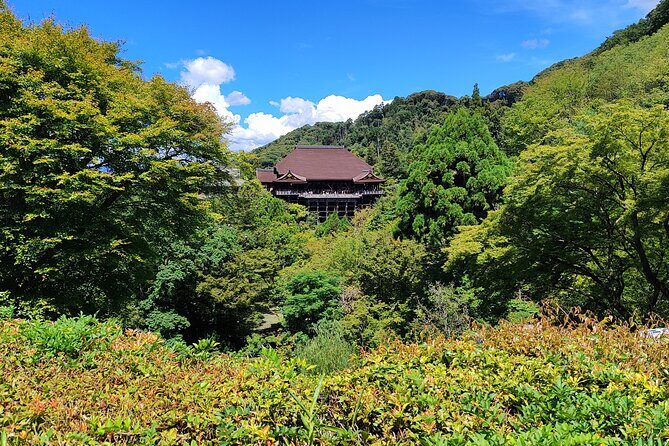
The best part of this kind of guided route is the pacing between big moments. You start with a quiet UNESCO shrine forest, move to a dense statue experience plus garden areas, then close with a Zen temple setting tied to a specific tradition and history.
That structure reduces the common Kyoto problem: you see a lot, but you remember very little. With a guide explaining what you’re looking at, you remember why the place is important, not only how it looks.
The other advantage is less time chasing the biggest-name attractions. Instead, you get off the main tourist circuit and spend your morning in places that can feel more personal. That’s also why early timing helps. You’re not only avoiding crowds—you’re meeting the sites in the mood they were meant to have.
Practical tips for your morning
Bring water, because water and other drinks are not included. The tour notes also say no alcohol, so if you were planning to travel light with a drink in your bag, skip that idea here.
Wear shoes you actually trust for walking. Even when the route doesn’t sound extreme, temple paths and shrine grounds can be uneven, and the tour is meant for a moderate fitness level.
Since the meeting points are outside well-known places—McDonald’s at the start and Family Mart near the finish—navigation is easier than it looks. Still, give yourself a little buffer so you’re not arriving at the last second.
If the weather turns, the tour requires good weather. If it gets canceled for poor weather, you’ll be offered a different date or a full refund.
Should you book this Kyoto off-the-beaten-path tour?
I’d book it if you want Kyoto that feels calmer, guided, and meaningful in a short time. The early start, the small group size, and the combination of Shimogamo’s forest stillness with Sanjusangendo’s 1,001 statues and Tofuku-ji’s Rinzai Zen setting make this a strong fit for people who like context, not just sightseeing.
I wouldn’t book it if you have limited mobility or knee/hip concerns. The walking is part of the point, and the tour isn’t presented as a mostly-stationary experience.
FAQ
Is the tour price $97.55 per person?
Yes. The listed price is $97.55 per person, and the tour lasts about 4 hours.
How many people are in the group?
The tour has a maximum of 8 people.
What time does the tour start?
The start time is 8:00am.
Where do I meet the guide?
You meet at McDonald’s – Shichijo Keihan, 229 Hiyoshichō, Higashiyama Ward, Kyoto. The tour ends at Tofukuji Station in front of Family Mart.
What’s included in the price?
An experienced local guide with good command of English is included.
What entrance fees should I plan for?
Sanjusangendo entrance costs ¥600 per person, and the Zen garden entrance fee costs ¥500 per person. Shimogamo Jinja admission is free.
Is water included?
No. Water and other drinks are not included (no alcohol please).
Is the tour suitable for people with mobility issues?
It requires moderate physical fitness and is not recommended for travelers with weak legs and joints.
What if the weather is bad?
This experience requires good weather. If canceled due to poor weather, you’ll be offered a different date or a full refund.
When can I cancel for a full refund?
You can cancel up to 24 hours in advance for a full refund. If you cancel less than 24 hours before the start time, it won’t be refunded.