REVIEW · HIKING & TREKKING
Hike and explore the Kurama and Kibune ancient Paths
Book on Viator →Operated by Snow Monkey Resorts Tours (Machinovate Japan Ltd.) · Bookable on Viator
Kyoto slows down on this forest hike. You’ll spend a guided half-day moving between Kurama-dera and Kifune Shrine, trading street noise for temple views, cedar shade, and that quiet mountain rhythm. I especially like the way the trail mixes spirituality with real footwork, so the day feels more like a lived-in journey than a checklist.
Two things I’m glad you’ll get: an English-speaking guide (Justin) who keeps you moving at a safe pace, and story-rich stops that make the temples and shrines feel connected to the landscape. The route also gives you a satisfying balance—temple time up top, then forest walking, then the iconic Kibune finale.
One consideration: the trail has steep, uneven sections and lots of stairs, so it won’t feel like a flat city stroll. If it’s wet, you’ll want grippy shoes and a calm pace—your knees will appreciate you doing that.
In This Review
- Key things to know before you go
- The Kurama–Kibune route: Kyoto without the crowd pressure
- Getting there from Kyoto Station (and not wasting your morning)
- Stop 1: Kurama-dera Temple and the mountain-hall viewpoint
- The middle of the hike: cedar shade, steep steps, and small sacred stops
- Kibune River to Kibune village: arriving with the right mindset
- Finish at Kifune Shrine: red lantern steps and water-activated omikuji
- Time, pace, and what to wear on mountain steps
- Price and value: is $165.18 a good deal?
- Who should book this Kurama–Kibune guided hike?
- Should you book it? My honest take
- FAQ
- What time does the tour start, and where do I meet?
- How long is the hike?
- What’s included in the tour price?
- Is lunch included?
- How strenuous is the hike?
- Can I cancel and get a full refund?
Key things to know before you go
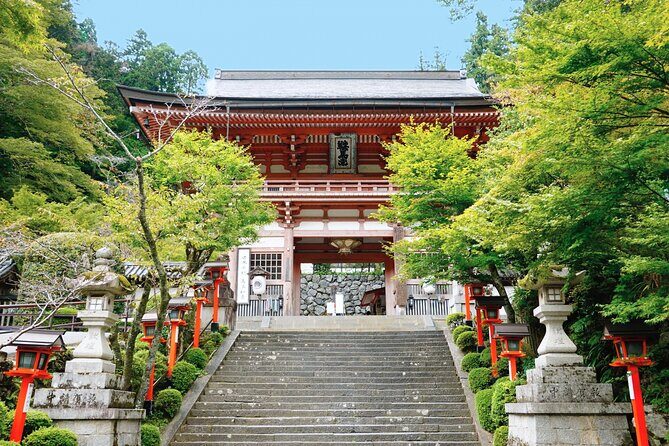
- Kurama-dera first: start on the slopes with a main hall viewpoint and guardian statues
- Eizan Railway ride: scenic transfer from the city’s edge into the northern Kyoto hills
- Cedar-forest hike: steep, uneven steps and natural shrines along the way
- Kibune village finale: drop into the village and finish at Kifune Shrine
- Red lantern staircase + water-activated omikuji: a very Kyoto mountain-spring ritual moment
- Small group size: max 12 travelers with an English guide
The Kurama–Kibune route: Kyoto without the crowd pressure
This hike is a smart way to see Kyoto’s spiritual side without being stuck in souvenir lines. You start north of the city, in the mountains where Kurama-dera sits on the slope of Mount Kurama. Then you work your way along a trail that feels like it belongs to hikers, monks, and mountain legends—not just tour buses.
What makes the Kurama–Kibune connection special is how it changes the scenery several times. First you’re with temple architecture and viewpoints. Then the route turns into forest walking with cedar shade, steep stairs, and little sacred stops tucked into the woods. Finally, the day lands in Kibune, where the vibe shifts from mountain trail to shrine courtyard and village atmosphere.
I also like that the day doesn’t try to cram in everything. It’s about a single connected route: temple grounds, mountain walking, and one shrine finish. If you like your Kyoto days to feel grounded—cool air, worn stone steps, and a sense of being slightly away from the obvious sights—this fits.
You can also read our reviews of more hiking tours in Kyoto

Getting there from Kyoto Station (and not wasting your morning)
The tour starts at 9:30 A.M. at Starbucks Coffee at Kyoto Tower Sando. That’s convenient if you’re already near Kyoto Station, and it helps keep the day from turning into a stressful scramble. From there, you take the Karasuma Subway Line to Kokusaikaikan Station and then walk about 15–20 minutes through a quiet residential area to Iwakura Station.
Next comes the part I think you’ll enjoy most if you like transit with a view: the Eizan Railway ride. It’s about 30 minutes, and it moves you from the city edge into northern Kyoto countryside—so your hike day starts feeling like a journey, not an interruption.
Why this matters: when the first half of the day runs smoothly, you actually have energy for the stairs later. Also, you’re not stuck figuring out transfers or which platform is which while your legs are already thinking about the hike.
Stop 1: Kurama-dera Temple and the mountain-hall viewpoint
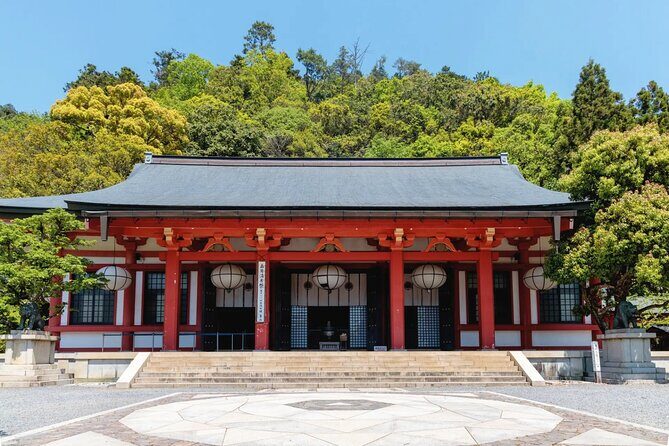
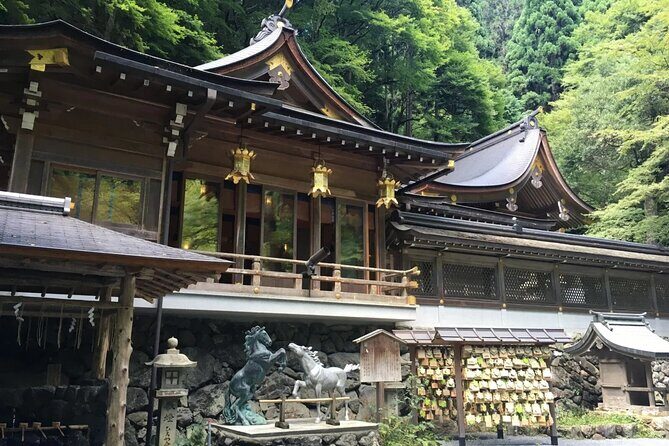
Kurama-dera is the kind of place where the location does half the work. The temple is perched on Mount Kurama’s slopes, so even when you’re just moving through the grounds, you get that sense of being high enough to feel away from the city. The main hall area is known for panoramic views, which is a great reward early in the day when your energy is still fresh.
Another detail worth paying attention to: the temple has guardian statues that frame the atmosphere. They’re a reminder that this route isn’t only about hiking—it’s also about the spiritual roles temples play in mountain life.
From a practical standpoint, this stop is also valuable because it sets context. You’ll start your day with structured time at the temple grounds (entry is included), then your guide can connect what you see to the route you’ll walk next. That way, the forest sections don’t feel like generic nature footage. They start to feel like part of a longer spiritual pathway.
The only drawback to watch for: since this is the start of the route, it can feel a little fast if you’re the type who likes to linger at every photo spot. If you like slow travel, just make peace with the fact that the day has multiple “must-see” moments.
The middle of the hike: cedar shade, steep steps, and small sacred stops
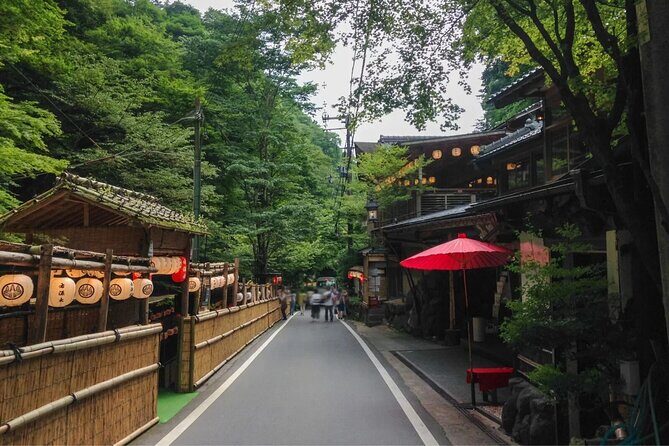
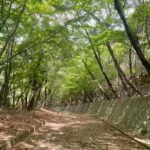
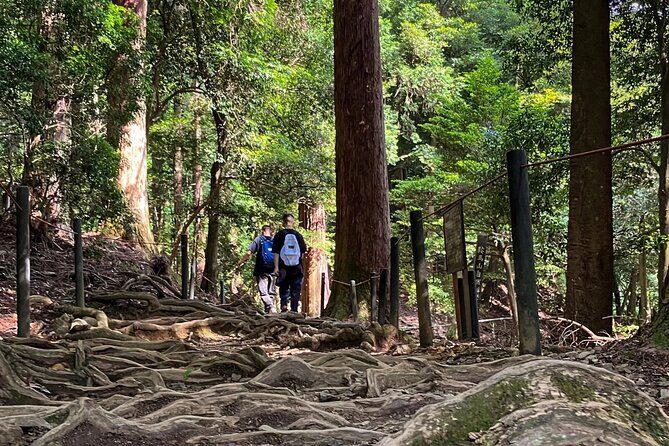
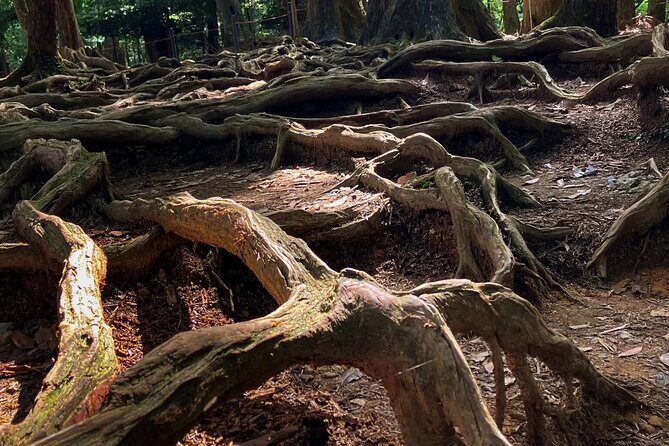
Once you leave Kurama-dera, the route becomes a true mountain hike. You’ll head through dense cedar forests with sections that include steep stairways and uneven terrain. There are also hidden shrine points and other natural stopping places along the way, so it’s not just one long staircase grind.
This is where your guide earns their keep. Navigation can be tricky in parts, especially in wet or hot weather, but you’ll have someone keeping your pace steady and your footing safe. The best part is that the guide also shares stories and legends connected to the route, which helps the walk feel purposeful.
If you want this part to feel good (not annoying), plan your footwear and pace like it’s real trail time. Even if you’re moderately fit, stairs and uneven ground change the workout. Think “steady and controlled” rather than “fast and finish-y.” You’ll enjoy the forest more when you’re not constantly checking every step.
One more tip: bring a small plan for your energy. Since lunch isn’t included, you’ll likely want snacks to handle the mid-hike timing. The walk is long enough that waiting until the end to eat can make the last shrine stop feel rushed.
Kibune River to Kibune village: arriving with the right mindset
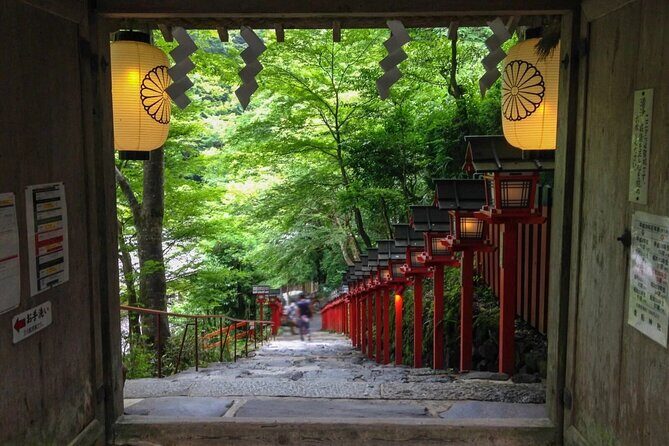
As the hike continues, the trail turns toward Kibune. This is the “pace shift” moment: you’re descending from forest trail into a quieter village atmosphere. That transition matters because your senses catch up. The air changes, the soundscape changes, and you stop feeling like you’re only walking through nature.
From here, you head to Kifune Shrine, dedicated to the goddess of water and rain. That focus on water makes the atmosphere feel different from the temple-up-mountain start. You’re not just walking to another photo site—you’re arriving at a place with a specific spiritual theme.
This section can also be a psychological win. Descending often feels easier than climbing, but it can still be hard on knees. If you have any knee concerns, keep your steps short and controlled and let your guide set a rhythm that doesn’t force you into big strides.




Finish at Kifune Shrine: red lantern steps and water-activated omikuji
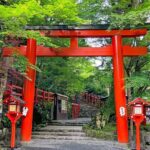
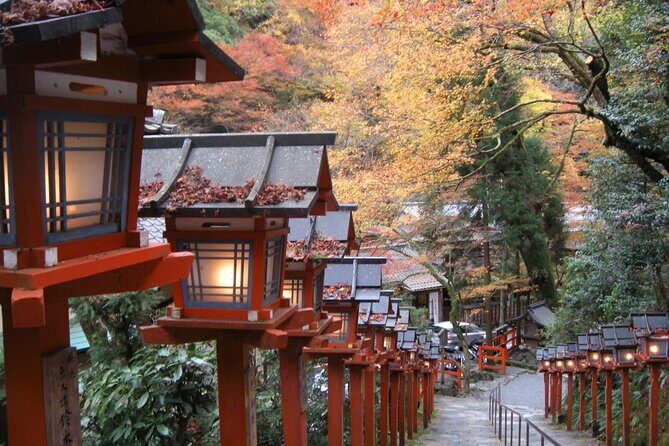
Kifune Shrine is the satisfying finale of the day. The shrine is known for its red lantern-lined staircase, and it’s the kind of scene that photographs well in any season because it has strong color and a clear pathway. More importantly, it feels like you earned your way there—your legs have been working, so the moment lands.
At Kifune, there’s also a practical spiritual activity: you can write wishes on water-activated omikuji (fortune slips). You’re not just looking around. You’re taking part in the ritual at the shrine, which helps the whole hike feel coherent.
If you like meaningful souvenirs, this is the kind that isn’t mass-produced. A fortune slip made through the shrine’s water mechanism connects your day to the place. It also gives you something to slow down for at the end, when you might otherwise rush out to beat crowds or catch trains.
One thing to remember: because this is a guided route, you may not have endless wandering time at the shrine. The best move is to pace yourself so you can enjoy the staircase and the water-ritual moment without feeling like you have to sprint to the finish.
Time, pace, and what to wear on mountain steps
The tour runs about 5 hours 30 minutes, and it includes transport and entry fees. That’s long enough to feel like a real half-day adventure, but short enough that most visitors can still fit it into a Kyoto itinerary without wrecking the next day.
Your fitness level should be moderate. The route is described as steep and uneven in parts, with steep stairs where navigation can be tricky in wet or hot weather. This isn’t “dress like you’re going for a stroll” terrain.
Here’s how I’d prepare if you want the day to feel fun:
- Wear grippy shoes for stairs and possible slick spots.
- Bring water and a small snack, since lunch isn’t included.
- Keep your pace smooth and don’t fight the stair rhythm.
- If you’re sensitive to heat, consider how the forest sections might feel on a warm day.
Also, since the hike involves both city-to-mountain transit and trail walking, you’ll appreciate the guide’s steady pace. Small groups help here too—this tour has a maximum of 12 travelers, so you’re not constantly waiting while someone climbs like it’s an obstacle course.
Price and value: is $165.18 a good deal?
At $165.18 per person, you’re paying for more than just a walk. You’re covering an English-speaking guide, transportation during the tour, and entry fees at the tour locations. The time investment is also meaningful—about 5.5 hours—and the route itself is built around two major stops: Kurama-dera and Kifune Shrine.
So what’s the value?
- You don’t have to design the route or coordinate transit yourself from Kyoto Station.
- You get guided context for what you’re seeing at the temples and shrines.
- You get help managing the tricky parts of a steep trail, especially if the weather is less than ideal.
Is it cheap? No. But you are buying a guided day that pairs scenic rail transit with an organized mountain hike and two high-impact sacred locations. For visitors who want to experience this route without turning it into logistics homework, that value makes sense.
One small “timing” note: the tour is often booked ahead (on average, about 43 days). If you’re aiming for a specific day, don’t leave it to the last minute.
Who should book this Kurama–Kibune guided hike?
This is a strong choice if you want:
- A guided mountain day with context, not just movement
- Temple and shrine stops that connect to the landscape
- A hike that feels rewarding without being an all-day endurance challenge
- A small-group experience with an English guide (max 12)
It’s also a nice fit if you’re the type who enjoys Kyoto when it feels quieter and slightly more local. You’ll spend real time away from the densest areas of town, and the route has that calm, forest-forward tone.
If you hate stairs, this won’t be your easiest day. But if you’re willing to take it slowly and wear good shoes, you should find the hike manageable at a moderate level.
Should you book it? My honest take
I’d book this tour if you want a balanced Kyoto day: Kurama-dera viewpoints, cedar-forest walking, and a memorable finish at Kifune Shrine with the red lantern staircase and water-activated omikuji. The combination of guide support, included entry, and transport makes it feel like a well-supported route rather than a DIY mountain experiment.
I’d think twice if you’re very sensitive to steep stairs or uneven footing—this trail has those conditions. If weather is poor, you’ll still be in safe hands, but you’ll want to be extra practical about shoes and pace.
If you want Kyoto that feels spiritual, outdoorsy, and not overly crowded, this guided Kurama–Kibune hike is one of the cleaner ways to get it.
FAQ
What time does the tour start, and where do I meet?
The tour starts at 9:30 A.M. at Starbucks Coffee – Kyoto Tower SandoJapan (Kyoto Tower building area). The tour ends back at the meeting point.
How long is the hike?
The duration is about 5 hours 30 minutes (approx.).
What’s included in the tour price?
Included are an English-speaking guide, transportation during the tour, and entry fees at the tour locations. You’ll also receive a mobile ticket.
Is lunch included?
No. Lunch is not included.
How strenuous is the hike?
You should have a moderate physical fitness level. The trail includes steep and uneven sections and steep stairways in parts.
Can I cancel and get a full refund?
Yes. You can cancel for a full refund if you cancel at least 24 hours before the experience start time.
If you’d like, tell me what month you’re going and your hiking comfort level (stairs okay or not), and I’ll suggest the smartest way to time the day and prep for the trail.
-150x150.jpg)