REVIEW · FOOD
Kyoto: Nishiki Market Food Tour with Local Guide
Book on GetYourGuide →Operated by Jacalize Co., Ltd · Bookable on GetYourGuide
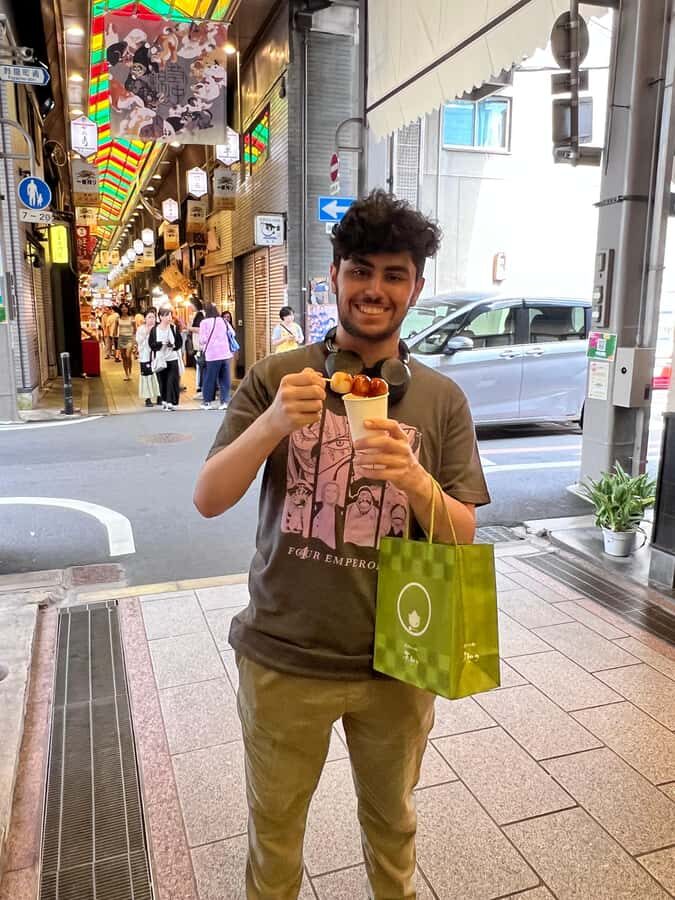
Kyoto’s food begins right on the street. A guided walk through Nishiki Market, often called Kyoto’s Kitchen, turns a simple browse into a story you can taste, with history and culture tied to each bite. I like that the focus stays on Kyoto’s food culture, not just scenery or shopping.
Two things I really appreciate: you get seasonal traditional tastings, and you learn how Buddhist vegetarian cuisine influenced what’s sold here. One consideration: this is a lot of walking in a narrow market, so comfortable shoes and a water bottle matter more than you’d think.
In This Review
- Key reasons this tour works
- Nishiki Market: the five-block heart of Kyoto food culture
- How the guide turns stalls into a real lesson
- What you’ll taste: seasonal bites with Kyoto logic
- Buddhist vegetarian cuisine: a quieter influence you can actually taste
- A practical walkthrough of the tour flow (without the guesswork)
- Price and value: $64 for guide plus tastings, not just sightseeing
- What to bring and how to keep the market experience comfortable
- Who this tour fits best
- Should you book this Nishiki Market food tour?
- FAQ
- FAQ
- Where does the tour take place?
- How much does it cost?
- What’s included in the tour price?
- Is hotel pickup or drop-off included?
- Is the tour offered in English?
- Are vegetarian options available?
- What should I bring?
- Can I take photos in the market?
- What is the cancellation policy?
Key reasons this tour works
- Local guide with real market context so you know what you’re seeing and why it matters
- Food tasting included, not just “look and point” sightseeing
- Seasonality lessons that explain why menu items change with the time of year
- Kyoto Kaiseki connection so the bites make sense as a multi-course idea
- Buddhist vegetarian influence that adds a distinct, thoughtful angle to the stalls
Nishiki Market: the five-block heart of Kyoto food culture
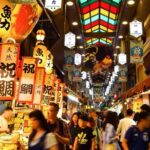
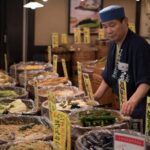
Nishiki Market sits in central Kyoto and runs for about five blocks, packed with shops and stalls that have fed the city for centuries. The market dates back to the early 1300s, starting as a small cluster of fish shops and growing into a long strip of specialty food vendors. Today, you’ll see over 100 stalls and specialty stores, which is exactly why a guide helps: otherwise, you can end up wandering without any sense of what to prioritize.
The best part is that this isn’t food tourism in the generic sense. You’re not only learning what’s tasty. You’re learning how Kyoto thinks about food—seasonal ingredients, careful preparation, and the idea that dining is a series of moments rather than one big plate. The market’s tight streets and constant vendor activity make it a hands-on way to understand why Kyoto’s culinary identity feels so specific.
You’ll also get a guided rhythm to your walk. Instead of trying to read menus written in tiny signage while dodging shoulders, your local guide steers you toward the right stops and explains what’s behind them.
You can also read our reviews of more food & drink experiences in Kyoto

How the guide turns stalls into a real lesson
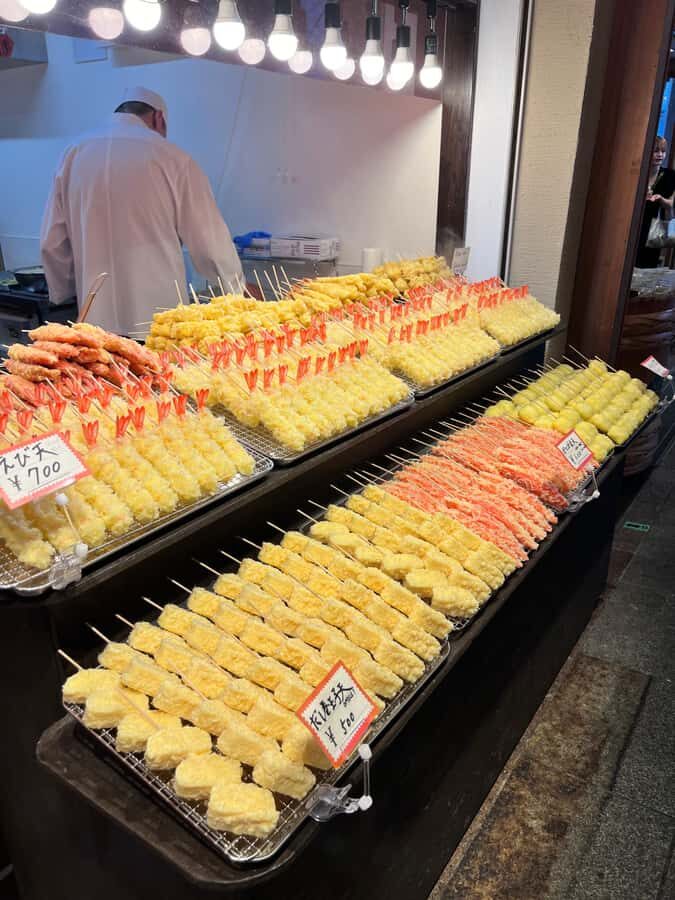
This experience includes a local guide, plus food tastings and cultural and historical insights. That combo matters because Nishiki Market is information-heavy. Everything looks important—different sauces, fresh goods, snacks behind glass—so without context, you can miss the point.
A good guide does two jobs at once. First, they help you pick bites that fit your group and timing. Second, they give you the story that makes those bites stick in your memory. On this tour, that story includes the market’s long evolution and the deeper ideas behind Kyoto dining.
It’s also where the guide’s personality shows. In one highlight, the guide Steven was praised for being exceptionally knowledgeable and kind. One review even noted that Steven handled a fall with fast, helpful support—exactly the kind of calm competence you want when you’re walking closely through a crowded market.
If you’re the type of traveler who likes to understand what you’re eating, this is built for you. If you just want to “grab whatever smells good,” you’ll still get plenty of that—but you’ll also come away knowing what you tasted and why it belongs to Kyoto.
What you’ll taste: seasonal bites with Kyoto logic
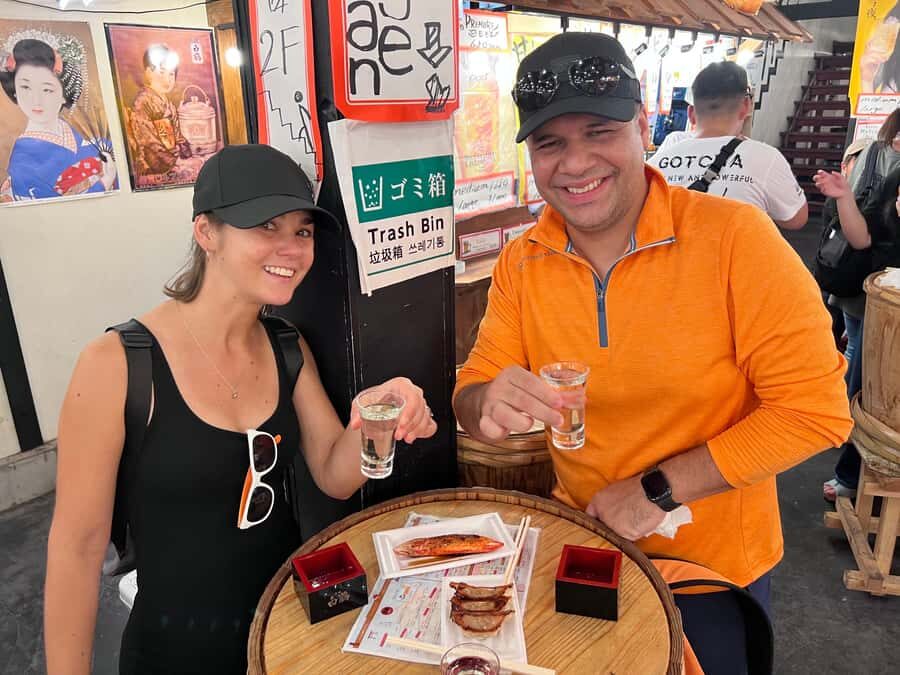
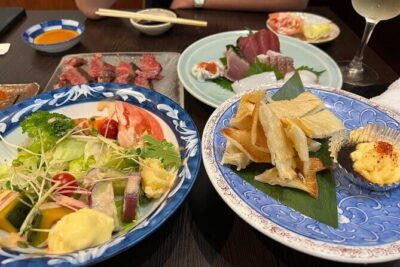
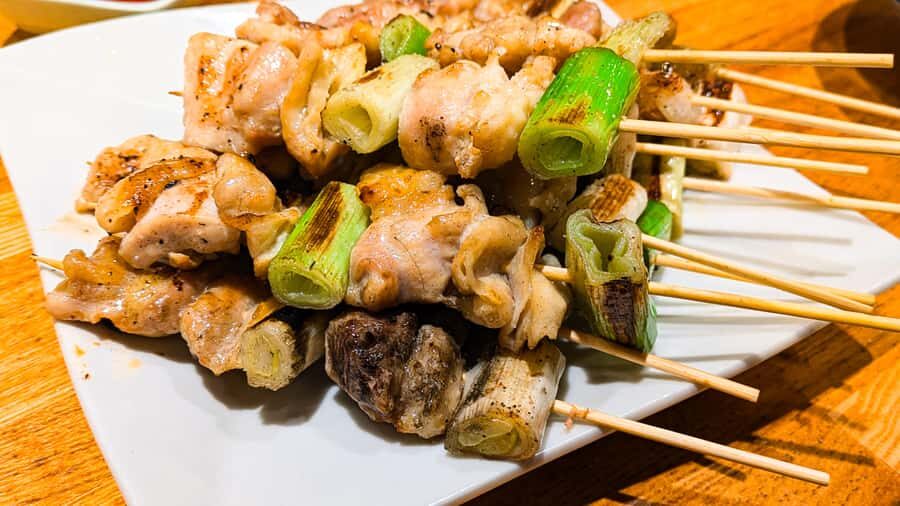
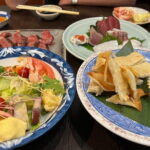
The tour includes food tasting, and it specifically mentions trying different seasonal traditional food. That’s a big deal in Kyoto. Here, the point isn’t only flavor; it’s timing. The market reflects the seasons in ingredients and preparations, so what you try can vary depending on when you go.
You’ll also hear about the philosophy behind Kyoto dining, including Kyoto Kaiseki, the idea of a multi-course experience. Even if you’re not sitting in a formal restaurant, that concept shows up in how the tour is paced: you’re not usually eating one random snack and calling it done. You’re sampling in a way that teaches you how Kyoto food is meant to unfold—small portions that each make a point.
Think of it like this: Nishiki Market is packed. Seasonal change is constant. Kyoto Kaiseki gives the structure to turn that chaos into understanding. Your tastings become more than snacks; they become little lessons.
Buddhist vegetarian cuisine: a quieter influence you can actually taste
One of the more interesting angles built into the tour is the influence of Buddhist vegetarian cuisine on the market. Kyoto has strong ties to temple culture, and that history shows up in food habits and preferences in ways that feel surprisingly practical. Even if you don’t think about religion while you’re shopping for snacks, the flavors and ingredients carry an imprint.
This matters for two reasons.
1) It broadens your idea of what Kyoto cuisine can be. You might walk in expecting only seafood and pickles. The tour steers you toward understanding why plant-based foods also play a major role here.
2) It gives you a framework to notice details while tasting. Vegetarian cooking traditions often emphasize balance—texture, bitterness, umami from different sources—so once you hear the background, you’ll pick up more nuance than you would by taste alone.
If you’re vegetarian or at least curious about plant-based Japanese food, this is one of the best ways to learn without needing restaurant reservations. And if you do want vegetarian options, you should notify in advance; the tour notes that vegetarian options are available.
A practical walkthrough of the tour flow (without the guesswork)
Because the tour is designed around a guided market walk, you can expect a flow like this:
First, you’ll start by getting oriented in Nishiki Market and hearing the history and why the market matters. This is where the time investment pays off. Nishiki isn’t a one-day novelty stop; it’s an old food corridor, and that perspective makes the rest of your visit feel less random.
Next, your guide leads you through a curated sequence of tasting moments. The goal is variety and seasonal relevance, not just piling on sweets or repeating the same flavor.
Then comes the part that makes the tastings click: you’ll connect what you’re tasting to Kyoto ideas like Kyoto Kaiseki and the broader food philosophy of the city. As you move through stalls, you’ll understand how multiple small items can add up to a coherent dining experience.
Later, the tour includes the cultural/historical context behind what’s sold here, including the Buddhist vegetarian influence. That’s a useful reminder that markets aren’t only about convenience—they’re also about traditions.
Finally, as you continue down the five-block route, you’ll be better equipped to decide what to buy afterward. The tour ends with you leaving the market with a fuller belly and a clearer idea of what to look for if you return on your own.
The main drawback to planning your own market day is the decision fatigue. A guided structure saves you from that. The only trade-off is that you’re moving as a group, so you’ll be a step less free to stop and browse slowly.
You can also read our reviews of more tours and experiences in Kyoto

Price and value: $64 for guide plus tastings, not just sightseeing
At $64 per person, you’re paying for three core things that are hard to replicate quickly on your own: a local guide, food tastings, and cultural and historical insights. If you’ve ever tried to do Nishiki Market solo, you know the problem. You can absolutely walk through and buy snacks, but you’ll likely overpay for things you don’t understand, or you’ll miss the best choices because you don’t know the logic.
With the guide-led tastings, the value is in efficiency and interpretation. You’re not only consuming food—you’re learning how Kyoto food thinking works in real market conditions.
One cost-related note: hotel pickup and drop-off aren’t included. That’s common, but it changes how you plan your day. You’ll want to make sure you can arrive at the meeting point on time under your own steam.
If you’re visiting Kyoto for the first time and you want to use limited sightseeing hours well, a guided food tour is one of the more cost-effective ways to pack in both flavor and meaning.
What to bring and how to keep the market experience comfortable
You’ll do a lot of walking, and Nishiki Market is narrow. Bring comfortable shoes with grip. This isn’t the place for delicate soles. Also bring a water bottle; the tour specifically advises it so you can stay hydrated while moving stall to stall.
Photography is encouraged, but be respectful. The tour suggests asking vendors before taking photos, which is the polite move and helps you avoid awkward moments when you’re close to someone working.
If you’re traveling as a vegetarian, tell the operator in advance so the tour can prepare options for you. That small step matters because market food is often meat- or seafood-adjacent, and you’ll want tastings that feel intentional, not improvised.
And if you’re the kind of planner who watches the clock, keep flexibility in mind: the tour notes that last-minute booking might have to be canceled. So if your schedule is tight, you’ll feel safer booking earlier when you can.
Who this tour fits best
This is a great fit if you:
- Want to taste Kyoto without turning the day into constant decision-making
- Like learning the why behind what you eat (history, culture, cooking philosophy)
- Care about seasonal food and how it changes through the year
- Prefer a guided pace through a crowded market
- Want vegetarian options (just notify ahead)
It’s also a solid choice if you’re traveling with someone who needs help navigating crowds and narrow streets. One review highlighted the guide’s quick support when a partner fell, which is a reminder that good guidance isn’t only about food—it’s also about keeping the group safe and comfortable.
If you hate group tours or you want total wandering freedom, you might find the guided structure limiting. But for most people, the guide’s context is exactly what makes Nishiki feel less overwhelming and more memorable.
Should you book this Nishiki Market food tour?
I’d book it if you want a Kyoto market visit that teaches you something real while you eat. For $64, you’re getting a local guide, tastings, and cultural/historical context—three things that turn Nishiki Market from a shopping street into a story you can understand. The strong marks for Steven’s knowledge and kindness make it especially attractive if you value calm, capable guiding.
I’d think twice if you’re expecting a laid-back, slow stroll with zero movement. This is a walking experience, and comfort matters. If you’re prepared with good shoes, water, and a bit of patience for crowd flow, it’s a strong value way to understand Kyoto through food.
FAQ
FAQ
Where does the tour take place?
The tour focuses on Nishiki Market in Kyoto.
How much does it cost?
The price is $64 per person.
What’s included in the tour price?
It includes a local guide, food tasting, and cultural and historical insights.
Is hotel pickup or drop-off included?
No, hotel pickup and drop-off are not included.
Is the tour offered in English?
Yes, the tour language is English.
Are vegetarian options available?
Yes. Vegetarian options are available, and you should notify in advance if you require them.
What should I bring?
Wear comfortable shoes for walking, and bring a water bottle to stay hydrated.
Can I take photos in the market?
Photography is encouraged, but you should ask vendors first and be respectful while taking photos.
What is the cancellation policy?
You can cancel up to 24 hours in advance for a full refund.