REVIEW · TEA CEREMONY EXPERIENCES
Tea Ceremony Experience in Kyoto
Book on Viator →Operated by Travel Japan Together · Bookable on Viator
Matcha teaches you to slow down. This Kyoto tea ceremony focuses on hands-on matcha preparation and a calm, mindful pace, all guided by Chisato at a one-hour session that’s easy to slot into your day.
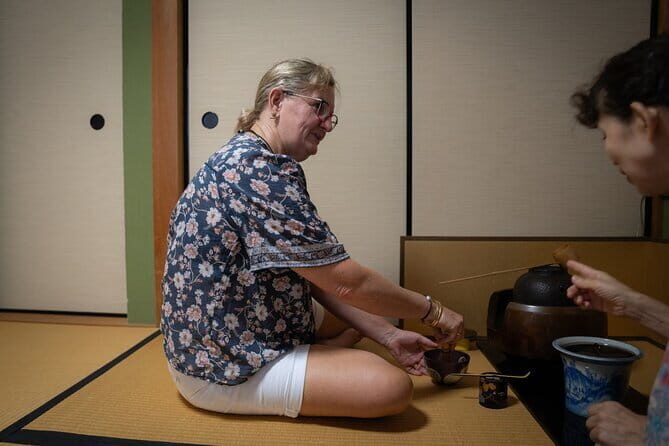
I especially liked that you can make your own tea if you want, instead of just watching. And the experience leans into real etiquette and staying present, with Chisato explaining the steps and the meaning behind them in a friendly, beginner-accessible way.
One thing to plan around: it isn’t wheelchair accessible, and the setup is straightforward rather than a full kimono-style production.
Key highlights to know before you go
- You’ll learn matcha step-by-step and get a turn whisking, not just tasting
- Chisato is the host/teacher, with 30+ years of experience and a welcoming teaching style
- Wagashi + matcha are included, so you can focus on the ritual instead of shopping
- Small group (up to 6 travelers) keeps questions and attention manageable
- Easy location to reach on foot from Demachiyanagi Station and the Kamogawa Delta area
- Mobile ticket makes check-in less of a hassle on a busy Kyoto day
In This Review
- Why This Kyoto Tea Ceremony Feels Different From a Show
- Meeting Chisato: Getting There From Demachiyanagi Station and Kamogawa Delta
- What You’ll Learn: Matcha Whisking, Precise Movements, and Tea Mindfulness
- The Included Wagashi: Why Kyoto Sweets Matter Here
- The 1-Hour Flow: What Happens Once You Sit Down
- Price and Value: Is $39.09 Fair for a Kyoto Matcha Session?
- Who This Is Best For (and Who Might Want a Different Option)
- Should You Book This Tea Ceremony Experience?
- FAQ
- How long is the tea ceremony experience?
- Where is the meeting point?
- Is a mobile ticket provided?
- What’s included in the price?
- Is kimono included?
- Are tips included?
- Can I make my own matcha?
- How big is the group?
- Is it wheelchair accessible?
- Can I cancel for a full refund?
Why This Kyoto Tea Ceremony Feels Different From a Show
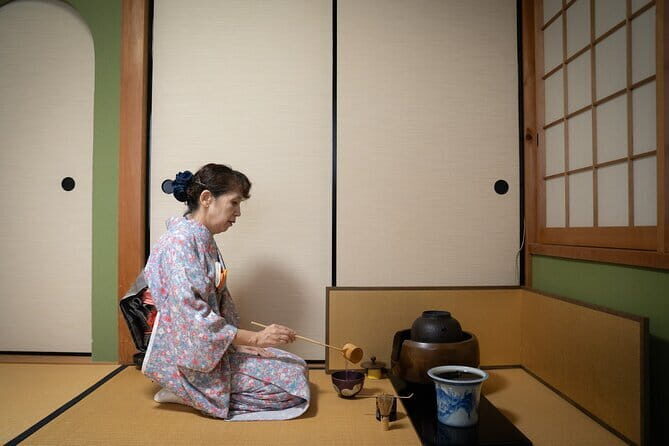
A good tea ceremony doesn’t feel like performance. It feels like practice. That’s the tone here: you’re guided through how to prepare matcha, with an emphasis on mindful, careful movements that reflect respect and attention. Even if you know nothing about tea, the session is built to help you understand what you’re doing and why it matters.
Two things really help this experience land well. First, you’re not locked out of the “doing” part. If you wish, you can prepare the tea yourself—whisking powdered matcha and learning the rhythm that makes it foam and feel right. Second, the teaching connects etiquette to mindset. You’re encouraged to be present, and the whole flow is aimed at lowering that nervous first-timer feeling that can come with traditional Japanese rituals.
The one trade-off is that it’s not positioned as a large, elaborate cultural spectacle. It’s a focused, instructional session. If what you want is a long event with lots of extras (like kimono), you may find it lighter than you expect.
Meeting Chisato: Getting There From Demachiyanagi Station and Kamogawa Delta
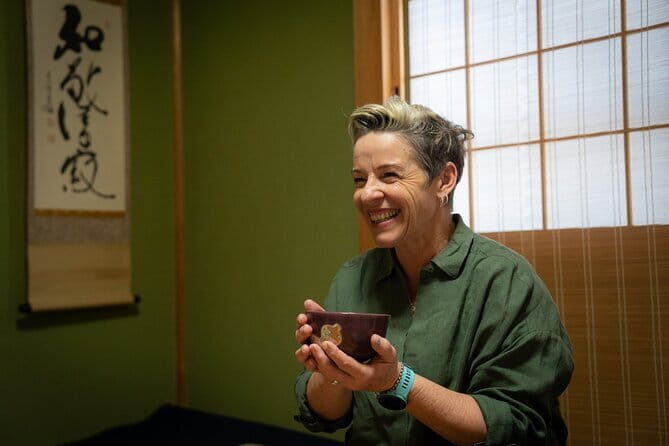
You meet at Tea Ceremony Experience Chisato, 67-23 Shimogamo Matsunokichō, Sakyo Ward, Kyoto, 606-0816, Japan. The session ends back at the same meeting point, so you don’t have to map out where to go next.
Location-wise, it’s convenient. You’re about a 15-minute walk from the Kamogawa Delta, where people come for a quiet riverside break. You’re also around a 15-minute walk from Demachiyanagi Station, which is handy if you’re planning to continue on toward areas like Kibune Shrine and Rurikou Temple.
If you like planning days with momentum, this spot works well. You can start with the tea ceremony as a calming reset, then head out after for shrine-and-temple time. And because you get a mobile ticket, you can keep things simple on your phone instead of juggling paper.
You can also read our reviews of more tours and experiences in Kyoto.



What You’ll Learn: Matcha Whisking, Precise Movements, and Tea Mindfulness
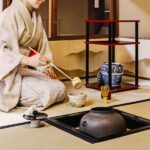
The heart of the experience is matcha preparation under the guidance of a teacher with 30+ years in the craft. This matters because matcha isn’t just a drink you mix up. It’s a procedure—powder, whisking, timing, and the kind of careful movement that slows your body down as you do it.
Here’s what you can look forward to learning:
- How to prepare matcha from start to serving
- How whisking technique works—especially the kind of motion that helps you get the right texture
- The basic idea behind the ceremony: harmony, mindfulness, and respect expressed through small actions
Chisato teaches in English, and the vibe is supportive. One review note you should take seriously: if you have questions, keep them straightforward. The session is meant to be welcoming, but you’ll get the best back-and-forth if you ask simply and clearly.
Also, don’t be surprised if your teacher seems a bit composed-on-the-edge at the start. One guest mentioned Chisato looked nervous in the beginning, then settled into confident, attentive guidance. That’s totally normal for people who care—once the rhythm starts, the teaching becomes more natural and calm.
The Included Wagashi: Why Kyoto Sweets Matter Here
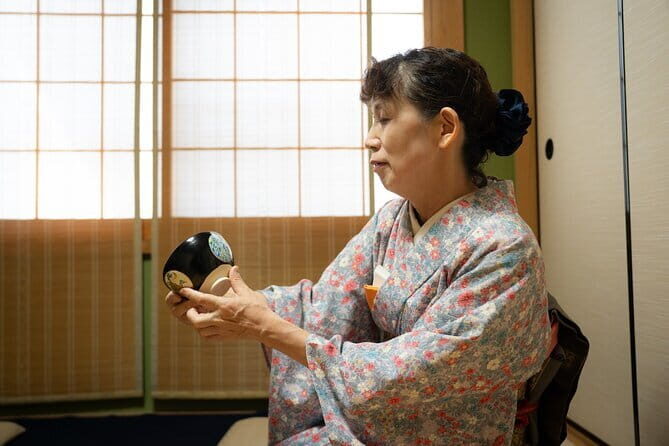
You don’t just get matcha. You also get wagashi, the traditional sweets served alongside tea. These sweets are included, which is a big deal for value and comfort. You’re not stuck figuring out where to buy a snack first or hunting down a vending-machine backup if you arrived hungry.
More than that, wagashi is part of the ceremony’s pacing. It changes how you experience the tea. You sip slowly, taste the sweetness and texture, then move into the matcha flavor with a calmer palate. This is the kind of detail that makes the ceremony feel intentional instead of like a quick drink stop.
From the experience descriptions and feedback, the wagashi and matcha combo really lands. People talk about enjoying the ritual in a calm, relaxed setting, with a host who’s patient and kind while you learn the process.
The 1-Hour Flow: What Happens Once You Sit Down
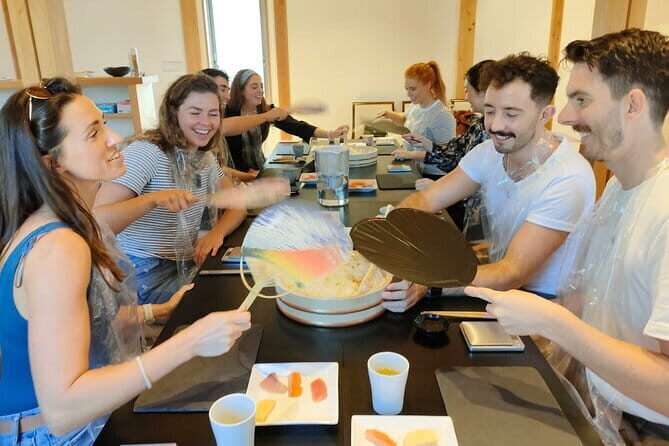
The session runs about 1 hour and is designed to be doable even on a full Kyoto itinerary. You’ll be with a small group (maximum of 6), which helps because you’re not lost in a crowd.
While the exact minute-by-minute schedule isn’t spelled out, the structure is clear:
- You begin with an introduction and guidance on the ceremony’s meaning and respectful approach.
- You move into matcha preparation and learn the whisking process.
- If you want, you take part in making your own tea, using the guidance as you go.
- You then enjoy the matcha with the included wagashi in a quiet, focused moment.
Because it loops back to the meeting point, you can plan this like a self-contained cultural appointment. It’s the kind of experience you can do before lunch or in the afternoon when you want something slower than walking temple-to-temple.
One practical note: this isn’t a “bring your own tea set” situation. Matcha is included, and the guide provides what you need for the experience. So you can show up, follow along, and spend your mental energy on learning instead of logistics.
Price and Value: Is $39.09 Fair for a Kyoto Matcha Session?
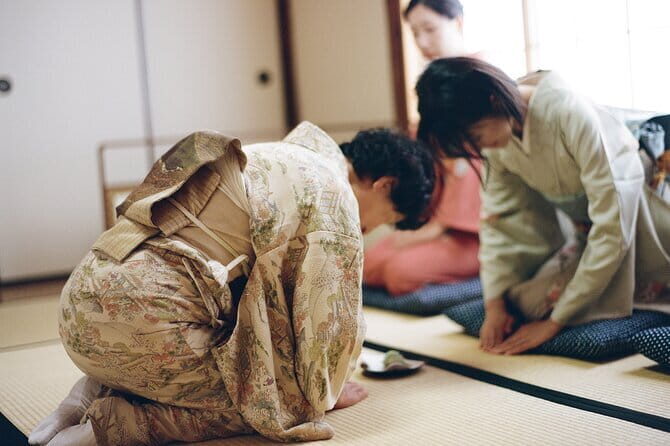
At $39.09 per person for about an hour, the pricing makes sense if you look at what you receive, not just the time. You’re paying for:
- Instruction from a long-experienced teacher (Chisato)
- All matcha materials included
- Wagashi included
- A guided, step-by-step explanation focused on making the tea yourself
For a cultural experience, that’s the key value equation. You’re not just buying entry. You’re buying guidance and ingredients that would cost time and effort to organize yourself.
The small group cap (up to 6) also affects value. With fewer people, you’re more likely to get real attention and a chance to participate instead of rushing through the ceremony while others watch.
And since it includes wagashi and matcha, you’re reducing the guesswork. You won’t leave thinking you forgot something or needed to add a snack after.



Who This Is Best For (and Who Might Want a Different Option)
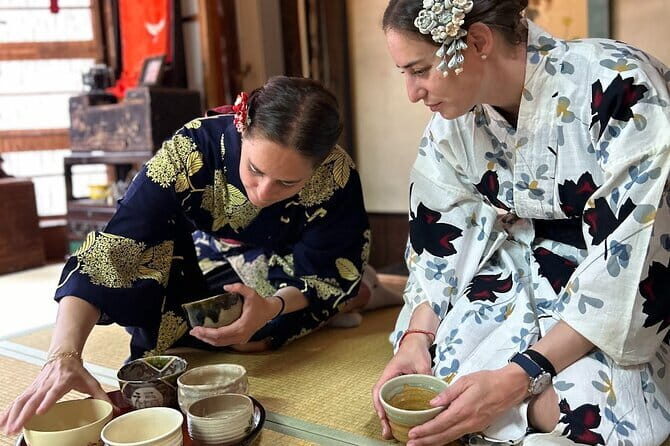
This tea ceremony is a strong fit if you:
- Want a beginner-friendly introduction to Japanese tea culture
- Like hands-on learning, especially preparing matcha yourself
- Prefer calm, guided experiences over fast-paced sightseeing
- Travel with kids or family and appreciate patient instruction (one review highlighted how accommodating it was for small children)
It may be less ideal if you:
- Need wheelchair access (the session is not wheelchair accessible)
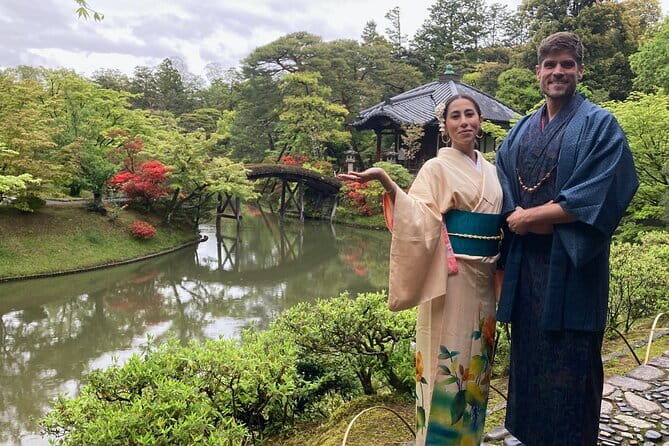
- Are specifically looking for a kimono experience (kimono isn’t included)
- Want a longer, multi-hour deep ritual with lots of additional program elements
If you’re trying to build a Kyoto day with a clear “before and after,” this works well. Pair it with riverside time at the Kamogawa Delta area or temple visits that start near Demachiyanagi Station.
Should You Book This Tea Ceremony Experience?
Book it if you want a calm, respectful Kyoto cultural moment that teaches you real matcha preparation and gives you a turn at making the tea. The combination of Chisato’s long experience, the chance to whisk your own matcha, and the included wagashi makes it feel practical and worth the money.
Skip it if mobility access is a concern, or if you’re expecting kimono included and a more theatrical, all-day production. This is a focused class-style ceremony: thoughtful, gentle, and centered on what you do with your hands and your attention.
If you’re the type who enjoys learning rituals instead of just collecting photos, this one should fit your style nicely.
FAQ
How long is the tea ceremony experience?
It lasts about 1 hour.
Where is the meeting point?
The meeting point is Tea Ceremony Experience Chisato, 67-23 Shimogamo Matsunokichō, Sakyo Ward, Kyoto, 606-0816, Japan.
Is a mobile ticket provided?
Yes. The experience uses a mobile ticket.
What’s included in the price?
Matcha, wagashi (Japanese sweets), and a guide are included.
Is kimono included?
No, kimono is not included.
Are tips included?
Tips are not included.
Can I make my own matcha?
Yes. You can make your own tea if you wish, with guidance from the teacher.
How big is the group?
The maximum group size is 6 travelers.
Is it wheelchair accessible?
No, the experience isn’t wheelchair accessible.
Can I cancel for a full refund?
Yes, you can cancel for a full refund up to 24 hours in advance of the experience’s start time.