REVIEW · EVENING EXPERIENCES
Kyoto Evening Gion Food Tour
Book on GetYourGuide →Operated by Arigato Travel KK · Bookable on GetYourGuide
Lantern light turns Gion into a movie. On this Kyoto Evening Gion Food Tour, you spend 3 hours walking old-school alleyways and learning how maiko and geiko culture works today, not just how it looks in photos. You also get Kyoto’s food story told in real courses: snack stops plus a proper kaiseki dinner.
I especially like two things: the small group format (limited to 10) makes the guide’s explanations feel personal, and the food moments connect to what you’re seeing on the streets, from teahouses to seasonal dining. Guides named Miki, Sae, Ellen, Marie, Mickey, Rosalia, and Russ have stood out for being friendly, energetic, and patient, even when people had questions or needed help with restrictions.
One consideration: this isn’t a nonstop “street-food buffet” kind of experience. Most of the food payoff is the 10-course kaiseki dinner at the end, so plan your expectations for a walking evening with snacks along the way, then a full meal finale.
In This Review
- Key things that make this Gion night tour worth it
- Kyoto at night: why Gion and Shirakawa work so well
- The culture lesson: maiko and geiko stories that make the streets make sense
- Snacking in Kyoto: how the bite-sized stops teach you what matters
- The kaiseki finale: a 10-course dinner that’s all about seasons and craft
- Architecture walk: cobblestones, teahouses, and the quiet beauty of Shirakawa
- Price and what you’re actually paying for
- Who should book this Kyoto evening food tour
- Practical tips so your night runs smoothly
- Should you book the Kyoto Evening Gion Food Tour?
- FAQ
- How long is the Kyoto Evening Gion Food Tour?
- Where do we meet for the tour?
- How big is the group?
- What’s included with the dinner?
- Is hotel pickup included?
- What should I do if I have food allergies or dietary needs?
- Do adults need to share passport information?
- Is there free cancellation?
Key things that make this Gion night tour worth it
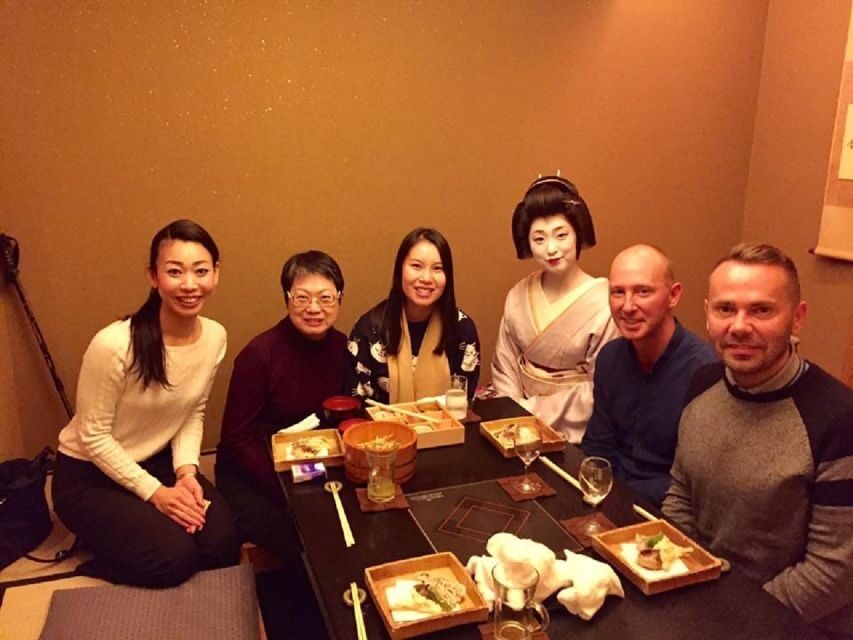
- Maiko and geiko context while you walk: You get the history and the current practices, matched to what’s around you.
- 10-course kaiseki as the main event: Expect seasonal flavors served thoughtfully on Japanese ceramics, not a simple set menu.
- Several snack stops, not just one: You’ll sample traditional bites in addition to the dinner.
- Gion and Shirakawa by evening light: Lantern glow + quiet alleys make the architecture part of the experience, not a side quest.
- Guides who handle pacing and questions: Past groups describe guides who don’t rush and explain clearly.
- You’ll need to plan for a passport copy: Participants aged 10 and over must provide passport information.
Kyoto at night: why Gion and Shirakawa work so well
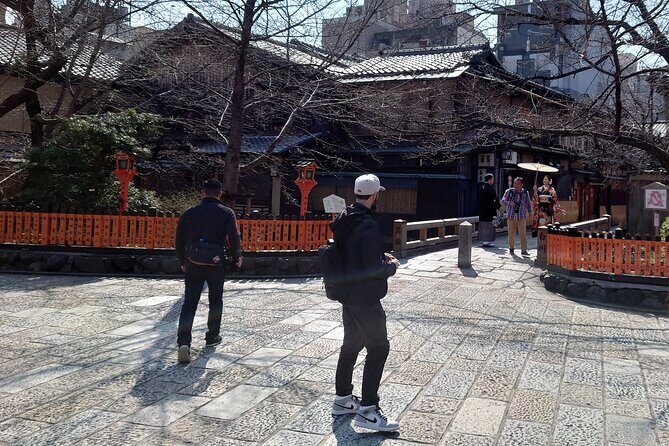
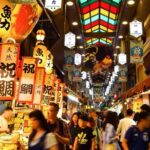
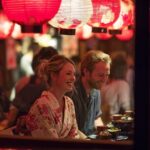
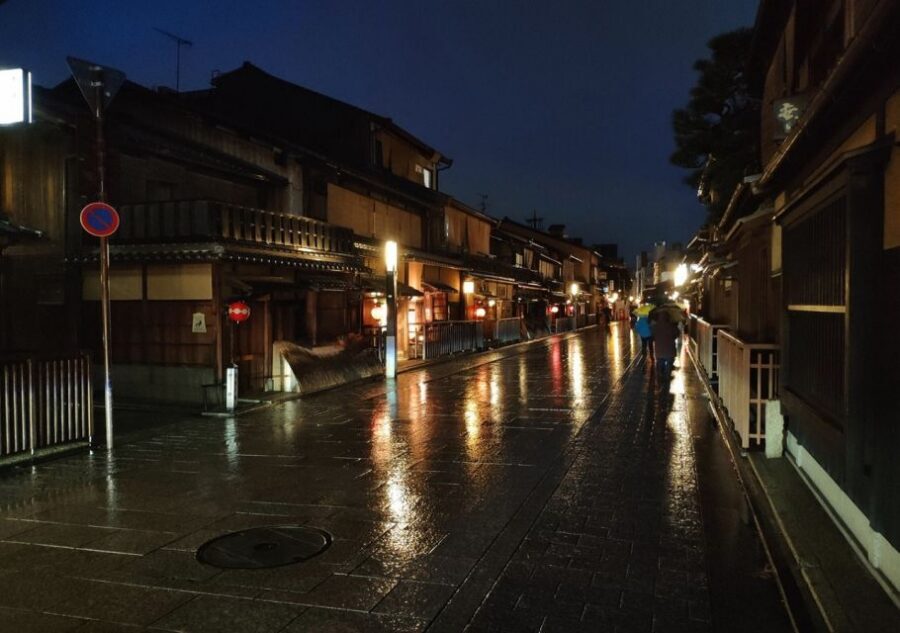
Kyoto’s daytime can be intense. By evening, the city slows down just enough for Gion to feel like itself instead of a stage. On this tour, twilight is the whole point: lanterns flicker on, streets look warmer, and the teahouse-lined lanes start to read like living neighborhoods.
You’re walking in an area people associate with geisha culture, but the best part is you’re not just looking—you’re learning how the culture functions. That makes the visuals stick. When you understand what you’re seeing, you stop treating it like scenery.
Also, the 3-hour length is a good sweet spot. You get enough time to cover meaningful ground without feeling like you’ve been marching since check-in.
You can also read our reviews of more food & drink experiences in Kyoto

The culture lesson: maiko and geiko stories that make the streets make sense
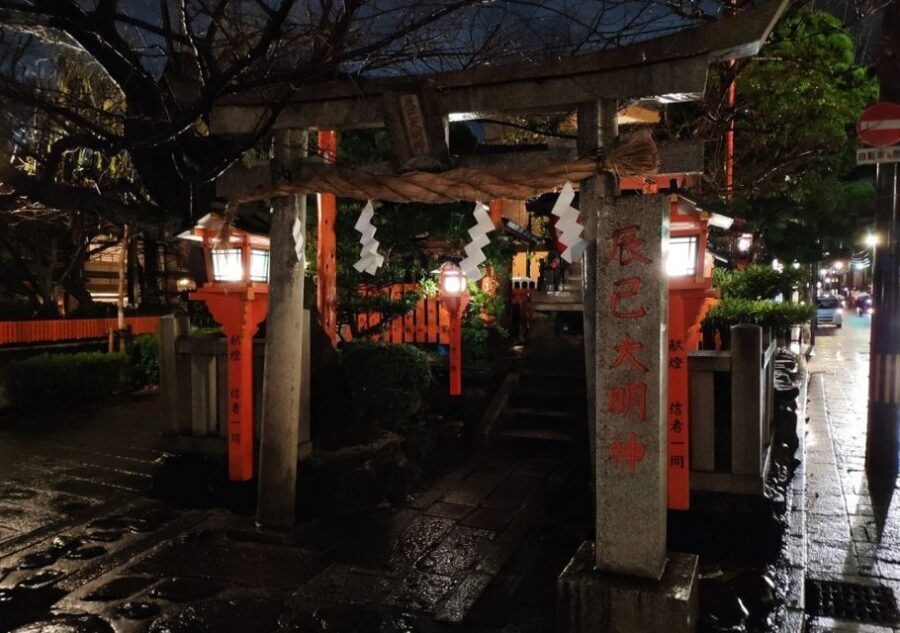
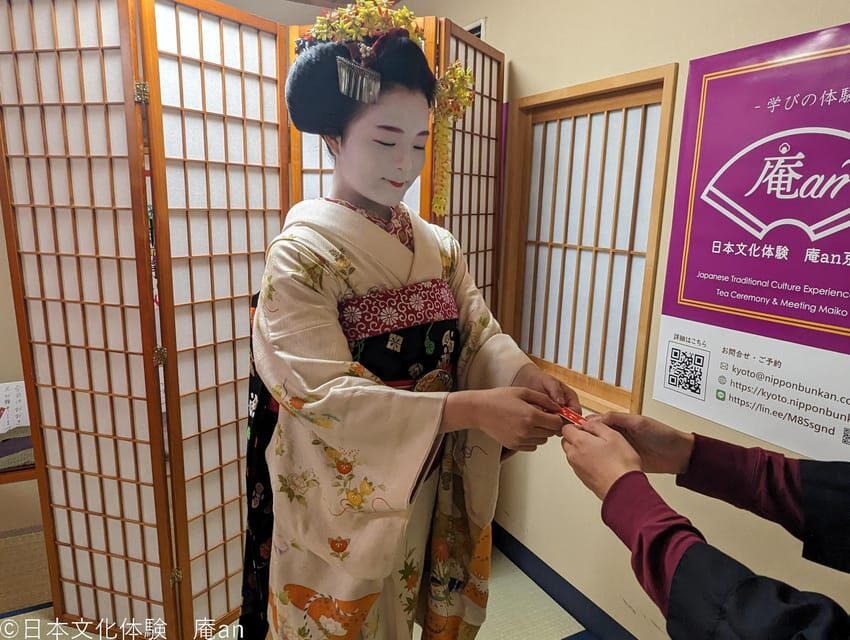
This tour doesn’t try to turn geisha culture into a mystery-meets-movie moment. Instead, you’ll learn history plus current practices of maiko and geiko culture while you’re in the districts where it’s tied to daily life.
The practical value here is simple: you’ll know what to look for as you pass along the streets—things that would otherwise fly by. People talk about geisha districts as if they’re frozen in time. A good guide helps you see what’s real, what’s ceremonial, and what’s changed over the years.
And you’re not doing this alone. The tour is run by a local English-speaking guide, and small-group size matters. With limits to 10 participants, it’s easier to ask questions and get answers that fit your curiosity instead of hearing a lecture aimed at the average tourist.
Snacking in Kyoto: how the bite-sized stops teach you what matters
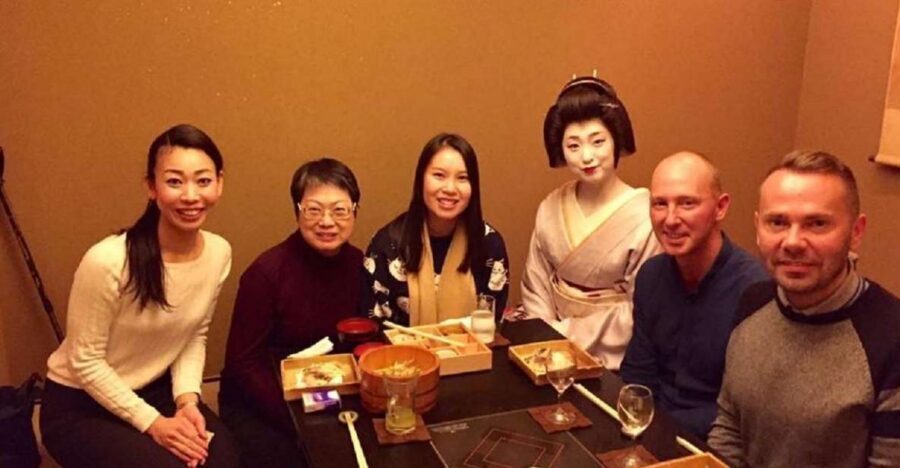
Yes, you’ll eat. But the eating is built into the learning rhythm.
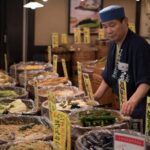
The tour includes several snack stops, designed to sample Kyoto’s traditional cuisine along the way. That’s helpful because Kyoto food isn’t just about one famous dish. It’s about technique, seasonality, and how flavors are balanced—often in small, precise portions.
Here’s how I’d use this tour if I were planning my own Kyoto nights:
- Treat the snacks as orientation bites. You’re tasting “ideas,” not trying to fill up for the rest of your trip.
- Let the kaiseki dinner at the end be your main meal. It’s where the full story lands.
There’s one catch to keep in mind: one past group described the evening as more of a Gion neighborhood walk finished with dinner, with only a couple of bite samples along the way. So if your top priority is lots of separate street-food stops, you might want to plan one extra snack stop later on your own.
The kaiseki finale: a 10-course dinner that’s all about seasons and craft
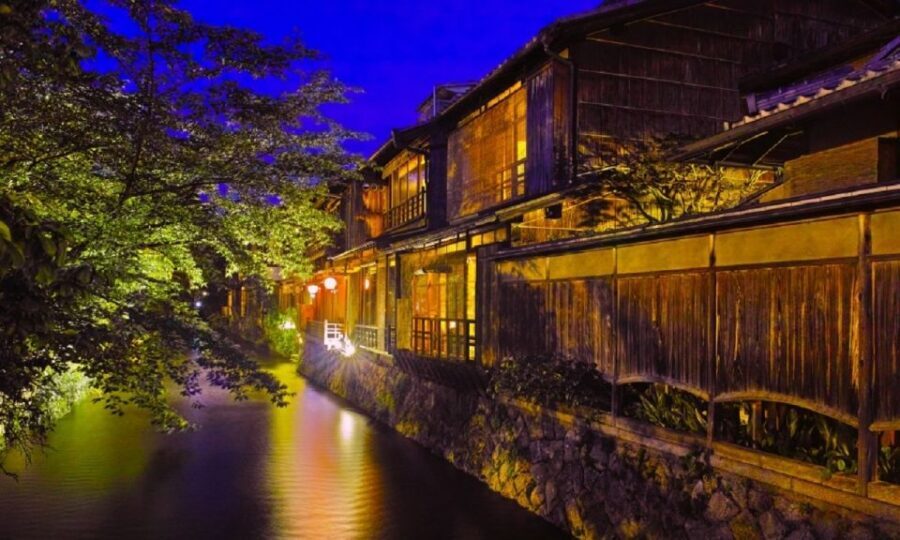
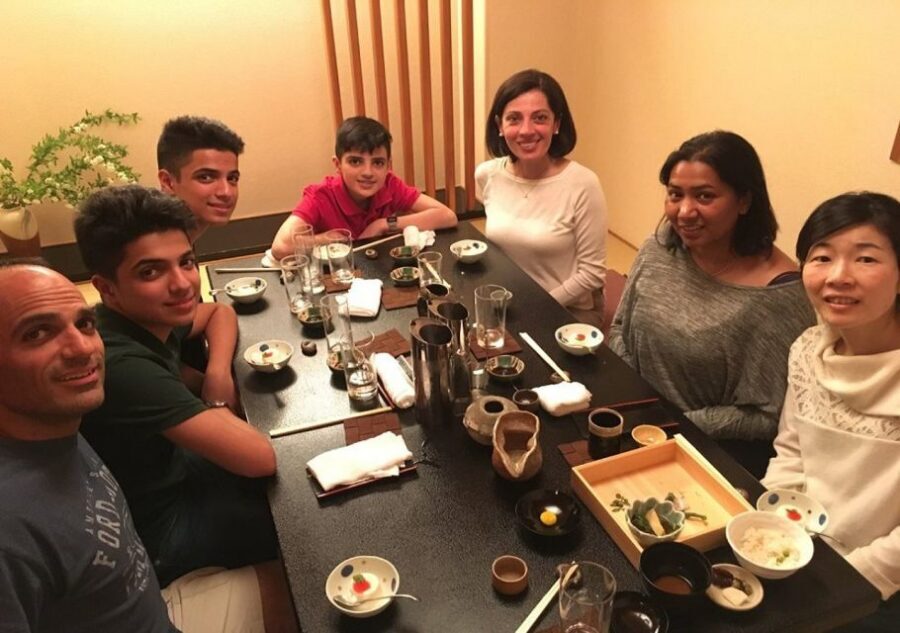
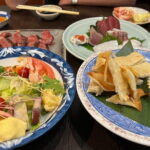
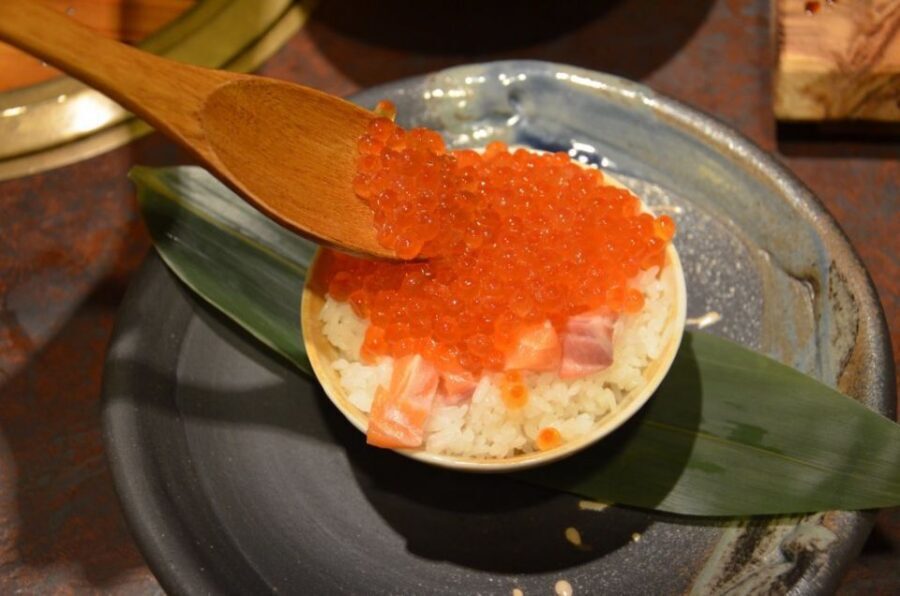
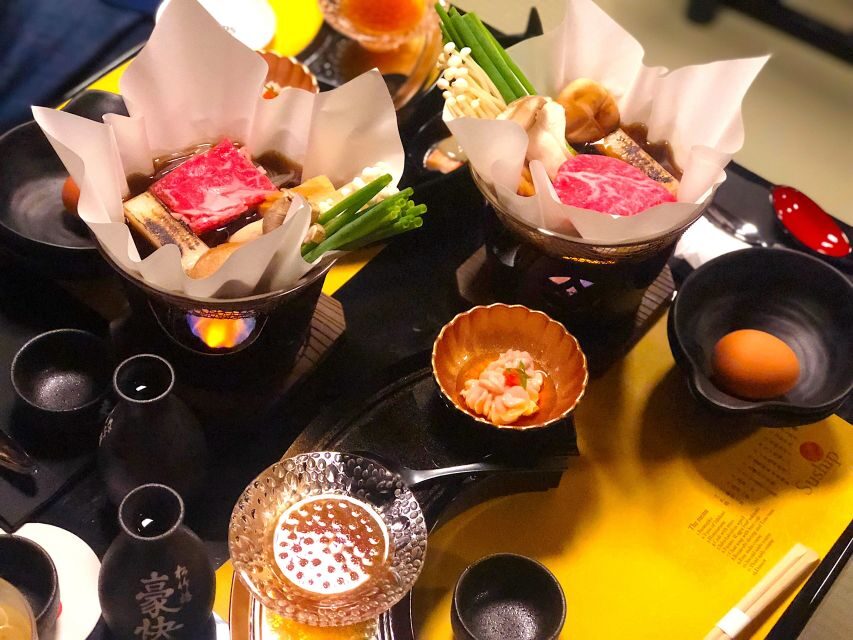
The highlight is the meal. Your evening culminates in a 10-course kaiseki dinner, plus dessert and one included drink.
Kaiseki is Kyoto dining at its most intentional. Expect seasonal and regional food served as a multi-course flow—built like a small art exhibit on plates and ceramics. The goal isn’t just taste. It’s the way the meal moves from dish to dish, including texture, aroma, temperature, and visual presentation.
From the description, you can look forward to flavors that are unmistakably Kyoto:
- miso-forward umami notes
- yuba sweetness and delicate mouthfeel
- grilled fish with a subtle smoky edge
That lineup matters because it gives you a range of Kyoto textures in one sitting. If you’re the type who likes to understand what you’re eating, this is a big win. If you just want something delicious, it’s also a big win—because kaiseki tends to deliver consistently.
One more practical thing: because it’s a set dinner, you don’t have to guess what restaurant to pick, what to order, or how adventurous you should be. Your guide handles the “where” and “how” so you can focus on enjoying it.
Architecture walk: cobblestones, teahouses, and the quiet beauty of Shirakawa
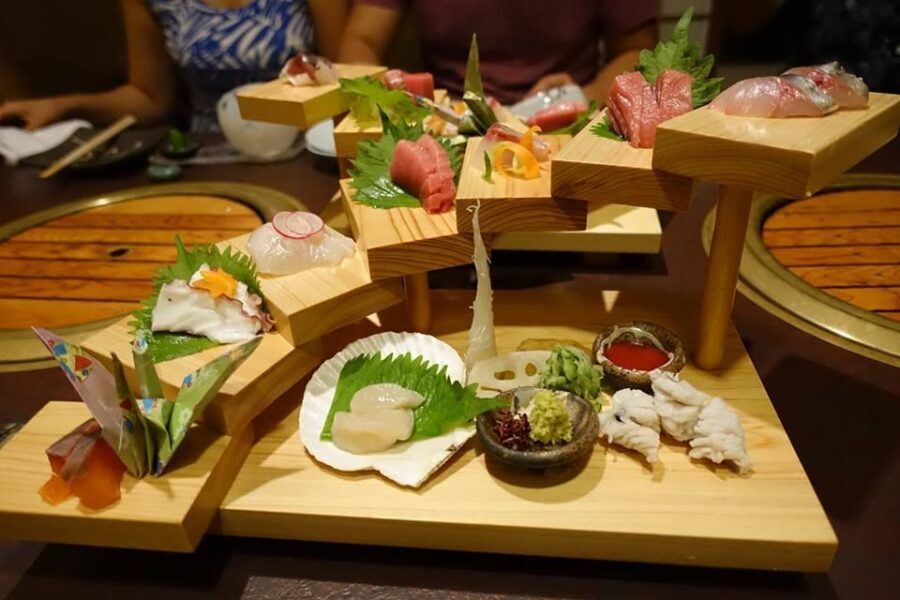
The walking portion is where the night turns from meal into story.
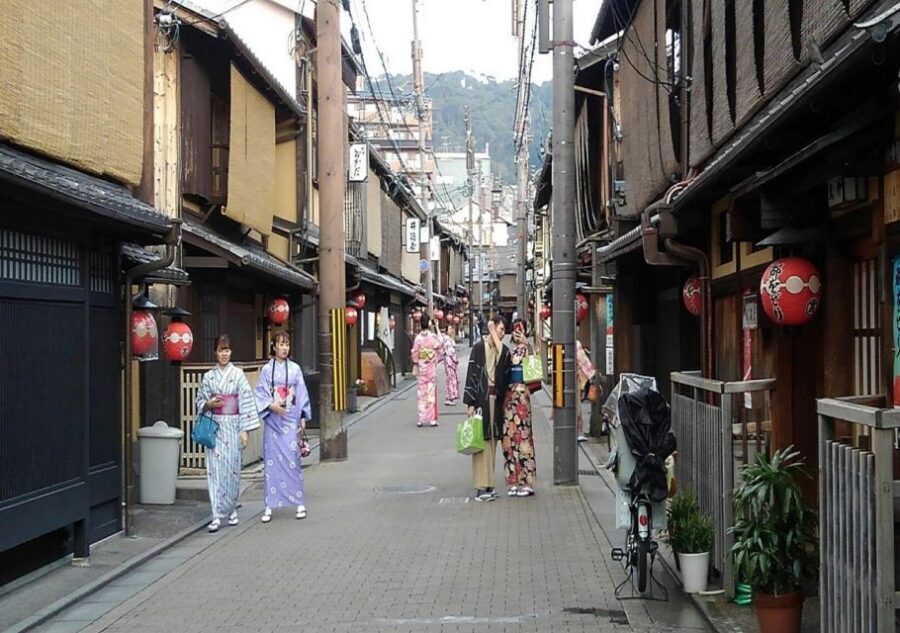
You’ll move through historic alleyways in Gion and Shirakawa, areas known for teahouses and old streetscapes. Twilight lanterns make a difference here. Daytime photos often look busy; evening light softens the edges and lets details stand out—wood facades, narrow lanes, and the kind of architecture you don’t notice at 11 a.m.
A walking tour like this is also valuable because it slows your pace. You get time to notice street life instead of bouncing from landmark to landmark. That matters in Kyoto, where the “real” charm is in how districts connect to each other.
Comfort note: bring comfortable shoes. You’re on your feet for the full 3 hours, and the streets are the kind that reward good footing.
You can also read our reviews of more tours and experiences in Kyoto

Price and what you’re actually paying for
At $216 per person, this tour isn’t a budget snack-and-stroll. But the value can be solid if you want the package: guide + curated neighborhood walk + snack sampling + a full 10-course kaiseki dinner plus dessert and one drink.
Think of what that dinner costs on its own in Kyoto. Then add the fact that you’re not just eating—you’re getting cultural explanations that make the district readable. For many people, that’s where the money goes from “pricey” to “fair.”
This is also why the snack portion shouldn’t be your only expectation. If you treat the tour as a walking lesson that ends in a major meal, it tends to feel worth it. If you treat it as a constant parade of street eats, you may wish for more stops.
Who should book this Kyoto evening food tour
This tour fits best if you:
- Want a first Kyoto night that feels special without over-planning
- Like food experiences where the meal connects to place and culture
- Prefer a small group over large walking crowds
- Enjoy walking enough to handle cobblestone streets and evening pace
It’s also a good match for couples and friends who want one organized evening that covers both culture and food.
Practical tips so your night runs smoothly
Before you go, handle the basics and the rest gets easier.
- Wear comfortable shoes. You’re walking for 3 hours.
- Tell the guide about allergies or dietary needs ahead of time. The tour information explicitly asks you to inform them, and past groups report guides who can manage restrictions well.
- Plan for a passport copy: participants aged 10 and over need a copy of passport information for all participants.
- Arrive on time: the guide waits no more than 5 minutes after the starting time before departing.
- Hotel pickup isn’t included, but it can be arranged for an additional charge. If you hate transit logistics, this can be worth considering.
Meeting point matters, too. You’ll meet in front of the Japan Kanji Museum & Library, at Gionmachi Minamigawa, Higashiyama Ward, Kyoto, Kyoto Prefecture 605-0074, with the guide holding a sign.
Should you book the Kyoto Evening Gion Food Tour?
If you want a Kyoto evening that combines Gion and Shirakawa walking with cultural context and a real 10-course kaiseki dinner, I’d book it. It’s a clean, no-stress way to spend your first night with meaning: you eat well, you walk beautifully lit streets, and you learn what you’re seeing as you go.
I’d think twice if your top priority is lots of separate street snacks at every corner. This is more “walk + several bites + kaiseki finale” than “eat your way through Kyoto by the dozen stops.” If that’s your dream, add one or two extra food breaks outside the tour.
FAQ
How long is the Kyoto Evening Gion Food Tour?
The tour lasts 3 hours.
Where do we meet for the tour?
Meet in front of the Japan Kanji Museum & Library, at Gionmachi Minamigawa, Higashiyama Ward, Kyoto, Kyoto Prefecture 605-0074, Japan. The guide will be holding a sign.
How big is the group?
It’s a small group limited to 10 participants.
What’s included with the dinner?
You get a 10-course dinner, dessert, and one drink. A local English-speaking guide is included too.
Is hotel pickup included?
No. Hotel pickup is not included, but it can be arranged for an additional charge.
What should I do if I have food allergies or dietary needs?
Please inform the tour of any food allergies or dietary requirements. The tour notes that you should share this ahead of time.
Do adults need to share passport information?
A copy of passport information is required for all participants aged 10 and over.
Is there free cancellation?
Yes. You can cancel up to 24 hours in advance for a full refund.