REVIEW · TEA CEREMONY EXPERIENCES
Kyoto: Authentic Tea Ceremony in a Small Group
Book on Viator →Operated by Tea ceremony The KYOTO · Bookable on Viator
If you want Kyoto calm, start with tea. This small-group chanoyu in Uzumasa pairs a real tea ritual with top matcha and Kyoto wagashi in a carefully designed tea room.
Two things I like a lot: you’ll actually whisk your own matcha, and you’ll get a guided look at the tools and utensils behind the ceremony, not just a sip-and-go tasting. One consideration: it’s only about 1 hour, so it’s best if you want quality and focus, not a long workshop.
In This Review
- Quick hits before you go
- A calm tea room in Uzumasa’s historic pocket
- What happens during the ceremony (and what you’ll actually do)
- The matcha and Kyoto wagashi pairing you’ll taste
- The miniature garden and utensils: the quiet details that make it real
- Haori, etiquette, and comfort: how to enjoy it without stress
- Price and value for a private group of up to 6
- Who this Kyoto tea ceremony suits best
- When to book for best timing in Kyoto
- Should you book Chanoyu The KYOTO Uzumasa?
- FAQ
- Where does the tea ceremony take place?
- How long is the experience?
- Is this tour private?
- What’s included besides matcha and sweets?
- Is transportation included?
- What should I wear?
- Can I cancel and get a refund?
Quick hits before you go
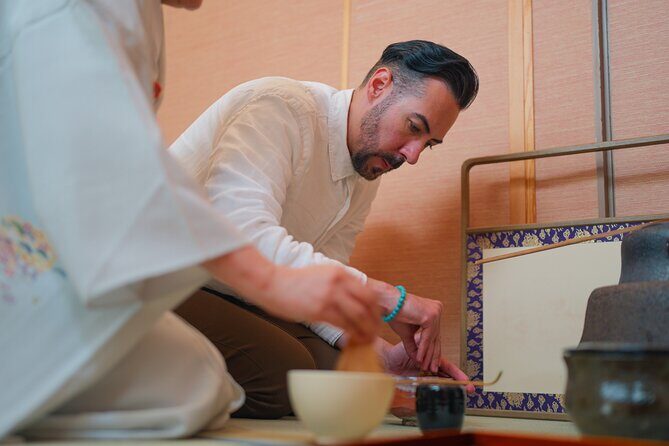
- Urasenke-style procedure shown step by step, so you can follow what’s happening without feeling lost
- Your own bowl of matcha, whisked by you, then enjoyed right away
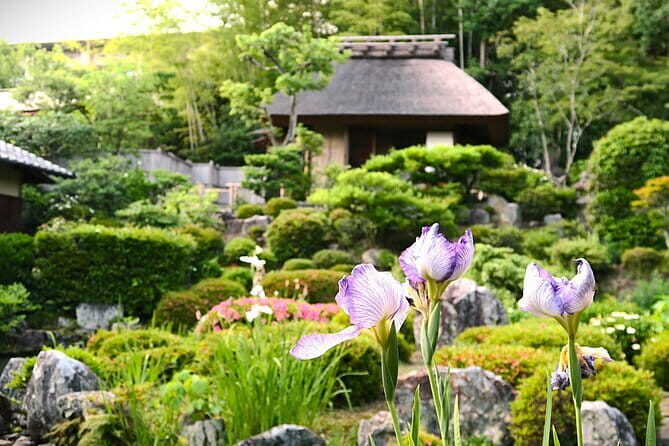
- A miniature garden inside the tea space, designed so the setting is part of the ceremony
- Haori provided, which helps you shift into tea-room mode fast
- Quality ingredients matter: matcha from Marukyu Koyamaen and Kyoto wagashi from a long-established shop
A calm tea room in Uzumasa’s historic pocket
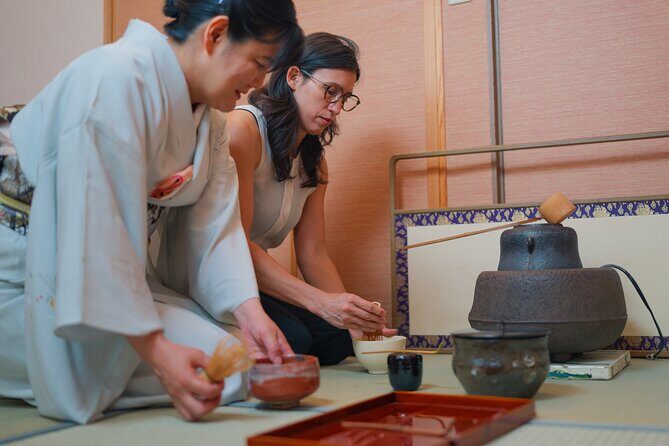
Kyoto has a lot of noise. This experience is built to switch you out of that mode. You go to Chanoyu The KYOTO Uzumasa, a tea setting in the historic district of Uzumasa, where the refined atmosphere of the Heian period still feels close by.
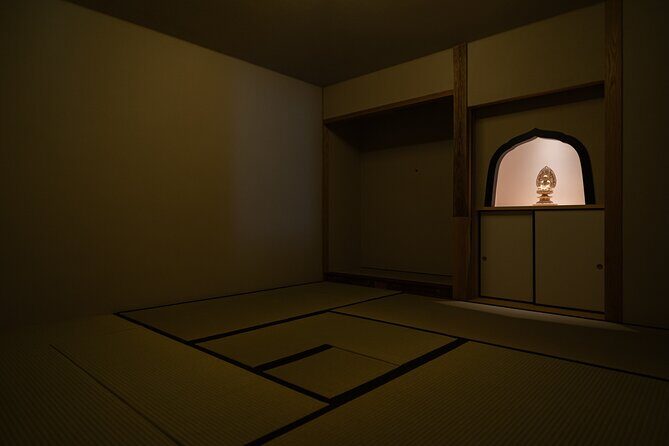
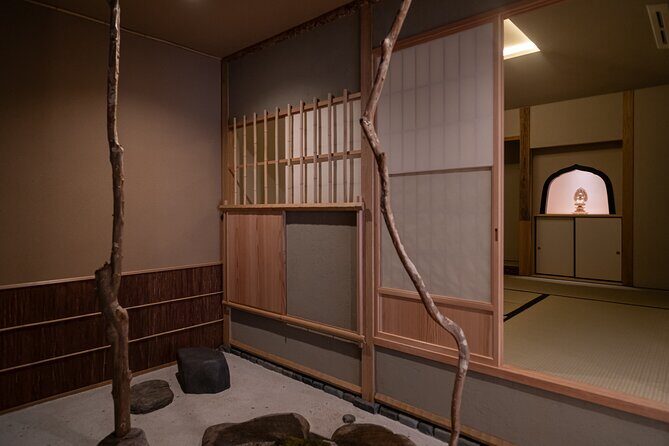
The space is described as stylish on the inside, then calmer the deeper you get. After you arrive, the route through the room matters: you’re led past a meticulously designed garden view, and the tea room itself is arranged to make waiting and watching feel natural. It’s not a cafeteria line. It’s tea choreography.
The small-group format also helps. Even though it’s not a huge crowd scene, the experience doesn’t feel performative in a showy way. It feels like you’ve been invited into a quiet ritual space. That’s the big appeal here. You’re not just sampling sweets; you’re stepping into a setting designed for attention.
One practical note for your expectations: the meeting point is in Uzumasa, and the activity is near public transportation. Still, plan your day so you don’t sprint from a temple to this tea room. You’ll enjoy it more if you arrive with time to breathe.
You can also read our reviews of more tours and experiences in Kyoto.



What happens during the ceremony (and what you’ll actually do)
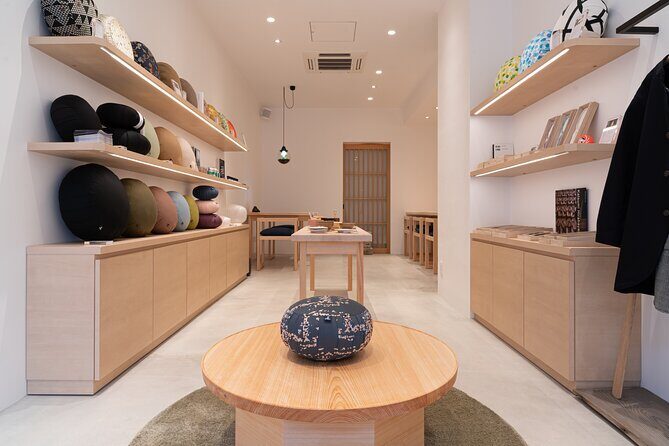
This isn’t a mystery box tea tasting. You’ll follow a clear flow that mixes observation, explanation, and hands-on participation.
Here’s the sequence in plain terms:
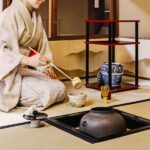
First, you’ll put on a haori, a traditional kimono-style jacket. It’s included, and it’s one of the easiest ways to feel like you belong in the room. Even if you’ve never worn anything like it, the staff will guide you through it.
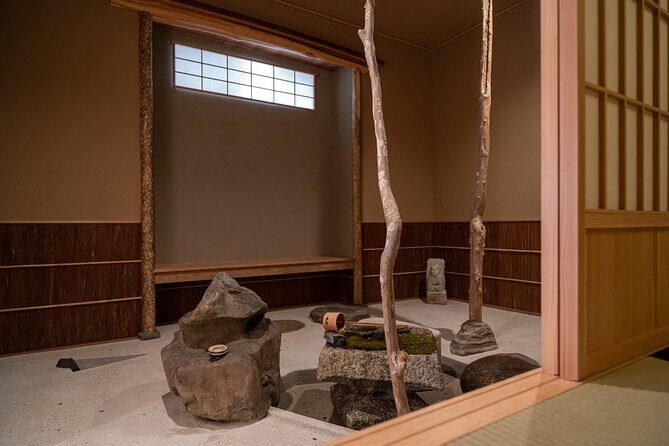
Next, you’ll be invited to appreciate the miniature garden that’s arranged for viewing from the tea space. You’re not just looking at plants. You’re learning how garden design supports the mood of the room—calm, natural, and intentional.
Then the tea ritual begins in an Urasenke style. You’ll watch the procedure unfold with the slow logic that makes chanoyu famous: each movement supports the atmosphere. You’ll see the graceful Urasenke tea procedure up close, and the host explains what you’re watching as you go.
After that, there’s an explanation of the history and culture behind chanoyu and the role of the utensils. This is one of the parts that makes the experience feel more than “tea class.” The ceremony isn’t only about taste; it’s about meaning. And you’ll be told what those meanings are, tied to the specific tools used.
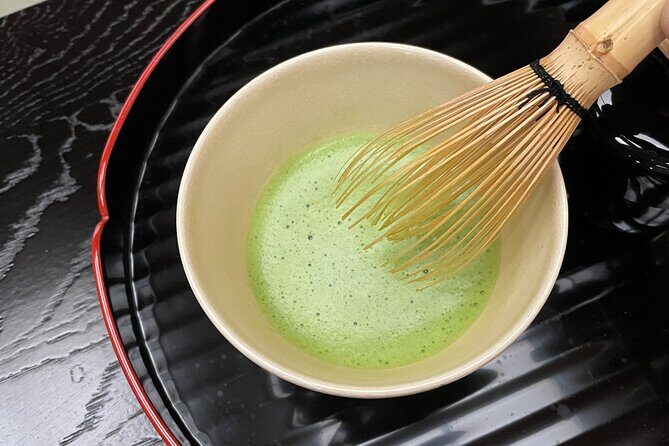
Finally, you’ll take part. You’ll whisk your own bowl of matcha and enjoy it together with the second traditional sweet. Watching helps, but doing it helps you remember. The whisking is simple, but it connects your senses to the ritual—smell, texture, and the patience of waiting.
Timeline-wise, plan for about 1 hour total. That’s enough time to learn the flow and still feel relaxed. It’s also short enough that you don’t need to reorganize your entire Kyoto day around it.
The matcha and Kyoto wagashi pairing you’ll taste
This ceremony leans hard into one idea: if the ingredients are great, the ritual makes them even better.
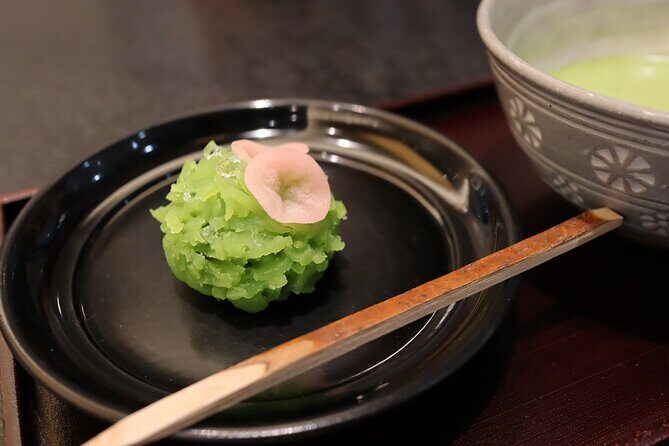
You’ll be served Kyoto sweets—wagashi—from a long-established Kyoto shop. The key is that the sweets aren’t random. They’re presented as part of the experience, paired to the matcha you’ll drink.
On the matcha side, the operator highlights quality clearly: the matcha comes from Marukyu Koyamaen, one of the most well-known names in the matcha world. That matters because matcha isn’t all the same. Some matcha tastes flat or overly bitter. Here, the focus is on smoothness and a refined character.
Based on what people praise most, the matcha is often the standout. People describe it as something they’d never had before, with a flavor that feels deep but not harsh. If you think you dislike matcha, this is the kind of experience that can change your mind, because the matcha quality is doing a lot of the work.
The pairing is also important. Wagashi has its own visual and flavor logic—sweetness in balance, and texture that changes how the matcha hits your palate. When both parts are well-matched, each sip and bite feels intentional rather than like two separate snacks.
If you have dietary needs, you’ll want to check in advance. The tour data confirms you’ll be served Kyoto sweets and matcha, but it doesn’t list substitutions or ingredient details. Better to ask early than hope.
The miniature garden and utensils: the quiet details that make it real
A lot of tea experiences talk about history. This one focuses on the tools and the space, which is where the ritual becomes believable.
First, the miniature garden isn’t decorative filler. It’s arranged for viewing within the tea-room environment, and you’re guided to appreciate it. That fits how chanoyu works in general: every element—from room layout to seasonal feel—helps the host create the right mood for conversation and respect.
Second, the utensils matter because they’re part of the teaching. You’ll get an introduction to traditional Japanese tea utensils used in the ceremony. The explanation includes the history and cultural origins of chanoyu and the meaning behind the utensils. That’s helpful if you’ve ever watched a tea video and thought, okay, but why those tools?
Here, you’ll get the why. You’ll learn how the utensil choices connect to the ceremony’s values—attention, hospitality, and a kind of respect for craft. It turns the whole thing from a performance you watch into a practice you understand.
You also get a hint of the hospitality side of chado, described as Japan’s ultimate form of hospitality. You’ll hear how chanoyu is about welcoming someone properly, not only about making tea.
And yes, people notice the physical beauty. One of the repeated highlights is that the tea room and the tools feel more elaborate and refined than expected, even for first-timers.
Haori, etiquette, and comfort: how to enjoy it without stress
If you’re worried about not knowing the rules, don’t. This style of experience is designed to teach you as you go. Still, you can make it smoother for yourself with a few practical moves.
Wear something comfortable enough for a seated experience. The tour includes a haori, but you’ll still be in whatever clothes are underneath. Choose fabrics that let you sit and move lightly.
When you’re in the tea room, keep your actions slow. Tea ceremonies rely on timing. Even if nobody says it out loud, your own pace affects the vibe. Think: watch first, then move when invited.
Pay attention to the utensils explanation. You’ll get more out of the ceremony if you treat it like a guided conversation rather than a snack stop. You don’t need to memorize everything, but it helps to remember that you’re learning why the host does things a certain way.
Also, since the experience is private for your group only (up to 6), you can expect a calmer pace than a large shared workshop. That’s great if you’d rather ask questions and not feel rushed.





Price and value for a private group of up to 6
The price is listed as $586.38 per group (up to 6), and the experience runs about 1 hour.
Let’s translate that into per-person math so you can decide fast:
- If you get the full group of 6, you’re around $98 per person.
- If it’s 4 people, it’s about $147 per person.
- For 2 people, it’s about $293 per person.
So the value depends on your group size.
Here’s where the price starts to make sense: you’re not paying only for matcha. You’re paying for a private small-group ritual, including haori, guided explanation of the ceremony and utensils, garden viewing, and the hands-on whisking portion. You also get quality matcha (Marukyu Koyamaen) and Kyoto wagashi from a long-established shop.
If you’re traveling as a couple and want a calmer, more personal cultural experience, it can still be worth it—but I’d think of it as a “premium activity,” not a budget stop.
If you’re a small group of friends (4–6 people), it becomes a standout value because the per-person cost drops sharply while the experience stays private and focused.
Who this Kyoto tea ceremony suits best
This tour works best for people who want quiet culture with real structure.
You’ll likely love it if:
- you’re a first-time tea ceremony participant and want a clear walkthrough (not just a tasting)
- you like knowing what tools mean, not only what they do
- you’re craving a break from temple crowds and want a calm room with a garden view
- you’re traveling with friends or family and can fill out the small group size
It may not be ideal if:
- you want a long multi-hour workshop with lots of practice time
- you’re looking for a lively street-style activity rather than a seated ritual
- you’re traveling solo and the group pricing feels steep
When to book for best timing in Kyoto
This experience is often booked about 27 days in advance on average. That’s a good sign that it’s in demand, likely because the ceremony format, small-group size, and quality ingredients don’t fit the “random drop-in” style.
My practical advice: if your Kyoto dates are firm, don’t wait until the last week. Plan it early and build the rest of your day around it, not the other way around.
Should you book Chanoyu The KYOTO Uzumasa?
Yes, you should book it if you want a Kyoto tea ceremony that feels precise, calm, and genuinely guided. The experience gives you three things that most people remember: the taste (matcha and wagashi), the setting (garden and tea room design), and the understanding (utensils, procedure, and chado/hospitality meaning).
I would skip it only if your schedule can’t spare about 1 hour, or if you’re traveling alone and the per-person cost doesn’t feel right for your budget.
If you’re booking with 4–6 people, it’s an easy recommendation. You’ll get privacy and attention without the cost feeling outrageous. If you’re booking as a couple, decide based on your priorities: if a calm, high-quality cultural ritual is your thing, this fits. If you’re mostly chasing “must-do” photos and don’t care about the ceremony details, you might feel underwhelmed by how quiet it is.
Either way, this is the kind of activity that makes Kyoto feel human.
FAQ
Where does the tea ceremony take place?
It starts at Chanoyu The KYOTO Uzumasa (TEA CEREMONY) in Kyoto, Ukyo Ward, Uzumasa Izumishikibuchō, 19 北1階. The activity ends back at the meeting point.
How long is the experience?
The duration is approximately 1 hour.
Is this tour private?
Yes. It’s listed as a private tour/activity, and only your group participates (up to 6 people).
What’s included besides matcha and sweets?
You’ll receive Kyoto sweets and matcha, view a miniature garden, wear a traditional haori, receive an introduction to traditional tea utensils, and get a brief explanation of the history and cultural origins of chanoyu.
Is transportation included?
No. Transportation is not included.
What should I wear?
The haori (a kimono-style jacket) is provided as part of the experience. You’ll just want to wear comfortable clothes underneath so you can sit comfortably.
Can I cancel and get a refund?
Yes. Free cancellation is available. You can cancel up to 24 hours in advance for a full refund. If you cancel less than 24 hours before the experience starts, the amount paid is not refunded.