REVIEW · KYOTO
Tour in Kyoto with a Goverment Certified Tour Guide
Book on Viator →Operated by Konnichiwa-japan · Bookable on Viator
Kyoto can feel like a puzzle of temples. This tour turns it into a route you can actually use, with a guide who explains what you’re seeing and helps you move through crowds. You start with the famous red gates, then keep rolling through Kyoto’s most recognizable neighborhoods and views.
What I like most is the balance: you get major hits like Fushimi Inari-taisha and Kiyomizu-dera, but you also stop in places that make the day feel more like Kyoto than a postcard. I also like that the tour is built for a long afternoon (about 6 to 8 hours), so you’re not bouncing between cities or wasting time figuring out what’s next.
One possible drawback: the tour price looks straightforward, but a few key admissions and guide-related transportation can add up, and the day involves a lot of walking through busy areas.
In This Review
- Key things to know before you go
- Kyoto in One Day: Is This Route Smart?
- Price and Extra Costs You’ll Want to Budget
- Starting With Fushimi Inari-taisha’s Red Torii Maze
- Kiyomizu-dera and the Classic Cliffside View
- Nijo Castle: What You Pay For (and Why It’s Worth It)
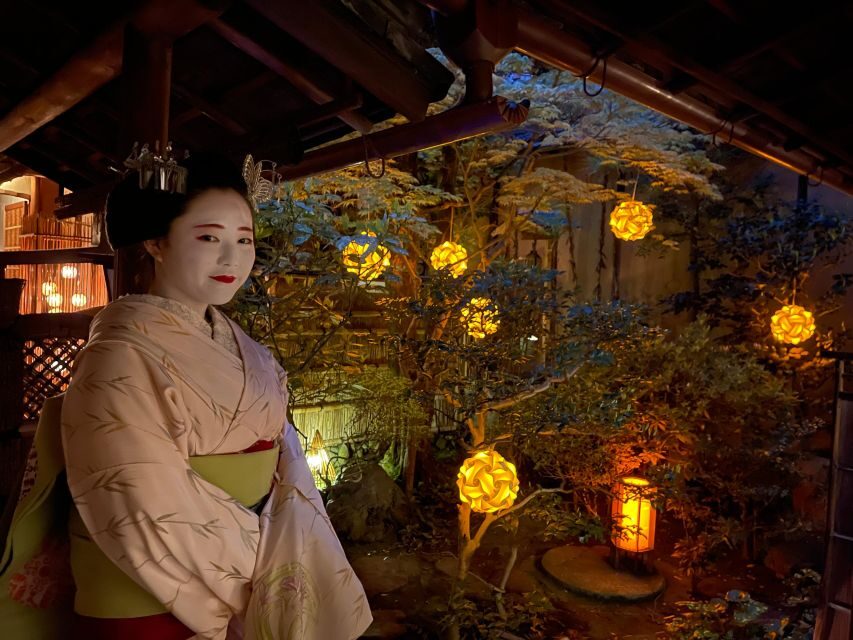
- Gion at Street Level: Geisha District Energy
- Nishiki Market: A Tasty Reset Without Losing the Day
- Golden Pavilion to Silver Pavilion: Two Temples, One Pace
- Arashiyama Bamboo and Tenryu-ji: The Best Breather
- What’s Included Beyond the Map: Tea, Calligraphy, Kimono, and Rides
- Walking, Timing, and the Real-World Group Factor
- Who This Tour Suits Best
- Should You Book Mystical Kyoto Quest?
- FAQ
- How long is the Kyoto tour?
- How much does it cost per person?
- Are tickets for temple entries included?
- Is pickup included?
- Is this tour private?
- Can the tour be customized?
- What is the cancellation policy?
Key things to know before you go
- Government-certified guide: you’re not just getting directions; you’re getting context for temples, neighborhoods, and legends.
- Route includes both icons and neighborhoods: shrine, temple, castle, Gion, markets, and Arashiyama in one day.
- Some admissions are free, some aren’t: several stops are listed as free, while Ginkaku-ji is $8 and other sites are not included.
- Pickup is offered, but you should confirm the exact meeting plan so you don’t lose time on arrival.
- The guide can customize based on your expectations and available time, which helps if you have priorities.
Kyoto in One Day: Is This Route Smart?
If you’ve got limited time in Kyoto, this kind of guided loop makes sense. A solo day in Kyoto usually turns into an unplanned sprint: one “must-see” becomes two, then suddenly your legs hate you and your schedule doesn’t. Here, the order is designed to keep you moving across the city without constantly backtracking.
The other reason this route works is that it mixes spiritual sites with everyday Kyoto. You’ll see iconic architecture at major temples and then shift to places where Kyoto life spills into the street. That change of pace is what keeps the day from turning into temple overload.
The big question for you is whether you want a “hit list” day or a “slow and savor” day. This tour leans toward the hit list, just guided well.
You can also read our reviews of more guided tours in Kyoto


Price and Extra Costs You’ll Want to Budget
At $110 per person, the headline price looks like a decent value for a full 6–8 hour day with a guide. And many stops are listed as free: Fushimi Inari-taisha, Kiyomizu-dera, Gion, Nishiki Market, Kinkaku-ji, and the Arashiyama forest portion.
But you should budget for the stuff that isn’t included:
- Ginkaku-ji (Silver Pavilion) is listed as $8 per person
- Nijo Castle is not included
- Tenryu-ji is not included
- Guide transportation fees are listed as $5–8 USD
So your real all-in cost will depend on what you pay for those non-included admissions. If you’re the type who hates surprise expenses, you’ll want to calculate a “best case” and “likely case” total before you book.
Starting With Fushimi Inari-taisha’s Red Torii Maze
The day begins at Fushimi Inari-taisha, the Shinto shrine famous for its thousands of vermilion torii gates. This stop is listed at about 1 hour, and admission is free, so it’s a strong start financially and time-wise.
What I like about this first stop is that it sets your Kyoto theme immediately. You don’t just see a temple; you see how Kyoto people structure the landscape around devotion. The route through the gates encourages you to slow down and look up, even if crowds push you along.
Practical tip: wear shoes you can walk in for a while. Even when an hour is “only an hour,” the torii paths are easy to underestimate because you keep turning corners, stopping for photos, and climbing small stretches.
Kiyomizu-dera and the Classic Cliffside View
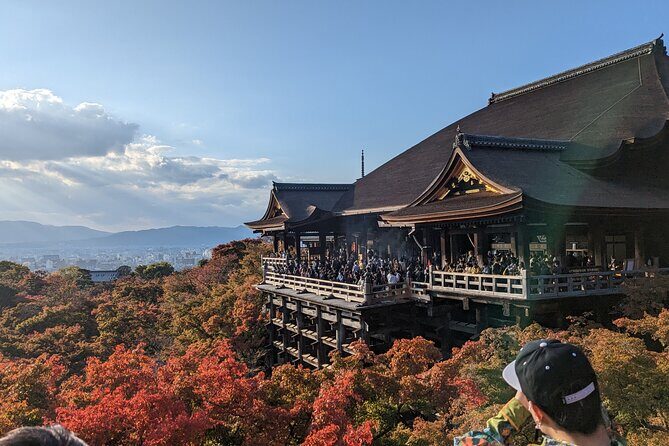
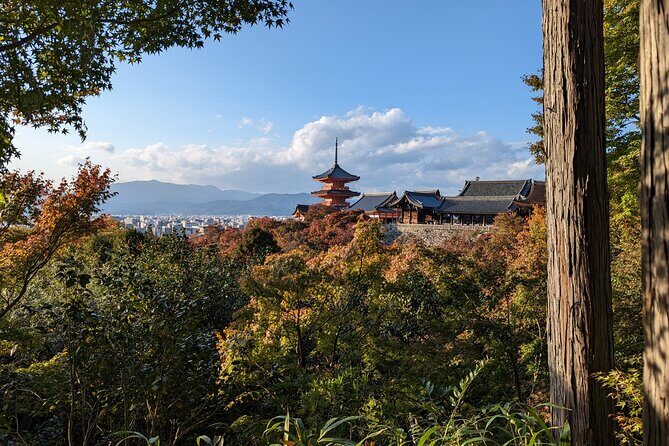
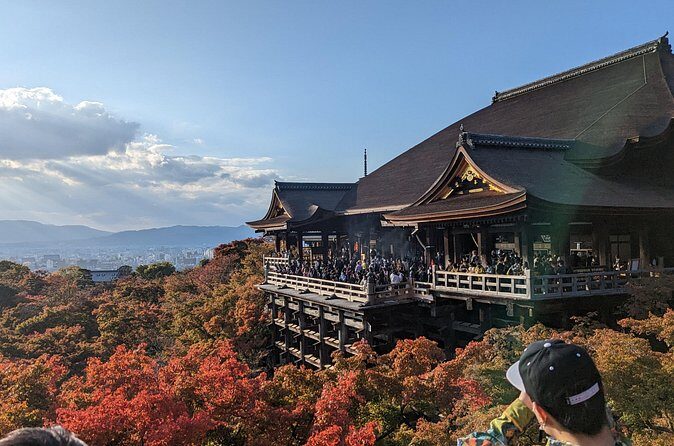
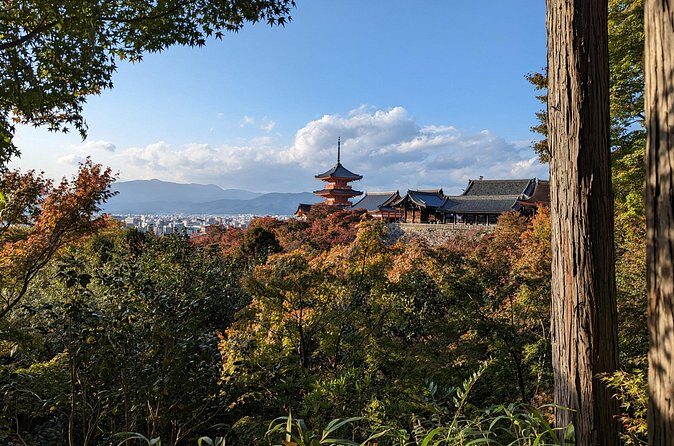
Next up is Kiyomizu-dera, one of Kyoto’s most recognizable Buddhist temples. It’s also listed at about 1 hour and free admission in the tour info, which makes it a smart use of time.
Kiyomizu-dera is the kind of place where the details matter: architecture, viewpoints, and the feeling of being on the hill with the city around you. A guide helps here because you’re not just staring at the big view; you’re understanding what you’re looking at and why it earned the fame.
The main consideration is crowding. This is the type of site where you can still enjoy it, but your experience depends on timing and patience. If you’re the type who gets irritated by lines and congestion, you might want to mentally prepare for a “Zen with elbow room” kind of visit.
Nijo Castle: What You Pay For (and Why It’s Worth It)
After Kiyomizu-dera, the tour heads to Nijo Castle, listed at about 1 hour. Here’s the catch: admission is not included.
Why this stop is valuable: castles in Kyoto aren’t just about walls. They’re about power, design choices, and how the space was used. Even if you’re not a history fanatic, the castle format can feel like a break from temple viewing because it’s more about layout and structure.
Because admission isn’t included, budget for that extra cost. If you end up skipping Nijo Castle for any reason, you’d lose one of the day’s “architecture-and-power” contrasts.






Gion at Street Level: Geisha District Energy
Then you move into Gion, the historic district known for traditional architecture and the geisha culture that Kyoto protects. The stop is listed at about 1 hour and free.
Gion works best when you treat it like a neighborhood, not a showroom. You’ll get more out of it if you look at street details, lane layouts, and the way businesses operate in old buildings. A guide can also help you separate myth from what’s actually tied to the district.
One practical point: Gion can be crowded, especially around photo-friendly corners. If you’re looking for calm, pick your moments and let your guide steer you to areas where you can actually see.
Nishiki Market: A Tasty Reset Without Losing the Day
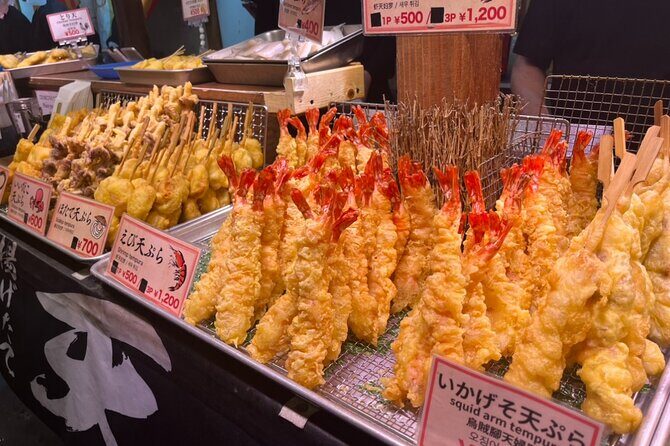
Next is Nishiki Market, a famous shopping street built around food, local goods, and everyday Kyoto flavors. It’s listed at about 1 hour, and admission is free.
This stop is more than a shopping break. It’s where the tour can become fun in a very practical way: you can pick up small snacks, see what locals actually buy, and get ideas for what to eat later in your trip.
Important note: food and drinks are not included. So treat Nishiki as optional spending time, not “included value.” If you’re hungry, go. If you’re not, use it to browse and plan.
Golden Pavilion to Silver Pavilion: Two Temples, One Pace
Later in the day you hit Kinkakuji (Golden Pavilion). It’s listed at about 1 hour and admission is listed as free in the tour info. Kinkakuji is one of those “stop-you-in-your tracks” sights: bright, iconic, and designed for maximum visual impact.
After that comes Ginkakuji (Silver Pavilion), also about 1 hour, but admission is not included, with $8 listed for the ticket.
Here’s how to think about the comparison: you’re not going to “find the better temple,” because they’re built for different moods. Kinkakuji is dramatic and instantly readable. Ginkakuji often feels more like a quiet, contemplative stop where you’re meant to slow down a touch.
Practical tip: if you’re trying to see both in one day, pacing matters. Don’t sprint for photos and then stand there wondering what you missed. Let your guide point out what changes your interpretation of each site.
Arashiyama Bamboo and Tenryu-ji: The Best Breather
The tour ends with Arashiyama, including the bamboo forest area listed at about 30 minutes (admission free). After that, you visit Tenryu-ji Temple, about 30 minutes, with admission not included.
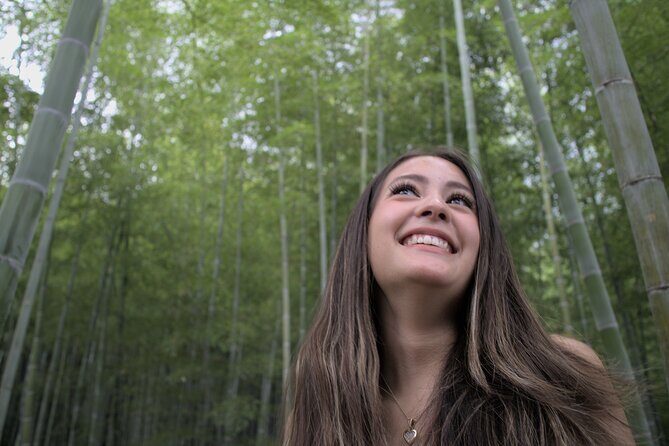
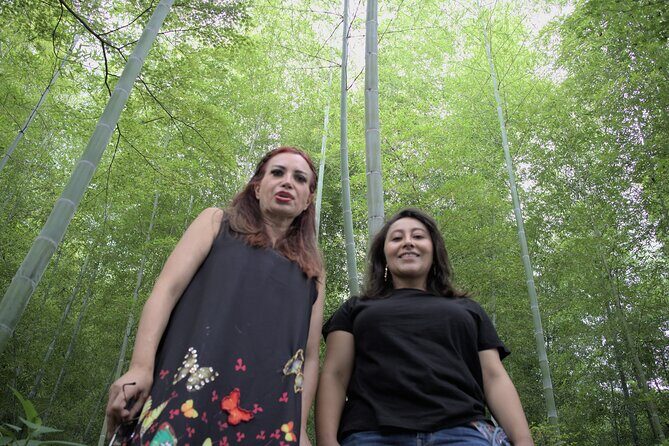
Arashiyama is the day’s natural reset. Even when the bamboo paths are busy, the setting gives your mind a different kind of focus. It’s a good closing chapter because it shifts you from architecture to nature.
Tenryu-ji adds a Zen layer. Even with only a short visit, the guide can help you see why this temple matters and how it fits into Arashiyama’s broader feel. Tenryu-ji’s admission isn’t included, so plan for that additional cost.
Slight caution: since the end of the tour tends to pack in these final stops, you’ll want energy and hydration. Bamboo areas and temple gardens can get tiring, especially in hot or rainy weather.
What’s Included Beyond the Map: Tea, Calligraphy, Kimono, and Rides
The tour description adds a few experiences beyond the listed stops: tea in traditional tea houses, cultural activities like calligraphy and kimono dressing, plus a rickshaw ride through historic neighborhoods. It also mentions illuminated temples at night.
Here’s the honest way to handle this: the itinerary provided here lists specific temple and neighborhood stops, but not the exact timing of those extras. So you should treat these as part of what the tour is aiming to include, depending on time and how your guide manages the schedule.
This is also where customization can matter. The tour info says you can customize depending on your expectations and the time available, so if you care about kimono or calligraphy, you’ll want to ask early how much time will realistically go to those activities.
Walking, Timing, and the Real-World Group Factor
This is a 6–8 hour walk-and-see day. Even when each stop is “about an hour,” you still have time spent getting between sights, waiting your turn, and moving through crowds.
That matters if:
- you dislike long transit between neighborhoods,
- you get tired in hot weather,
- you need frequent breaks.
One more consideration: the tour is described as private, but some accounts point to last-minute schedule changes, confusing meeting instructions, or groups being combined in busy periods. I can’t guarantee what will happen on your date, but you should protect yourself by confirming your meeting point details clearly the day before and keeping backup time in your plan.
And yes, a good guide can still make a rough day feel worthwhile. Names that show up positively include Andrea and Roberto/Robert as people who brought real enthusiasm and practical help to the itinerary.
Who This Tour Suits Best
This tour fits you if you want:
- a guide-led day across Kyoto’s top sights and neighborhoods,
- a structured plan when you only have one day to work with,
- free admission at several major stops to keep value solid.
It’s also a good choice if you like learning stories alongside landmarks, especially around shrines, samurai legends, and the geisha mystique the tour description promises to explain.
It might not fit you as well if you:
- want maximum flexibility and minimal walking,
- are very sensitive to schedule delays,
- require a strictly private experience with no chance of merging.
Should You Book Mystical Kyoto Quest?
I’d say yes if you treat it as a guided “Kyoto greatest hits with meaning,” and you plan for admissions you may pay on arrival, plus some walking. The guide component is the real value here, especially because you’re hitting multiple districts that you could visit yourself, but would probably enjoy more with explanations and smooth pacing.
I’d say think twice if you hate uncertainty around meeting times or if you absolutely need a promise of perfect logistics. The day can go well with a strong guide (names like Andrea and Roberto/Robert come up for a reason), but there are enough negative accounts about no-shows and last-minute changes that it’s smart to be proactive: confirm pickup/meeting details clearly and give yourself a buffer.
If you want one Kyoto day that’s organized enough to feel efficient, this is a reasonable bet. Just don’t assume everything is fully included, and don’t plan anything tight right after it.
FAQ
How long is the Kyoto tour?
The tour duration is listed as 6 to 8 hours (approximately).
How much does it cost per person?
The price is listed as $110.00 per person.
Are tickets for temple entries included?
Not all admissions are included. Some stops are listed as free, while others are not included, including Ginkaku-ji ($8 per person) and additional sites like Nijo Castle and Tenryu-ji.
Is pickup included?
Pickup is listed as offered. The experience is near public transportation as well, so you may be able to meet using transit depending on the plan.
Is this tour private?
The experience is described as private: only your group participates.
Can the tour be customized?
Yes. The guide says you can customize the tour depending on your expectations and the time available.
What is the cancellation policy?
Cancellation is free up to 24 hours in advance for a full refund. If you cancel less than 24 hours before the start time, the amount paid is not refunded.