REVIEW · KYOTO
Private Kyoto Tour: Explore the Most Iconic Sights
Book on Viator →Operated by Nas · Bookable on Viator
Kyoto hits you fast, and this tour helps you hit the right parts. You get a private, interest-led day that targets four of the biggest names: Golden Pavilion, Kiyomizu-dera, Fushimi Inari, and Arashiyama. If you want to swap order or add a detour, the guide works with you in the moment.
I really like the way the guiding is built for your language and pace. Tours are typically in English, and if you want a native-language guide, it can be arranged for an extra fee. And you’ll feel the difference of a guide who can handle questions without turning everything into a lecture.
One thing to plan for: the tour doesn’t include lunch, and the package notes possible extra temple entrance fees (listed around $8–$10). Bring some cash or a card for small add-ons, and keep your expectations realistic for a long day of walking.
In This Review
- Key highlights worth knowing
- A private Kyoto hit list built around you
- Getting between stops: why taxis plus a plan matters
- Stop 1: Kinkaku-ji Golden Pavilion and how to enjoy it
- Stop 2: Kiyomizu-dera’s 1200-year setting and what to watch for
- Stop 3: Fushimi Inari Taisha and the torii trail strategy
- Stop 4: Arashiyama Bamboo Forest, Togetsukyo Bridge, and a boat ride
- Price and value: is $200 per person fair?
- What the guide really does for you (beyond facts)
- Who should book this private Kyoto icon tour
- Should you book this tour?
- FAQ
- How long is the Kyoto private tour?
- Is pickup offered?
- Is this a private tour?
- What’s included for entrance fees?
- Is lunch included?
- What transportation is used?
- What language are the guides?
- What is the cancellation policy?
- How do I get tickets and confirmation?
Key highlights worth knowing

- A flexible route under one private roof: you can adjust what you see as you go.
- Covering Kyoto’s four icons in one day: Kinkaku-ji, Kiyomizu-dera, Fushimi Inari, and Arashiyama.
- Taxi-and-public-transport strategy: comfort where it matters, budget where it helps.
- Arashiyama package includes a boat ride: bamboo area plus a calmer stretch across water.
- Mobile ticket and pickup options: less time figuring out logistics on your own.
- English guides with real personality: one guide named Riku earned praise for strong English and a careful driving style.
A private Kyoto hit list built around you
This is the kind of Kyoto plan that makes sense when you have limited time and you don’t want to spend it bouncing between stations, hunting down directions, and paying for three different taxi rides that might not line up. You start and end in the same Kyoto area, and the day is designed to flow across the city’s most famous sights.
The best part is the control. This is private, so it’s just your group, and the guide can shape the order around how you’re feeling and what you care about most. Want more temple time, more photo stops, or more side streets? That’s the whole point.
Also, the guide pool is international. You might be with an English-first guide, and if your native language matters, the tour can arrange that for an additional fee. One guide named Riku stood out for excellent English, pleasant company, and answering questions without rushing you.
You can also read our reviews of more private tours in Kyoto

Getting between stops: why taxis plus a plan matters
Kyoto’s spread is real. Even when two sights are famous, they’re not always close enough to make “walk everywhere” practical. This tour handles that with a transport plan that uses taxis as needed, instead of forcing you into every leg by transit.
Taxi-and-public transport also means fewer surprises. Some rides make sense to do by car—especially if you’re carrying cameras, dealing with heat or rain, or just want a breather. Other legs might be more efficient by public transit. You’re not charged a flat “car fee”; you’re paying for the actual transportation used.
One more practical detail: the tour duration is listed as 8 to 10 hours, and travel time is included. That matters because you’ll feel the rhythm of the day, not just the “time on paper.” In a city like Kyoto, that’s the difference between a relaxed experience and a sprint.
Stop 1: Kinkaku-ji Golden Pavilion and how to enjoy it
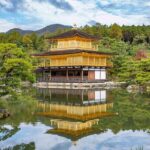
Kinkaku-ji, also called the Golden Pavilion (officially Rokuon-ji), is one of those Kyoto sights people bring home in their phones… and then forget how to slow down. The pavilion’s fame comes from its striking two-story design, and the way it sits in its garden setting.
What I like about a guided arrival here is simple: you’re not left to figure out where to stand for the best angle, and you’re not wandering with that constant question of what you should be seeing right now. With a guide, you can get your bearings fast, then spend your time absorbing the details.
A typical Kyoto “icon” stop has a catch: crowds, especially at peak times. With a private plan, you have more control over when you’re there and how long you stay at each view. The tour lists admission as included, so you can focus on enjoying the place rather than stopping to sort tickets.
If you’re the type who likes photos, this is a spot where you’ll want to experiment with viewpoints. Move a bit, change your camera angle, and give yourself a couple of minutes to just look at reflections and garden framing instead of rushing to one perfect shot.
Stop 2: Kiyomizu-dera’s 1200-year setting and what to watch for
Kiyomizu-dera is the other heavyweight on this route. The temple is described as having a history spanning 1200 years, and it’s a UNESCO World Heritage site. In real terms, that means there’s a lot here—main halls, viewpoints, and the “Kyoto temple” feeling that draws people back again and again.
The value of a private guide at Kiyomizu-dera is pacing. This is a site where it’s easy to get stuck in a loop: walk up, see a view, snap a photo, then keep moving without noticing the architecture and layout. A guide can help you see what’s worth lingering on and what order makes sense so you don’t crisscross.
Admission is listed as included for this stop too, which makes it easier to manage your budget for the day. The guide can also help you adjust expectations. Kiyomizu-dera has become a major tourist destination, so the trick is staying curious rather than just “checking it off.”
One practical tip: wear shoes that can handle stone steps and uneven surfaces. Even if you’re not doing a long hike, these temple approaches add up across the full day.
Stop 3: Fushimi Inari Taisha and the torii trail strategy
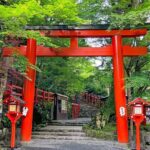
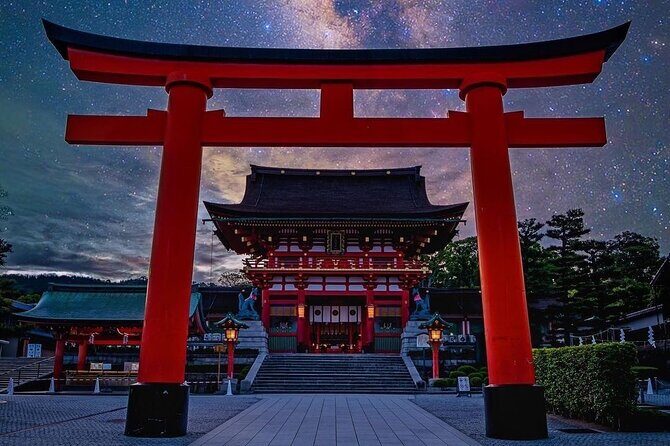
Fushimi Inari Taisha is famous for its thousands of red-orange torii gates climbing Mount Inari. It’s not just a shrine you visit; it’s a route you move through. The question becomes: how much of the torii path do you actually want to do?
That’s where the private setup helps. With a guide, you can decide how far up makes sense for you—whether you want the classic loop views or you want to keep things easier and stop when you’ve gotten the best scenes. The tour keeps this stop to about two hours, which is a reasonable window to see a good stretch without turning it into an all-day hike.
One note on costs: the stop description says the admission fee is not included, but the package details list entrance fee for Fushimi Inari Taisha as included. Since that’s not consistent on its face, your best move is to check what your confirmation voucher shows for your exact booking. Either way, plan to pay something at the site or confirm it ahead of time.
If you’re hoping to avoid peak chaos, time and flow matter. A guide can help you move efficiently through the areas that attract the most foot traffic, then shift you to calmer pockets along the route.


Stop 4: Arashiyama Bamboo Forest, Togetsukyo Bridge, and a boat ride
Arashiyama is where Kyoto changes mood. Instead of dense temple halls and shrine stairs, you get a more open feel: bamboo forest paths, a river crossing, and a calmer stretch near water.
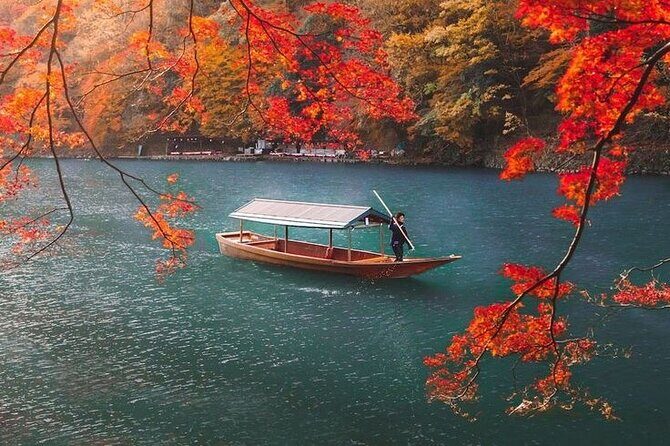
The route described here is specific and well-chosen: you’ll walk through the Arashiyama Bamboo Forest, cross the river via the Togetsukyo Bridge, and then take a tranquil boat ride across the lake. That combination is valuable because it balances the photo-heavy bamboo experience with something gentler afterward.
Admission for the bamboo/Arashiyama portion is listed as included. That’s a win because bamboo areas can become complicated once you’re already in motion and tired from earlier stops. Keeping entry costs handled lets you stay present instead of managing logistics mid-day.
Also, that boat ride is more than a “nice extra.” It gives you a break from the crowd rhythm and gives you different sight lines on the river and surrounding area. After two earlier temple-heavy blocks, that change of tempo can save your legs.
A small reality check: bamboo forests can be crowded at the busiest times. If your goal is solitude, you’ll still find people, but a guide’s timing and pacing can help you spend the right amount of time at the best viewing moments rather than standing around waiting.
Price and value: is $200 per person fair?
At $200 per person for an 8–10 hour private day, you’re paying for four big things: planning, transport, guide time, and entry management where it’s listed as included.
Here’s how the value usually works out in real life:
- You’d likely spend a chunk of money on taxis if you tried to do this alone. Kyoto’s distance between these icons is part of what makes the plan expensive when you go solo.
- You get a guide who helps you move efficiently across the day, so you’re not wasting time figuring things out.
- Several entry fees are covered (Kinkaku-ji, Kiyomizu-dera, and the bamboo/Arashiyama and Fushimi Inari fees are listed in the package details).
Lunch isn’t included, and there may be additional small entrance fees (listed around $8–$10). That’s the one “gotcha” to budget for. Still, the tour tends to look more reasonable if you compare it to the cost of a full private day of taxis plus separate admissions plus the time you’d spend making route decisions.
Timing also affects value. The average booking window is about 79 days in advance, which tells me this plan gets snapped up. If you’re traveling during peak seasons, booking early tends to be your best insurance policy.
What the guide really does for you (beyond facts)
A guide isn’t just there to name buildings. In a city like Kyoto, the real help is how the day feels.
Good guiding shows up in three places:
- Answering your questions in context, not reciting a script. One praised guide named Riku was noted for excellent English and answering questions well.
- Keeping you moving without rushing, especially at high-visibility spots like Kinkaku-ji and Fushimi Inari.
- Driving safely and comfortably, which is a bigger deal than people think when you’re doing multiple legs in one day. The ride quality was specifically mentioned as clean and reliable.
Because it’s private, you can also ask for small adjustments: a shorter walk, a longer photo moment, or a swap in priorities. That’s where the “tailored” promise becomes real.
Who should book this private Kyoto icon tour
This tour is a strong fit if you want Kyoto’s headline sights without turning your schedule into a logistics project. It’s especially good for:
- Couples who want a “greatest hits” day with flexibility
- Friends or families who prefer one guide and one game plan
- First-timers who want context fast
- Anyone who’d rather pay for comfort and time than spend it hunting transit connections
It may be less ideal if you want a slow, neighborhood-based Kyoto experience with lots of off-the-beaten-street exploring. This day is structured around major icons, and you’ll be on the move.
If you have mobility concerns, note the tour is described as most can participate, but temple approaches involve stairs and uneven ground. Wear stable footwear and plan for real walking.
Also, if you’re booking as a larger group, it’s smart to confirm how vehicles and seating are arranged. One negative experience included a mismatch in expectations for group size and seating in the vehicle, so don’t assume it will work out the way you picture.
Should you book this tour?
I’d book this if your priority is seeing Kinkaku-ji, Kiyomizu-dera, Fushimi Inari, and Arashiyama in one organized day with transport handled and a guide to help you spend your time well. The private format makes it easier to control pace and stay comfortable between stops.
You might choose something else if you’re happy spending most of your day on transit, you want a deeper slow-travel vibe in one neighborhood, or your budget can’t absorb extra small temple fees and meals.
If you do book: send the guide your wish list before day-of, confirm what’s included on your voucher for entrance fees, and pack for a long walking day. That combo makes this tour feel like money well spent.
FAQ
How long is the Kyoto private tour?
The tour runs about 8 to 10 hours, and travel time is included in the total duration.
Is pickup offered?
Yes, pickup is offered. The activity includes a start in Kyoto, Japan, and it ends back at the meeting point.
Is this a private tour?
Yes. It’s a private tour/activity, so only your group participates.
What’s included for entrance fees?
The tour lists entrance fees as included for Bamboo forest and Fushimi Inari Taisha. It also lists admission ticket included for Kinkakuji Temple and Kiyomizu-dera in the itinerary. The package also notes that a temple entrance fee (around $8–$10) may apply.
Is lunch included?
No. Lunch is not included, so plan to eat on your own during the day.
What transportation is used?
The tour uses a private approach with taxi and public transportation as needed for comfort and efficiency. Parking fees and an air-conditioned vehicle are included.
What language are the guides?
Tours are typically conducted in English. If you want a guide who speaks your native language, it can be arranged for an additional fee.
What is the cancellation policy?
You can cancel for a full refund up to 24 hours in advance of the experience’s start time.
How do I get tickets and confirmation?
You’ll receive confirmation at the time of booking unless you book within 5 hours of travel. The tour uses a mobile ticket.