Kyoto looks best when you stop fighting traffic and start moving like a local. This 4-hour guided e-bike route strings together major sights and quieter backstreets without you needing maps or route planning. I like that the bicycle and English guide are included, so you can focus on photos and stories instead of logistics.
Two things I really appreciate: you get a small group experience (max 8), and you’ll cover a lot more ground than walking while still getting breaks at temples and shrines. One thing to keep in mind: there’s also some walking at stops, so wear comfy shoes even though you’re riding the whole time.
In This Review
- Key highlights to expect
- Why an e-bike makes Kyoto feel easy (and efficient)
- Getting started in Gion: meeting point and what to plan
- Stop 1: Gion Shirakawa and the canal-side atmosphere
- Stop 2: Nanzen-ji Temple for dramatic Zen architecture
- Stop 3: Heian Shrine and classic garden views
- Stop 4: Honen-in for a calmer, smaller-feeling pause
- Stop 5: Shimogamo Jinja and a shrine that feels like the forest’s edge
- Stop 6: Kyoto Imperial Palace in Kyoto Gyoen National Garden
- Stop 7: Philosopher’s Walk for canal rhythm and Nishida Kitaro
- Price and value: is $70 a good deal?
- Who this Kyoto e-bike tour suits best
- Final verdict: should you book?
- FAQ
- How long is the Kyoto E-bike tour?
- Where does the tour start?
- Is the e-bike rental included?
- Are admission fees included for the stops?
- What group size should I expect?
- Do I need to bring any equipment?
- What fitness level do I need?
Key highlights to expect
- E-bike rental included so you’re not hunting for equipment or worrying about fitting
- Small group (up to 8) for an easier pace and fewer moments of getting separated
- Temple and shrine stops with time to pause for photos and explanations
- Kyoto Imperial Palace + Kyoto Gyoen National Garden without the long transit slog
- Philosopher’s Walk for a classic canal stroll named after Nishida Kitaro
- Guides like Yuki, Ben, and Jay are praised for clear English and lots of practical local context
Why an e-bike makes Kyoto feel easy (and efficient)
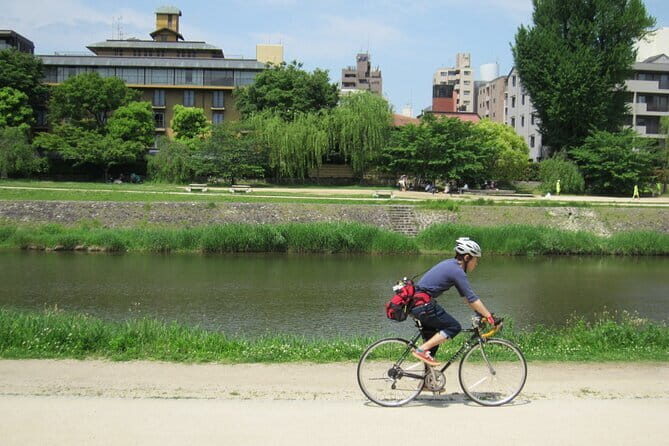
Kyoto is a city of short distances on paper and long distances in real life. Streets twist, crowds gather, and walking everywhere can turn your day into a battle against fatigue. On this 4-hour tour, you get the best of both worlds: the freedom to move quickly by bike, and the chance to actually linger at places that matter.
E-bikes are especially helpful here because the route blends flat-ish canal areas with gradual terrain near the Higashiyama side and shrine approaches. You’re not asked to be a fitness athlete. You’re asked to be comfortable riding and to follow the guide’s pace.
The small group size helps a lot. When you’re not in a giant herd, you can hear explanations, stop for photos without rushing, and regroup smoothly at crossings. You’ll also get a steady flow of route guidance, so you’re not constantly checking your phone.
You can also read our reviews of more cycling tours in Kyoto


Getting started in Gion: meeting point and what to plan
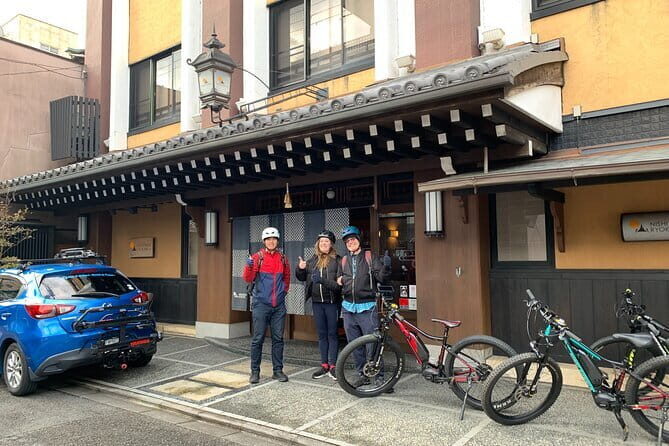
The tour meets at Kyoto Tourist Lounge Gion (557-4 Komatsu Cho area, Higashiyama). It starts at 9:00 am and runs about 4 hours, ending back near the meeting point.
A few practical notes that make your day smoother:
- Bring your own water and a light layer. Morning air can feel cool, and you’ll be out long enough to want a top-up.
- Expect “some walking” at the stops. Even if the main movement is biking, you’ll be on foot through temple grounds and along shrine paths.
- The tour expects moderate physical fitness and has a height requirement (over 145 cm, not recommended for children under 12).
Helmets are part of the biking setup, and multiple riders have noted that the bikes are in good shape and easy to ride. Still, treat it like any bike ride: stay aware at intersections, and don’t be shy about slowing down to take a photo.
Stop 1: Gion Shirakawa and the canal-side atmosphere
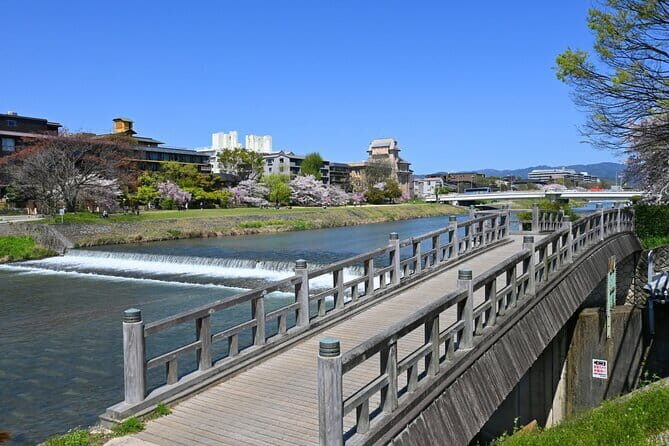
You start in Gion Shirakawa, a postcard-perfect district that feels traditional even when the city is busy. The big draw here is the character of the streets plus the quiet rhythm along Shirakawa Canal.
This stop is short—about 30 minutes—but it works as a warm-up. I like opening the day here because you get Kyoto’s vibe immediately: wooden-lined lanes, calm water views, and that gentle sense that you’ve stepped into a different pace of life.
What to do with your time:
- Take photos early before foot traffic thickens.
- Keep an eye on the small details—fences, lamps, and the canal edges—because that’s where the “Kyoto feeling” hides.
Possible drawback: Gion areas can still be crowded. If you want the calmest photos, position yourself a little off the busiest walkway and use the time you have to wait for a clear moment.
Stop 2: Nanzen-ji Temple for dramatic Zen architecture
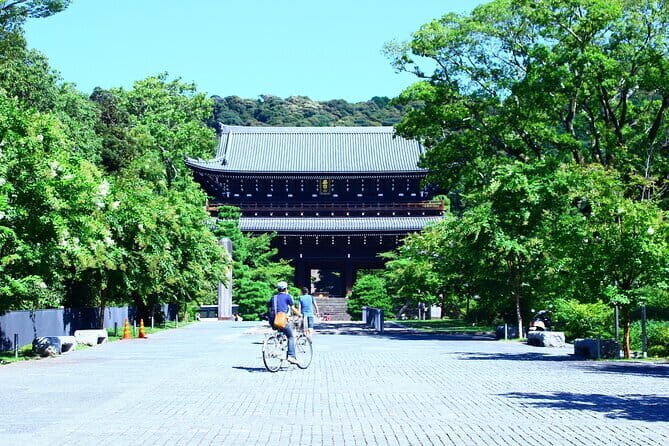
Next up is Nanzen-ji Temple, one of Kyoto’s major Zen sites, located near the base of the Higashiyama mountains. This is a 30-minute stop, and it’s built for “slow looking,” not just a quick pass-through.
You’ll see temple buildings and a large complex layout, which makes it a great place to understand Kyoto’s religious architecture beyond the single most famous photo angle. The scale matters here. You can stand back and realize how planning and space shape the experience.
What makes it worthwhile on an e-bike day:
- It’s not just “another temple.” Nanzen-ji gives you a sense of how large religious complexes can be.
- You get guided context, so you’re not guessing what you’re looking at.
Practical tip: since this stop is within a larger complex, comfortable shoes help you move between viewpoints without rushing.
Stop 3: Heian Shrine and classic garden views
From Nanzen-ji, you’ll head to Heian Shrine, known for its grand, striking architecture and garden setting. Your time here is also about 30 minutes.
This is a good stop for photos because Heian Shrine has strong visual structure: it’s designed to be seen from multiple angles, and the red-and-white style offers that unmistakable Kyoto contrast. The gardens add breathing room, so the stop feels like a break from constant city movement.
Why it fits this tour:
- It’s central enough to act as a smooth “middle anchor” of the route.
- You’re biking between areas, so the shrine becomes a clear reset point.
Possible drawback: if you’re hoping for a purely quiet, hidden-space experience, 30 minutes is short. Think of it as a focused introduction rather than a long wandering session.
You can also read our reviews of more tours and experiences in Kyoto


Stop 4: Honen-in for a calmer, smaller-feeling pause
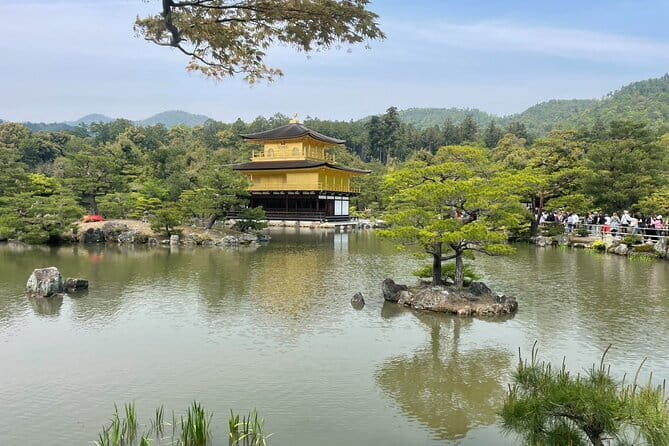
Your fourth stop is Honen-in, a temple founded in the 12th century. This is about 20 minutes, so it’s shorter than the big-ticket locations.
Even with limited time, Honen-in is worth it because it changes the rhythm. You’ll get a tree-lined approach and a chance to walk at a slower tempo. The main hall visit also ties the place back to teachings—so you get more than scenery.
What you should expect:
- A quick, peaceful walking segment.
- A focused look at the temple space rather than trying to “cover everything.”
Possible drawback: because it’s brief, you’ll want to arrive ready to look and listen, not to browse at random.
Stop 5: Shimogamo Jinja and a shrine that feels like the forest’s edge
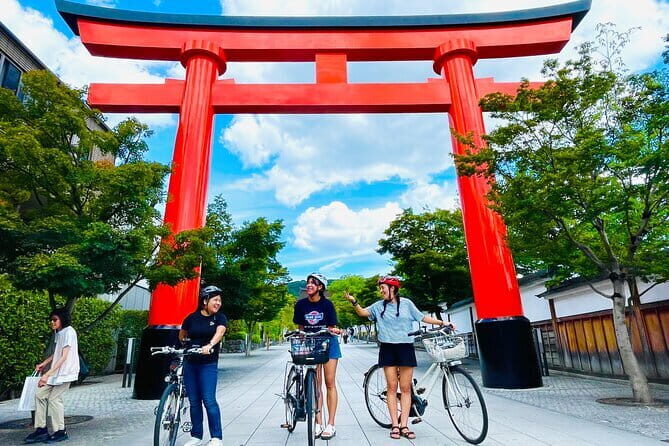
Then you’ll head to Shimogamo Jinja, one of Kyoto’s oldest and most revered Shinto shrines, set at the northern edge of the city. This stop is 30 minutes.
Here’s why this matters on an e-bike tour: by the time you reach Shimogamo, you’ve already done several temple visits, so the change of setting feels real. This shrine is surrounded by ancient forest and tranquil paths, so it feels less like a sight you check and more like a place you step into.
The time window is perfect for:
- A simple path walk
- Photos with a natural background
- Taking in how the shrine connects with the surrounding environment
Possible drawback: forest paths can be darker or shaded. If you’re shooting photos, expect lower light and plan your settings accordingly.
Stop 6: Kyoto Imperial Palace in Kyoto Gyoen National Garden
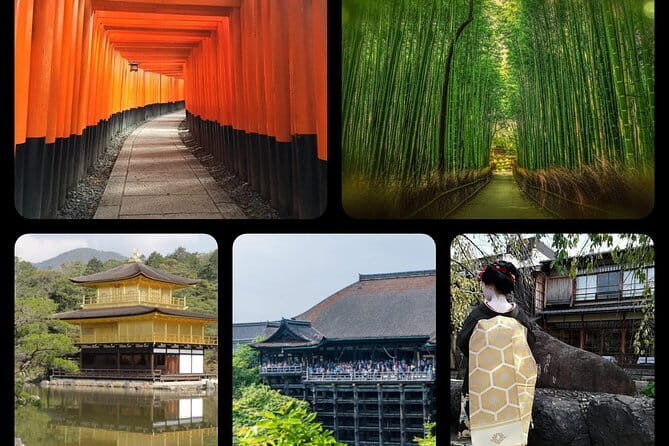
Next comes the Kyoto Imperial Palace, the former residence of Japan’s imperial family, set within Kyoto Gyoen National Garden. This is another 30-minute stop.
This part of the day is a nice reminder that Kyoto isn’t only temples and shrines. You also get a sense of how power and history shaped spaces—especially when those spaces are set in a garden environment.
Why I think this stop offers value:
- It gives you a clearer picture of Kyoto’s role beyond religion and culture tourism.
- The garden setting helps it feel calmer than you might expect from an “imperial palace” title.
Possible drawback: if your focus is strictly religious sites, you may feel the emotional vibe shifts here. Still, it’s a useful contrast.
Stop 7: Philosopher’s Walk for canal rhythm and Nishida Kitaro
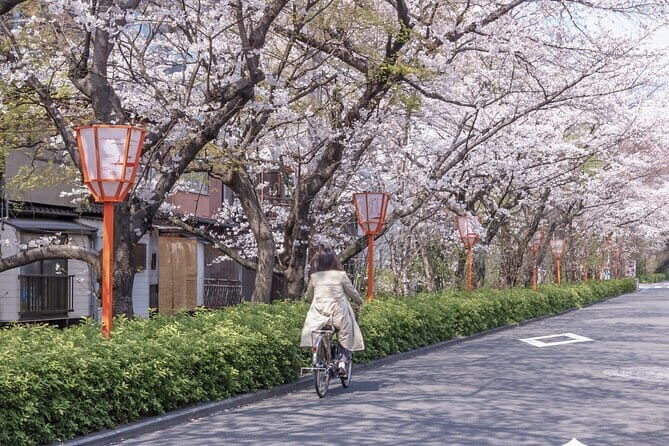
You finish with Philosopher’s Walk, also known as Philosopher’s Path, a serene canal-side walkway lined with cherry trees and traditional tea houses. The stop is about 30 minutes, and the tour route follows a quiet, scenic section.
This is a classic Kyoto walk for a reason: it’s visually repetitive in the best way. You get a steady rhythm along the canal, and the trees create a soft frame for your photos. The walkway is named after philosopher Nishida Kitaro, and having that detail makes it feel less like a generic stroll and more like an actual story on foot.
If you’re visiting in spring, timing can be magical. If you’re not, it still works as a peaceful end to the tour because it’s lighter and less “monument-focused” than earlier stops.
Practical tip: if tea houses catch your eye, keep the tour schedule in mind. You might not have time for a full sit-down, but you can plan one for later with what you saw here.
Price and value: is $70 a good deal?
At $70 per person, this tour looks straightforward: you’re paying for a guide, an e-bike, and structured time at multiple major and lesser-visited sites. The biggest value point is that the bicycle is included. In Kyoto, equipment rental or even basic bike access can become its own hassle fast.
Another value factor: several stops have free admission. That helps you avoid surprise costs while still visiting important places. Even when a stop doesn’t include everything, you still get the time with guidance and a logical route that saves you from transit planning.
You’re also not paying for “just riding.” The guide time matters. Riders have highlighted how guides like Yuki, Ben, Jay, and Ben (depending on which day you ride) explain what you’re looking at in clear English and answer questions. That kind of context changes how you experience a temple grounds or shrine approach.
Potential drawbacks in the value math:
- Insurance is not included, so you’re relying on your own travel coverage if something goes wrong.
- There’s some walking, so if you want zero-foot movement, you may find parts of the tour demanding.
- The provider notes weather can affect the route and feasibility, so plan on flexibility.
My take: if you have limited time and want a focused sampler of Kyoto’s temple-and-shrine world plus a palace stop, $70 for a guided e-bike day is a fair use of your vacation hours.
Who this Kyoto e-bike tour suits best
This tour is a strong fit if you:
- Want to get your bearings fast in Kyoto
- Prefer a guide over map guessing
- Like structured stops with photo moments
- Are comfortable riding an e-bike and doing short walks
It’s also a good choice for people who don’t want to spend half the day in transit. Kyoto’s must-sees are scattered enough that biking with guidance can feel like a shortcut to a better itinerary.
It might not be your best match if you:
- Have limited ability to walk even short distances
- Don’t feel comfortable riding a bike for a multi-stop route
- Want long, unhurried time at one single landmark (this tour spreads time out)
Final verdict: should you book?
Book this if you want a high-efficiency Kyoto morning where you trade route-planning stress for guided explanations, great photo chances, and a balanced mix of Gion charm, temple and shrine stops, and the Kyoto Imperial Palace. The small group size and included e-bike rental are the core reasons it feels worth it.
Skip it (or think twice) if you’re seeking a slow, solitary wander, or if walking at stops is a deal-breaker for you. Also, if weather is unreliable during your dates, pick a flexible day when you can adjust.
If you do book, show up ready to listen and ride calmly. You’ll get more out of those temple grounds and canal paths than you would on a self-made route.
FAQ
How long is the Kyoto E-bike tour?
It runs for about 4 hours.
Where does the tour start?
The tour starts at Kyoto Tourist Lounge Gion (557-4 Komatsu Cho, Pare Gion area), and it ends back at the meeting point.
Is the e-bike rental included?
Yes. Use of the bicycle is included.
Are admission fees included for the stops?
Admission is free for several stops listed, and one stop (Honen-in) notes admission is not included.
What group size should I expect?
The maximum group size is 8 travelers.
Do I need to bring any equipment?
No. You do not need to source equipment because the e-bike rental is included.
What fitness level do I need?
The tour is listed for travelers with a moderate physical fitness level, and there is some walking at points of interest.