REVIEW · KYOTO
Kyoto Half Day Highlights Tour
Book on Viator →Operated by ME Kyoto Walking Tours · Bookable on Viator
A guided Kyoto walk saves your time. This half-day route strings together Gion, Kiyomizu-dera, and Fushimi Inari in one smooth afternoon with a small group, plus guide commentary that turns each stop into something you can actually remember. I especially like how the pace stays relaxed while still hitting the big-name landmarks, and I like that the guide (Marie) mixes facts with humor so the walk feels like it’s going somewhere. The one real drawback: it’s still a lot of walking in one 3.5-hour window, so you’ll want comfortable shoes and a moderate fitness level.
For value, the math is pretty friendly: you pay $50 for the guide and you get admission covered where it counts most on this route (Kiyomizudera). If you’re the kind of person who hates moving around, you may feel rushed at a couple of the short stops, but the itinerary is designed for time-tight Kyoto first-timers.
In This Review
- Key points to know before you go
- Why this half-day Kyoto route works so well
- Meeting and ending: getting in, then getting out
- Gion streets first: geisha district without the guesswork
- Yasui-Konpiragu: a short shrine stop with a reason
- Hokan-ji and Yasaka Pagoda: see the five stories without the maze
- Sannenzaka and Ninenzaka slopes: the walk that feels like Kyoto
- Kiyomizudera in 45 minutes: what to focus on
- Fushimi Inari in about an hour: torii tunnels and the best strategy
- Guide service and small-group energy: why Marie makes it click
- Value and pricing: what $50 buys you (and what it doesn’t)
- Pacing and what to bring: the practical side of a walking tour
- Weather and day-of expectations
- Should you book this Kyoto half-day highlights tour?
- FAQ
- How long is the Kyoto Half Day Highlights Tour?
- What time does the tour start?
- Where do I meet the guide?
- Where does the tour end?
- What is the maximum group size?
- What’s included in the price?
- What’s not included?
- Is it okay to go if the weather is bad?
Key points to know before you go
- Small-group pace (max 12) keeps the experience easy to follow and not chaotic.
- Guide storytelling by Marie adds context for Gion, shrines, and temples, not just photo stops.
- Admission included at Kiyomizudera, while the other stops are free to enter.
- Afternoon timing (3:00 pm start) works well if you want temples and streets without eating your whole day.
- Mobile ticket means less paper fuss on the day of your walk.
Why this half-day Kyoto route works so well
This tour is built for one thing: getting oriented fast. Kyoto can feel like a puzzle—streets curve, neighborhoods look similar, and a single temple can eat up half a day. Here, the plan is compact: you start in Gion, work your way through Higashiyama, and end at Fushimi Inari. In 3 hours 30 minutes, you cover classic Kyoto without spending your day trying to map out logistics.
It’s also a smart choice if you’re traveling solo or with a friend. The group is kept small (up to 12), so the guide can actually manage timing and questions, not just herd people toward the next landmark. Reviews strongly point to how much fun the guide makes it—Marie is described as funny and flexible, and that matters because a walking tour lives or dies on energy.
Finally, I like that the stops are varied. You get geisha-district streets in Gion, quick stops at smaller shrines and a pagoda, a traditional slope walk toward Kiyomizu, then the big two: Kiyomizudera and Fushimi Inari.
You can also read our reviews of more tours and experiences in Kyoto.


Meeting and ending: getting in, then getting out
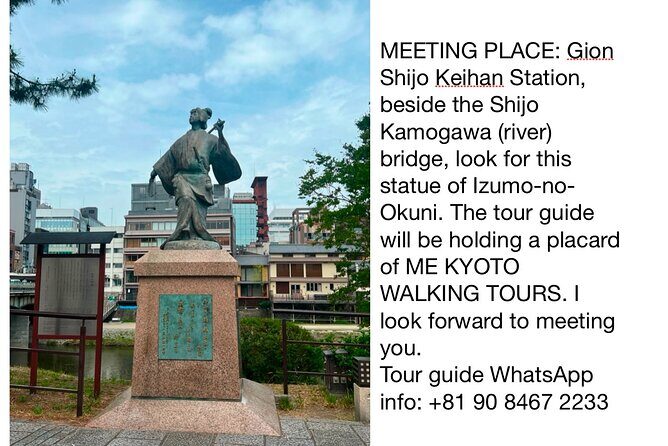
You start at Gion-Shijo Station, by 1 Chome Miyagawasuji in Higashiyama Ward. It’s a practical pick because you’re not buried in a backstreet meeting point—you’re near a major transit hub.
You finish at In front of Fushimi Inari Shrine, near the area served by the JR and Keihan Fushimi Inari lines. That matters because it helps you keep your evening plan simple. Once you’re done, you’re already in the right neighborhood for dinner and nightlife in that side of town.
One small planning note: public transportation isn’t included. Budget ¥220 per person if you’re coming from elsewhere in Kyoto. Also, snacks aren’t included, so if your body runs on food (most do), bring a light option or plan a stop nearby after the tour.
Gion streets first: geisha district without the guesswork
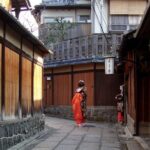
The tour begins with a leisurely walk through Gion, Kyoto’s famed geisha district. The goal here isn’t to force you into a rigid checklist. It’s to help you understand what you’re looking at as you move—historic streets, the mood of the neighborhood, and the way Kyoto’s traditions show up in everyday street life.
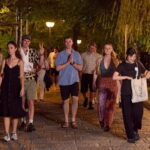
Gion can be overwhelming if you’re trying to navigate on your own. On foot, it’s easy to wander, double back, or lose time finding the right streets. With a guide, you get the lay of the land and explanations as you go. This is also where the guide’s personality really starts to matter. Marie is described as energetic and fun, and when that energy is paired with clear route guidance, the first 30 minutes feel like momentum instead of “tour start jitters.”
This stop is about 30 minutes, so you won’t feel like you’re stuck in one area forever. You’ll also likely get a feel for why Gion is more than a postcard—there’s an everyday rhythm here that you notice once you’re walking with purpose.
Yasui-Konpiragu: a short shrine stop with a reason
Next up is Yasui-Konpiragu Shrine, tucked into the Higashiyama district. This is one of those stops that can be easy to miss if you’re traveling with blind spots—your route might be focused on the biggest temples, and you’d walk right past smaller sites without noticing.
Here, the tour gives you the time to slow down for a 10-minute visit. The standout detail described for this shrine is its “power stone” and a symbolic passageway. Even if you’re not doing anything formal, it’s the kind of small cultural moment that makes a highlights walk feel like it has depth.
Because this stop is brief, you won’t get trapped waiting around. It’s designed as a gentle gear shift: from geisha streets to a quiet place where you can actually look at what’s in front of you.
Hokan-ji and Yasaka Pagoda: see the five stories without the maze
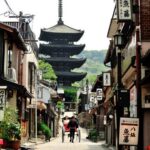
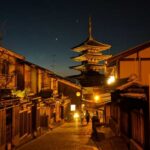
Then the tour heads to Hokan-ji Temple, also known as Yasaka Pagoda. You’re not spending long here—about 10 minutes—but you’re getting a landmark that pops in photos and in Kyoto skyline views: the 46-meter, five-story pagoda. The tour frames it as the last remaining structure from an older 6th-century temple complex.
This is where I like the structure of the day. A highlights tour can sometimes turn into “quick photo, move on.” Here, the guide gives you one strong visual anchor (the pagoda) and one meaningful piece of context, so the stop lands instead of vanishing.
If you’re the kind of person who reads signs and lingers, you’ll likely wish you had more time. But as a short stop, it’s a good trade: you don’t lose the whole afternoon to one location.

Sannenzaka and Ninenzaka slopes: the walk that feels like Kyoto
After the pagoda, you get a scenic walk through Sannenzaka and Ninenzaka, the stone-paved slopes leading toward Kiyomizudera. This portion is about 20 minutes, and it’s honestly one of the most enjoyable parts of the route because it’s slow enough to take in the street shape.
These lanes are lined with tradition, and that’s the point: they help you understand Kyoto’s style at street level. This is the part where the tour stops feeling like a list and starts feeling like a route through a place.
If you want the best experience here, treat it like a moving viewpoint. Pause when the street opens up, look back toward the way you came, and take photos when you’ve got a clean line of sight down the slope. Also, because this is walking on stone surfaces, your shoe choice matters more than you’d think.
Kiyomizudera in 45 minutes: what to focus on
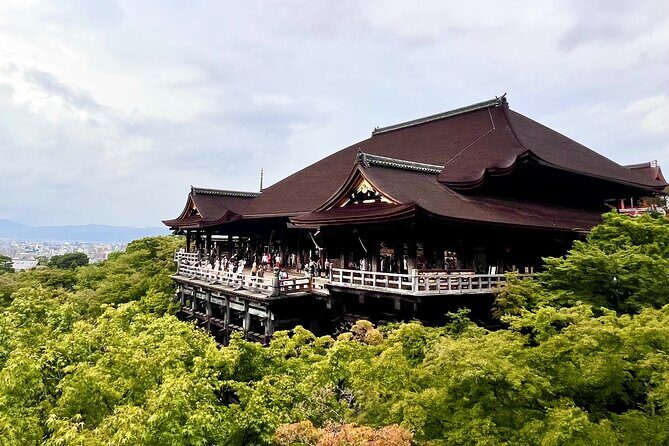
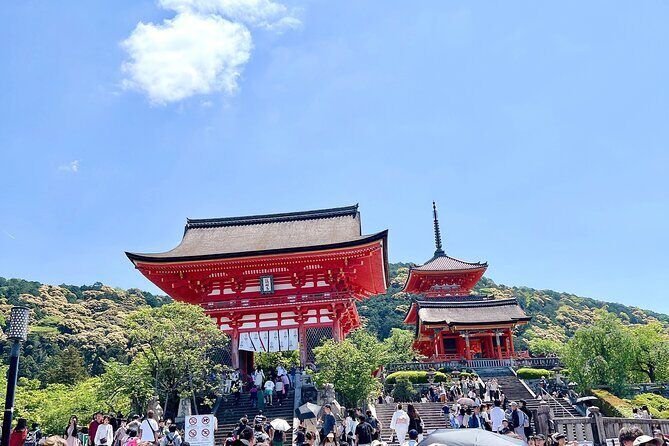
Kiyomizudera Temple is your longer stop at about 45 minutes, and admission is included. This is where the tour earns its “highlights” label. The temple is famous for its wooden terrace with views over Kyoto, plus the sacred waterfall area believed to have spiritual significance.
With limited time, you’ll want a simple plan:
- Start by taking in the main terrace area so you know what the fuss is about.
- Then move slowly through the grounds so you notice the pagodas and the details that make the place feel old in a real way, not just “old-looking.”
- Save your waterfall moment for when you can stand and watch instead of rushing past.
This is also where a guide helps you most. Even if you’ve seen photos before, the explanations about why parts of the complex matter will steer your attention toward what you might otherwise skip.
One more practical point: 45 minutes here can feel like plenty or too short depending on crowd levels. Either way, you’ll leave having experienced the temple at a human pace rather than doing a sprint.
Fushimi Inari in about an hour: torii tunnels and the best strategy
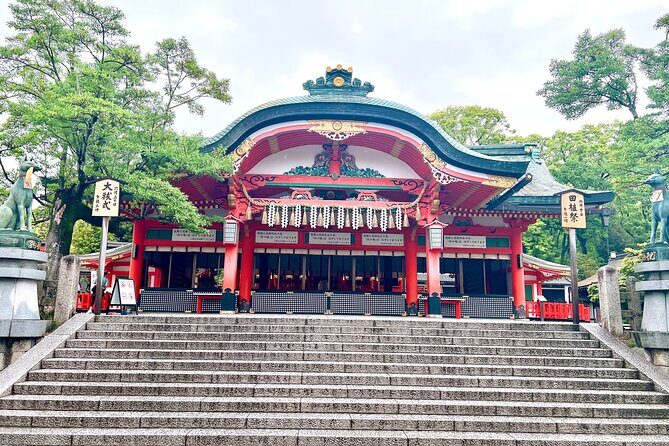
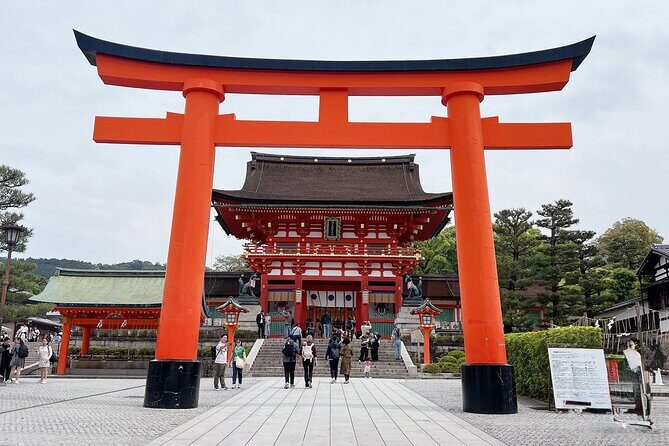
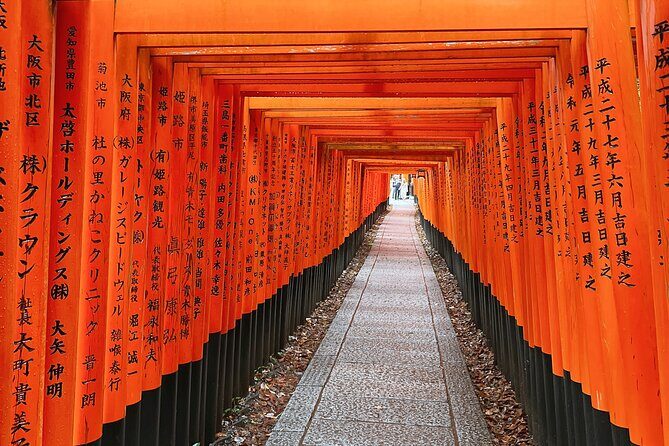
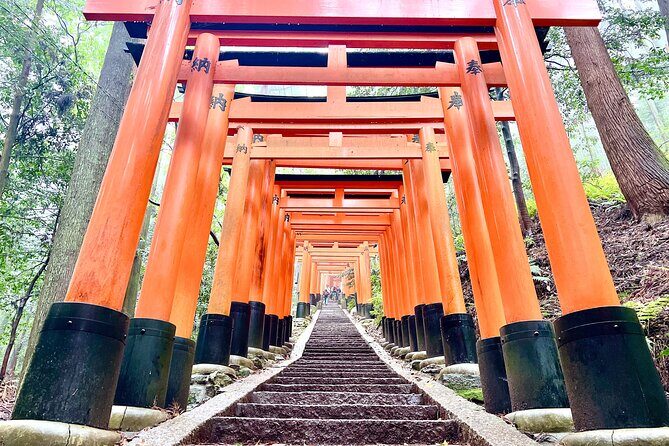
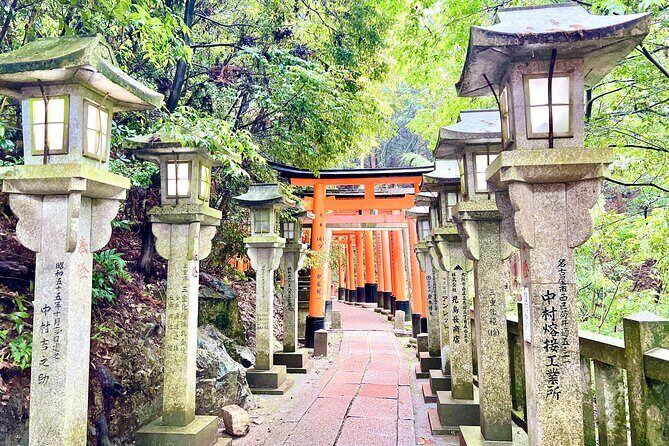
The tour ends with Fushimi Inari-taisha Shrine, dedicated to the god of rice and prosperity. The headliner is the torii gate tunnels—you’ll follow paths that wind up the mountain with thousands of gates in view.
Your time here is about 1 hour, and that’s the right length for a first hit. You get the tunnel experience without turning your day into a full hike. The key is to pick a turnaround point early. That way you don’t end up sprinting back because you waited too long to decide what level of the mountain you want to reach.
This is also a place where photos can become a time trap. The good move is to take photos as you pass key viewing spots, then spend the middle of your hour simply walking through the sequence of torii gates. The tunnel effect is what makes the place unforgettable; overthinking composition can steal that feeling.
The guide can help here too. In the descriptions, Marie is praised for sharing stories and historical details you might miss on your own. That kind of context doesn’t replace the visual spectacle, but it makes it stick.
Guide service and small-group energy: why Marie makes it click
A highlights tour lives or dies on the guide. Here, Marie (also referred to as Mari in some feedback) is repeatedly described as informative and fun, mixing historical context with local fun facts. People also mention that she takes photos for the group, which is a small detail that can make your entire day easier—especially if you don’t have a travel buddy and you want clean shots at the iconic gates and terrace views.
Flexibility is another theme from the feedback. One solo traveler noted Marie was flexible when they were late due to travel mishaps, and another praised how the guide adjusted the itinerary to suit participants. That’s not a guarantee, but it does suggest a calm leadership style. For you, that means less stress if you’re running behind or if your group has a few different comfort levels with walking.
With a max group size of 12, there’s room for questions. You’re not getting squeezed into the loud rush that big-bus tours can create. It feels like a walk with a competent friend who knows the route and the stories.
Value and pricing: what $50 buys you (and what it doesn’t)
At $50 per person, you’re paying for a guided route and included admission where it matters most—Kiyomizudera. Everything else on the route is listed as free admission, which makes the package feel efficient.
You should also plan for two add-ons:
- Public transportation ¥220 per person (not included)
- Snacks (not included)
If you compare this to hiring a private guide or trying to stitch together multiple stops with your own navigation time, the price starts to look like a good trade. You’re essentially buying back decision fatigue. Instead of figuring out which order to visit in and how to get from one neighborhood to the next, a guide handles it, and you get commentary while you walk.
One more value point: booking is often done about 54 days in advance on average. That doesn’t mean you can’t book last minute, but it does suggest this route can fill. If your dates are firm, don’t wait too long.
Pacing and what to bring: the practical side of a walking tour
This is a walking tour, and the itinerary totals about 3 hours 30 minutes. Reviews put a clear emphasis on comfortable shoes because there’s real walking from stop to stop, plus slopes and temple grounds.
For your comfort:
- Wear shoes with grip for stone paths.
- Bring water, because Kyoto humidity can be rough depending on season.
- Consider bringing a light snack since snacks aren’t included.
- If you wear layers, you’ll be happier. Late afternoons can shift temperature.
Also, because you start at 3:00 pm, plan dinner for afterward. You’ll be finishing at Fushimi Inari, and that area is convenient for food, so you won’t have to go hunting for a place to eat with tired legs.
Weather and day-of expectations
This experience requires good weather. That’s not a small note—it’s a key factor in whether the walk is pleasant or miserable. If it’s canceled due to poor weather, you’ll be offered a different date or a full refund.
Even if the tour runs, expect that the outdoor walking means you’re exposed to conditions. If rain is possible in your planning window, check the forecast closely and keep an eye on what you packed.
Should you book this Kyoto half-day highlights tour?
If you want the best Kyoto hits without turning your day into navigation homework, I think this tour fits well. It’s a good option when you:
- have only a half-day in Kyoto,
- want a guide to explain what you’re seeing (and keep the walk fun),
- value a small group over a crowded, rushed experience,
- want Kiyomizudera admission included rather than paying separately.
Book it if you’re okay with walking and you’ll wear decent shoes. Skip it only if you want a mostly seated, slow-paced tour with lots of independent wandering time.
If your schedule is tight, this is one of those plans that feels efficient without feeling like you’re sprinting.
FAQ
How long is the Kyoto Half Day Highlights Tour?
It runs for about 3 hours 30 minutes.
What time does the tour start?
The start time is 3:00 pm.
Where do I meet the guide?
You meet at Gion-Shijo Station, 1 Chome Miyagawasuji, Higashiyama Ward, Kyoto.
Where does the tour end?
The tour ends in front of Fushimi Inari Shrine, near Inari Station (Fukakusa Inarionmaecho, Fushimi Ward, Kyoto).
What is the maximum group size?
The maximum group size is 12 travelers.
What’s included in the price?
The price includes guide service and admission fee.
What’s not included?
Public transportation (¥220.00 per person) and snacks are not included.
Is it okay to go if the weather is bad?
The tour requires good weather. If it’s canceled due to poor weather, you’ll be offered a different date or a full refund.
If you want, tell me your travel dates and what time you’re arriving in Kyoto, and I’ll suggest whether the 3:00 pm start fits your day plan.