REVIEW · NARA DAY TRIPS
Kyoto&Nara Private Highlights Tour with English driver Pickup
Book on Viator →Operated by kansai holiday · Bookable on Viator
A full day in Kyoto and Nara can feel like herding cats. This private highlights tour turns it into a smooth, car-based day where you pick the pace and the order. I like the flexible hotel pickup plus the air-conditioned van with WiFi, so you can cool down and plan on the go. One thing to watch: if you choose only an English-speaking driver (no added professional guide), the English can be limited, so you may want to line up the kind of stories you want in advance.
What makes this tour worth considering is the mix of big-name sights and practical routing. You’ll have time blocks for the top hits—Arashiyama Bamboo Forest, Fushimi Inari Taisha, Gion, and Kiyomizu-dera—then you can roll into Nara for the deer park and the massive Todai-ji. The day runs about 8 to 10 hours including travel time, so it’s a good fit when you want a lot done without spending the whole day figuring out trains and buses.
In This Review
- Key things that make this tour work
- Private pickup plus an A/C van that saves your energy
- How customization works when you want your own Kyoto plan
- Arashiyama Bamboo Forest: calm walks before the crowds
- Kinkaku-ji (Golden Pavilion): famous for a reason, plan for entry
- Fushimi Inari Taisha: the red torii corridor you can walk for days
- Gion: old Kyoto streets, perfect for a slower stroll
- Nishiki Market: Kyoto’s kitchen for snacks and ingredients
- Kiyomizu-dera: the wooden stage views and a classic temple visit
- Nara Park and Todai-ji: deer-friendly nature and the world’s huge Buddha
- Nara Park: the deer experience
- Todai-ji: huge scale you feel immediately
- Optional Nara add-ons if you want more than the deer and the Buddha
- Price and what you actually get for the money
- English driver vs professional guide: how to get the stories you want
- Who should book this tour, and who might skip it
- Should you book this Kyoto & Nara Private Highlights Tour?
- FAQ
- How long is the Kyoto & Nara private highlights tour?
- Are hotel pickup and drop-off included?
- What entrance fees should I expect to pay separately?
- Is this a private tour?
- How big is the group and vehicle?
- Can I customize the stops and time at each attraction?
Key things that make this tour work
- Hotel pickup and drop-off in Kyoto or Osaka, which saves real time
- A/C private van with WiFi, useful during hot Kyoto afternoons
- Customizable route, so you can adjust stops and time on the fly
- Iconic Kyoto hits in one day: bamboo, red torii, Gion streets, and Kiyomizu-dera
- Optional Nara extension with Nara Park and Todai-ji, plus other classic options
- Driver experience varies, and English depth can affect how much you learn on-site
Private pickup plus an A/C van that saves your energy
Kyoto is gorgeous, but moving around can be tiring. This tour leans into the practical side: you get hotel pickup and drop-off, and you ride in a private luxury van (listed as 6 or 9 seats), with air-conditioning and WiFi. That matters because Kyoto days often come with stairs, uneven sidewalks, and heat—especially once you finish the first major stop and are waiting for the next one.
For me, the best part of private transport is control. You’re not stuck at the mercy of a fixed departure time or a crowded group pace. You can also ask for small pauses—coffee, restrooms, quick photo stops—without turning the whole day into a logistical puzzle. One praised driver, Gao, is specifically noted for being on time, patient, and helpful, including handling a short detour for a Starbucks stop.
You can also read our reviews of more private tours in Kyoto
How customization works when you want your own Kyoto plan
This is a fully customizable private car tour. After booking, you coordinate with the team to plan your route, and on the day you can keep the plan flexible. The structure is built around suggested time blocks at each stop, but the tour notes that you can shorten or extend time at a specific place by communicating with your driver or guide.
That flexibility is especially useful in Kyoto because the “right” order often depends on what the day gives you:
- crowds you hit on foot
- traffic conditions between neighborhoods
- whether you want to linger for views or keep it moving
One driver described in the feedback also adjusted the order to avoid traffic, which is exactly the kind of behind-the-scenes skill you want when you’re trying to fit a lot into 8–10 hours.
My practical tip for you: before the tour day, make two short lists:
1) your must-see stops (the ones you’ll regret skipping)
2) your flexible stops (you can cut these if timing gets tight)
That gives your driver a clear target to build around.
Arashiyama Bamboo Forest: calm walks before the crowds
Arashiyama Bamboo Forest is one of Kyoto’s most recognized natural sights. Expect a short walking path through tall bamboo stalks, with a quiet, atmospheric feeling created by the height and density of the grove. The itinerary slot here is about 1 hour, and the admission ticket is listed as free.
Why it’s a smart first or early stop: bamboo feels restorative after travel. It’s also a good way to start with a “wow” that doesn’t require long museum-style attention. If you only have one day, this is the kind of place that anchors the rest of your afternoon.
What to keep in mind: even if the visit is “only” an hour, the area is a walking experience. Wear shoes you can stand in, and plan to take your time—Arashiyama is worth slowing down for.
Kinkaku-ji (Golden Pavilion): famous for a reason, plan for entry
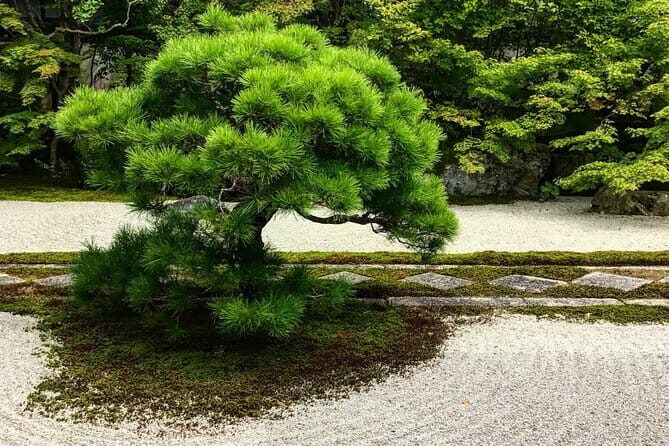
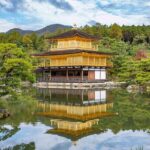
Kinkaku-ji is the three-storey pavilion covered in gold leaf, a UNESCO World Heritage site, and one of Kyoto’s most recognizable buildings. Your time here is about 30 minutes.
One caution: the entry is listed as not included, with a fee of ¥400 per person. That’s not a deal-breaker, but it does mean your final “day total” depends on which paid sites you add.
How to make the time feel worth it: treat the 30 minutes as a focused visit, not a wandering browse. Look for the angles that show the building clearly, then use the remaining minutes to enjoy the surrounding atmosphere before moving on.
Fushimi Inari Taisha: the red torii corridor you can walk for days
Fushimi Inari Taisha is all about the long corridor of torii gates—thousands of them—creating that bright red tunnel effect along a mountain path. The listed stop time is about 45 minutes, and the admission is free.
This is one of those Kyoto experiences where the “highlight” is also the activity. If you walk deeper, you’ll feel more removed from street level. If you stay closer to the main approach, you’ll get the classic tunnel views with less hiking.
A smart way to use your time: if you want the iconic look without exhausting yourself, aim for a loop or a point where the gates feel dense and photographic. Then turn back before you lose the rhythm of the day.
You can also read our reviews of more tours and experiences in Kyoto


Gion: old Kyoto streets, perfect for a slower stroll
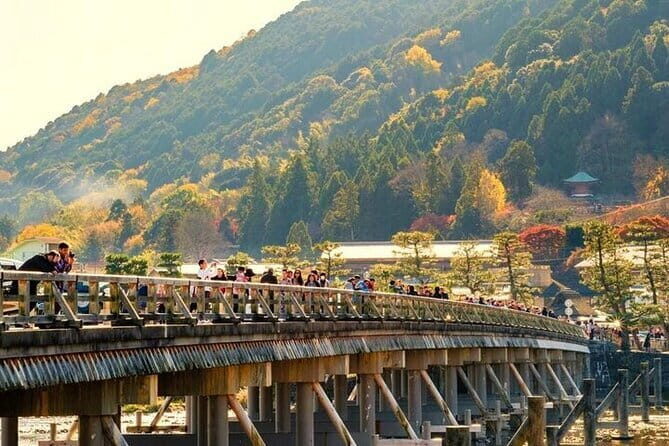
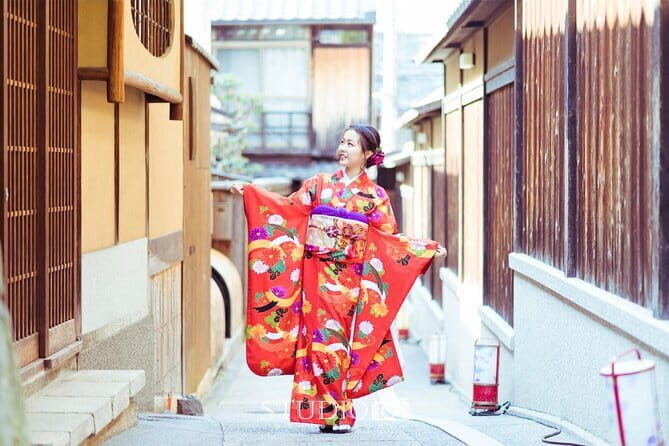
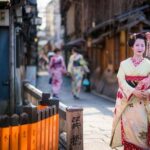
Gion is Kyoto’s best-known traditional district, known for historic wooden townhouses and geisha culture. The tour sets aside about 1 hour, and it’s listed as free (since you’re mostly walking the neighborhood).
Gion is a place to walk, not sprint. You’ll want to slow down enough to notice old street shapes, shop fronts, and the way the neighborhood transitions from busy areas into quieter lanes.
If you’re thinking about timing: evening can be a great moment for atmosphere, but your day plan may already be tightly scheduled. Keep Gion flexible—if you’ve got energy, you can linger; if not, treat it as a relaxed one-hour reset.
Nishiki Market: Kyoto’s kitchen for snacks and ingredients
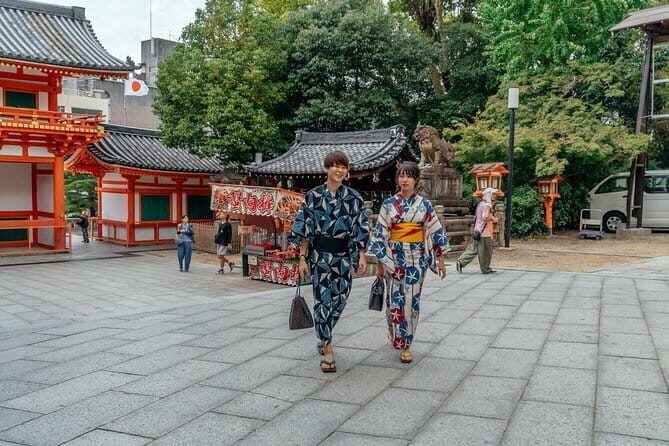
Nishiki Market is described as lively, often called Kyoto’s kitchen, with a narrow covered street lined with food stalls selling local specialties, snacks, and traditional ingredients. The tour includes about 1 hour and lists admission as free.
This stop is valuable for two reasons:
- You get a taste of everyday Kyoto food culture without committing to a long sit-down meal.
- It’s a place to buy small items you can enjoy immediately or bring back (if you’re traveling light).
What I like about including a market on a highlights tour is that it breaks up the temple-and-garden pace. It also gives you an easy lunch option if you want something casual between major sights.
Practical move for you: set a “snack budget.” Markets can easily turn into a full shopping spree, especially if you enjoy tasting a little bit of everything.
Kiyomizu-dera: the wooden stage views and a classic temple visit
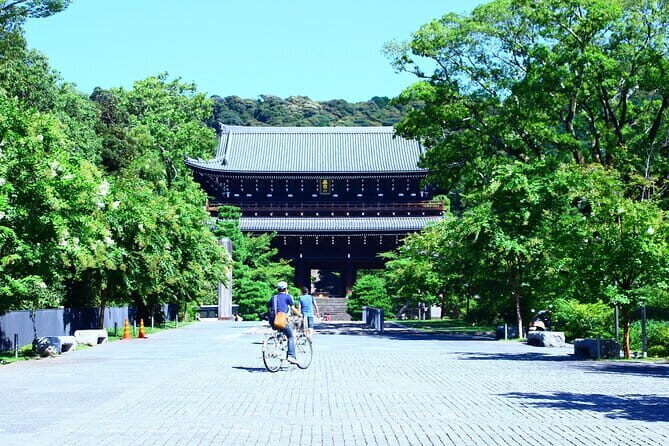
Kiyomizu-dera is one of Kyoto’s most famous Buddhist temples, founded in 778. It’s known for its large wooden stage built without nails, and for the panoramic views over the city. The itinerary allows about 1 hour, and admission is listed as not included.
There’s a reason Kiyomizu-dera gets repeated in Kyoto itineraries: the site offers both architecture and viewpoint payoff. Even if you’re not the type who memorizes temple dates, the experience tends to land because the setting makes you look outward.
Plan for walking and standing. The time here works best when you balance sightseeing with a few slow moments at the view points.
Nara Park and Todai-ji: deer-friendly nature and the world’s huge Buddha
This tour can extend into Nara, and the included highlights portion (as listed in the schedule) is Nara Park and Todai-ji.
Nara Park: the deer experience
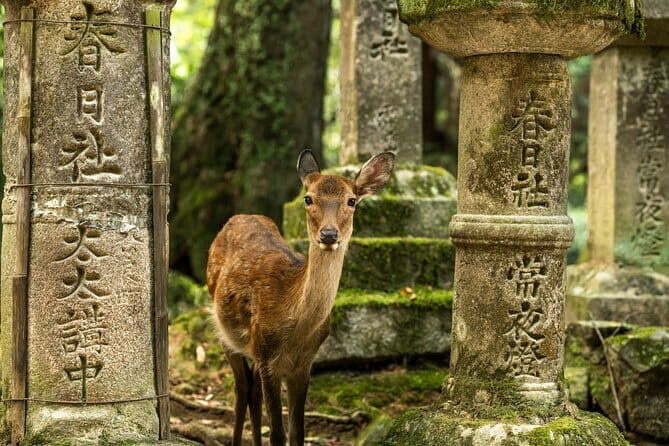
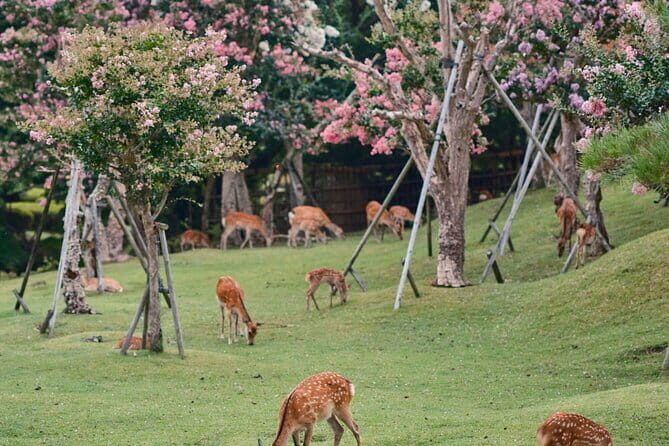
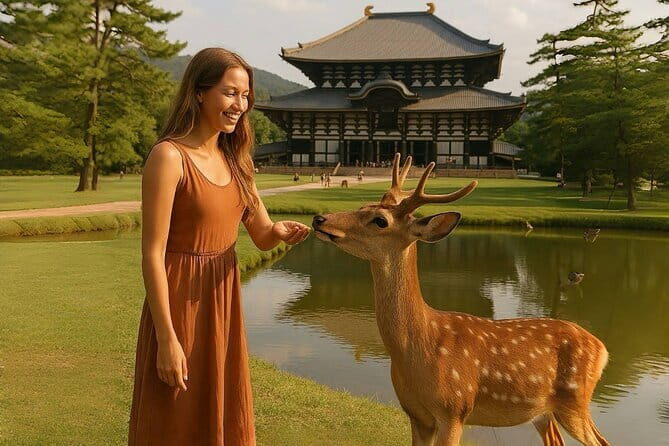
Nara Park is described as a nature paradise and home to Nara deer. The listed visit time is about 1 hour, and admission is free. The deer often hang around people and grass areas, so it’s a light, fun break from the temple-heavy rhythm of Kyoto.
If you’re going with kids or you just want something playful, Nara Park is a great pivot point. It’s also a good spot to reset your feet before the largest structure on the list.
Todai-ji: huge scale you feel immediately
Todai-ji Temple is described as the largest wooden building in the world, housing a magnificent bronze Buddha statue. Your stop time is about 1 hour, and admission is not included with a fee of ¥800 per person.
Even without a guide, Todai-ji’s scale does the work. The sheer size of the structure and the presence of the Buddha statue create that “you’re really here” effect. This is the kind of stop where 60 minutes often feels right: you can take in the main hall, look around, then step back when you’ve had enough awe.
Optional Nara add-ons if you want more than the deer and the Buddha
The tour overview also mentions additional Nara options you can add depending on your plan, including:
- Kasuga Taisha
- Hōryū-ji
- Wakakusayama Hill
- the historic Naramachi district
If you’re the type who wants a second layer beyond the headline sites, these can help your day feel less like a greatest-hits checklist. Just be realistic with time. Each extra stop costs minutes, and your overall day already includes travel.
Price and what you actually get for the money
At $422.70 per group (up to 15 people), this isn’t a budget deal. But it can be good value when you compare it to the cost of multiple taxis, trains plus transfers, and the time you’d lose managing your own route.
Here’s what’s included:
- Air-conditioned vehicle with WiFi
- Private transportation (luxury 6 or 9 seats van)
- Fuel, tolls, and parking
- Hotel pickup and drop-off
- Mobile ticket
- The tour is private to your group
What’s not included:
- Entrance fees at certain sights, including Todai-ji (¥800) and Kinkaku-ji (¥400), plus other temples listed as not included (like Kiyomizu-dera).
So your real “all-in” cost depends on which paid sites your route includes. If you pick Kinkaku-ji and Todai-ji, you’re adding those fees on top. If you’re aiming for a few paid stops only, you can control the total.
My budgeting tip: add entrance fees into your math before you decide. That way you won’t get surprised when the day includes the Golden Pavilion and Todai-ji.
English driver vs professional guide: how to get the stories you want
This tour can be deeper if you add a professional guide, but even without one, you’ll still have an English-speaking driver. The key detail from experience feedback: sometimes the driver’s English is limited, and that can reduce the amount of cultural context you get on-site.
On the flip side, there are examples of guides doing an excellent job. Gao is praised as on time and very helpful, and Mia is described as patient and very informative, including taking photos using the phone on request. That kind of support can turn “I saw the place” into “I understand what I’m looking at.”
How you can protect your experience:
- When you plan your route, tell the coordinator what you want explained (shrines, Buddhism, Gion culture, or temple architecture).
- If you care a lot about narration, ask about adding a professional guide for stronger English depth.
If you’d rather just enjoy the sights at your own pace, the driver-only model may still work well, because the tour’s main value is the private transport and the time you save.
Who should book this tour, and who might skip it
This tour makes the most sense if you:
- want a one-day highlights plan without wrestling transit
- prefer the comfort of an A/C private van
- like flexibility (changing order, changing time at a stop)
- are traveling with a group where private transport is worth it
It may feel less ideal if you:
- want a lot of detailed storytelling and you strongly depend on fluent English guidance
- prefer slow, neighborhood-by-neighborhood walking days without car stops
If you’re in the “I want the big sights but I still want control” camp, this hits the sweet spot.
Should you book this Kyoto & Nara Private Highlights Tour?
If you’re trying to fit Kyoto classics plus Nara into one day, this is a smart way to do it. The biggest strengths are the hotel pickup, the private comfort, and the fact that the day is built around major, unforgettable stops like Arashiyama Bamboo Forest, Fushimi Inari, Gion, Nara Park, and Todai-ji.
I’d book it if you value convenience and flexibility more than deep guided narration. I’d lean toward adding or requesting a stronger guide option if you want cultural context delivered with confidence in English. Either way, do your part: choose your must-sees, estimate your entrance fees, and communicate how you want to spend your time. That’s how this day turns from a “checklist tour” into a genuinely fun, well-paced one.
FAQ
How long is the Kyoto & Nara private highlights tour?
The tour lasts about 8 to 10 hours, and that total duration includes travel time.
Are hotel pickup and drop-off included?
Yes. The tour includes hotel pick-up and drop-off in Kyoto or Osaka.
What entrance fees should I expect to pay separately?
Entrance fees are not included. The tour lists Kinkaku-ji at ¥400 per person and Todai-ji at ¥800 per person, and it also notes that some other sites like Kiyomizu-dera have admission not included.
Is this a private tour?
Yes. It’s a private tour/activity, and only your group participates.
How big is the group and vehicle?
The price is per group (up to 15). The private transportation is described as a luxury 6 or 9 seats van.
Can I customize the stops and time at each attraction?
Yes. You coordinate after booking to plan your route, and on the day you can shorten or extend a single attraction’s recommended duration by communicating with your driver or guide.