REVIEW · KYOTO
Strengthen the immunity!! Making miso in Japanese old house.
Book on Viator →Operated by maiyuur culture retreat · Bookable on Viator
Kyoto’s old-house hum is real. In one hour, you’ll make okara miso, then taste it with calm, hands-on guidance. I especially like the wellness angle—your instructor talks intestinal environment and why fermented foods matter for daily health—and I also love the practicality of the method: you use tofu refuse (okara) to create something you normally wouldn’t think you could turn into miso. A consideration: you’re in the middle of fermentation time, not the quick-food kind—your paste needs more than 3 months to fully mellow, so think of this as a start, not an instant seasoning.
What makes this class feel different in Kyoto is the small-group pace and the setting. With a maximum of 6 people, it’s not a production line, and you can ask questions while you mix your batch. The chance to work in a Japanese old residence adds atmosphere, but it also means you should be comfortable moving around a traditional space.
In This Review
- Key highlights you’ll care about
- Making miso from okara: Kyoto’s health project you can actually use
- The 60-minute old-house plan (what happens, step by step)
- 1) Meet the idea: benefits of miso and how it’s made
- 2) The wellness focus: improving your intestinal environment
- 3) The hands-on part: making okara miso
- 4) Tasting: miso soup, miso paste, and okara mochi
- 5) Take home about 500g of your miso batch
- The okara shortcut: why this method makes sense
- What you’ll taste and why that lesson matters
- Dietary fit: gluten-free, MSG-free, and vegan options
- Price and value: is $46.15 a fair deal?
- Setting and logistics: the meeting point and pacing
- Who should book this miso-making class
- Should you book? My straight answer
- FAQ
- What is the main activity in this class?
- How long does the experience take?
- What do I get to take home?
- How is the miso different from the traditional soybean method?
- Does the class include tasting?
- Are there dietary options or restrictions handled?
- How long does miso fermentation take?
- Where is the meeting point?
- What if the weather is poor?
- What is the cancellation policy?
Key highlights you’ll care about
- Okara miso method: faster and easier than the classic soybean process, using tofu refuse instead of wasting it
- Gut-and-body wellness talk: clear, practical explanation of how miso supports your intestinal environment
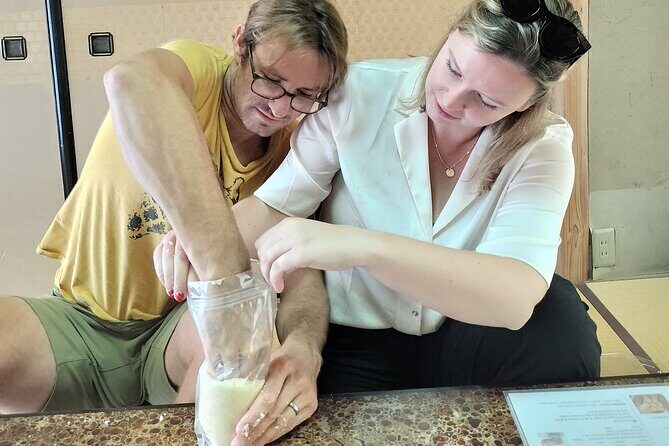
- Hands-on mixing: you don’t just watch—you combine ingredients under instructor direction
- Tasting built in: miso soup, miso paste, and okara mochi come as part of the experience
- Take-home miso: you leave with about 500g of what you made
Making miso from okara: Kyoto’s health project you can actually use
If you’ve ever looked at miso as a mysterious jar in the back of your kitchen, this class helps it feel normal. In Japan, miso is a daily ingredient. It’s also fermented, which is why it tends to show up in conversations about gut health and general wellness.
Here the teaching is tied directly to the real goal: help your body’s systems work better, starting with your stomach and intestines. The instructor frames miso as a traditional fermented seasoning with usefulness beyond flavor—something you can bring into everyday cooking once you understand what you’re making.
And then there’s the eco side, stated plainly. Traditionally, miso is made from whole soybeans, which means soaking, boiling, and mashing. This class uses okara—soybean skin from tofu production. Okara is healthy and nutrient-rich, but it’s often treated as industrial waste and discarded. Turning it into miso is both easier and less wasteful. You get the benefit of a traditional Japanese food without the heavy lift.
You can also read our reviews of more tours and experiences in Kyoto.



The 60-minute old-house plan (what happens, step by step)
This experience runs about 1 hour. It’s designed so you get the full story—why miso matters, how the process works, and what you should do next at home. You arrive at your reserved time, and the day flows in a clear sequence.
1) Meet the idea: benefits of miso and how it’s made
You’ll start with an explanation of miso’s benefits and the method behind it. The class connects fermented food to day-to-day wellness, and it’s not presented like a lecture you’ll forget after lunch. You’ll get enough context to understand the steps you’re about to do with your hands.
Because the instructor is both a massage therapist and a Japanese tea and cooking instructor, the tone leans toward body-and-mind wellness rather than just cooking technique. If you like learning how food and lifestyle fit together, this approach tends to click.
2) The wellness focus: improving your intestinal environment
Next comes the gut angle. You’ll talk about how fermented foods can support the intestinal environment, and how that connects to feeling better in daily life. No complicated medical promises. It’s more practical: you’ll understand the reason miso has earned its place.
3) The hands-on part: making okara miso
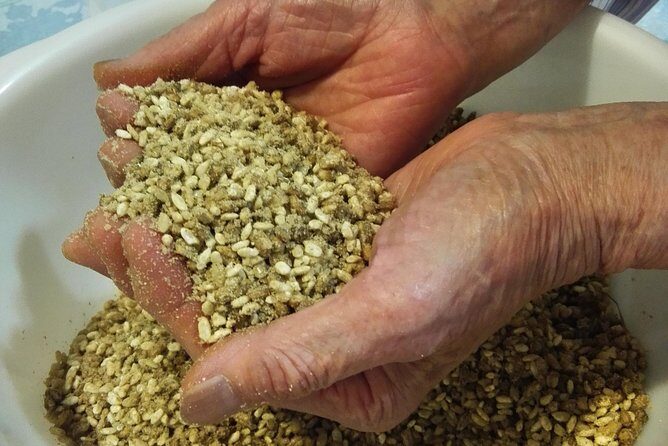
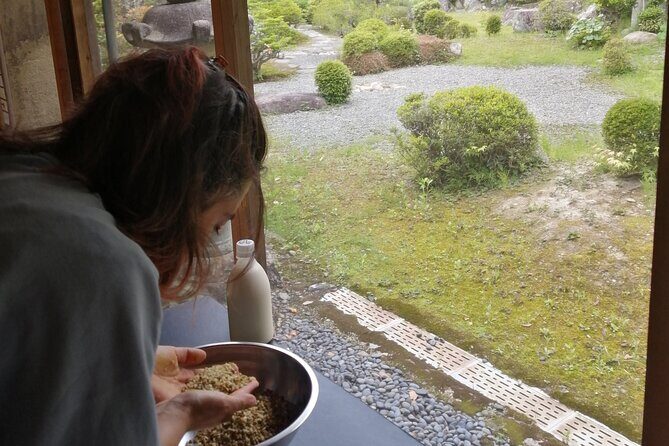
Then you get into the mixing and shaping phase. This is where the class becomes genuinely fun and peaceful, the way you want a small-group food activity to feel. Your instructor directs you through the okara miso process using Japanese traditional ingredients, including koji seasoning.
You’ll also learn what makes this method simpler than the classic soybean way. The classic route involves soaking dried soybeans for a day, boiling until soft, and mashing. Okara skips a lot of that work because it’s already processed as soybean skin. That means quicker steps for you, with a clear eco reason behind it.
Important timing detail: miso takes more than 3 months to ferment. So you aren’t eating a finished seasoning today. You’re making a batch that will develop flavor over time.





4) Tasting: miso soup, miso paste, and okara mochi
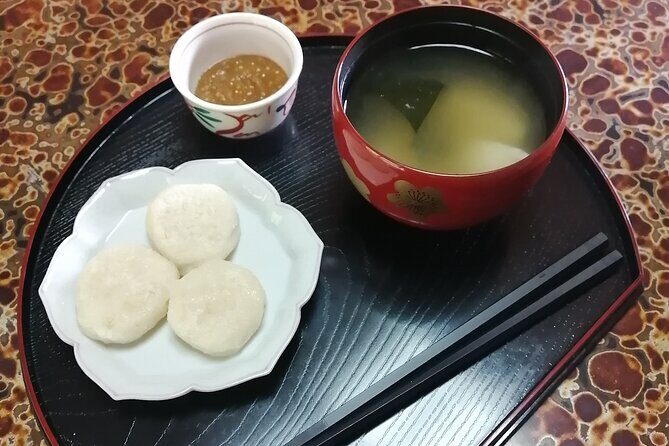
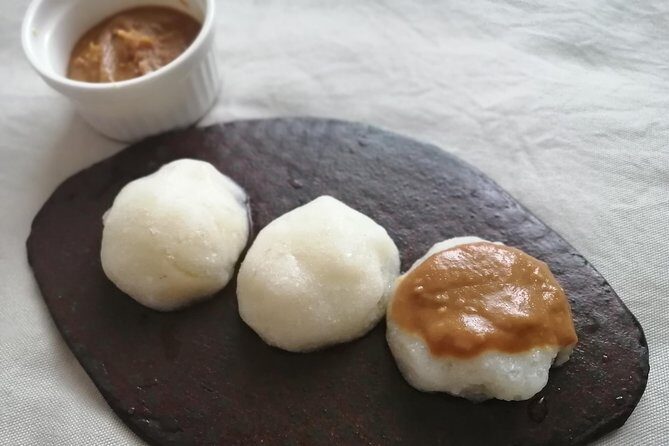
After you finish your batch, you taste what you’re learning. The tasting includes miso soup, miso paste, and okara mochi. That’s a smart lesson design: it gives you reference points for what different miso forms taste like.
If you’re the type who learns faster by eating, you’ll appreciate that the class doesn’t end with theory. You’ll taste while the ideas are still fresh.
5) Take home about 500g of your miso batch
Finally, you take home what you made—around 500g of miso. This is key for value. Many cooking experiences teach you technique, but you leave with nothing that will matter in your pantry. Here you get a tangible result you can use once fermentation completes.
The okara shortcut: why this method makes sense
Traditional miso can be an involved process. You’re dealing with whole soybeans, so the prep time and effort add up fast. Okara miso changes the game.
Here’s what you should know before you go:
- Okara is soybean skin from tofu production.
- It’s described as healthy and nutrient-rich.
- It’s often discarded as industrial waste.
- This class turns it into a fermented seasoning you can keep.
So the class isn’t just about making food. It’s also about seeing waste differently. When you learn how okara becomes miso, you may start looking at ingredients you normally overlook and thinking, How else could this be used?
The class uses koji as part of the traditional natural seasoning approach. Koji is the fermentation engine in many Japanese foods. Understanding that helps you see miso as a living process rather than a dead ingredient. That makes your future jar of miso feel less random.
What you’ll taste and why that lesson matters
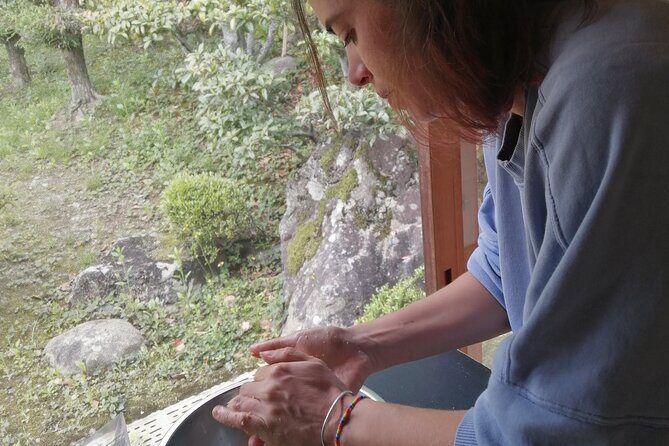
The tasting isn’t an afterthought. It helps you connect your hand-made batch with the flavor forms you’ll use later.
You’ll try:
- Miso soup
- Miso paste
- Okara mochi
Each one reinforces a different way miso can show up in your cooking. Miso soup gives you the everyday, comforting baseline. Miso paste is the direct ingredient form—what you’ll use for seasoning and mixing. Okara mochi adds a texture and flavor reference, showing how okara can become more than just a leftover. Even if you don’t go home and replicate the mochi, you’ll carry a better sense of what okara is capable of.
This is also where the class’s wellness angle stays grounded. Food you taste helps you remember the why. You won’t need a cheat sheet to recall what miso is supposed to do for your palate and routine.
Dietary fit: gluten-free, MSG-free, and vegan options
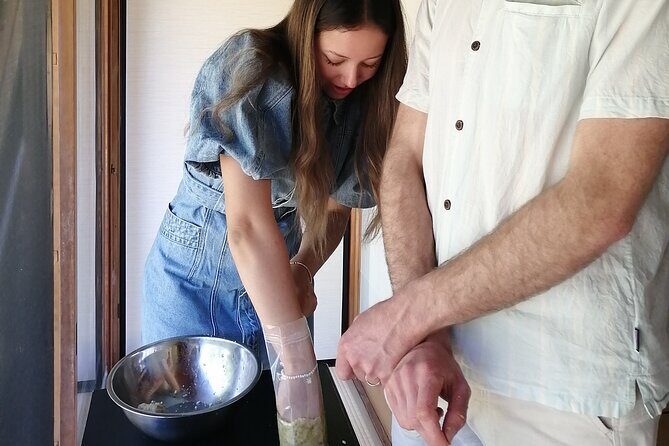
If you’re sensitive to certain ingredients, this class has you covered with clear information. The dishes are gluten-free and MSG-free, and vegan options are available.
That matters in Kyoto, where many small food activities assume no dietary restrictions. Here you’re told upfront how the class handles ingredients, so you can focus on learning rather than worrying about what’s in your bowl.
One more practical note: because the class includes both cooking and tasting, dietary clarity is more useful than it sounds. You’ll want to know what you’ll actually eat and what your take-home miso batch will represent.
Price and value: is $46.15 a fair deal?
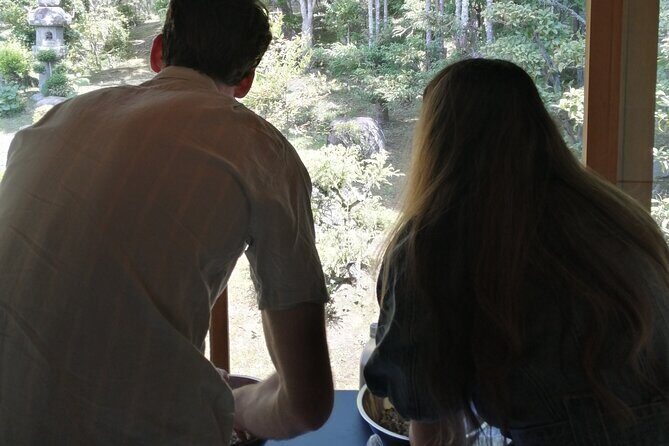
At $46.15 per person, this class sits in the “small, focused workshop” range. The main value comes from what you get out the other end.
For your money, you’re getting:
- about 1 hour of instruction and hands-on making
- small group size, up to 6 people
- a structured wellness talk (not just mixing)
- tasting (miso soup, miso paste, okara mochi)
- a take-home batch of about 500g you made
When you think about it that way, you’re not only paying for a one-time meal. You’re paying for ingredient literacy and a practical kitchen outcome that lasts in your pantry. That take-home amount is often the difference between a fun day trip and something that changes your routine.
Also, booking tends to happen about 8 days in advance on average. That suggests the class is popular enough to plan ahead, especially during busy Kyoto weeks.
Setting and logistics: the meeting point and pacing
You’ll meet at Kaze no Waon, 14 Utanokitanoinchō, Ukyo Ward, Kyoto, 616-8201, Japan. The experience ends back at the meeting point.
The mobile ticket format is simple, and the class is designed to be easy to attend without complicated transit hopping. It’s near public transportation, which matters in Kyoto, where you can lose time if the location isn’t convenient.
The bigger factor is the pacing. This is not a marathon class. It’s short enough to keep energy up, long enough to teach the process, and structured enough that you don’t feel lost while you mix.
One consideration: it requires good weather. If bad weather cancels the session, you’ll be offered another date or a full refund.
Who should book this miso-making class
This is a great fit if you:
- want a hands-on food class that doesn’t feel rushed
- like wellness talks that connect food to the body in a practical way
- care about gut health conversations and fermented foods
- prefer small groups and direct instructor guidance
- want a take-home ingredient, not just a meal
It may not be the best choice if you:
- only want something that you can eat immediately. Your miso needs more than 3 months to ferment.
- dislike traditional-style spaces where you may need to sit, stand, or move around a Japanese old residence.
Should you book? My straight answer
Yes, you should book if you want a short Kyoto experience that blends traditional fermented food with a meaningful wellness explanation and a real kitchen payoff. The okara method is clever, the tasting is built for learning, and the take-home miso gives you a reason to think about your batch long after the class ends.
If you’re mainly looking for a scenic tour or a fast snack, you might feel it’s too focused. But if you like practical lessons, ingredient thinking, and small-group calm, this class is the kind you’ll remember when you’re stirring soup later.
FAQ
What is the main activity in this class?
You’ll make handmade okara miso together, then taste miso dishes. You also take home about 500g of the miso you made.
How long does the experience take?
The class runs about 1 hour.
What do I get to take home?
You take home around 500g of miso you made in the class.
How is the miso different from the traditional soybean method?
Traditional miso uses whole soybeans with soaking and boiling. This class makes miso using okara (tofu refuse/soybean skin), which is described as easier and faster.
Does the class include tasting?
Yes. You’ll taste miso soup, miso paste, and okara mochi.
Are there dietary options or restrictions handled?
The class states dishes are gluten-free and MSG-free, with vegan availability.
How long does miso fermentation take?
Miso takes more than 3 months to ferment, so what you make is a batch to develop over time.
Where is the meeting point?
The meeting point is Kaze no Waon, 14 Utanokitanoinchō, Ukyo Ward, Kyoto, 616-8201, Japan, and the activity ends back there.
What if the weather is poor?
This experience requires good weather. If it’s canceled due to poor weather, you’ll be offered a different date or a full refund.
What is the cancellation policy?
It is non-refundable and cannot be changed for any reason. If you cancel or request an amendment, the amount you paid will not be refunded.
If you want, tell me your travel dates and dietary needs, and I’ll help you decide the best time to schedule this class in your Kyoto day.