REVIEW · ARASHIYAMA TOURS
Kyoto:Quiet Arashiyama and Sagano Temples
Book on GetYourGuide →Operated by Arashiyama Culture Experience · Bookable on GetYourGuide
A quiet Kyoto afternoon beats the usual rush. This walking tour pairs Arashiyama calm with temple stories that feel personal, even centuries later. You get a guided route through Sagano’s key spots, but the real point is how the guide connects faith, loss, and daily life to what you’re experiencing right now.
I love two things most. First, I like that it avoids the busiest feel and gives you room to slow down inside a nature-rich pocket of Kyoto. Second, I really enjoy the way Masa ties each temple to a specific human tragedy, so you don’t just see buildings—you understand why people came, prayed, and remembered.
One possible drawback: it packs a lot into about 3 hours, so if you want an extra-long, no-schedule pause at every stop, you may feel a bit rushed. (The good news: you can still take breaks for photos and scenery during the walk.)
In This Review
- Key things that make this tour work
- Quiet Arashiyama and Sagano Temples: the vibe you’re buying
- Price and value: what $38 covers (and why it’s fair)
- Meeting at JR Saga-Arashiyama: simple, but do it right
- Stop 1: Adashino Nenbutsu-ji and the heartless field story
- Saga Toriimoto preserved street: old houses on a quieter side of Kyoto
- Stop 2: Giou-ji Temple and women’s sorrows in the Heian period
- Sagano Bamboo Grove: the photo stop that also gives you breathing room
- Tenryuji Temple: the guided finish you’ll remember longer than the bamboo
- Pace, hands-on prayer, and what Masa adds
- What to bring, what to wear, and how to feel comfortable
- Who should book this Arashiyama and Sagano temples tour
- Should you book Quiet Arashiyama and Sagano Temples?
- FAQ
- How long is the Kyoto Quiet Arashiyama and Sagano Temples tour?
- What is the price per person?
- Where do I meet the guide?
- Are temple admissions included?
- What language is the tour guide?
- Is the tour accessible for wheelchair users?
Key things that make this tour work
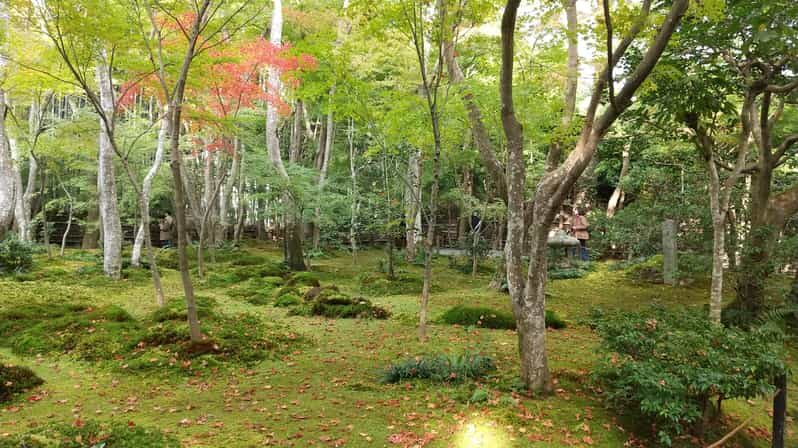
- Small, private-group pacing keeps the experience personal and question-friendly with an English-speaking guide, Masa
- Adashino Nenbutsu-ji brings heavy history to life with the heartless field story and thousands of Buddha stone statues
- Giou-ji Temple adds the Heian-period angle, focused on women’s sorrows and four women practicing Buddhism
- Hands-on moments at select temples help you do more than watch—prayer and meditation traditions get demonstrated
- Sagano Bamboo Grove + Tenryuji finish with a strong visual and spiritual contrast to the darker backstories
Quiet Arashiyama and Sagano Temples: the vibe you’re buying
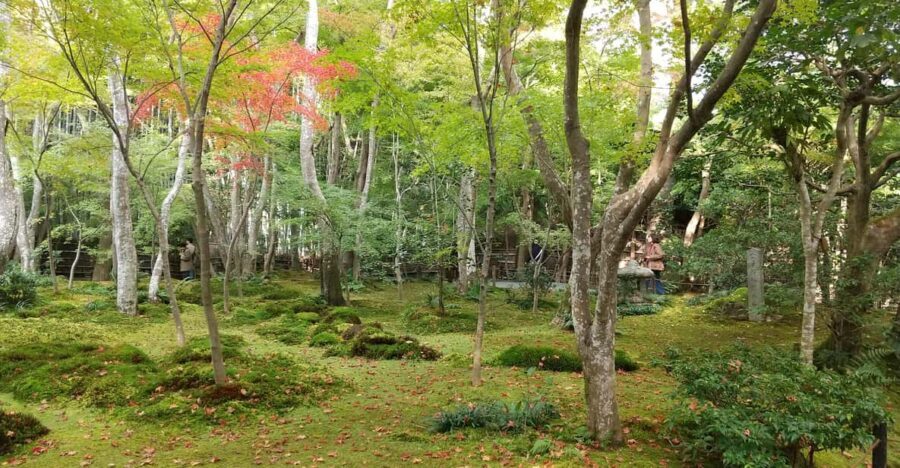
This tour is for people who like Kyoto, but don’t want Kyoto-by-the-numbers. Instead of spending your time dodging crowds, you’re guided into the calmer feeling of Arashiyama and Sagano, where nature and temples sit close together.
The big difference is the storytelling. Each stop has a distinct atmosphere, and Masa explains the lives, faith, and culture of the people behind the sites. The result feels like you’re bridging past and present with your own senses—listening as you walk, pausing at the right moments, and letting the meaning land in your body, not just your brain.
And yes, the tone includes real tragedy. You’ll hear stories of betrayal, exile, death, and remembrance. That can sound heavy on paper, but on the ground it’s handled with care. You’re also given space to reflect—what people did to cope, and what that makes you think about in your own life today.
You can also read our reviews of more tours and experiences in Kyoto.



Price and value: what $38 covers (and why it’s fair)
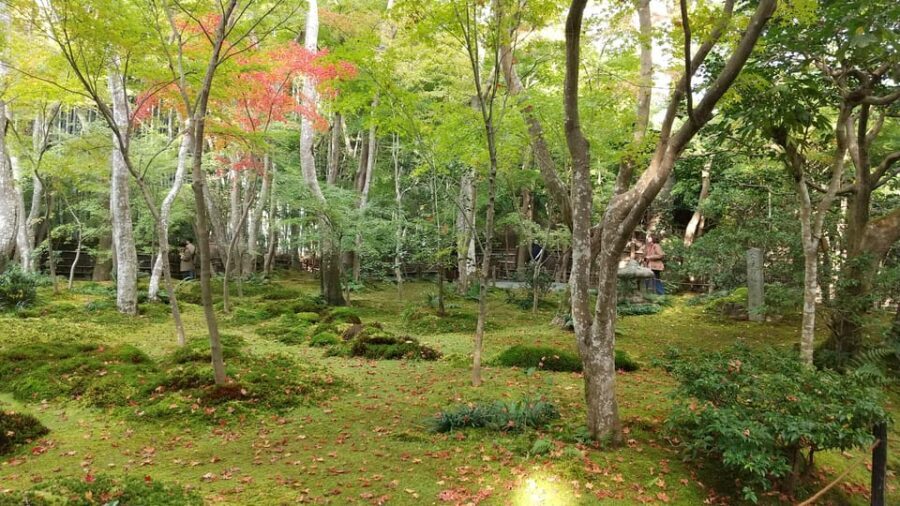
At $38 per person for a 3-hour guided walking tour, this is priced like a focused experience rather than a long-haul day. The value comes from three things that add up fast when you travel independently:
- Admissions to all temples visited are included, so you’re not juggling ticket lines mid-walk
- A live English guide (Masa) provides narrative-style explanations that connect the sites, instead of you reading guesswork plaques
- Hands-on experiences at select temples go beyond “look and move on”
In other words, you’re paying for interpretation and time. Kyoto temple visits can be beautiful, but without context they can blur together. Here, you get clear themes for each stop, and the route is built to keep the atmosphere calm.
If you’re the type who enjoys history but hates feeling like you’re studying for an exam, this price point makes a lot of sense.
Meeting at JR Saga-Arashiyama: simple, but do it right
Your starting point matters here. Meet at JR Saga-Arashiyama Station—not Hankyu or Randen Arashiyama Station. Masa will be in the plaza outside the station ticket gates holding a sign with your name.
Plan to arrive 15 minutes early. That gives you time to spot the sign quickly and settle before you start walking. This tour includes plenty of movement, and comfortable footing helps your mood.
Also note the practical stuff:
- Bring comfortable shoes (you’ll be doing a lot of walking)
- Pack water, plus sunscreen and a hat if the weather leans sunny
- A camera is useful, especially for the bamboo grove stop
Smoking isn’t allowed, so if you’re a smoker, plan around that during the tour.
Stop 1: Adashino Nenbutsu-ji and the heartless field story
Your first major temple stop is Adashino Nenbutsu-ji. Masa’s guidance here sets the tone: this isn’t a neat, postcard-only Kyoto stop. It’s a place that turns suffering into remembrance.
The temple was built in the 13th century in the Kamakura period. The name idea matters too. Adashino can be read like vain field or heartless field, and the guide uses that to frame what this area used to be.
Here’s the tragic context you’ll hear:
- The area used to be where dead bodies were thrown away
- People called the place the heartless field
- The founder was Honen (1133–1212), who taught nenbutsu—chanting the sutra
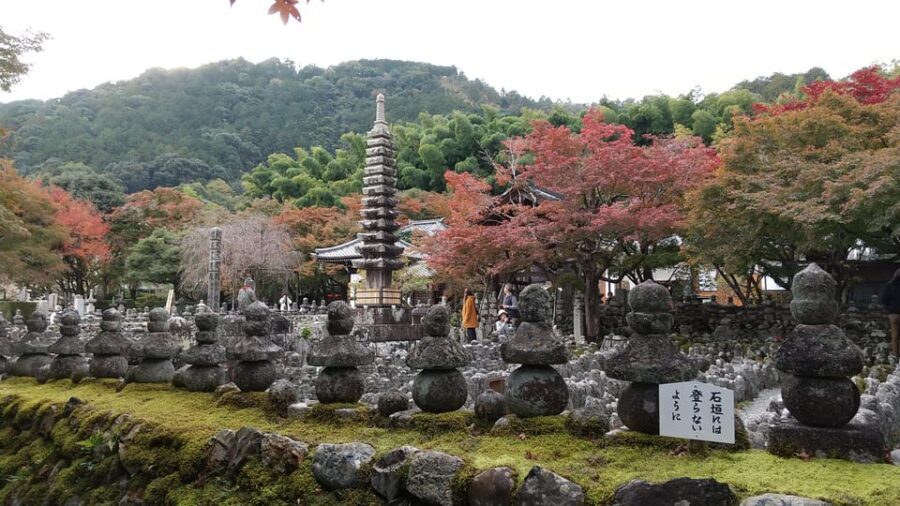
Then come the physical reminders that make the story unforgettable. The temple has almost 8,000 stone statues of Buddha, and the guide explains they were dug up and collected. That’s not trivia—it’s how this site communicates what the community chose to do after death: gather, enshrine, and turn loss into prayer.
You’ll also learn the idea of Sentou Kuyo, meaning enshrined forever. Each year in August, thousands of candles are lit and flowers are offered. Even if you’re not there in August, it gives the place an ongoing rhythm—remembrance isn’t one-and-done.
Practical takeaway: this stop asks you to slow down in a different way. You’re not only looking at stone and architecture. You’re listening to the reason it exists, and that changes how you stand there.
Saga Toriimoto preserved street: old houses on a quieter side of Kyoto
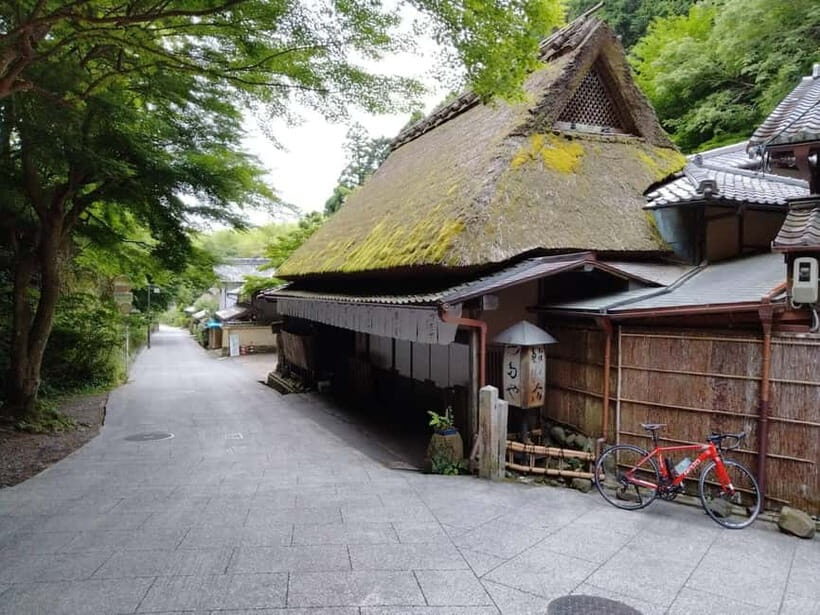
Between temples, you pass through Saga Toriimoto preserved street. You won’t spend a huge chunk of time here, but the short pause works.
The old town is well preserved, and you’ll see a mix of farmhouses and machiya houses. That mix creates a historical-feeling street picture on the edge of Kyoto’s Rakugai—outside the main core.
This part of the tour is a breather. It helps you shift from heavy temple meaning to daily-life texture. If you like streets that feel lived-in rather than staged for tourists, you’ll appreciate this stop more than you might expect.
Also, because the tour keeps moving, it’s a good option for people who want authentic atmosphere without sacrificing their full temple time.



Stop 2: Giou-ji Temple and women’s sorrows in the Heian period
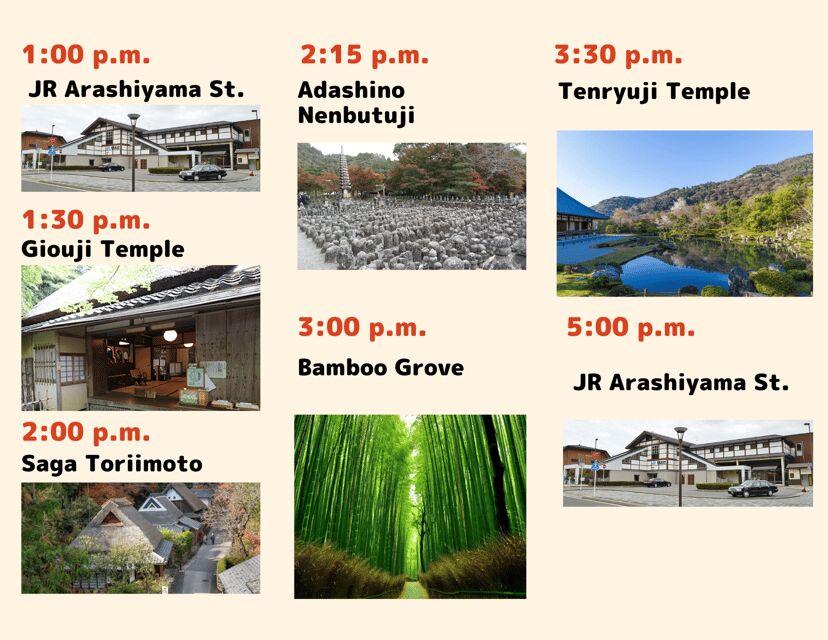
Next up is Giou-ji Temple, built in the 12th century during the Heian period. The guide explains the name first: Giou means a woman’s name. Then you learn why this temple is tied to the stage of women’s sorrows.
This is the story of Giou—an actual figure in the narrative you’ll be told:
- Giou was a dancer
- She was favored by Taira no Kiyomori (1118–1181)
- At first, his attention was on Giou
- Then he moved his heart to another woman, Butsugozen
- Giou was driven away
- Giou eventually became a nun with his sister and his mother, living here for her rest life
But the story doesn’t stop at one heartbreak.
Butsugozen, Giou’s rival, was also thrown away by Kiyomori and became a nun. The guide explains that the two women lived together in the same house. Then, the temple’s focus expands: four women practiced Buddhism.
For me, the power of Giou-ji is that it turns court drama into something you can walk around and feel. It’s not abstract. It’s personal names, personal choices, and a place where visitors are meant to remember the tragedy and the faith that followed.
Practical takeaway: this stop hits best if you’re open to emotional history. If you prefer temples that focus on calm visuals with minimal drama, you might find this heavier than expected—but it’s also one of the reasons the tour feels memorable.
Sagano Bamboo Grove: the photo stop that also gives you breathing room
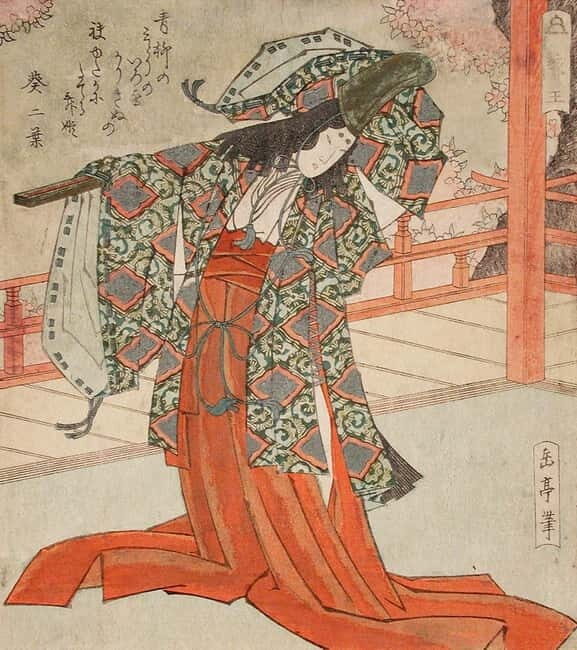
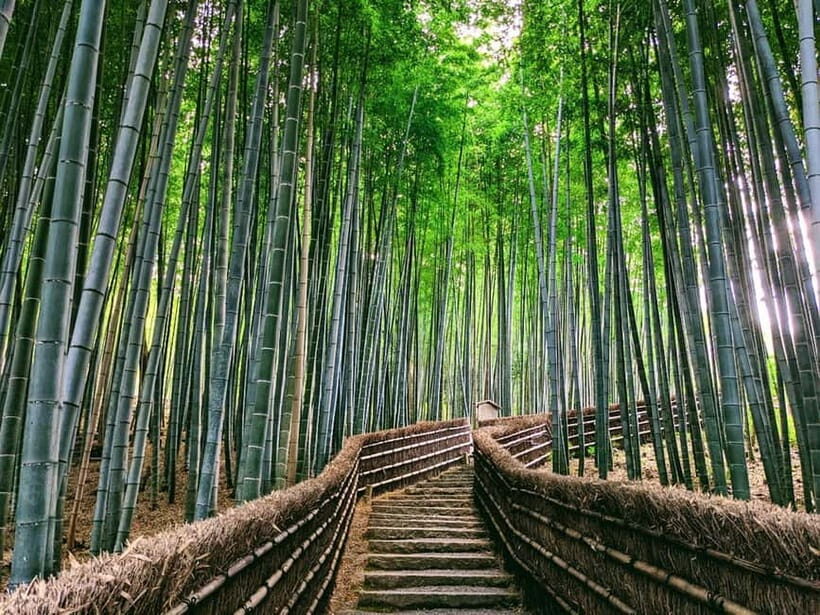
After the temple intensity, you get a scenic reset at Sagano Bamboo Grove. You’ll have about 30 minutes here for views while you walk through the area.
This segment is simple on purpose. It breaks up the story thread so your brain can process what you just heard, instead of you cycling nonstop through more names and dates.
If you’re coming for photos, aim to be thoughtful here. Don’t just snap and sprint. Take a minute, step back, and let the scale of bamboo do its thing. The tour’s calmer pace helps you enjoy the moment instead of fighting for it.
Tenryuji Temple: the guided finish you’ll remember longer than the bamboo
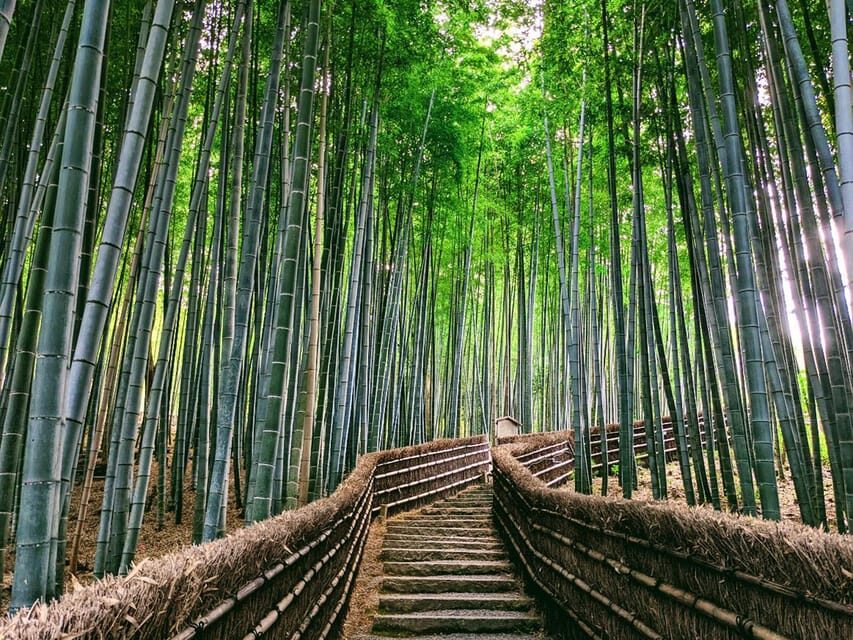
Your final temple stop is Tenryuji Temple, with about 1.5 hours of visit and guided explanation.
You’re not just walking from point to point. You’re getting guided context, which matters because Tenryuji can feel like one more temple stop if you’re sightseeing on autopilot. With the guide setting you up with themes of faith, remembrance, and lived experience, the last stop lands with more meaning.
In a good way, Tenryuji functions like a closing chapter. You’ve heard stories of suffering and prayer. You’ve learned how communities deal with death, exile, and loss. Now you spend time in a major temple space, letting the mood settle.
Practical takeaway: this is a great place to ask a question while things are fresh. If you want to understand what the tour’s themes mean in everyday Japanese life, Tenryuji is a good time to do that.
Pace, hands-on prayer, and what Masa adds
The guide makes a difference on a tour like this. Masa is central to the experience style: friendly, narrative-driven, and willing to demonstrate traditions in a practical way.
You should expect:
- Narrative-style explanations that connect temple meaning to the people behind it
- Hands-on experiences at select temples
- Opportunities for the guide to invite you to practice prayer and meditation traditions
That hands-on part is the real value-add. A lot of Kyoto tours point at things and move on. Here, you’re encouraged to participate, even if you’re not Buddhist and you don’t know the etiquette yet. Masa also seems to help people find their footing fast, which is great if you’re new to temple customs.
There’s also a nice extra benefit from having a local resident guiding you. In at least one case, Masa even showed an artisan shop stop that you might otherwise miss. That matters because Kyoto has small-scale craft places that don’t always come up in mainstream itineraries.
One more practical note: the pacing is efficient. That’s a good thing if you want a strong hit of Arashiyama and Sagano in 3 hours. If you’re the type who likes to soak in every stop with long silence, you may wish the tour slowed slightly. You can still manage that by asking for a short pause when you feel ready.
What to bring, what to wear, and how to feel comfortable
This is a walking tour, so comfort is not optional—it’s your best friend.
Bring:
- Comfortable shoes
- Water
- Hat and sunscreen
- Camera
If the weather is hot or unpredictable, dress for it. Check the forecast and plan for real walking time.
Also remember the simple rules of temple areas:
- No smoking
Who should book this Arashiyama and Sagano temples tour
This tour is a strong fit if you:
- Like walking tours, not bus rides
- Want temple context tied to real stories and named figures
- Enjoy nature plus spirituality, side by side
- Prefer a quieter pocket of Kyoto
It’s also ideal if you’re traveling with a group and you want a private group setup rather than being shuffled into a big crowd. The private format helps you ask questions and keep your own pace.
Who should think twice: the tour isn’t suitable for people with mobility impairments or wheelchair users, because it involves lots of walking.
Should you book Quiet Arashiyama and Sagano Temples?
If you want the usual Kyoto highlights, you can do that anytime. If you want a calmer Arashiyama afternoon where each temple stop has a clear emotional theme, this tour is a smart choice.
Book it if:
- You like story-driven guidance and want temple visits to connect
- You’re curious about both Heian and Kamakura-era threads of faith and loss
- You want hands-on prayer or meditation traditions demonstrated, not just described
- You appreciate a guide who knows the area well enough to add useful extras like artisan shops
Skip it if:
- You hate walking and long temple time
- You want only light, non-emotional sightseeing
- You prefer completely unstructured time with no set route
My honest bottom line: this is good value because it gives you meaning with your tickets and time with your feet. For many first-timers, that’s what turns Kyoto from photos into something you’ll actually remember.
FAQ
How long is the Kyoto Quiet Arashiyama and Sagano Temples tour?
It lasts about 3 hours.
What is the price per person?
The price is listed as $38 per person.
Where do I meet the guide?
Meet at JR Saga-Arashiyama Station (not Hankyu or Randen Arashiyama). Masa will be in the plaza just outside the ticket gates holding a sign with your name.
Are temple admissions included?
Yes. Admission to all temples visited is included.
What language is the tour guide?
The live tour guide speaks English.
Is the tour accessible for wheelchair users?
No. It is not suitable for wheelchair users or people with mobility impairments.