REVIEW · TEA CEREMONY EXPERIENCES
Tea Ceremony in 150 Years Old Townhouse with Tables and Chairs
Book on Viator →Operated by Tea Ceremony & Cultural Experience Kangetsu Kyoto 日本文化体験教室 寒月 · Bookable on Viator
Kyoto quiets down fast when matcha starts pouring. This small-group tea ceremony in a 150-year-old townhouse in Ninenzaka lets you learn tea etiquette, taste Uji matcha, and (most importantly) whisk your own cup with guidance.
I especially love the hands-on part: you don’t just watch, you make—and you learn what makes a good bowl of matcha. I also like that the session is built around meaningful explanation, including tea rituals and how the tools are used, not just a performance.
One heads-up: the room runs on strict etiquette. You’ll want to follow the rules (socks, no perfume, limited phone use), because this isn’t a casual stop where you can ignore protocol.
In This Review
- Key Points Before You Go
- Finding the Calm in Ninenzaka’s Old Streets
- The 150-Year Townhouse Setting (and Why It’s Not Just Pretty)
- What Happens in the Session: From Tea History to Your First Whisk
- Matcha, Not Just Tea: What You’ll Learn to Taste
- Tea Etiquette Rules You’ll Want to Follow
- The Sweets: Small Bites With Big Cultural Clues
- Price and Value: Is $28.90 Worth It?
- Kimono Rental: Worth It, But Only If You’ll Use It
- Logistics That Actually Matter in Kyoto
- Who This Tea Ceremony Is For
- Should You Book This Tea Ceremony?
- FAQ
- How long is the tea ceremony experience?
- Where does the experience take place?
- What is the group size?
- What does the price include?
- Is kimono included in the price?
- What should I wear?
- Are phones or photos allowed?
- Are perfumes allowed?
- Are children allowed?
Key Points Before You Go
- Whisk your own matcha with clear, step-by-step teaching
- Uji matcha (Kyoto) + seasonal sweets included in the 50-minute flow
- Small group size (max 15) keeps it personal and calmer than big tours
- Tea-room etiquette is real: socks required, perfume prohibited, video off
- English daily availability with an instructor and support for questions
- Optional kimono rental is available for an extra 1,000 JPY
Finding the Calm in Ninenzaka’s Old Streets
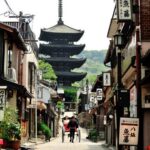
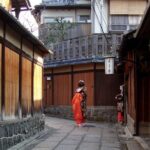
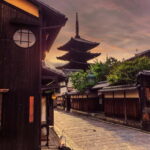
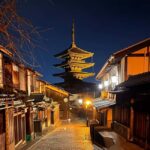
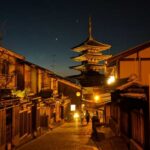
The meeting point is at Tea Ceremony & Cultural Experience Kangetsu Kyoto in Ninenzaka, right by the famous old-street area many people use as their Kyoto walking base. The vibe here matters. Ninenzaka already feels built for slow travel—wood facades, stone steps, and that slightly hushed “don’t rush” mood.
Your session stays short on purpose: about 50 minutes. That’s long enough to learn the basics of matcha and tea etiquette without turning it into a lecture you’re just trying to survive. For many people, it becomes one of the few experiences in Kyoto where you can actually step out of your photo-everything mode and just focus.
You can also read our reviews of more tours and experiences in Kyoto.

The 150-Year Townhouse Setting (and Why It’s Not Just Pretty)
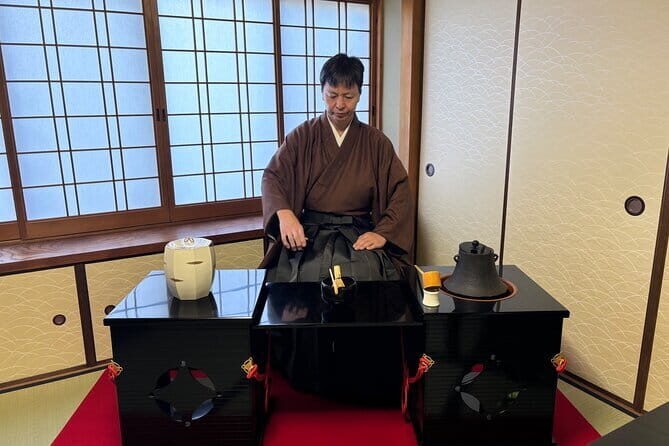
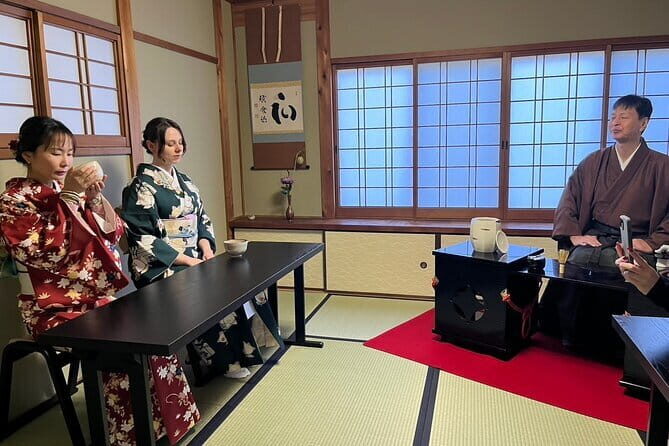
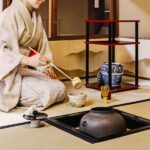
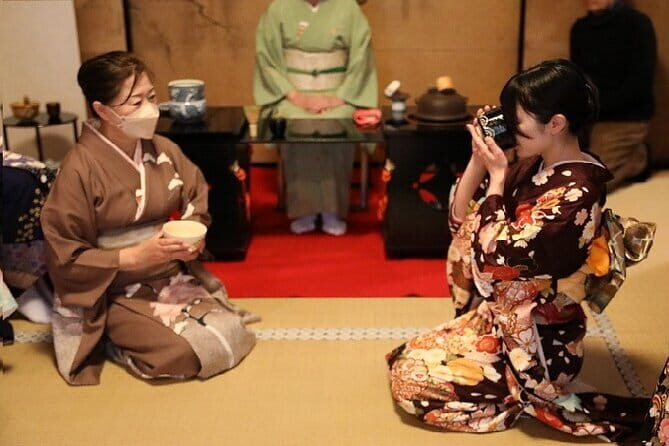
This ceremony takes place inside a traditional Japanese townhouse, with seating that’s more “lived-in ritual” than tourist set. That helps you understand something basic about Japanese tea culture: it’s practiced in calm, controlled spaces where details matter—sounds, smells, and even how people move.
The townhouse setting also keeps the experience intimate. The tour caps at 15 travelers, which means you’re not stuck behind a sea of shoulders. You’re closer to the tools, the motions, and the instructor’s explanations.
And yes, it’s also simply a lovely place to sit quietly for a bit. One of the most praised parts of the experience is how soothing it feels once the ceremony gets going—especially after a day of temples and crowds.
What Happens in the Session: From Tea History to Your First Whisk
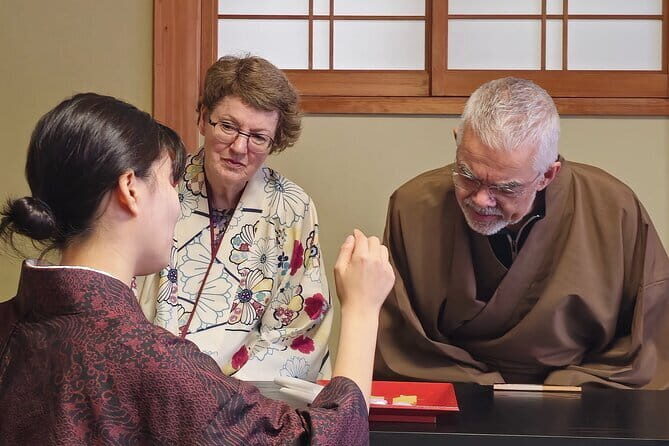
The flow is designed like a mini lesson with a payoff at the end. You start with tea culture context—what matcha is, why this ritual matters, and how people approach the ceremony as something more than a drink. In at least one described moment, the learning begins in a prep area before you move into the tea room.
Then comes the sensory part: you’ll enjoy seasonal Japanese sweets alongside your matcha. Two different types of sweets are included, which helps you avoid the “one bland bite and done” feeling that some tastings have. Pairing sweets with matcha also makes the tasting more educational, because you notice how sweetness and bitterness interact.
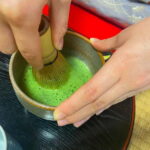
Finally, you get the hands-on payoff: you prepare your own cup. This is where the ceremony stops being abstract. You learn what you’re aiming for—texture, foam, and the idea that the way you whisk affects the result in your bowl.
Matcha, Not Just Tea: What You’ll Learn to Taste
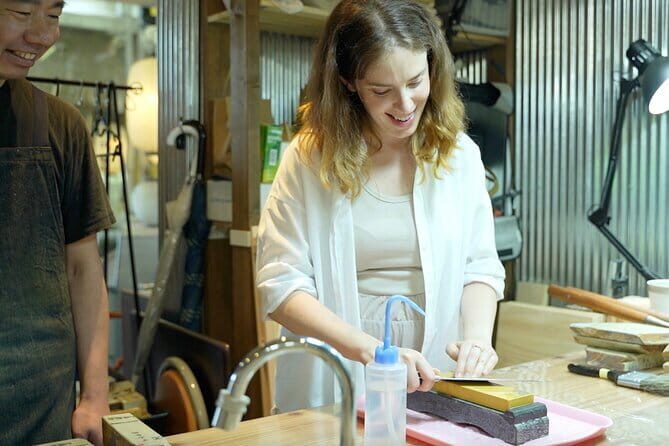
Matcha in Japan isn’t just green powder. It’s a craft product with a cultural role, and the ceremony is where people usually start to understand why.
In this experience, you’ll be guided through what to look for while drinking and how matcha is treated during the ceremony. A recurring theme from positive feedback is that people leave understanding not only how to whisk, but why matcha is special.
You’ll also learn how the tools are used. That matters because matcha rituals are built on repeatable motions. When you know the purpose of each step, the whole act feels more grounded—and you’re less likely to feel like you’re just copying movements.
Tea Etiquette Rules You’ll Want to Follow
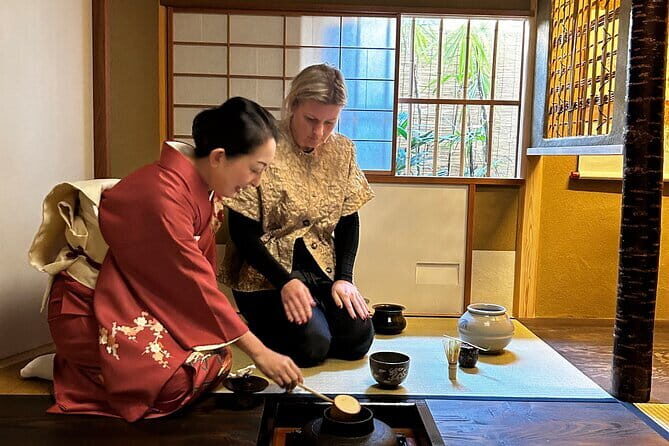
If you want a smooth, calm ceremony, follow the room rules. These are practical, not fussy for the sake of being fussy:
- Wear socks. If you forget, socks are available for purchase.
- Avoid exposing too much skin with clothing choices.
- No perfume. It can interfere with the scent experience in the room.
- Smartphones only in the tea room. Video recording during the instructor demonstration is prohibited.
- Children under 7 years old aren’t allowed.
If you have allergies, you should let the team know in advance. This is one of those details that can make or break the experience, because sweets and the ceremony flow are part of the tasting component.
The Sweets: Small Bites With Big Cultural Clues
The included sweets are a big deal for value. You get two types of handcrafted seasonal Japanese sweets, which gives you a real taste of Kyoto’s approach to flavor and presentation.
Why this matters: sweets are how many first-timers connect emotionally with the ceremony. Matcha can taste intense if you’ve only had sweet iced drinks. Pairing it with carefully chosen sweets makes the flavor less intimidating and helps you notice the balance the ceremony is aiming for.
If you’re the type who thinks tea ceremony equals only tea, this is where the experience broadens. You’re tasting food culture as part of ritual, not as a separate “bonus snack.”
Price and Value: Is $28.90 Worth It?
At $28.90 per person, this is fairly priced for what you actually get in a Kyoto setting. You’re paying for more than a seat in a room—you’re getting:
- instruction on tea etiquette and rituals
- hands-on tool use (making your own matcha)
- two cups of matcha made from matcha sourced from Uji, Kyoto
- two types of seasonal sweets
- a small-group setting (max 15)
The biggest value question is whether you’ll care about the process. If you only want photos, you might feel you’re paying for rules and quiet time. But if you want to understand Japanese tea culture at human scale—then the price makes sense quickly.
Also, there’s an optional kimono rental available for 1,000 JPY. If you’re in that mood, it can add to the atmosphere without changing the core value (because the ceremony itself is already the main event).
Kimono Rental: Worth It, But Only If You’ll Use It
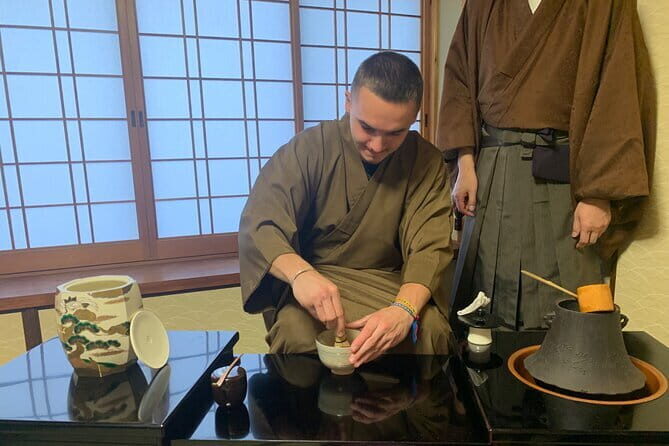
A two-piece kimono option is available as an add-on. The rental costs 1,000 JPY, and it’s a popular choice for people who want to match the setting.
One practical note: since you’re expected to follow room etiquette, choose comfortable layers underneath and plan for socks as required. If you’re the type who likes the “look” but also hates tight outfits, decide based on your comfort tolerance.
Logistics That Actually Matter in Kyoto
This is a short experience, and in Kyoto short can be golden. You’ll be back at the meeting point at the end, which makes it easy to plan the rest of your day—especially if you’re already walking around Ninenzaka.
The meeting spot is near public transportation, which helps if you’re juggling temple hopping with train transfers. The team also provides guidance to help you find the location, and being on time is important in a ritual-based setting.
Weather can matter for outdoor parts of your day. If conditions force a change or cancellation, you’ll be offered an alternative date or a full refund.
Who This Tea Ceremony Is For
This experience is a great fit if you want:
- a small-group cultural activity with real structure
- hands-on learning (not just watching a demonstration)
- a calm break from Kyoto crowds
- English instruction and the chance to ask questions
It’s also a solid family-friendly choice for older kids, since children under 7 aren’t allowed and the experience is structured around quiet, respectful participation. If your group is respectful and open-minded, the room tends to feel harmonious.
If your travel style is purely chaotic-tourist energy with loud calls and nonstop filming, this may feel restrictive. But if you’re there for the ritual, the rules actually help create the atmosphere.
Should You Book This Tea Ceremony?
I’d book it if you want a Kyoto experience that’s more than a photo and more than a history talk. The sweet spot here is the combination of hands-on matcha making, included tasting (Uji matcha plus two seasonal sweets), and a small-group setting inside a traditional townhouse.
Skip it—or at least manage expectations—if you’re looking for lots of freedom to roam, video record the entire thing, or treat the session like a casual drink stop. This is etiquette-first. That’s part of the value.
If you like structured cultural moments, and especially if matcha is on your Kyoto list, this one is worth your time. And if you’re unsure, remember you can cancel up to 24 hours in advance for a full refund when plans change.
FAQ
How long is the tea ceremony experience?
It lasts about 50 minutes (approx.).
Where does the experience take place?
It’s in Ninenzaka, Kyoto, at Tea Ceremony & Cultural Experience Kangetsu Kyoto.
What is the group size?
The experience has a maximum of 15 travelers.
What does the price include?
It includes all fees and taxes, tools to make your own tea, two cups of matcha made in Uji, Kyoto, and snacks featuring two different types of seasonal Japanese sweets.
Is kimono included in the price?
No. Kimono isn’t included, but you can rent a two-piece kimono for 1,000 JPY.
What should I wear?
Wear clothing that does not expose too much skin. You’ll need to wear socks (and socks can be purchased if you forget).
Are phones or photos allowed?
Only smart phones are allowed in the tea room, and video recording during the instructor’s demonstration is prohibited.
Are perfumes allowed?
No. Perfume is strictly prohibited because it can interfere with the smell of incense and tea in the room.
Are children allowed?
Children under 7 years old are not allowed to participate.