REVIEW · KIYOMIZU TOURS
Kyoto Tea Ceremony & Kiyomizu-dera Temple Walking Tour
Book on GetYourGuide →Operated by MagicalTrip · Bookable on GetYourGuide
Kyoto really rewards slow steps. This 3-hour walk pairs Kiyomizu-dera and Yasaka Koshin-do with a hands-on tea ceremony, plus street snacks and a guide who ties it all together. Starting at Yasaka Shrine and moving through the Kiyomizuzaka area, you get the full Kyoto mix: old shopfronts, shrine-temple details, and photo spots that actually look like postcards.
I especially like the tea ceremony part. You don’t just watch—you learn the steps, try making matcha, and sip it with Japanese sweets in a room designed for tea utensils and quiet focus. I also like how the tour isn’t only sightseeing; it includes tastings chosen along the streets, where you can sample Kyoto flavors at the pace of a real walk.
The main drawback to plan around is timing and lines. The itinerary depends on prompt starts, and there can be a wait for the Otowa Waterfall, so build in patience if you’re visiting during busy periods.
In This Review
- Key highlights to look for
- Start at Yasaka Shrine: where Kyoto’s story begins
- Kiyomizuzaka and Gion-style street vibes: snacks, shopfronts, and small surprises
- Yasaka Koshin-do: the wish balls that turn a temple visit into a story
- Kiyomizu-dera, the Water Temple: views, Otowa Waterfall luck, and famous wooden platforms
- The tea ceremony: make matcha, learn the steps, and slow down
- Price and value: what $63 buys you in real-world Kyoto
- Practical tips: heat, cash, photos, and staying on schedule
- Who should book this Kyoto tea and temple walk
- Should you book the Kyoto Tea Ceremony & Kiyomizu-dera Temple Walking Tour?
- FAQ
- Where is the meeting point?
- How long is the tour?
- What language is the tour in?
- Is the tea ceremony included, and do I make matcha?
- Is Kiyomizu-dera and Otowa Waterfall part of the visit?
- Can children join?
- Are dietary allergies or restrictions guaranteed?
Key highlights to look for
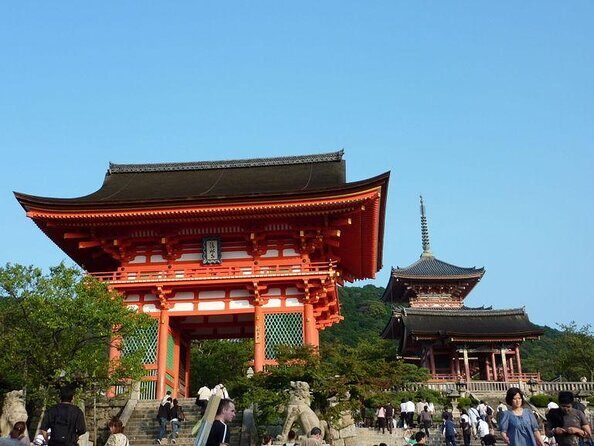
- Kiyomizu-dera’s UNESCO setting with the famous Water Temple views from the wooden platform
- Yasaka Koshin-do wish balls you can spot right away, colorful and fun to photograph
- Hands-on matcha where you make green tea with traditional tools
- Street-level snack stops with local bites recommended by your guide
- Otowa Waterfall luck moment where you can drink from the clear water (with possible queues)
Start at Yasaka Shrine: where Kyoto’s story begins
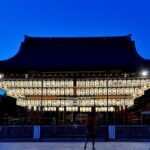
Your tour meets in front of the statue at Yasaka Shrine, near the Nishiromon Gate area. A guide from MagicalTrip will be holding a board with the name MagicalTrip, and they’ll want you there about 10 minutes early so you don’t hold up the group.
This first stop matters more than it sounds. Yasaka Shrine sits in the same “old Kyoto” zone that leads you into Kiyomizuzaka, so you’re not just showing up to one attraction—you’re getting oriented to the neighborhood’s flow. If you’re new to Kyoto, this is a fast way to get your bearings fast: where the streets pull you downhill, where the temple energy feels different from the shop energy, and where the best walking routes for photos usually are.
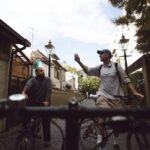
You’ll also be walking with an English-speaking local guide, which is a big deal here. The streets are charming, but the context is what makes it land. I like that the tour is designed around history and religious culture, not only “look at that building” sightseeing.
You can also read our reviews of more walking tours in Kyoto


Kiyomizuzaka and Gion-style street vibes: snacks, shopfronts, and small surprises
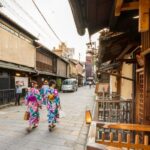
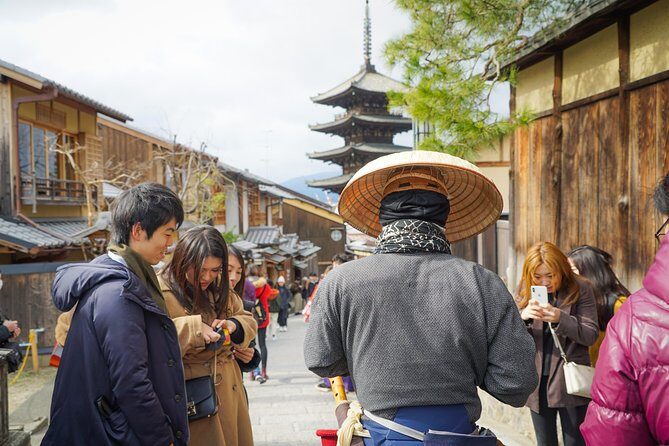
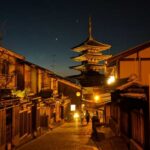
After meeting, you’ll head into the Kiyomizuzaka area. This is where the Kyoto feel gets real: old teashops, sweet shops, and traditional stalls selling sun-dried foods line the street. The tour is built for walking at a human pace, so you’ll have time to notice details and grab photos without sprinting.
One thing I like is that this isn’t a sterile “stop-and-flag” style tour. You’ll pass through areas where Kyoto’s cultural life is visible—your route includes the kind of street moments associated with Maiko and Geisha. You can’t count on seeing performers at any given moment, but the tour timing and route are clearly chosen for that possibility.
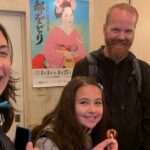
Then come the snack breaks. The tour includes a few samplings, with food stops along the way where your guide recommends local bites. This is a smart way to eat in Kyoto because you’re not guessing what’s good; you’re choosing from what makes sense for that street and that moment.
Practical note: the snacks included are not a full meal. If you have a big appetite, plan to buy extra food and drinks. The tour advises bringing some cash for extras, souvenirs, and anything you want beyond the included tastings.
Yasaka Koshin-do: the wish balls that turn a temple visit into a story
Next you’ll visit Yasaka Koshin-do, often described as one of Kyoto’s most colorful and photogenic temple stops. You’ll know where you are the moment you see it: colorful balls hang from the ceiling, and many have wishes written on them.
This is the kind of place where you can take a photo quickly—but you’ll enjoy it more if you slow down and read the atmosphere. The wish balls turn the temple into something interactive. It’s not only visual; it’s personal. You’ll also get guidance on the meaning and background of the religious practices you’re seeing.
One small consideration: if you’re specifically hoping for deep, detailed explanations about the Gion area culture as a whole, this tour may not be the only answer. What it does well is connecting you to the sites you pass through; if you want a deeper dive into neighborhood lore, ask your guide for extra context in plain language while you’re walking. A couple of targeted questions can make a big difference.
Kiyomizu-dera, the Water Temple: views, Otowa Waterfall luck, and famous wooden platforms
The big centerpiece is Kiyomizu-dera Temple, a UNESCO World Heritage Site. It’s known as the Water Temple, and the reason is right at the heart of the experience: it’s built on the site of the Otowa Waterfall.
When you reach Kiyomizu-dera, you’ll get the classic viewpoint from the wooden platform. The views are part seasonal and part ever-present—cherry and maple trees show up in the scenery, and on clear days you can also see Kyoto spread out in the distance. This is one of those stops where the setting does some of the explaining for you.
Then you’ll visit the Otowa Waterfall. The tour includes the chance to drink a cup of the waterfall’s clear water, which is said to bring good luck. There may be a line here, and that can affect pacing. If you’re the type who gets stressed by waiting, this is the one moment to mentally prepare for a bit of queue time.
If you want the photo timing to work in your favor, look around before you step into the densest viewing spots. The best angles often come a few steps earlier than you think, and you’ll avoid feeling like you’re scrambling for the view.
Also: the walk includes areas that are not accessible by wheelchair or stroller, so wear shoes you trust on uneven stone and watch your footing.
The tea ceremony: make matcha, learn the steps, and slow down
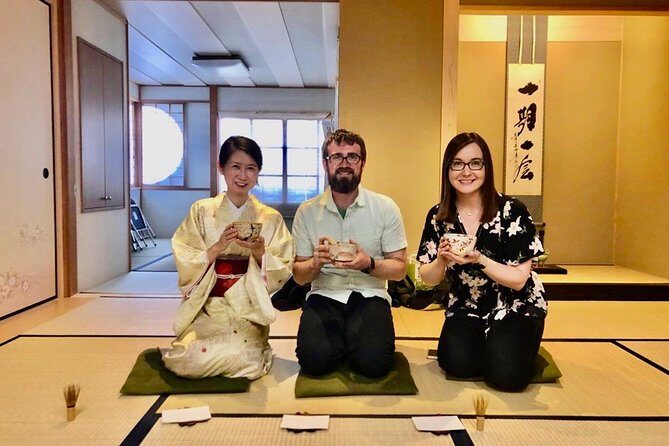
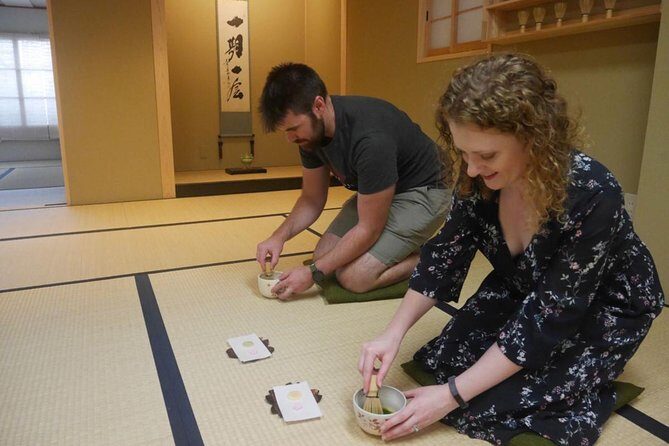
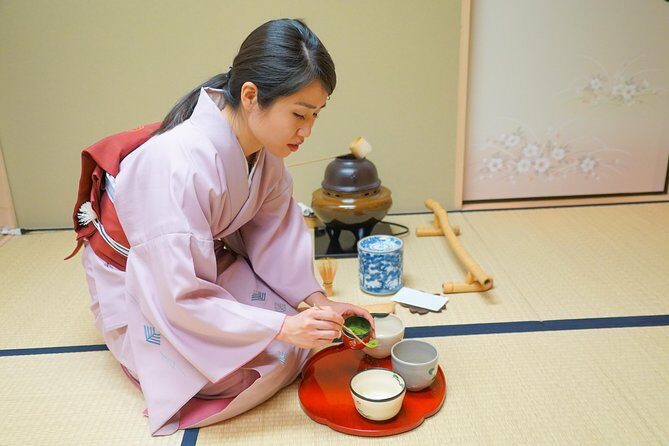
After temples and streets, you’ll shift into a calmer mode: a traditional tea ceremony with Japanese sweets. This is the part I think most visitors remember, because you’re not just observing—you’re participating.
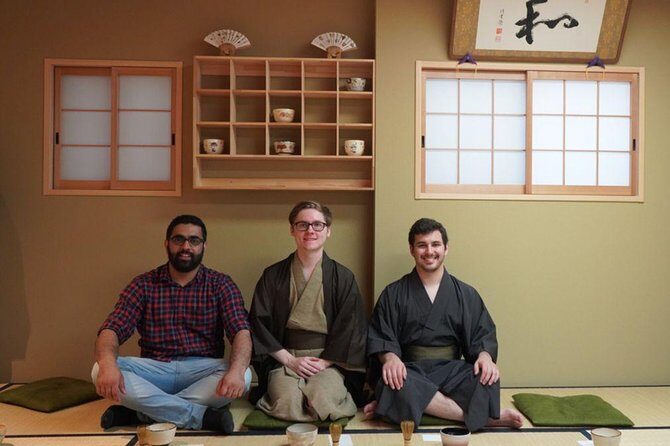
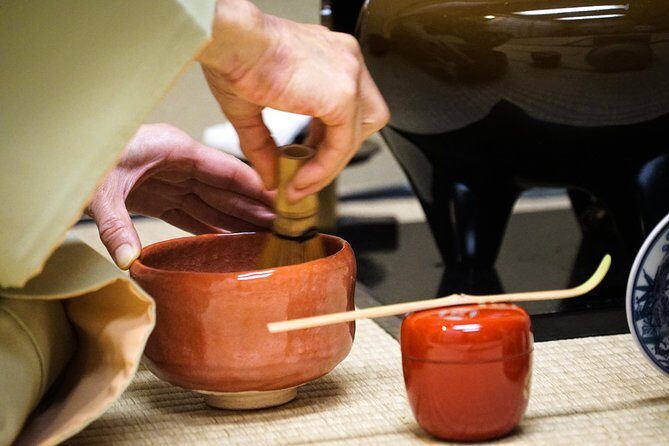
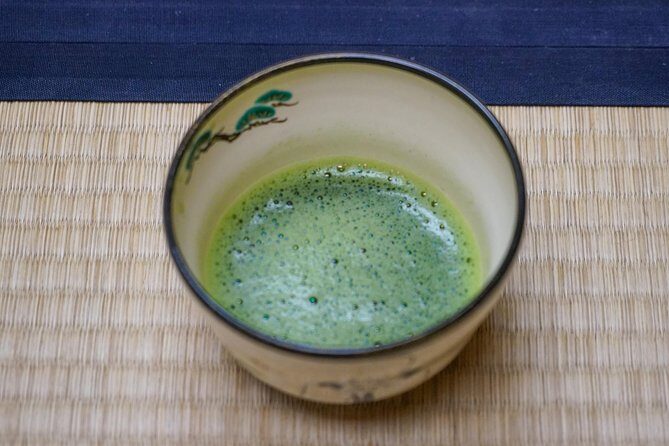
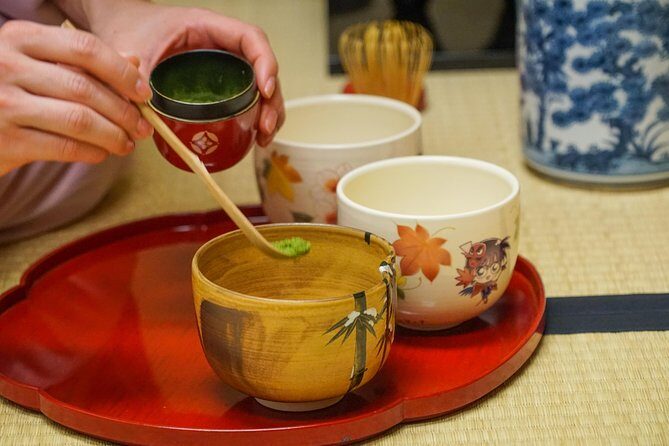
You’ll spend time in a sophisticated tea room surrounded by tools and utensils connected to the ceremony, including a bamboo tea whisk and unique tea bowls. Your guide will teach Japanese phrases and history tied to the tea process, and you’ll learn the steps for making traditional matcha.
Then you get the best kind of souvenir: a cup you made yourself. The tour is designed so the learning matches the moment, meaning the ceremony isn’t just a performance; it’s a short crash course you can feel in your hands.
A practical tip: because this is a time-based activity, keep an eye on the schedule your guide is using that day. The tour starts promptly, and the ceremony timing depends on moving through stops efficiently. If anything seems off, say something early so you can avoid a mix-up.




Price and value: what $63 buys you in real-world Kyoto
At $63 per person, this tour is priced like a focused experience rather than a cheap “walking pass.” What makes it reasonable is what’s included:
- Kiyomizu-dera entrance fee
- Tea ceremony experience
- A few samplings (street foods)
- 3 hours with a local guide
- Photos during the tour
Tea ceremonies alone can be a significant spend in Kyoto, and here you get the added value of a guide, multiple stops, and included snacks that help you taste Kyoto along the route. The $63 price only feels “tight” if you plan to eat large meals on your own or buy lots of extras. If you keep your extra spending modest and let the included tastings do their job, it’s a solid value for first-time visitors.
You should also think about what you’re buying: not just entry tickets, but context. This tour is set up to explain history and religious culture while you walk, which is exactly what turns Kyoto from a list of buildings into something you can actually place in your mind.
Practical tips: heat, cash, photos, and staying on schedule
A few details will make the day smoother:
- Arrive 10 minutes early and expect the tour to start promptly. If you’re late, it throws off the timing for the whole flow, especially the tea ceremony.
- Bring water and a hat, especially in summer. Japan’s summer can be hot and humid, and walking up and down temple streets is not the time to test your hydration tolerance.
- Bring some cash for extra food, drinks, and souvenirs. The tour doesn’t guarantee everything is covered beyond the included samplings.
- Plan for lines at Otowa Waterfall. It’s part of the experience, but you’ll enjoy the day more if you treat it like a normal wait instead of a disruption.
- If you have dietary needs, don’t assume you’ll get a perfect match. The tour notes that allergy-free guarantees and dietary substitutions can’t be ensured because food is prepared in kitchens that don’t belong to MagicalTrip. You should inform them at least one day before if you have allergies or dietary requests to mention.
For photos: the tour includes photos taken during the experience. Still, bring your camera. Kyoto is full of quick, small details—doorways, hanging decorations at Yasaka Koshin-do, and street textures along Kiyomizuzaka—that are worth capturing yourself.
Who should book this Kyoto tea and temple walk
This tour fits best if you want:
- A first-timer-friendly introduction to Kyoto’s most famous temple-and-street vibe, without trying to do everything alone
- A meaningful cultural activity that’s more than a photo stop—especially the matcha-making tea ceremony
- Guided context for religious culture and history while you walk
You might choose something else if:
- You use a wheelchair or stroller, because some locations on the route are not accessible
- You’re traveling with children under 6, since kids under 6 are not allowed on this tour
- You rely on strict allergy or dietary requirements, because the tour can’t promise allergy-free meals
Should you book the Kyoto Tea Ceremony & Kiyomizu-dera Temple Walking Tour?
Yes, if you want a tight, well-rounded Kyoto hit in just 3 hours—temples with UNESCO status, the eye-catching Yasaka Koshin-do wish balls, street snacks with local recommendations, and a hands-on matcha ceremony you actually participate in.
Hold off or adjust expectations if you’re sensitive to waiting times. The Otowa Waterfall can have a line, and the day runs on schedule. If you’re the type who needs a long, slow, unstructured temple day, this might feel a bit compressed.
If you do book, come prepared with water, cash, comfortable shoes, and a quick list of what you want to learn. Ask your guide questions as you walk, and you’ll get more than just the sights—you’ll understand the why behind them.
FAQ
Where is the meeting point?
Meet in front of the statue of Yasaka Shrine. Please arrive 10 minutes before the activity starts, and look for a guide holding a board that says MagicalTrip.
How long is the tour?
The tour lasts 3 hours.
What language is the tour in?
The tour is in English.
Is the tea ceremony included, and do I make matcha?
Yes. The tour includes a traditional tea ceremony experience where you learn the steps for making matcha and make your own green tea, along with Japanese sweets.
Is Kiyomizu-dera and Otowa Waterfall part of the visit?
Yes. The tour includes visiting Kiyomizu-dera Temple and the Otowa Waterfall area, and there may be a line to visit the Otowa Waterfall.
Can children join?
Children under 6 years old are not allowed on this tour.
Are dietary allergies or restrictions guaranteed?
No. The tour cannot guarantee allergy-free or guarantee substitutions for dietary restrictions because food may be prepared in kitchens not belonging to MagicalTrip. You should inform them at least one day before the tour if you have dietary requests or allergies to mention.