REVIEW · GEISHA & MAIKO TOURS
Kyoto: Secrets of Gion – Geisha Culture Walking Tour
Book on GetYourGuide →Operated by Traveling Tokyo · Bookable on GetYourGuide
Gion is magic at walking speed. This 2-hour English guided walk connects Yasaka Shrine, Maruyama Park, and Higashiyama’s old lanes to the living traditions behind geiko and maiko. I love how guides such as Tim and Bell break down festival links and daily customs in plain terms, and I also love the photo stops tucked into quieter corners. One caution: you may catch a maiko near the end only if the timing lines up, so don’t plan your evening around guarantees.
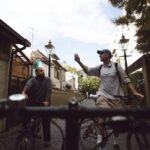
The feel is very human, not museum-still. Guides like Majo, Shin, and Pedro are praised for keeping things moving and explaining local superstition and symbolism, even when weather gets messy. I’m especially into the stop at Yasui-Konpiragu, where the Power Stone archway helps you understand how belief shows up in everyday Kyoto life.
In This Review
- Key things you’ll notice on this Gion tour
- Gion at walking speed: what makes this tour work
- Where you meet and what the pace likely feels like
- Yasaka Shrine: your first clue to Gion’s festival power
- Maruyama Park: the calm break with seasonal personality
- Nene no Michi and preserved lanes: old Kyoto you can actually walk
- Ninenzaka: stone-paved slope, artisan shopping, and classic photos
- Yasui-Konpiragu’s Power Stone archway: belief you can touch
- Hanamikoji Street: the real geiko world and the customs behind it
- The best moment at the end: possible maiko sighting near Gion-Shijo
- Price and value: why $25 can be a smart evening plan
- Who this tour suits best
- Should you book this Gion geisha culture walking tour?
- FAQ
- How long is the Kyoto Gion Geisha Culture Walking Tour?
- How much does the tour cost?
- Where do we meet the guide?
- Is the tour guided in English?
- What are the main stops on the walk?
- Can I expect to see a geiko or maiko during the tour?
- Is this tour suitable for wheelchair users?
- Can I cancel and get a full refund?
- Is there a pay later option?
Key things you’ll notice on this Gion tour
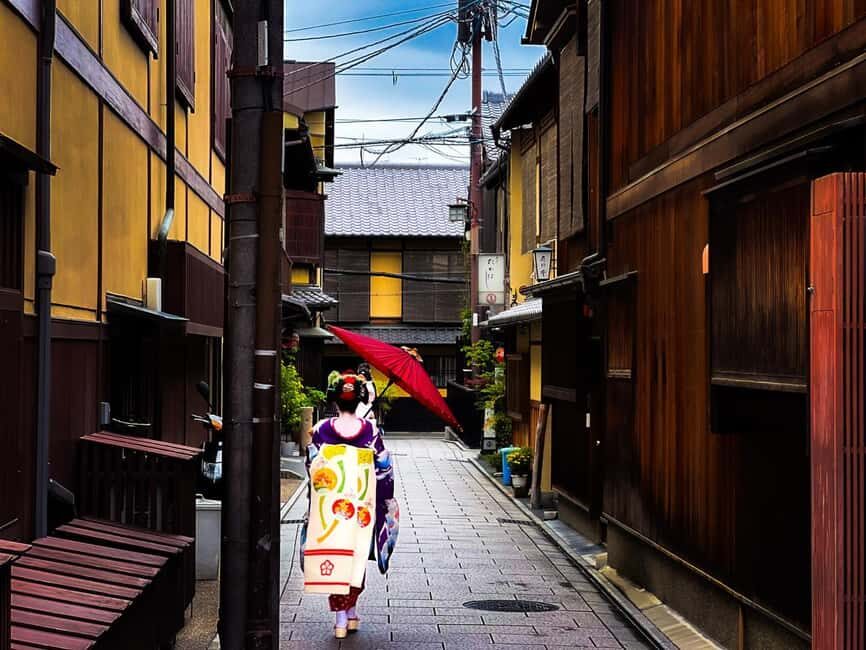
- Yasaka Shrine as the starting “why”: a spiritual anchor tied to Kyoto festivals and geisha culture
- Maruyama Park’s seasonal mood: Kyoto’s oldest public park, known for weeping cherry trees
- Nene no Michi for preserved old Kyoto streets: traditional architecture, small shops, and teahouses
- Ninenzaka for stone-paved drama: a classic slope for photos and artisan shopping
- Yasui-Konpiragu’s Power Stone archway: locals crawl through it for relationship luck or to release the past
- Hanamikoji Street’s living performers: real geiko still entertain, and your guide explains maiko and geiko daily life
Gion at walking speed: what makes this tour work
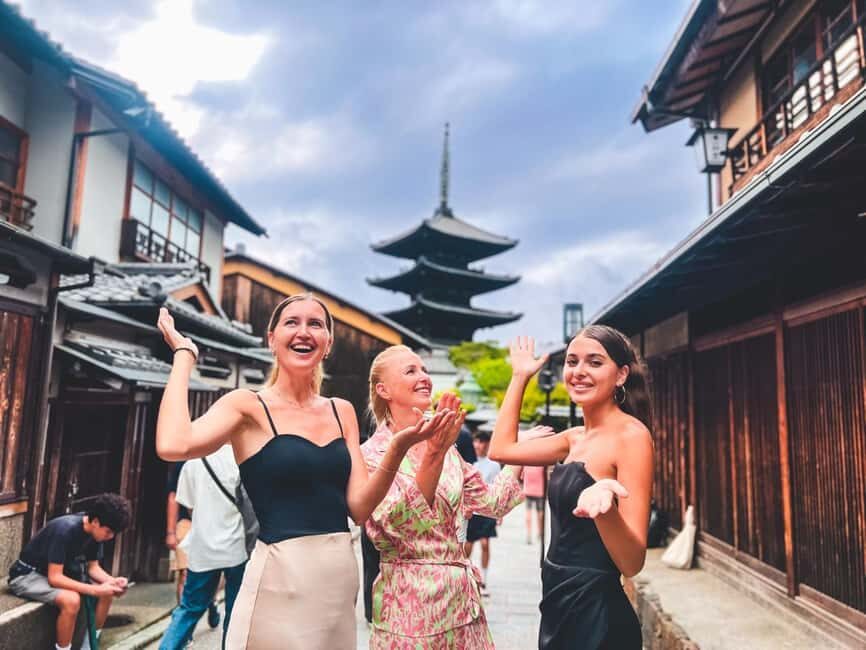
Gion can feel confusing if you only show up for the pretty streets. This tour does the opposite: it gives you a sequence, so the neighborhood starts to make sense as you walk. You begin at Yasaka Shrine, then move through parks and preserved lanes, and end in the area where geiko and maiko traditions are most visible.
The time window matters too. At about 2 hours, the route is long enough to cover multiple atmospheres, but short enough that you’re not sprinting between stops. It’s a smart fit for an evening when you want culture and photos without losing your whole night.
You can also read our reviews of more walking tours in Kyoto
Where you meet and what the pace likely feels like
You meet at Starbucks Coffee – Kyoto Gion Hotel, with the guide standing with a Traveling Kyoto ID. That’s helpful if you’re arriving on foot and want one easy “landmark-and-go” point.
Because this is a walking tour through Higashiyama and Gion side streets, expect a steady rhythm. You’ll do photo stops, shrine visits, and casual strolling through lanes like Nene no Michi and the Ninenzaka slope. The tour is not listed as wheelchair-friendly, so plan for uneven stone and narrow passages.
Also, keep your expectations realistic about encounters with performers. The tour is designed to explain the world of maiko and geiko, and your final stretch may give you a glimpse if timing lines up—but you’re not paying for a guaranteed sit-down with a performer.
Yasaka Shrine: your first clue to Gion’s festival power
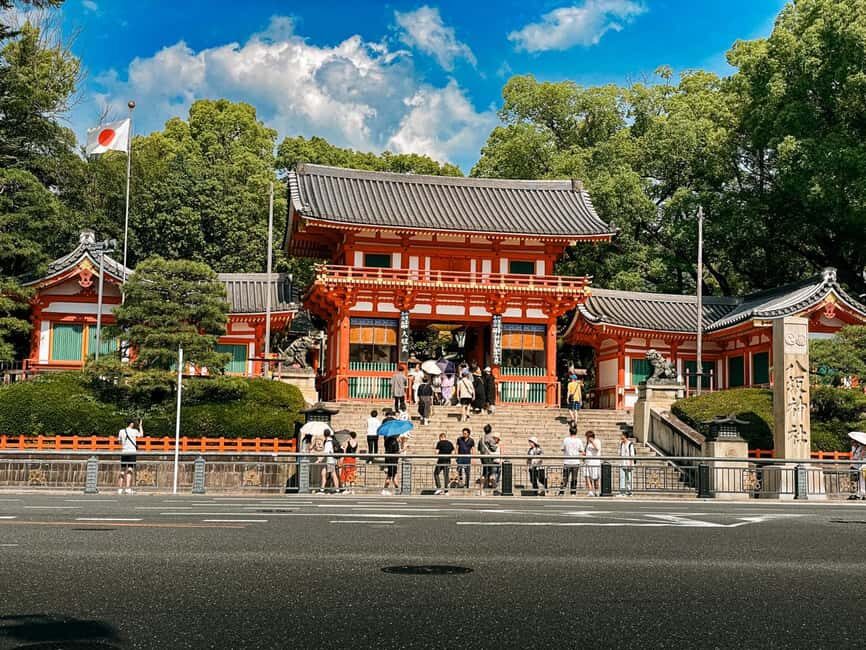
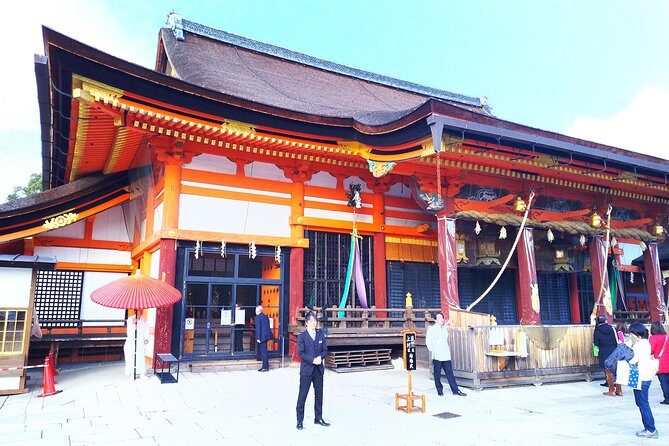
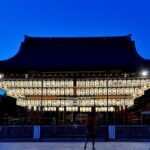
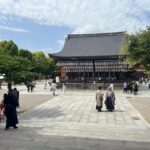
Starting at Yasaka Shrine is a good move because it connects the neighborhood to something deeper than aesthetics. Your guide points out the shrine’s centuries-old connection to Kyoto’s festivals and to the geisha culture that grew alongside those celebrations.
I like tours that don’t treat shrines as quick photo stops. Here, Yasaka Shrine sets the context. Once you’ve got that background, later moments—like symbolism at smaller shrines or the way street life is shaped by tradition—feel less random.
Practical note: there’s also a shopping and walking component right around the starting area, so arrive with a plan. If you want to browse, you’ll probably do it more comfortably after the group moves on from the first stop.
Maruyama Park: the calm break with seasonal personality
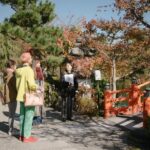
After Yasaka Shrine, you head to Maruyama Park, Kyoto’s oldest public park. The headline feature is the weeping cherry trees, and that matters because Kyoto’s moods change with the seasons.
Even if you’re not traveling during cherry blossom peak, this stop works as a reset. It’s a quiet pocket near the shrine area, so your guide can talk without the crowd pressure you get on the busiest shopping streets.
This is also a good moment to slow down and notice what’s around you—temple and festival spaces don’t always look dramatic. Sometimes they’re about shade, pathways, and the feeling that people come here to take a breath.
Nene no Michi and preserved lanes: old Kyoto you can actually walk
Next comes Nene no Michi, a picturesque lane named after Nene, the beloved wife of samurai warlord Toyotomi Hideyoshi. That name is more than trivia. It’s a reminder that Kyoto’s traditions come from layers of people and power, not just aesthetics.
Your guide walks you past preserved traditional architecture and points out the smaller shops and teahouses along the way. This is where the tour shifts from “big landmarks” into the texture of daily life in Higashiyama—quiet facades, shopfronts, and the gentle rhythm of pedestrians.
The biggest value here is how the explanations make you see details you’d otherwise miss. When a guide tells you what a street is, how it survived, and why it matters, you stop treating it like a backdrop.



Ninenzaka: stone-paved slope, artisan shopping, and classic photos
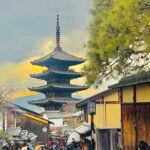
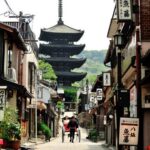
From there you go down the Ninenzaka path. The tour describes it as stone-paved, lined with historic wooden buildings, and filled with artisan boutiques. In practice, this is the part of the walk that feels like Kyoto in postcards—except you’re also learning what you’re looking at.
Two things help Ninenzaka on a walking tour:
- It’s structured like a route, so you don’t just wander.
- The stone walkway and slope create natural photo spots, so you’ll get chances to stop without feeling like you’re constantly interrupting the group.
The drawback is simple: it can be a photo magnet. The best strategy is to use your guide’s timing for pictures. If your tour runs later, you may also find it easier to get shots without overwhelming crowd chaos.
Yasui-Konpiragu’s Power Stone archway: belief you can touch
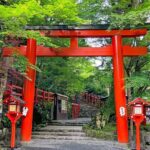
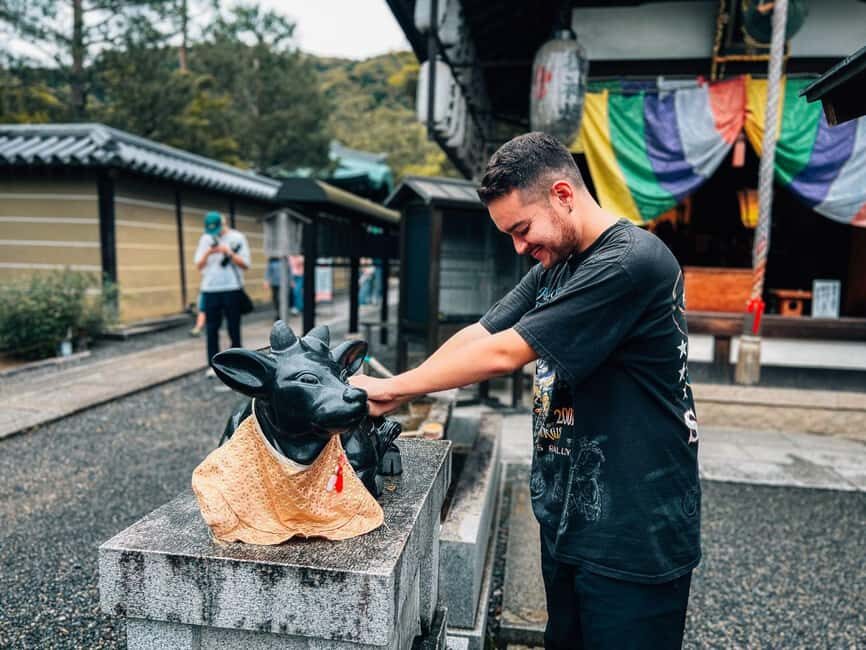
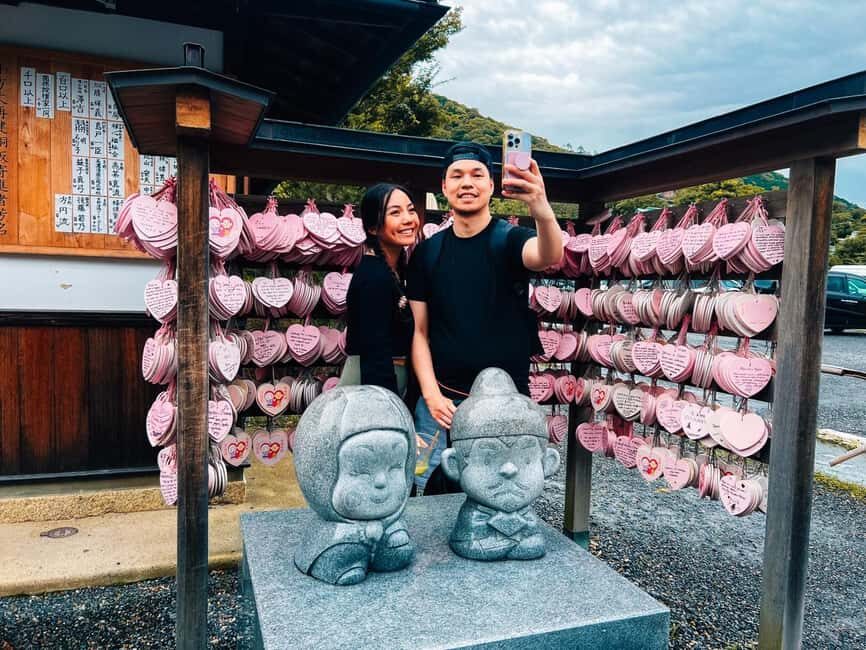
Then comes a stop that feels more like local ritual than tourist viewing: Yasui Konpiragu in Higashiyama, known for its Power Stone archway.
Your guide explains why people crawl through it. The symbolism covers strong relationships on one side, and releasing ties with the past on the other. It’s the kind of cultural detail that changes how you interpret the shrine area. Instead of thinking of it as a static object, you see it as part of a living belief system.
This is also a place where superstition and everyday hope show up in a very physical way. In one example from a recent tour experience, a group even got to observe rituals tied to protection and luck while the guide discussed those beliefs. Even if you don’t see the exact same moment, the guide’s explanations help you recognize why locals behave the way they do in shrine spaces.
Hanamikoji Street: the real geiko world and the customs behind it
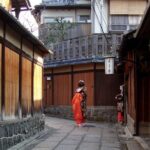
Finally, you move into Hanamikoji Street, one of Gion’s most famous lanes. The tour focuses on preserved wooden teahouses where real geiko still entertain. That matters because it’s not just a stage set; it’s a tradition that continues.
This is where your guide’s job becomes storytelling with context:
- How maiko and geiko fit into Kyoto’s customs
- What daily life and training are about
- Why behavior, timing, and etiquette matter in the entertainment world
You’ll also be guided through narrower backstreets and lesser-known alleys, where your guide can show you areas associated with where maiko live and train. Even if you don’t see a performer up close, the explanations help you understand the neighborhood as a working cultural system.
One practical consideration: if you’re hoping for a clear, close-up sighting, you might be disappointed if timing is off. The tour’s own framing is cautious here, and that’s fair. Instead of chasing certainty, treat it like a culture-walk that may reward you with a glimpse near the end.
The best moment at the end: possible maiko sighting near Gion-Shijo
The tour ends near the Gion-Shijo area. If the timing is right, you might catch a glimpse of a maiko in full attire heading to an engagement.
I like that the tour doesn’t overpromise. That wording keeps you from feeling like you missed your purchase. If you’re lucky, you get a standout image. If not, you still leave with a much clearer understanding of how Gion functions and why these streets look the way they do.
And if you’re traveling solo, this “walk with a guide through the evening” format can be a comforting way to explore. You’re with someone who knows the rhythms of the neighborhood, and you’re moving as a group instead of trying to figure things out block by block.
Price and value: why $25 can be a smart evening plan
At $25 per person for about 2 hours, this tour is priced like a classic guided neighborhood walk, not a high-cost cultural performance experience. The value comes from what you get for the money:
- Guided explanations that connect shrines, streets, and festival culture
- A route that combines major sights with smaller lanes
- Multiple photo-friendly stops where your guide can help you time pauses
If you’re the type who likes to understand what you’re seeing, $25 goes a lot further than paying for a “look only” stroll. If you mostly want unstructured wandering, you might be tempted to skip the guide—but you’d miss the symbolism, the names, and the why-behind-what.
Who this tour suits best
This is a great match if you:
- Want an English-led walk that explains Gion’s relationship to festivals and geisha culture
- Enjoy walking routes with photo stops and historic streets
- Prefer a structured evening plan rather than trying to figure out shrine-to-shrine on your own
It’s also helpful for first-timers in Kyoto, because the tour gives you a clear narrative from Yasaka Shrine into Higashiyama lanes and then into the Gion area.
If you’re physically limited on walking or need wheelchair access, the tour is not suited for wheelchairs as listed, so you’ll want a different option.
Should you book this Gion geisha culture walking tour?
Book it if you want a smart, low-pressure way to understand Gion instead of just seeing it. The $25 price and the tight 2-hour length make it an easy add-on to your Kyoto plans, and the route hits the big context points—Yasaka Shrine, Maruyama Park, Nene no Michi, Ninenzaka, Yasui-Konpiragu, and Hanamikoji Street—without turning into an all-day grind.
Skip it (or at least adjust expectations) if your main goal is a guaranteed geiko or maiko sighting. The tour may give you a glimpse near the end, but it’s not built on certainty. Treat it as a guided culture walk, and you’ll get the real payoff: the stories and meanings behind the streets.
FAQ
How long is the Kyoto Gion Geisha Culture Walking Tour?
The tour lasts 2 hours.
How much does the tour cost?
It costs $25 per person.
Where do we meet the guide?
You meet at Starbucks Coffee – Kyoto Gion Hotel. The guide will be standing with a Traveling Kyoto ID.
Is the tour guided in English?
Yes. The tour has a live English guide.
What are the main stops on the walk?
You’ll visit Yasaka Shrine, Maruyama Park, Nene no Michi, Ninenzaka, Yasui-Konpiragu, and Hanamikoji Street, with the tour ending near Gion-Shijo.
Can I expect to see a geiko or maiko during the tour?
You might catch a glimpse near the end if timing is right. There is no stated guarantee of a sighting.
Is this tour suitable for wheelchair users?
No. It’s listed as not suitable for wheelchair users.
Can I cancel and get a full refund?
Yes. You can cancel up to 24 hours in advance for a full refund.
Is there a pay later option?
Yes. You can reserve now and pay nothing today (reserve & pay later).