REVIEW · GION DISTRICT WALKING TOURS
Kimono Rental,Kimono Experience in Gion Kyoto
Book on Viator →Operated by Momoka KimonoRental Kimono Experience · Bookable on Viator
A kimono turns Kyoto into your movie set. In Gion, this rental is close to the lanes around Hanamachi and Chaya, and the shop offers original pure silk styles with help from the team’s styling approach. I love how smooth the process feels for first-timers, especially because you come in empty-handed and they handle the full set and fitting basics. I also love the easy start: get dressed right by the sights so you can spend more time walking Kyoto and less time figuring out logistics.
The one thing to plan around is time. You need to be back to change out by 5:00 PM, and late returns cost extra. If you’re the type who likes to drift and forget clocks, set a real alarm before you step out in your kimono.
In This Review
- Key Highlights You’ll Care About
- Why This Gion Kimono Rental Feels So Low-Stress
- What You Actually Get for the Price
- Arriving at Momoka Kimono Rental: A Quick Check-In
- Choosing Your Kimono: Styles, Fabric, and the “Right Look”
- Getting Dressed and Having Hair Styled for Kyoto Streets
- Your One-Day Plan in Gion: What Each Stop Is For
- Stop 1: Yasaka Shrine
- Stop 2: Kodai-ji Temple
- Stop 3: Kiyomizu-dera Temple
- Stop 4: Kennin-ji Temple
- Stop 5: Gion
- Photo-Ready Convenience: Luggage and Hands-Free Time
- Costs and Add-Ons: Know Where Your Budget Goes
- Fit Limits, Pregnancy, and Who Should Book
- Timing Rules: The Real-Life Constraint
- Value Check: Is $36.36 Worth It in Gion?
- Should You Book Momoka Kimono Rental in Gion?
- FAQ
- FAQ
- What is included in the kimono rental set?
- Do I need to bring anything with me?
- Is there help available in English or Chinese?
- Is hair styling included?
- How do I handle luggage while sightseeing?
- Where does the itinerary go during the day?
- What is the latest time to return to change out of the kimono?
- What is the cancellation policy?
Key Highlights You’ll Care About
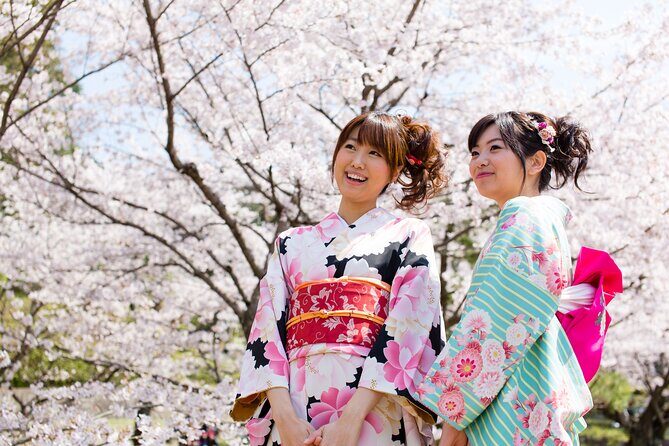
- A complete kimono outfit is included: kimono, obi, bag, tabi, and zori
- First-timer friendly dressing service with staff support in Japanese, Chinese, and English
- Basic hair styling included to match your kimono (upgrades cost extra)
- Free luggage storage on-site and the team takes care of your bags after dressing
- Perfect Gion location for photos near popular sightseeing areas
- Strict return timing for changing out of your kimono by 5:00 PM
Why This Gion Kimono Rental Feels So Low-Stress
Kyoto can be a lot on your feet. This rental helps because the shop sits in Gionmachi Minamigawa area, close to where you want to be sightseeing anyway. The big win is simple: you’re not taking on a full day of “planning mode” just to dress in a kimono. You check in, pick your look, get fitted, and then you’re free to walk.
I also like that the shop is set up for non-japanese speakers. Staff are available in Japanese, Chinese, and English, which matters because kimono fit is not something you want to guess at. Even if you’ve never worn one before, the process is designed so you can relax while someone helps you get it right.
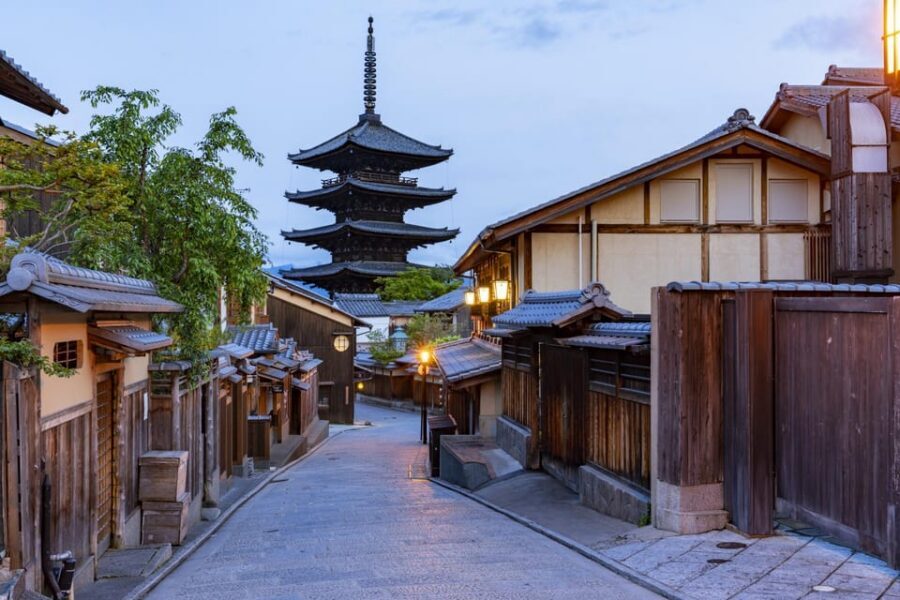
And yes, the styles are made for the Gion vibe. You can choose from retro, cute, classic, modern, and Taisho Roman looks. Add that you’re wearing carefully selected original pure silk, and the result is that your outfit looks like it belongs in Kyoto, not like a costume you hurried into.
You can also read our reviews of more tours and experiences in Kyoto.


What You Actually Get for the Price
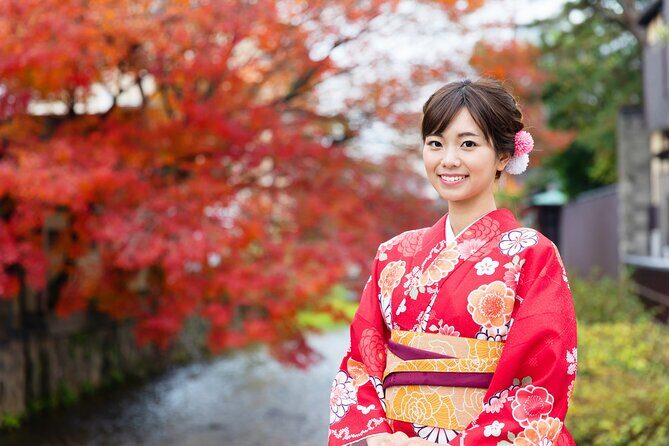
This kimono rental costs $36.36 per person, and that number is more attractive than it looks at first glance because it includes the essentials. You’re not just renting the kimono “top.” The set includes the basic kimono outfit plus accessories: kimono (basic komon), obi, bag, tabi, and zori.
You also get dressing service and basic hair styling as part of the plan. That’s important, because a lot of “cheap” rentals stop at handing you fabric. Here, the shop’s staff helps you wear it correctly and finishes the look so you can focus on sightseeing.
What costs extra is clearly spelled out:
- Upgraded hairstyle: JPY 1,650
- Make-up service: JPY 8,800
- Photography service: 1 hour for up to 3 people, JPY 18,700
For value, I’d frame it like this: you’re paying for the full outfit and the human help to wear it well. That’s usually the difference between a kimono day that feels fun and one that turns into a fit-adjustment chore.
Arriving at Momoka Kimono Rental: A Quick Check-In
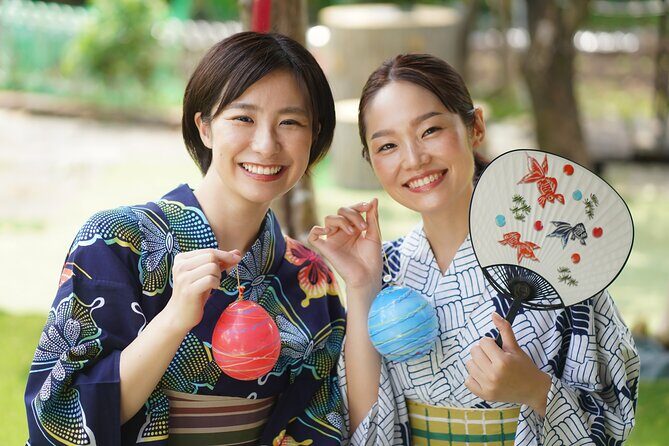
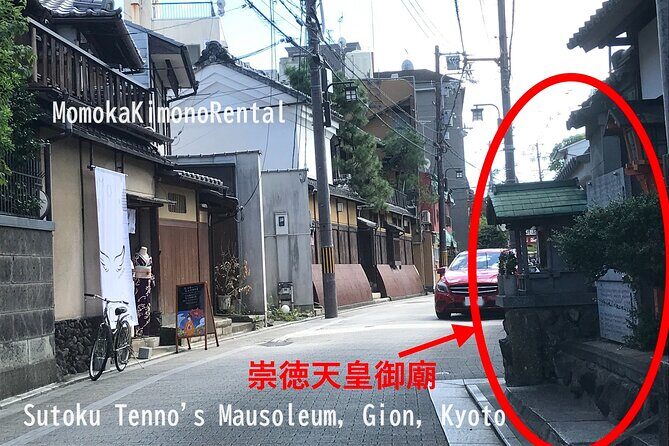
The meeting point is 570-41 Gionmachi Minamigawa, and the activity ends back at the same place. You’ll start in the shop, get checked in by the staff, and move into choosing your kimono.
The vibe you’re aiming for is not rushed. The shop is set up to greet you, support you during selection, and then guide you through dressing. You’ll also get that practical promise that matters for sightseeing days: after you’re dressed, the team handles your luggage so you don’t have to carry bags around in the streets.
One more small detail that helps: you’ll receive a mobile ticket. It’s one less paper thing to manage while you’re navigating Kyoto.
Choosing Your Kimono: Styles, Fabric, and the “Right Look”
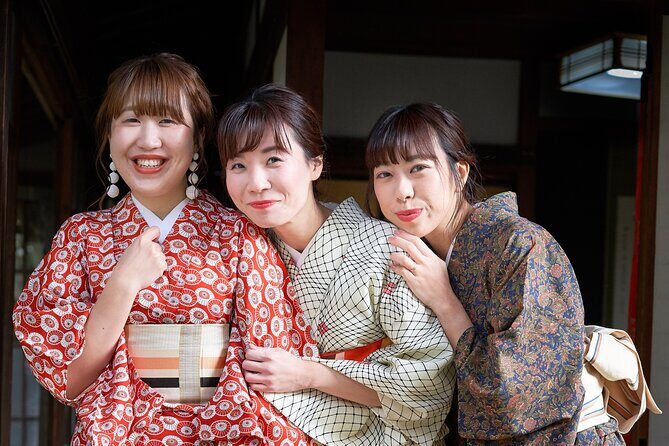
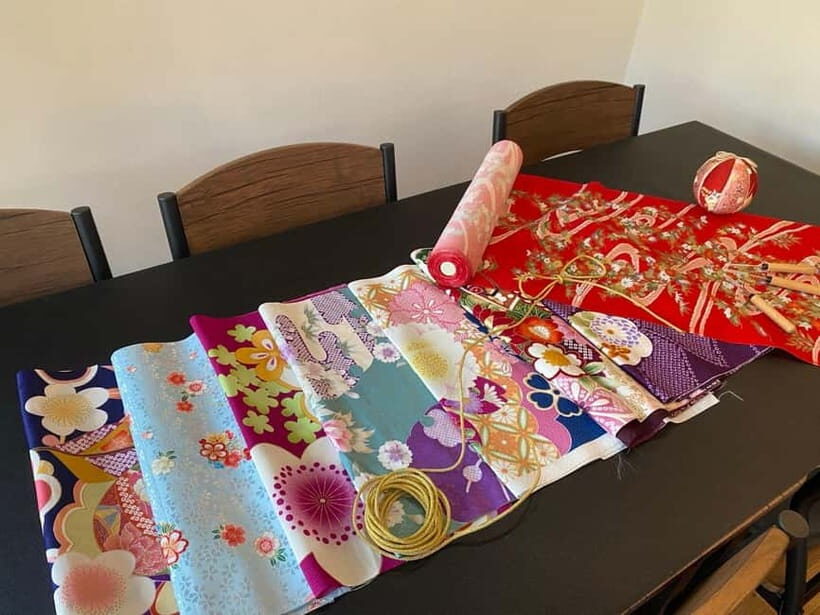
This is where you can shape the whole day. The shop offers a range of styles, from retro and cute to classic and modern, plus Taisho Roman options. If you care about photos, selection matters because the kimono design and color will strongly influence what your day looks like in pictures.
The shop also highlights the use of original pure silk fabric. You’ll feel that when you see the garment and how it drapes. It doesn’t solve the whole photo problem, but it helps your kimono look sharp in daylight and evening light—especially around Gion lanes where you’ll want that Kyoto-specific look.
The styling design is left to the shop’s team (they mention Moeko Momoka by name), so you’re not stuck trying to match details yourself. That can be a relief if you’re worried about getting the “wrong” style for the streets.
Getting Dressed and Having Hair Styled for Kyoto Streets
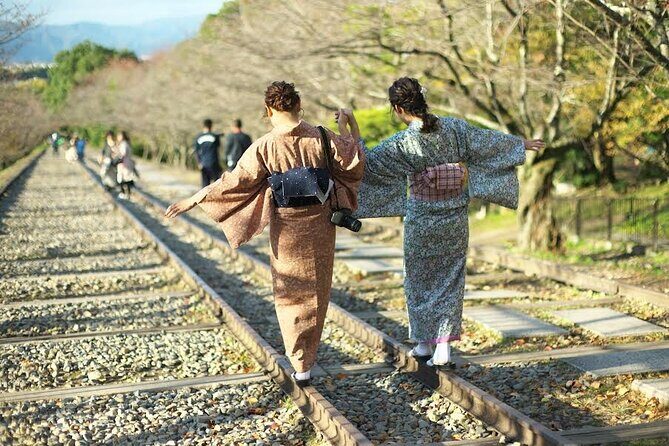
Dressing is handled by professional staff. This is not just a quick “put it on” moment. You get help putting the kimono on properly, and then the staff provides basic hair styling that complements your choice.
If you’ve only worn western outfits, the fit process can feel like learning a new routine. This is exactly where staff support matters. You can relax because they’re guiding you from check-in to the finished look.
From the reviews, one consistent theme shows up: the staff are patient and kind, including when families had multiple daughters getting ready at once. That same “calm help” is what you want if you’re traveling with anyone who might need extra time adjusting clothing or getting comfortable with the look.
If you want a more elaborate hairstyle or makeup, you can upgrade—but the base plan already gives you a styled finish so you can go straight into sightseeing mode.




Your One-Day Plan in Gion: What Each Stop Is For
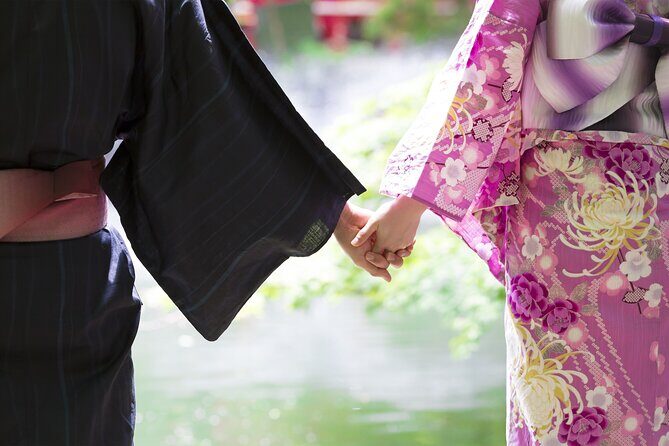
This experience runs about 1 day and follows a set route of major Gion-area sights. The stops listed are: Yasaka Shrine, Kodai-ji Temple, Kiyomizu-dera Temple, Kennin-ji Temple, and then time in Gion.
Here’s how to think about the route so it actually works for your kimono day:
Stop 1: Yasaka Shrine
Yasaka Shrine is your first big visual anchor. Starting here is smart because you’ll get your kimono photos early, before you’ve walked off the best of your energy. For a first day in a kimono, early is good: you’re fresh, your outfit is new, and you’ll look better in photos before you’ve spent hours adjusting fabric.
A practical note: crowds can build through the day at popular shrines, so starting early helps you keep your day smoother in general.
Stop 2: Kodai-ji Temple
Kodai-ji is a step into a quieter, more temple-paced rhythm than the main street energy. This is the kind of stop where your kimono can feel extra fitting, since temple grounds tend to look naturally good in traditional attire.
The main drawback to keep in mind is simple: you’ll still be doing plenty of walking. Kimono days are beautiful, but they also make you aware of your pace. Plan for slower steps, not marathon-speed sightseeing.
Stop 3: Kiyomizu-dera Temple
Kiyomizu-dera is the famous name on many Kyoto lists, and it’s a good place to wear your kimono because it turns the trip into a moment you’ll remember. The day’s middle stop is where fatigue can start, though, so bring your best walking patience.
Since you have to plan for changing out later, it’s worth treating Kiyomizu-dera as a highlight where you might want a slower look and fewer detours. That way you don’t rush through the place that people travel to see.
Stop 4: Kennin-ji Temple
Kennin-ji keeps your itinerary moving through classic Kyoto settings. This stop is useful for spacing your day out between the biggest-name sights. It can help you break the “one long crowd day” feeling into a few more manageable chunks.
Also, it’s a good point in the day to reassess your kimono comfort. If you feel any pinching or rubbing, ask staff at the shop beforehand about basics like how to adjust within comfort.
Stop 5: Gion
Ending in Gion is exactly the point of a kimono day. You get to see your outfit matching the streets you came for. Gion’s lanes and atmosphere are what make many people book a kimono rental in the first place, and ending there lets your pictures look like they belong.
This is where you’ll probably want your final photos, because your outfit will look consistent with the setting instead of feeling like you arrived too late to enjoy the vibe.
Photo-Ready Convenience: Luggage and Hands-Free Time
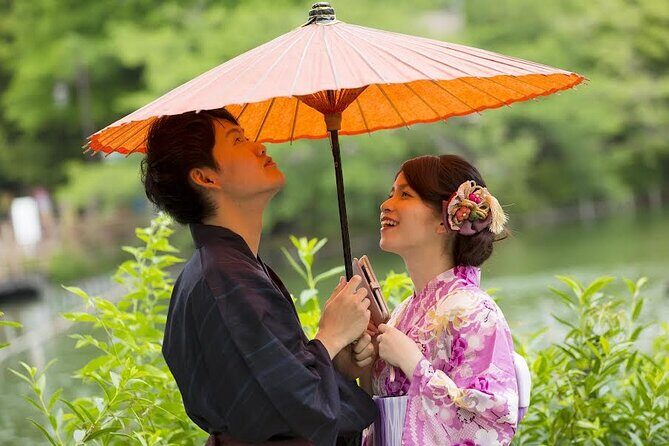
One reason this rental works so well is the “hands-free” part. Once you’re dressed and your hair is done, the staff takes care of your luggage with a free on-site storage service. That means you can walk around without dragging bags through Kyoto while wearing a traditional outfit.
For a practical day, this matters more than people think. Kyoto’s sightseeing can involve stairs, uneven stone, and sudden crowds. Light travel helps you keep your day comfortable, and your kimono looks better too when you aren’t managing a heavy bag the whole time.
The route also makes sense for photos: you’re placed in areas known for scenic viewpoints and street scenes. The shop is described as being surrounded by excellent photo spots, and your itinerary lines up with that reality.
Costs and Add-Ons: Know Where Your Budget Goes
The base plan is set up to be straightforward: kimono outfit + obi + bag + tabi + zori, plus dressing and basic hair styling, plus luggage storage.
If you want to “go full glam,” you can add:
- Upgraded hairstyle (JPY 1,650)
- Make-up (JPY 8,800)
- Photography service (1 hour for up to 3 people, JPY 18,700)
One budget tip: decide early if you want extras. If you’re upgrading hairstyle and also planning makeup or photography, you’ll likely want to treat that as the main event of your kimono day instead of a quick add-on. The base experience already gives you a polished result, so upgrades are really for style control and special photo output.
Fit Limits, Pregnancy, and Who Should Book
This is where you should be honest with yourself before you reserve.
- Pregnancy: wearing a kimono during pregnancy is strictly prohibited. The shop states they will not be held responsible for any health problems that may result.
- Adult kimono size: adult kimonos are limited if hip size exceeds 130 cm.
- Kids: children’s kimono sizes are for kids over 70 cm and aged 12 and under.
Most travelers can participate, but if any of those sizing limits apply, double-check before you commit. It’s the difference between a great kimono day and a stressful one.
Timing Rules: The Real-Life Constraint
Kimono days are fun, but they run on schedule. You need to return by 5:00 PM to change out of your kimono. Late return fees apply, and next-day return has a deposit plus surcharge, with extra charges if you miss the return window.
If you like late dinners, long wandering, or “just one more stop,” set expectations now. Plan your sightseeing so you’re not racing the clock at the end of your day. That’s the best way to keep the experience enjoyable instead of rushed.
Value Check: Is $36.36 Worth It in Gion?
For many visitors, the biggest value comes from the combination of three things:
- Everything you need is included (kimono outfit and accessories)
- You get hands-on dressing and hair styling, not just a garment rental
- You’re positioned in the right area for Gion sightseeing, so you don’t waste time getting to the places you want
If you’ve ever rented clothing for photos while traveling, you know how often the “hidden work” falls on you. Here, the shop aims to remove that friction. Even the luggage part is built in, so you can walk with less hassle.
When you put it all together, the price feels more like an all-in experience than a basic rental. That’s usually what makes the day feel special rather than stressful.
Should You Book Momoka Kimono Rental in Gion?
Book it if you want a simple, supported kimono day in the Gion area with dressing service, basic hair styling, and luggage handling included. It’s a smart choice for first-timers, families, and anyone who wants their day to start quickly and end comfortably back at the shop.
I’d skip or reconsider if you can’t handle the strict return timing, if pregnancy applies, or if your measurements fall outside the stated adult limitations. Also, if you’re expecting the kimono day to be a fully guided tour with deep commentary at each temple, this plan reads more like a rental + ready-to-sightsee route than a narrated sightseeing program.
FAQ
FAQ
What is included in the kimono rental set?
The rental includes a complete set: the basic komon kimono, obi, bag, tabi, and zori.
Do I need to bring anything with me?
You’re told to come empty-handed because the plan price includes everything needed to wear the suit.
Is there help available in English or Chinese?
Yes. Staff are available in Japanese, Chinese, and English.
Is hair styling included?
Basic hair styling is included. Upgraded hairstyle is available for an extra fee.
How do I handle luggage while sightseeing?
Free luggage storage is available on-site, and the staff will take care of your luggage after dressing so you can sightsee hands-free.
Where does the itinerary go during the day?
The listed stops are Yasaka Shrine, Kodai-ji Temple, Kiyomizu-dera Temple, Kennin-ji Temple, and then Gion, with the activity ending back at the meeting point.
What is the latest time to return to change out of the kimono?
You need to return by 5:00 PM to change out of your kimono.
What is the cancellation policy?
This experience is non-refundable and cannot be changed for any reason.