REVIEW · WALKING TOURS
Kyoto Late Bird Walking Tour
Book on Viator →Operated by KAMNAVI Tours · Bookable on Viator
Late Kyoto walks have a special feel. This one strings together Fushimi Inari-taisha and the Gion area with a guide who helps you move fast and understand what you’re seeing. I love the tight, efficient route that checks off major Kyoto landmarks in one half day, and I especially like the “late bird” timing that can make the shrine-and-street scenes feel less rushed. The main thing to consider is the cost of getting around once you’re there—public transportation is not included.
This is also set up for real-life travel: meet at Kyoto Station, use trains to reach the sights, and get the guide’s commentary so you don’t waste time hunting for meaning. You’ll be walking, but you’re not doing it blindly. One possible drawback: the tour is not stroller accessible, so if that’s your situation, you’ll want an alternate plan.
In This Review
- Key Highlights Worth Your Time
- Why This Late-Afternoon Route Works (Even If You’re Short on Time)
- Price and Value: What You’re Really Paying For
- Starting at Kyoto Station: Getting There Without Stress
- Stop 1: Fushimi Inari-taisha and Its Vermilion Torii Tunnel
- What to expect (and the trade-off)
- Stop 2: Yasakanoto (Yasaka Pagoda) and the View Perspective
- Stop 3: Yasaka Shrine and the Name Behind Gion
- The main practical consideration
- Stop 4: Gion Stroll—Old-Style Houses and Geisha-maiko Sightlines
- Why I think this stop is worth paying for
- How the Guide Changes the Whole Experience
- Walking Time, Pace, and What to Wear
- Who This Tour Is Best For (And Who Might Prefer Something Else)
- Should You Book the Kyoto Late Bird Walking Tour?
- FAQ
- How long is the Kyoto Late Bird Walking Tour?
- Where do I meet for the tour?
- What time does the tour start?
- Is admission required for the stops?
- What’s included in the price?
- What is not included?
Key Highlights Worth Your Time
- Late-afternoon timing: see Fushimi Inari and the Yasaka/Gion area in the same smooth half-day block
- Major sights, minimal guesswork: the guide helps you connect the dots so you don’t get lost
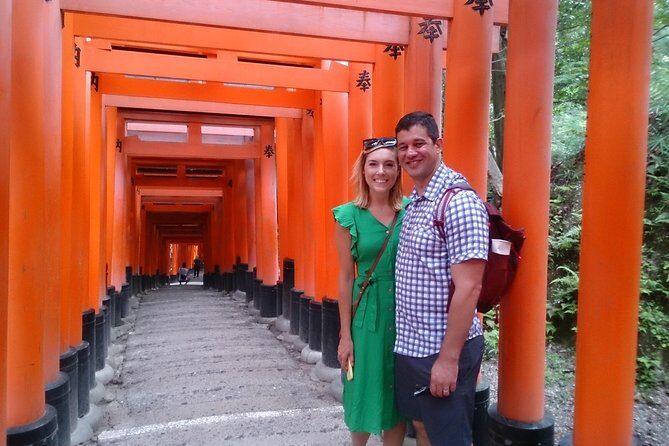
- Fushimi Inari’s torii tunnel: thousands of vermilion gates, plus context for why they exist
- Yasaka Shrine + Gion link: learn why the area’s name is tied to the shrine
- Chances to spot geisha or maiko: stroll Gion with a guide who knows how to read the street
- Real guide support: guides like Kaz and Saori are noted for solid English/Japanese and calm problem-solving if you’re running late
Why This Late-Afternoon Route Works (Even If You’re Short on Time)
Kyoto rewards calm, but most trips don’t give you calm. This tour is built for the time crunch: a 4-hour afternoon window that hits a big stack of “must-see” places without turning your day into a spreadsheet of transfers.
The late timing matters. You start at 2:00 pm from Kyoto Station, head to Fushimi Inari-taisha, then transition toward the Higashiyama/Yasaka zone and finish in Gion. That sequencing can help you enjoy the famous torii gates in softer light, then shift into the evening atmosphere near Yasaka and Gion.
The tour also leans on guide interpretation, not just directions. You’re there to understand why things look the way they do: the meaning of shrines, the reasons for names like Gion, and what you’re supposed to notice when the streets get busy.
You can also read our reviews of more walking tours in Kyoto


Price and Value: What You’re Really Paying For
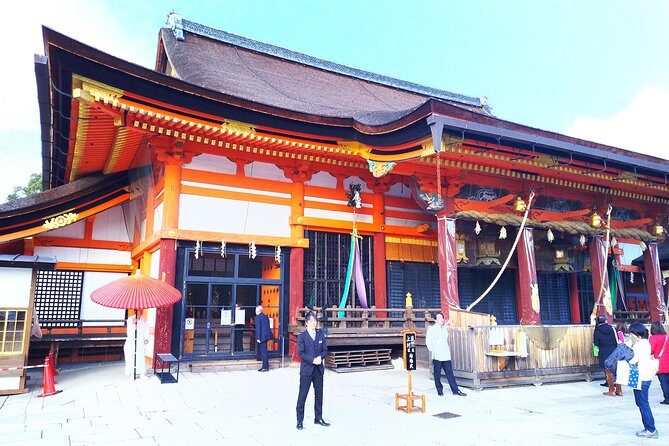
At $86.49 per person for about 4 hours, the price can feel like a lot until you look at what’s actually included. The tour includes the guide fee, and the stops listed are free admission—so you’re mostly paying for expert time and efficient routing.
Two spending realities to plan for:
- Public transportation is not included: the cost listed is ¥850 per person.
- Food and drink are not included, so you’ll likely want to budget for a snack or small meal during or after.
That transport extra is important. If you’re already planning to use trains anyway, the total cost often makes sense. If you’re trying to keep Kyoto costs tight, you might feel the add-on more.
Where the value stands out is in the private format. The tour is private for just your group, which matters if you want conversation and fewer distractions than a large bus-style tour. A handful of friends or a family group also makes the “guide time” feel more cost-effective.
Starting at Kyoto Station: Getting There Without Stress
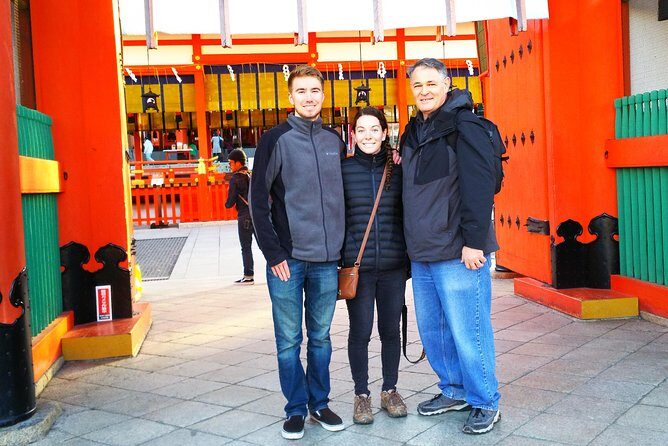
You’ll meet at Kyoto Station and the tour ends back at the meeting point. That simple loop is good news because Kyoto can be disorienting when you’re moving fast.
Bring a plan for transit. One practical tip surfaced clearly: use a loaded IC card so you can hop through the trains without fumbling with tickets. Since you’re moving between neighborhoods, the “late bird” afternoon schedule depends on quick, reliable transit.
Also note the small but helpful detail: mobile ticket. That reduces time at check-in and helps you keep moving. The tour confirmation happens at booking time, and the operator flags that it runs in good weather, with a reschedule or refund if weather cancels it.
Stop 1: Fushimi Inari-taisha and Its Vermilion Torii Tunnel
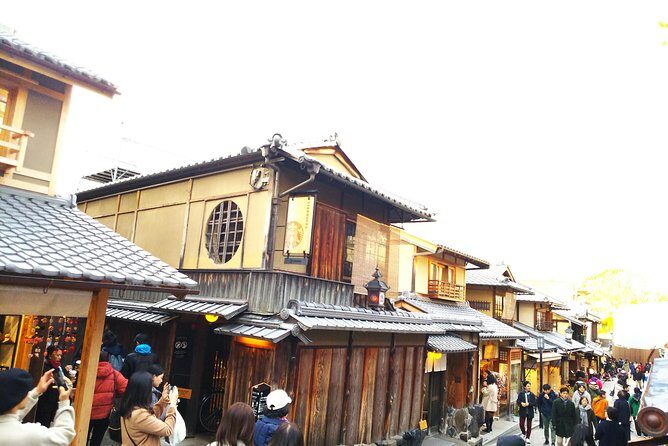
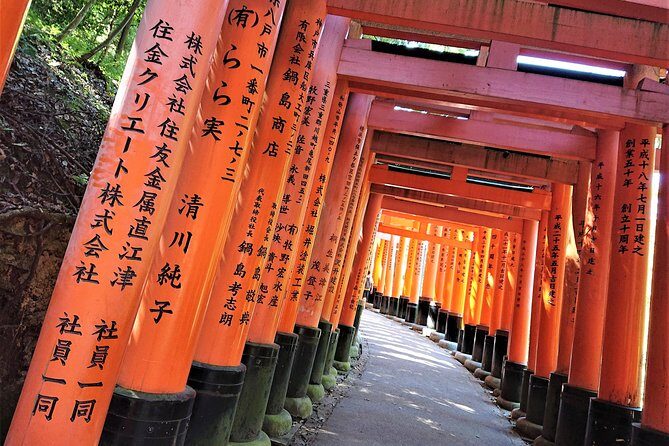
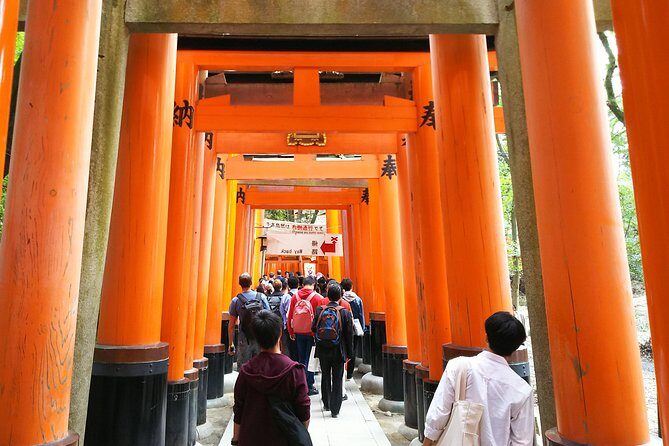
This is the big visual hit: a passage of thousands of vermilion torii gates. It’s famous for a reason. The repetition does something to your brain—it turns a walk into a scene, and the guide’s job is to help you see it beyond the postcard version.
The gates are offered by worshippers in appreciation for good fortune received from the deity enshrined there. That bit of context can change how you feel while walking through. Instead of “just gates,” you’re moving through a living relationship between faith, gratitude, and community.
What to expect (and the trade-off)
You’ll spend about 1 hour here, and admission is listed as free. The tour format aims for the sweet spot: long enough to soak in the visual and learn the story, not so long that you miss the rest of the afternoon.
The drawback is basic: Fushimi Inari can be crowded. The tour helps you navigate the experience so you’re not wandering aimlessly in a maze of similar-looking paths.



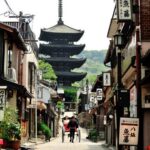
Stop 2: Yasakanoto (Yasaka Pagoda) and the View Perspective
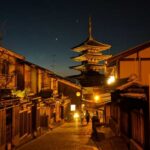
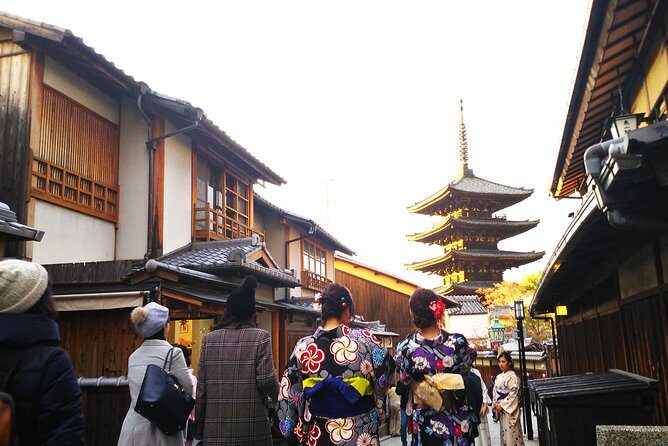
Next up is Yasakanoto, a pagoda connected to the Yasaka area tradition. The timeline is part of why it’s interesting: originally built in 592 and rebuilt in 1440. That long arc gives you a sense of why Kyoto’s religious architecture keeps showing up in different eras, rebuilt but not replaced.
The stop is short—about 30 minutes—and admission is also free. The best payoff here is the way you’re positioned to appreciate the city views from the area, especially later in the day.
One thing to keep in mind: in the evening this area becomes popular with photographers. If your timing overlaps peak photo hours, you may share the angle with others. That’s not a problem with the tour—it’s just the reality of being close to a scenic viewpoint.
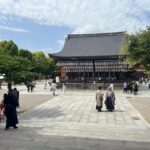
Stop 3: Yasaka Shrine and the Name Behind Gion
Yasaka Shrine is where the tour adds meaning to the scenery. It was once called Gion Shrine, and the name Gion is taken from it. That’s the kind of detail you can’t easily guess just by looking at a map or taking a quick photo.
The shrine’s enshrined deities are also part of the draw. The main deity is described as especially powerful, and there’s also a god of beauty enshrined. That combination helps explain why people connect to this place in different ways—spiritual, cultural, and personal.
The stop is brief: about 20 minutes, free admission. That means you’ll get the essentials without losing your afternoon.
The main practical consideration
Because it’s short, you’ll want to pay attention early. The guide’s commentary does a lot of heavy lifting here. If you tune out for a few minutes, you’ll miss the “why this place matters” layer that makes the shrine stop feel more than a quick glance.
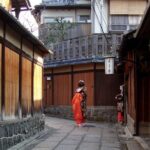
Stop 4: Gion Stroll—Old-Style Houses and Geisha-maiko Sightlines
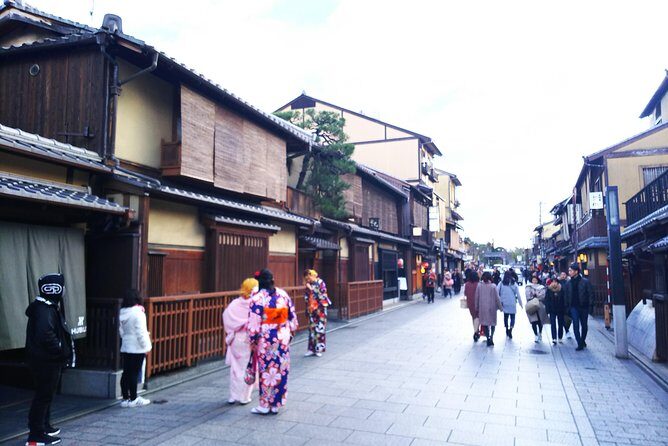
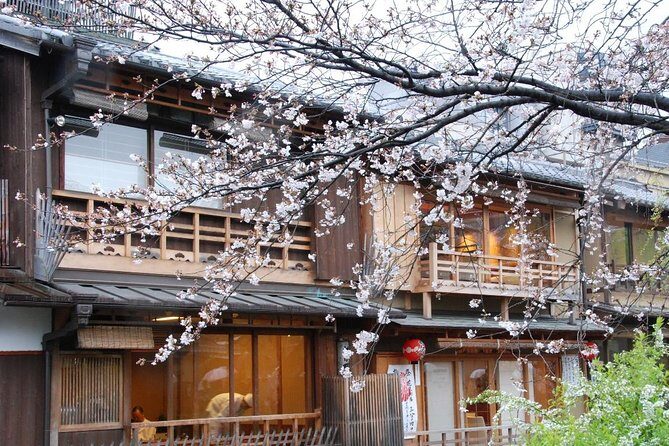
Then you end in Gion, and this is where the tour’s late timing can really pay off. Gion is tied to traditional culture, and the walking route focuses on preserving old-style houses.
The idea isn’t to treat it like a hunt for celebrities. It’s more like learning how the district works. You stroll with context, so you know what you’re seeing and why it’s arranged the way it is.
You may encounter geisha or maiko (apprentices) depending on timing. The tour description frames this as luck, and that’s fair—nothing about Kyoto can be fully scheduled when it comes to street life and practice.
Why I think this stop is worth paying for
You could technically walk Gion on your own. But paying for a guide is useful because you’re not just walking between spots—you’re walking with someone who can interpret street signals and cultural cues. Plus, the tour keeps the day moving so you don’t lose the thread.
How the Guide Changes the Whole Experience
This tour lives or dies by the guide’s ability to turn “places” into understanding. The overall theme in the guidance quality is strong: guides are enthusiastic, communicate clearly, and help you keep the pace under control.
Names from past tours show a range of strengths:
- Kaz is noted for patiently waiting if someone arrives late and then using trains efficiently.
- Saori is described as energetic with excellent English and Japanese, plus conversation that goes beyond facts.
- Mitsue is described as welcoming with a relaxed pace.
- Meg is described as very professional and on-time with a lot of knowledge.
That matters for you because it affects how much you absorb while walking. A good guide also helps when plans get messy. One clear example: even if you arrive late, the process can still stay calm and workable.
Walking Time, Pace, and What to Wear
This is a walking tour, with time allocated across four stops (roughly 4 hours total). That means you should plan for steady movement, especially when shifting between neighborhoods.
Comfort beats style here:
- Wear shoes you can walk in without thinking.
- Bring a small layer if you’re out in the late afternoon.
- If you’re sensitive to crowds, expect busy pockets around famous areas.
The tour does list accessibility positives: it’s accessible for those with limited eye sight and for those with limited mobility. It also says it’s near public transportation and animals or pets are allowed. But it’s also not stroller accessible, so if that matters, you’ll want to check options before booking.
Who This Tour Is Best For (And Who Might Prefer Something Else)
This tour fits well if you want:
- A focused afternoon plan with big-name sights
- A guide who gives commentary so you don’t just collect photos
- Private-group comfort instead of a crowded scramble
- The chance to experience the feel of Gion near evening hours
You might hesitate if:
- You’re on a very tight budget and don’t want to add the listed ¥850 transport cost
- You need stroller access (the tour is not stroller accessible)
- You prefer wandering at your own pace with zero structure
If you’re traveling in a small group, the private format makes it feel more personal. If you’re traveling solo, it can still be a strong pick because you’re buying clarity and efficiency, not just movement.
Should You Book the Kyoto Late Bird Walking Tour?
Yes, if your goal is to connect the dots across Kyoto’s most iconic areas in one afternoon. The combination of Fushimi Inari’s torii tunnel, Yasaka’s shrine-and-pagoda zone, and a Gion walk with the possibility of geisha or maiko sightlines makes it a smart use of limited time.
I’d especially recommend it if you like explanations. This tour leans hard on guided context: why the shrine is linked to Gion, what the torii gates represent, and how to read the spaces you’re walking through. It’s also a solid value when you factor in that admission at the listed stops is free and you’re paying mainly for expert guiding.
If you’re the kind of traveler who wants zero guidance and lots of slow wandering, you might prefer to build a self-guided route. But if you want to feel confident you’re seeing the right things in the right order, this is one of the easier ways to do Kyoto without wasting hours.
FAQ
How long is the Kyoto Late Bird Walking Tour?
The tour lasts about 4 hours.
Where do I meet for the tour?
The meeting point is Kyoto Station in Kyoto, Japan. The tour ends back at the meeting point.
What time does the tour start?
The start time is 2:00 pm.
Is admission required for the stops?
The listed stops have free admission.
What’s included in the price?
The tour includes the guide fee. It also uses a mobile ticket.
What is not included?
Food & drink are not included, and public transportation fare is listed as ¥850 per person.