REVIEW · FOOD
Kyoto Food & Culture 6hr Private Tour with Licensed Guide
Book on Viator →Operated by Japan Guide Agency · Bookable on Viator
Kyoto tastes better with a guide. This private Kyoto food and culture tour pairs Japan’s food scene with classic neighborhoods and temples, so you don’t just see places—you understand what you’re looking at. It’s a walk-focused day with a licensed local, and the route can be adjusted to match your interests.
Two things I really liked. First, Nishiki Market is the kind of place that’s easy to wander—but harder to enjoy without a plan, and the guide’s food-first approach helps you snack with confidence. Second, the tour’s culture side lands in a practical way; one review I read praised guide Lily for explaining culture, tradition, religion, and the meaning behind what people see in Kyoto.
One consideration: this tour is excellent value for a private, guided day, but your wallet still needs a buffer for lunch, transport, and some temple admission fees. Also, not every stop is on the table for free, so you’ll want your guide to match sights to what you’re willing to pay for.
In This Review
- Key things to know before you go
- A private 6-hour Kyoto plan that actually fits real sightseeing
- Nishiki Market: Kyoto’s Kitchen and how to snack like a local
- Gion’s alleys: don’t just look—learn how it all works
- Pontocho: the dining corridor that feels like Kyoto at night
- Kyoto sweets in a former Kabuki-theater building
- Temple timing: Kennin-ji and Fushimi Inari should be on the radar
- Kennin-ji Temple
- Fushimi Inari-taisha Shrine
- Major classics with extra travel: Byodoin, the Imperial Palace, and Nijo Castle
- Byodoin Temple in Uji
- Kyoto Imperial Palace
- Nijo Castle
- Arashiyama and eastern Kyoto options: Tenryuji, Kiyomizu-dera, and Sanjusangendo
- Tenryuji Temple (Arashiyama)
- Kiyomizu-dera
- Sanjusangendo
- Price and value: what $153.11 buys you in Kyoto time
- A quick note on how the day feels (and how to make it smoother)
- Who this Kyoto tour is best for
- Should you book this Kyoto food and culture private tour?
- FAQ
- FAQ
- How long is the Kyoto food and culture private tour?
- Is this a private tour?
- Can the route be customized?
- What’s included in the price?
- Are temple or attraction admission fees included?
- Is lunch provided?
- Is there a mobile ticket?
- Can I cancel for a full refund?
- Are service animals allowed?
Key things to know before you go
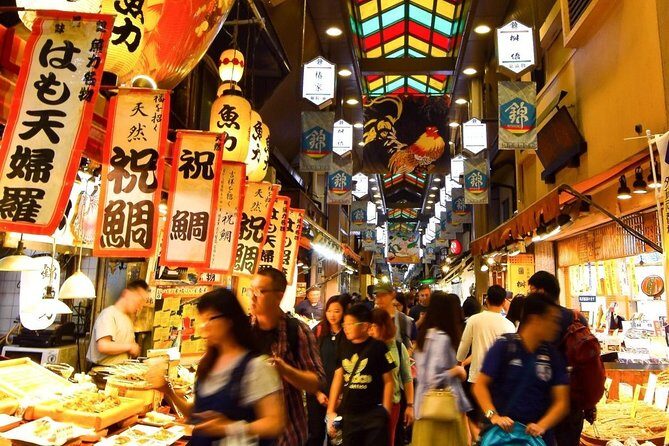
- Nishiki Market is the anchor: a narrow, five-block-long shopping street with 100+ shops and restaurants where you can make sense of Kyoto’s food culture fast
- Private and adjustable: you choose 3–4 sites from the tour’s list, so you can aim for food neighborhoods, temples, or both
- Street-level Kyoto is the focus: Gion’s alleyways and Pontocho’s dining corridor are great places to learn how the city feels beyond the main streets
- Sweets and history mix: one stop features original Kyoto sweets in a building renovated from a Kabuki theater site
- Some major sights may cost extra: several temples and castles aren’t included in admission, so you’ll plan for ticket fees and your own meals
A private 6-hour Kyoto plan that actually fits real sightseeing
Kyoto can feel like a puzzle. You’ve got temples, neighborhoods, and food streets packed into a small geography, and it’s easy to burn time zigzagging without learning anything. This tour cuts down that guesswork with a licensed local guide and a smaller format than the big-group tours you see everywhere.
The big win is that you’re not stuck with a rigid checklist. The experience is built around picking 3–4 sites from the tour’s selection, which makes it easier to shape the day around what you care about most—snacking and shopping, iconic temples, or a blend of both.
And yes, the “food and culture” combo matters. Kyoto isn’t only about pretty buildings. It’s about the habits and beliefs that shaped the city—how people gather, how rituals work, and why certain streets and shrines matter. A good guide turns those background details into something you can actually use while you walk.
You can also read our reviews of more food & drink experiences in Kyoto
Nishiki Market: Kyoto’s Kitchen and how to snack like a local
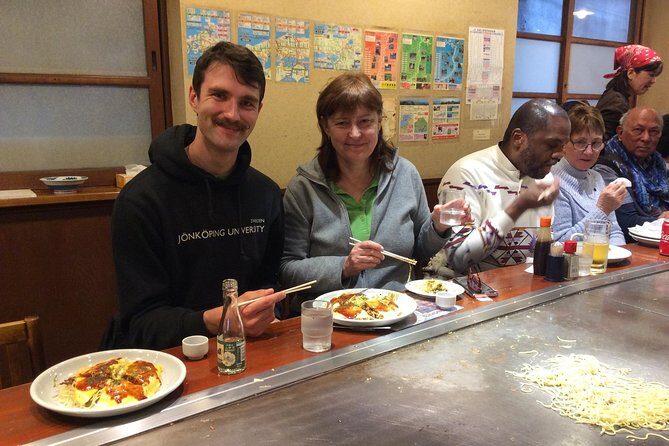
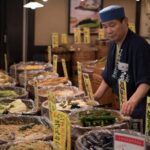
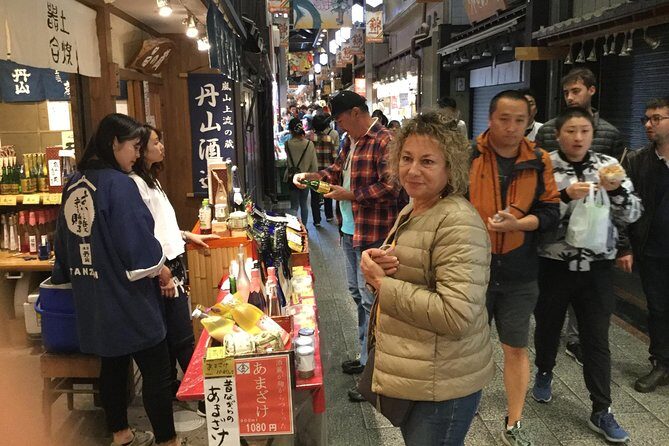
If Nishiki Market is on your route, you’ll understand why people call it Kyoto’s Kitchen. It’s a narrow, five-block shopping street with more than 100 shops and restaurants, focused on food—so it’s built for sampling. The setting is close, busy in a manageable way, and designed for short stops rather than long sit-down meals.
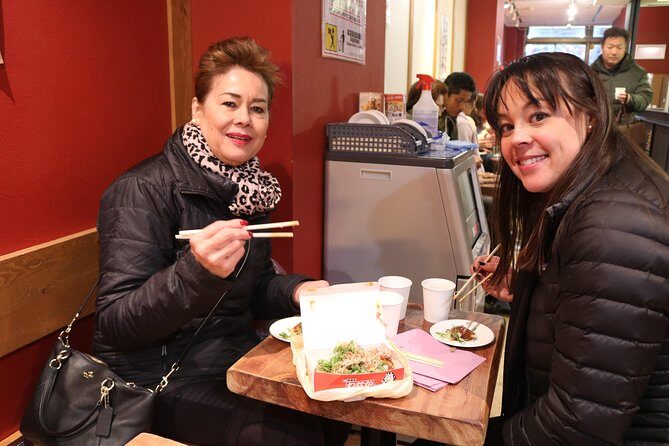
What makes this stop work especially well with a private guide: you’re not just looking at stalls. You’re learning how to choose bites that fit your tastes and timing. You’ll also get help navigating the flow of the street so you spend your energy picking snacks, not trying to figure out where everything is.
Practical tip: keep your snacks light even if everything looks tempting. With only a half day, you’ll want your appetite ready for later neighborhoods and temple areas. I’d treat Nishiki as your “fuel and orientation” stop—tasting a few things and learning the local rhythm of the market.
Admission here is listed as free, so you’re not adding cost on top of the shopping you’ll likely do anyway.
Gion’s alleys: don’t just look—learn how it all works
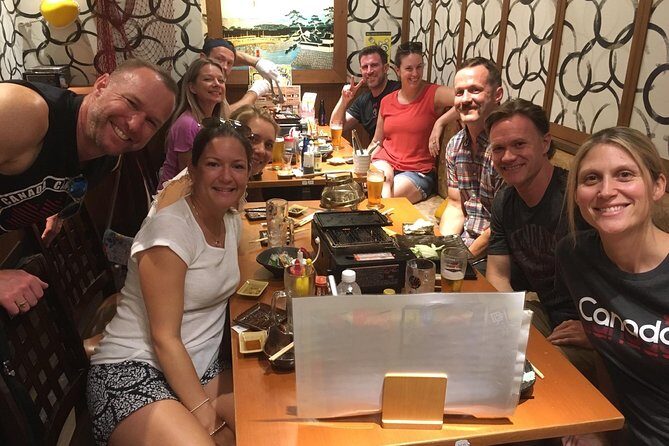
Gion can be tricky for first-timers. The streets are narrow, the lanes branch off unexpectedly, and the visual cues aren’t always obvious if you’re walking without a plan. With a guide, you get a smoother route through the Geisha district feel—without wandering in circles.
One of the best parts of a guided stop here is context. Gion isn’t simply a photo stop. The guide helps you see how the neighborhood’s atmosphere connects to Kyoto’s traditions and social history, and it can also calm the anxiety of getting lost when you’re trying to read street signs and lane layouts.
You’ll also get the kind of “where to go next” direction that saves time. Even if you’re comfortable in cities, Kyoto’s old neighborhoods reward someone who knows the shortcuts and the calmer side streets.
This stop also has free admission listed, which makes it a low-friction choice.
Pontocho: the dining corridor that feels like Kyoto at night
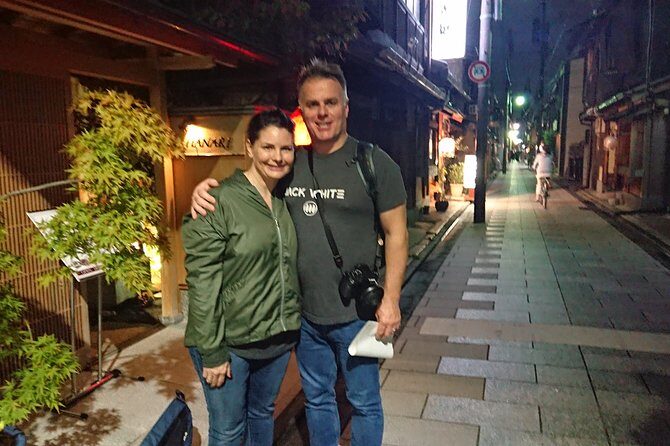
Pontocho is one of Kyoto’s most atmospheric food areas, and it works well for this kind of tour. It’s a narrow alley running from Shijo-dori to Sanjo-dori, just one block west of the Kamogawa River. Restaurants stack along the lane, and the walk itself feels like a small stage.
With a private guide, Pontocho isn’t only about picking a restaurant at random. It’s also about learning how to move through the area—where the lanes open up, where the views shift, and how the street’s layout affects your experience.
If you care about food culture beyond markets, this stop delivers. Nishiki is shopping and tasting; Pontocho is dining atmosphere. Put them together and your brain starts to map where Kyoto eats, not just where it looks scenic.
Admission is listed as free here too, so your main costs become whatever you decide to order (lunch isn’t included, and food/drinks are on you).
Kyoto sweets in a former Kabuki-theater building
One short stop that I’d call surprisingly memorable is the Kyoto sweets stop—Kitaza (described as original Kyoto sweets) in a building renovated from a Kabuki theater. Even if you’re not a sweets fanatic, the building context adds something. You’re tasting food from the present while standing inside a structure with performance history.
The tour description says you can eat the sweets right there, and the time is short. That’s perfect if you don’t want to lose a chunk of the day in a shop. Think of it like a palate reset between neighborhoods.
Admission is listed as free for this stop, so it’s a good spot to add value without committing to a longer paid attraction.
You can also read our reviews of more tours and experiences in Kyoto

Temple timing: Kennin-ji and Fushimi Inari should be on the radar
Not every temple stop is the same style of visit. Some are about gardens and stillness; others are about walking, views, and religious rhythm. This tour’s selection gives you options, and a guide can help you pick what matches your energy level.
Kennin-ji Temple
Kennin-ji is close to the Hanamikoji and Shijo streets area, but it’s described as having expansive grounds and two karesansui (dry landscape gardens). That’s the kind of contrast Kyoto does well: a major neighborhood outside, and a calmer internal world once you step in.
Admission is listed as not included, and the stop in the itinerary is very short. Still, even a brief visit can make sense if you’re there for the gardens and the layout, not for a long museum-style experience.
Fushimi Inari-taisha Shrine
Fushimi Inari-taisha is a must for many visitors, and this tour sets it up for value by keeping it on a tight schedule. The stop is 15 minutes, admission is free, and the description emphasizes seeing parts that can be hard to access as an ordinary tourist.
Even within a short visit, the guide can help you focus on what’s most meaningful so you’re not just chasing the most crowded photo line.
Practical advice: wear good walking shoes. Shrines in Kyoto can involve repeated steps and lane changes, even when the time sounds short.
Major classics with extra travel: Byodoin, the Imperial Palace, and Nijo Castle
This is where your guide’s “pick 3–4 sites” power becomes really important. The list includes some big, iconic sights that take more time to reach or move through. If you want the best use of your 6 hours, you’ll need to choose which heavy hitters fit your day.
Byodoin Temple in Uji
Byodoin is known for the Phoenix Hall, a National Treasure of Japan and a UNESCO World Heritage site. It’s also listed as being in Uji city, with extra travel time expected.
If you choose this one, it’s likely going to shape the whole day. It’s the kind of stop where you’ll want your schedule to allow for the travel tradeoff, because the site itself is a major highlight.
Admission is listed as not included, so budget for that if Byodoin is a priority.
Kyoto Imperial Palace
The Kyoto Imperial Palace used to be the residence of Japan’s Imperial Family until 1868, when the emperor and capital moved to Tokyo. It’s described as located in a spacious Kyoto setting.
Admission is not included here. Even so, having a guide can help you understand what you’re seeing in a place that can feel confusing if you’re just walking around without context.
Nijo Castle
Nijo Castle is UNESCO-listed and was built in 1603 as the Kyoto residence of Tokugawa Ieyasu, the first shogun of the Edo period (1603–1867). That’s a lot of historical weight, and it can be easier to appreciate when you have someone pointing out what matters.
Admission is listed as not included. The stop length shown is 30 minutes, which again suggests this works best when paired with other nearby choices rather than treated as your entire day.
Arashiyama and eastern Kyoto options: Tenryuji, Kiyomizu-dera, and Sanjusangendo
If temples are your main goal, the tour’s selection lets you go in different directions—Zen gardens, a famous hillside complex, or a statue-filled temple.
Tenryuji Temple (Arashiyama)
Tenryuji is described as the most important temple in Kyoto’s Arashiyama district. It was ranked first among Kyoto’s five great Zen temples, and it’s registered as a world heritage site.
Admission is not included. The stop is shown as quick in the itinerary list, but Tenryuji is known for the kind of setting where even a short visit can feel meaningful, especially if your guide helps you focus on what to notice.
Kiyomizu-dera
Kiyomizu-dera is one of Kyoto’s most popular temples, and the stop description says you’ll get a comprehensive 1-hour guided tour there.
That’s a good clue about fit. If you want a fuller guided experience at a single site, Kiyomizu-dera is likely one of the best choices on this list because the tour time dedicated to it is longer.
Admission is not included, so plan for entry fees.
Sanjusangendo
Sanjusangendo (Rengeo-in) is famous for its 1001 statues of Kannon, the goddess of mercy. Even if you’ve seen photos, it’s the kind of place that can feel different once you’re inside and facing the sheer number.
Admission is not included. The visit is short in the itinerary list, so it’s a good choice when you want something specific and memorable without losing too much time.
Price and value: what $153.11 buys you in Kyoto time
At $153.11 per person for about 6 hours, this tour is priced like a serious guided experience, not a casual walk. The main value is the private format with a licensed guide and the ability to choose 3–4 stops that match your priorities.
Here’s how I think about value in Kyoto:
- You’re paying to reduce decision fatigue. In a city this big on foot, a guide helps you avoid wasting hours.
- You’re paying for interpretation. Nishiki and the alley neighborhoods are more fun when you understand what you’re seeing.
- You’re paying for flexibility. The route can shift to your interests instead of forcing you through a single fixed agenda.
Two costs to remember: lunch and admission/transportation fees for you (and your guide) are not included. The tour also lists food and drink costs as your responsibility. That means your total day cost isn’t only the tour price.
Group discounts are mentioned, which can make it feel more reasonable if you’re traveling with another person or a small group.
If you’re solo and you’re trying to keep Kyoto costs under control, you might compare this to other options. But if you want a guided day that blends food and meaningful sightseeing, it’s easy to see where the money goes.
A quick note on how the day feels (and how to make it smoother)
This is a walking-heavy plan with a mix of street markets, neighborhoods, and temple visits. Because the route is customizable, the day can shift from “food focus” to “sight focus” quickly depending on what you choose.
My practical advice:
- If you’re food-first, pick Nishiki Market plus one or two neighborhoods like Gion and Pontocho, then choose a single temple that interests you most.
- If you’re temple-first, pick one major guided temple stop (Kiyomizu-dera is listed with a longer guided visit) and add a second shorter shrine or temple to keep the day from dragging.
- Bring a little breathing room. Even when stops sound short, Kyoto pathways and queue rhythms can add up.
Who this Kyoto tour is best for
This tour is a good match if you want a guided Kyoto day without the confusion of planning multiple stops yourself. It’s also a strong choice if you care about both food culture and the meaning behind what you’re seeing.
It works well for:
- Couples and small groups who want a private route and hate big-group chaos
- First-time visitors who feel overwhelmed by Kyoto’s neighborhood layout
- Travelers who enjoy learning context, not only taking photos
If you’re the type who wants total freedom with no schedule at all, you might prefer self-guided wandering. But if you enjoy having a plan that still feels personal, this fits.
Should you book this Kyoto food and culture private tour?
Yes, if you want Kyoto to make sense fast. The combination of Nishiki Market plus neighborhood food streets and guided temple context is a practical way to learn Kyoto’s food-and-culture story in one half-day.
Book it when:
- You want a licensed guide and a smaller format
- You’ll actually use the customization to match your interests
- You’re okay paying extra for lunch and some temple admission
Skip it or swap priorities if:
- You’re trying to keep every yen and you don’t want to pay entry fees on top
- You’d rather spend the day fully on your own and don’t care about guided context
FAQ
FAQ
How long is the Kyoto food and culture private tour?
The tour runs for about 6 hours.
Is this a private tour?
Yes. It’s a private tour, meaning only your group participates.
Can the route be customized?
Yes. You can customize the route by choosing 3–4 sites from the tour’s selection.
What’s included in the price?
A licensed local guide and a customizable tour of your choice of 3–4 sites are included. Pickup is also offered.
Are temple or attraction admission fees included?
No. Entrance fees for you are not included. Some stops listed have free admission, while others are marked as not included.
Is lunch provided?
No. Lunch isn’t included, and the cost of food and drinks is also not included.
Is there a mobile ticket?
Yes. A mobile ticket is included.
Can I cancel for a full refund?
Yes, free cancellation is offered. You can cancel up to 24 hours in advance for a full refund. After that window, the amount paid isn’t refunded.
Are service animals allowed?
Yes, service animals are allowed.